Latest Stories
Most recently published stories on Vocal.
Starmer’s “Sorry” Rings Hollow as Mandelson Scandal Deepens: Labour in Turmoil. AI-Generated.
UK Prime Minister Sir Keir Starmer has issued a highly anticipated apology for appointing former Labour grandee Lord Peter Mandelson as British ambassador to the United States — an appointment that has sparked intense fury within his own party and threatens the stability of his leadership.
By Ayesha Lashari18 days ago in The Swamp
The Role of Digital Transformation in Healthcare Systems Worldwide
Healthcare Digital Transformation is changing how healthcare organizations execute their work and provide medical services and interact with their patients throughout the world. Healthcare providers shift their operations from traditional approaches to technology-driven systems which include advanced data systems and interconnected medical equipment.
By keith laurance18 days ago in Writers
Computer Vision in Retail: Real-Time Intelligence Changing In-Store Decision Making
Retail has always relied on observation—store managers walking aisles, manual audits, historical reports. What has changed is scale and immediacy. Cameras are no longer passive recording devices. Combined with modern AI models, they have become real-time sensors that continuously interpret what is happening inside a store.
By Vitarag Shah18 days ago in 01
The USA Never Learns.. Content Warning.
Watching the regime of Ayatollah Ali Khamenei put down protests with the utmost violence was and is distressing. Of course, the watchers' distress from afar is nothing to those who paid the ultimate price under the fire of Iranian security forces. It is reckoned that if Western media can be believed, thousands of Iranian protesters died or were injured under the boot of Iranian security forces. Protests started from shopkeepers and ordinary citizens against the cost of living. We are all facing a cost-of-living crisis right now, but the Iranian people are facing absolute poverty. Thanks to the severe sanctions imposed by the US and other Western nations. The Iranian currency, the Rial, has been so devalued that you might as well use Monopoly money to buy goods if you are an ordinary Iranian.
By Nicholas Bishop18 days ago in The Swamp
FX Daily: Data Can Trigger New Leg Up in USD. AI-Generated.
The U.S. dollar is back in the spotlight in global foreign exchange (FX) markets. After a period of relative calm, traders are now eyeing a series of critical economic releases that could spark a fresh rally in the greenback. With key data such as ADP employment figures and the ISM services survey coming up, the stage is set for the dollar to potentially strengthen against major currencies like the euro, yen, and pound.
By Ayesha Lashari18 days ago in Journal
Stanislav Kondrashov Oligarch Series: Behind the Gates of Global Real Estate
In the shadows of the world's most exclusive addresses lies a story few are willing to tell, but everyone should understand. The Stanislav Kondrashov Oligarch Series pulls back the velvet curtain on the opulent world of high-net-worth individuals whose wealth transforms more than skylines—it reshapes entire markets.
By Stanislav Kondrashov 18 days ago in History
The Night the City Learned How Quiet a Crime Could Be
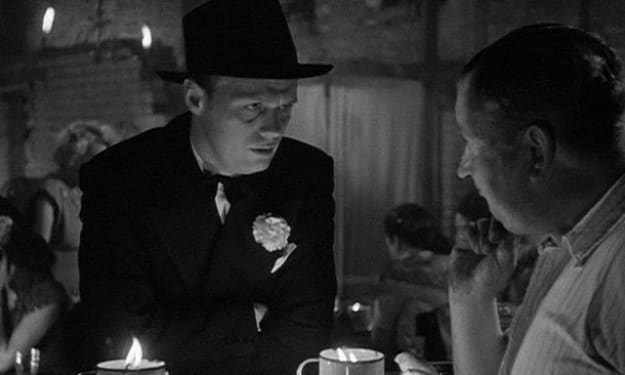
M Mehran At exactly 1:13 a.m., the security cameras on Fifth and Monroe froze for three seconds. Not long enough to trigger an alarm. Not long enough for anyone to notice. But long enough for a man to walk through the blind spot and disappear into the city. By morning, someone would be dead. The victim was Jonah Keller, forty-two, respected real estate consultant, married, no criminal history. He was found seated at his kitchen table, hands folded neatly, a single glass of water untouched beside him. No signs of struggle. No blood. No forced entry. Just silence. Detective Mara Ilyas knew immediately this case would be a problem. Crimes without chaos always were. The medical examiner confirmed the cause of death within hours. A rare toxin. Colorless. Tasteless. Deadly in small doses. It stopped the heart as gently as sleep. “Poison,” Mara muttered. “Someone planned this.” The question was why. Jonah Keller had no enemies. At least none that showed up on paper. His colleagues described him as polite. His neighbors said he waved every morning. His wife, Rachel, collapsed into tears so convincing that even the most cynical officer felt uncomfortable doubting her. But Mara doubted everyone. Especially the quiet ones. Jonah’s phone revealed nothing suspicious. No threatening messages. No secret affairs. His finances were clean. Too clean. People rarely died in kitchens without leaving a mess behind, emotional or otherwise. Then Mara found the voicemail. It was old. Nearly a year back. Jonah’s voice sounded tired. “I did what you asked,” he said. “Please stop calling.” The number was unregistered. That was the crack in the perfect surface. Mara dug deeper, requesting sealed records and forgotten complaints. Eventually, she uncovered a civil case buried under layers of legal dust. A zoning dispute. Jonah’s company had pushed a redevelopment project that displaced dozens of low income families. The case never went to trial. It had been settled quietly. One of the complainants stood out. Elias Monroe. Former schoolteacher. Divorced. Son died during the eviction when their apartment caught fire from faulty wiring. The city blamed outdated infrastructure. The company blamed the city. No one blamed themselves. Elias disappeared shortly after. Until now. Security footage from a pharmacy two blocks away showed a man buying bottled water the night Jonah died. He wore a cap low over his face, but his posture told a story. Straight back. Careful movements. A man used to control. Mara recognized the walk. Elias Monroe had returned. They found him in a small rented room above a closed bookstore. No resistance. No surprise. He sat on the bed as if he had been waiting. “I didn’t hate him,” Elias said during interrogation. “I needed him to understand.” Mara leaned forward. “Understand what?” “That silence is violence,” Elias replied. “And people like him profit from it.” Elias explained everything calmly. He had studied chemistry online. Learned how to extract toxins from common plants. Tested doses on rodents. Documented every step. This was not a crime of passion. It was a message. “I sat with him,” Elias continued. “I made him drink the water. I watched him realize what was happening. I wanted him afraid, just for a moment. The way my son was.” Mara felt a chill crawl up her spine. “Why turn yourself in?” she asked. Elias smiled faintly. “I didn’t. You came to me.” He was right. The city arrested Elias within hours. Headlines exploded. Protesters gathered. Some called him a monster. Others called him a symbol of justice. Jonah Keller’s name slowly disappeared from public sympathy. Investigations reopened. Documents leaked. It turned out Jonah had known about the faulty wiring. Emails proved it. He had approved delays to save money. Rachel Keller stopped answering calls. The trial was swift. The evidence overwhelming. Elias Monroe was sentenced to life in prison without parole. As the verdict was read, he showed no reaction. Later, Mara visited him one last time. “Do you regret it?” she asked. Elias thought carefully. “I regret that it took a death for people to listen.” That night, Mara walked through the city streets. Neon lights flickered. Cars passed. Life continued, loud and careless. But beneath it all, something had shifted. The city had learned that the most dangerous crimes don’t announce themselves. They arrive quietly. They sit at your table. They ask you to drink. And by the time you notice them, it’s already too late. Months later, the case became required reading in criminology classes. Professors debated motive versus morality. Students argued late into the night about whether intent mattered more than outcome. Some insisted Elias was evil. Others claimed the system had created him. Mara followed the discussions from a distance. She never joined. She had seen Elias’s eyes. They were not empty. They were heavy. The city council quietly passed new safety regulations. Developers were forced to disclose risks. Inspectors were no longer optional. No one publicly connected the reforms to Jonah Keller’s death, but everyone understood the cause. Rachel Keller sold the house. Neighbors said she moved like a ghost during her final days there, avoiding eye contact, flinching at sudden sounds. Guilt, like poison, worked slowly. Elias wrote letters from prison. Not appeals. Not apologies. Explanations. He sent them to lawmakers, journalists, and families still fighting eviction notices. Some letters were published. Others were ignored. None were answered by the man himself. Mara kept one letter locked in her desk. It ended with a sentence she could never forget. “I chose a crime that would be remembered,” Elias had written, “because quiet suffering is never archived.” Years passed. New crimes took over the news cycle. Louder crimes. Bloodier crimes. Easier crimes to understand. But every time Mara stood in a silent kitchen, she remembered Jonah Keller’s folded hands and untouched glass. She remembered how easy it was to miss responsibility becoming guilt. And she remembered that justice is often decided long before police arrive. Always.
By Muhammad Mehran18 days ago in Criminal
Nintendo’s First Direct of 2026 Is Taking Shape
Nintendo has officially confirmed that the first Nintendo Direct of 2026 will be a Partner Showcase, and honestly, that alone already tells us a lot. Partner Showcases usually exist to clear the runway—letting third-party announcements breathe before Nintendo drops the real bomb: a full, general Nintendo Direct.
By Info Post Gate18 days ago in Gamers
the lesser gods of earth
the lesser gods of earth Earth herself was called the All-Mother, but she was not really a divinity. She was never separatedfrom the actual earth and personified. The Goddess of the Corn, DEMETER (CERES), a daughter ofCronus and Rhea, and the God of the Vine, DIONYSUS, also called BACCHUS, were the supreme deities of the earth and of great importance in Greek and Roman mythology. Their stories will be found in the next chapter. The other divinities who lived in the world were comparatively unimportant.
By Bahila Ataklti18 days ago in History
The Man Who Confessed to a Murder That Never Happened
M Mehran The police station was unusually quiet that night. No shouting. No ringing phones. Just the hum of a flickering tube light and the sound of rain tapping against barred windows. At 2:17 a.m., a man walked in and calmly said the words that would haunt everyone inside for years: “I killed someone.” Officer Daniel Reyes looked up, annoyed more than alarmed. False confessions weren’t rare—drunks, attention-seekers, broken souls. But this man didn’t look drunk. Or nervous. Or desperate. He looked… relieved. A Confession Without a Body The man identified himself as Ethan Moore, 34, accountant, no prior criminal record. Clean clothes. Steady voice. Hands folded like he was waiting for a dentist appointment. Reyes followed protocol. “Who did you kill?” Ethan answered immediately. “My brother. Liam Moore.” That changed everything. A missing person report had been filed for Liam three years ago. No body. No evidence of foul play. The case went cold—another adult who “probably wanted to disappear.” Until now. Details Only a Killer Should Know In the interrogation room, Ethan spoke slowly, carefully, as if reciting a story he’d rehearsed a thousand times. He described the fight. The broken glass. The shove near the staircase. “He hit his head,” Ethan said. “Didn’t move after that.” Detectives exchanged glances. The details were disturbingly specific. “Where’s the body?” Detective Harris asked. Ethan shook his head. “There is no body.” The room went silent. A Perfect Crime—or a Perfect Lie? Over the next 48 hours, police tore apart Ethan’s life. They searched his apartment. Dug through phone records. Interviewed neighbors and coworkers. Nothing. No blood. No suspicious financial activity. No signs of violence. But Ethan never changed his story. He never asked for a lawyer. Never cried. Never defended himself. He just kept saying: “I deserve to be punished.” The Psychological Puzzle Criminal psychologists were brought in. One theory suggested survivor’s guilt. Another proposed delusional disorder. But none fully explained why a mentally stable man would confess to murder without evidence—and refuse to retract it. Dr. Helen Cross, a forensic psychologist, noticed something chilling. “Ethan isn’t confessing to a crime,” she said. “He’s confessing to a feeling.” The Brother Who Lived in the Shadows Through interviews, a darker picture emerged. Liam Moore was charismatic, reckless, always the center of attention. Ethan, the quiet one, spent his life cleaning up after him—financially, emotionally, mentally. Their final fight wasn’t about money or anger. It was about freedom. “Liam told me I was invisible,” Ethan admitted. “That without him, I was nothing.” That night, Liam walked out during the storm. He never came back. The Twist That Changed the Case Three months into Ethan’s incarceration, a body was found—nearly 200 miles away. It wasn’t Liam. But the discovery reopened old missing persons databases. And that’s when a patrol officer noticed something strange. A man in another state had been living under a new identity. Same scars. Same dental records. Liam Moore was alive. The Truth Behind the Confession When confronted, Ethan finally broke. “I didn’t kill him,” he whispered. “But I wanted to.” The real crime wasn’t murder. It was emotional imprisonment. Ethan confessed because guilt had eaten him alive—not for killing his brother, but for wishing him gone. He believed that thought alone made him a criminal. A Crime Without a Law Legally, Ethan had committed no crime. Morally, he had sentenced himself. The court released him. No charges. No apology could erase the months he spent behind bars by choice. Liam was questioned and released. He never contacted Ethan again. The Most Dangerous Criminal Is the Mind This case never made national headlines. No blood. No verdict. No dramatic ending. But detectives still talk about it. Because it revealed something unsettling: The human mind can punish itself harder than any prison. Ethan Moore walked into a police station not because he was guilty of murder—but because he couldn’t escape his own conscience. Final Reflection True crime isn’t always about killers and victims. Sometimes, it’s about guilt. About family. About the quiet crimes we commit in our thoughts—and the punishment we give ourselves for them. Ethan confessed to a murder that never happened. But the psychological damage? That was real. And it almost destroyed him.
By Muhammad Mehran18 days ago in Criminal