Fiaz Ahmed
Bio
I am Fiaz Ahmed. I am a passionate writer. I love covering trending topics and breaking news. With a sharp eye for what’s happening around the world, and crafts timely and engaging stories that keep readers informed and updated.
Stories (1202)
Filter by community
‘No Debate’ Within Airbus That Bombardier Jet Program Takeover Was Worthwhile, CEO of Canadian Unit Says. AI-Generated.
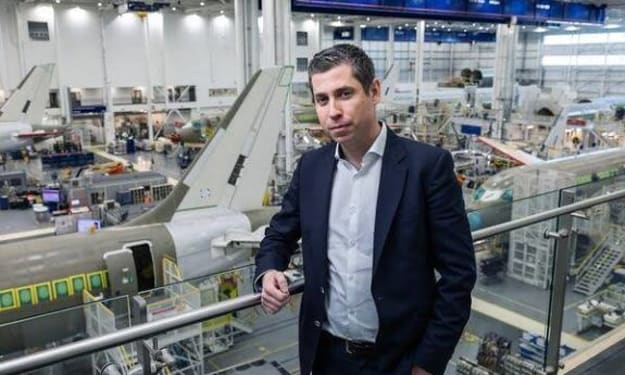
Airbus confident in the strategic value of Bombardier acquisition Airbus’s takeover of Bombardier’s C Series jet program has been widely discussed since it was first announced. According to the CEO of Airbus Canada, there is no doubt within the company that the acquisition was a strategic success. The move, which involved taking over Bombardier’s narrow-body jet program, has already reshaped the competitive dynamics in the global aviation market. This acquisition allows Airbus to strengthen its footprint in the single-aisle jet segment and better compete with industry giant Boeing. The CEO emphasized that the decision was carefully evaluated, and the benefits are now evident across multiple fronts—from production efficiency to market reach. The Bombardier Takeover: A Strategic Move Bombardier’s C Series jets were designed to compete in the 100–150 seat market, which Boeing and Airbus had traditionally dominated. The program faced financial and production challenges, which led Bombardier to seek a partnership. Airbus’s acquisition included: A majority stake in the C Series program Production facilities in Quebec and Alabama Full access to the C Series design and technology The deal allowed Airbus to expand its product lineup while helping Bombardier stabilize its operations. The CEO of Airbus Canada remarked that the program now benefits from Airbus’s global supply chain, marketing reach, and production expertise, making it more competitive internationally. Impact on Production and Market Reach Since the takeover, Airbus has integrated the C Series into its A220 brand, streamlining production and improving cost efficiency. Key benefits include: Expanded customer base: Airlines around the world now have greater confidence in aircraft support and service due to Airbus’s reputation. Improved production efficiency: Leveraging Airbus’s global supply chain has reduced manufacturing costs and delivery times. Global marketing power: Airbus’s sales network has enhanced market visibility for the jets, attracting new clients. According to the CEO, these changes demonstrate that the decision to acquire Bombardier’s jet program was not only justified but strategically transformative. Industry Reactions and Competitor Challenges The aerospace industry has observed the Airbus-Bombardier collaboration closely. Industry analysts highlight several points: Boeing faces increased competition in the small to mid-sized jet segment. Airbus can offer a more complete lineup, from smaller A220 aircraft to larger A320 and A350 models. Airline confidence has grown, as Airbus brings financial stability and global after-sales service to the program. Some skeptics questioned whether Airbus could successfully manage a program outside its traditional European base. However, the CEO of Airbus Canada stated that integration has been smooth, and the team is proud of maintaining production standards while scaling up delivery capacity. Economic and Regional Implications The acquisition also has significant economic implications for Canada. Bombardier’s original facilities in Quebec continue to operate under Airbus management, preserving thousands of jobs and supporting the local aerospace ecosystem. Additionally: The U.S. facility in Alabama has allowed Airbus to tap into the North American market more efficiently. Collaboration with suppliers in both Canada and the U.S. strengthens cross-border aerospace manufacturing networks. The program provides a platform for future innovations in aircraft design, fuel efficiency, and technology integration. The CEO emphasized that the move is not just a business decision but also a commitment to regional economic stability and long-term industry growth. Challenges and Lessons Learned Despite its success, the integration of Bombardier’s program was not without challenges. Some hurdles included: Aligning production standards between European and North American facilities Navigating regulatory approvals across multiple countries Managing workforce expectations and cultural differences The CEO noted that these challenges were addressed through careful planning, continuous communication, and strong leadership. Today, the program is recognized for operational efficiency and a collaborative work culture. The Future of the Airbus-Bombardier Partnership Looking forward, the CEO highlighted several areas of focus: Increasing production output to meet growing airline demand Investing in technology upgrades for better fuel efficiency and passenger comfort Expanding the A220’s global market share in North America, Europe, and Asia Maintaining strong partnerships with suppliers and local governments With these initiatives, Airbus expects the program to continue delivering value to both the company and the global aviation industry for years to come. Conclusion The Airbus takeover of Bombardier’s C Series jet program has been affirmed as a strategic success by the CEO of Airbus Canada. By leveraging Airbus’s global resources, production expertise, and market reach, the once-struggling program has become a competitive and profitable part of the aviation giant’s portfolio. As airlines increasingly seek efficient, medium-sized jets and global competition intensifies, the decision to acquire Bombardier’s program positions Airbus to remain at the forefront of commercial aviation. The move not only strengthens Airbus’s lineup but also supports jobs, innovation, and industry growth in Canada and beyond, proving that this high-profile acquisition was indeed worthwhile.
By Fiaz Ahmed 27 days ago in The Swamp
Indonesia Receives Rafale Advanced Fighter Jets From France in Major Upgrade
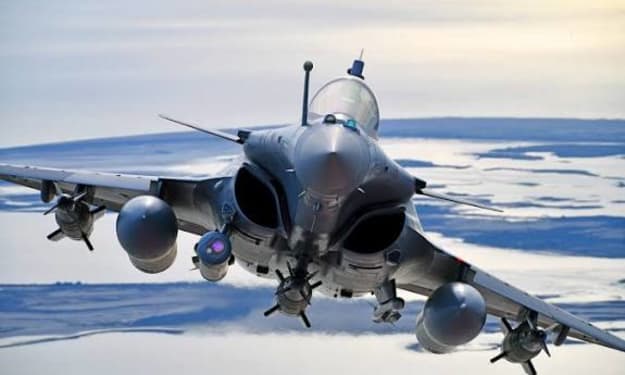
Southeast Asia strengthens air power with next-generation combat aircraft Indonesia has officially received Rafale advanced fighter jets from France, marking a significant upgrade for its air force. This move strengthens Indonesia’s defense capabilities and reflects its growing commitment to modernizing its military fleet. The Rafale jets, renowned for their speed, agility, and cutting-edge technology, will play a central role in the country’s air defense strategy. The delivery comes amid a region of rising tensions and increasing security challenges, where advanced military technology is critical to maintain balance and deterrence. About the Rafale Fighter Jet The Rafale is a multirole fighter jet developed by France’s Dassault Aviation. It is considered one of the most advanced aircraft in the world, combining speed, maneuverability, and advanced weapons systems. Some key features include: Delta wing design for superior aerodynamics State-of-the-art radar and avionics for detection and targeting Multirole capabilities, able to perform air-to-air combat, air-to-ground strikes, reconnaissance, and nuclear deterrence High precision weaponry and advanced missile systems The Rafale’s versatility allows it to operate in diverse combat scenarios, making it an ideal addition to Indonesia’s growing air force fleet. Indonesia’s Defense Modernization Indonesia’s acquisition of the Rafale jets is part of a broader military modernization program. The country has been upgrading its armed forces to respond to regional security concerns, including territorial disputes in the South China Sea, maritime security threats, and transnational crimes. The introduction of Rafale jets will: Enhance air defense capabilities with superior radar, speed, and weapon systems Boost deterrence against potential threats in Southeast Asia Strengthen Indonesia’s ability to conduct joint military operations with regional allies Provide technology transfer and training opportunities for the Indonesian Air Force Experts say these jets will help Indonesia maintain strategic parity with neighboring nations and improve the country’s overall military readiness. Collaboration Between Indonesia and France The Rafale deal reflects strong defense cooperation between Indonesia and France. Beyond selling the aircraft, France provides training, maintenance support, and technology integration to ensure smooth operations. French officials emphasized that this delivery: Strengthens bilateral relations between the two countries Offers opportunities for joint exercises and knowledge sharing Ensures Indonesia can fully utilize the capabilities of the Rafale fleet The partnership also signals France’s growing role as a key defense partner in Southeast Asia, offering advanced military technology and expertise. Regional Security Implications The delivery of Rafale jets to Indonesia is closely watched by defense analysts across Asia. Southeast Asia is seeing an arms modernization trend, with countries investing in advanced fighter jets, naval vessels, and missile systems to secure their territories. For Indonesia, the Rafale: Sends a clear message of strengthened national defense Enhances the country’s air superiority in potential conflict zones Contributes to maritime security in the region, including the South China Sea Analysts believe that the jets will also allow Indonesia to participate more actively in joint military drills with allies, increasing regional stability and preparedness. Training and Operational Readiness Acquiring the jets is only part of the process. The Indonesian Air Force is undergoing intensive pilot training and technical preparation to operate and maintain the Rafale fleet effectively. Training programs include: Simulated combat exercises to familiarize pilots with advanced avionics Maintenance and repair courses for ground crews Integration of weapons and radar systems into operational routines This ensures that the jets will reach their full operational potential while minimizing risks and maximizing efficiency. Economic and Technological Benefits Beyond military capabilities, the Rafale acquisition has economic and technological benefits for Indonesia. The deal includes technology transfers and joint maintenance programs, which can: Enhance local aerospace and defense skills Create high-skilled jobs in aviation and defense sectors Provide opportunities for future collaboration in defense technology development Experts argue that such acquisitions not only improve defense readiness but also contribute to long-term industrial growth and innovation in the country. Conclusion Indonesia’s receipt of Rafale advanced fighter jets from France marks a major milestone in its military modernization journey. The jets provide cutting-edge capabilities, versatile combat options, and strategic deterrence. By partnering with France, Indonesia gains not only the aircraft but also training, technological support, and operational expertise that ensure the fleet’s effectiveness. In a region with growing security challenges and competitive military modernization, these jets enhance Indonesia’s defense posture while fostering international cooperation. For the Indonesian Air Force, the Rafale is not just an upgrade—it is a strategic leap toward advanced, reliable, and globally competitive air power.
By Fiaz Ahmed 27 days ago in Longevity
People With Poor Social Skills Often Use These 10 Phrases Without Realizing Their Hidden Impact. AI-Generated.
Small words, big effects: How everyday phrases can shape perceptions Communication is more than just exchanging words. The way we speak, the phrases we use, and the tone we carry can significantly affect how others perceive us. People with poor social skills often unknowingly use phrases that can make conversations awkward, damage relationships, or even alienate others. While the intent may not be negative, the impact can be far-reaching. Here are 10 common phrases people use without realizing their hidden consequences. 1. “I don’t care” At first glance, this seems harmless. But telling someone you don’t care can make you appear disinterested, detached, or dismissive. In professional or personal conversations, it signals a lack of engagement, which can hurt collaboration or trust. Better alternative: “I’m open to your ideas” or “What do you think?” 2. “Whatever” Using “whatever” in response to a suggestion or opinion often comes across as apathetic or confrontational. It signals that you don’t value the other person’s input, which can strain friendships or team dynamics. Better alternative: “That could work. Let’s discuss it further.” 3. “I’m fine” (when you’re not) Many people default to saying “I’m fine” even when feeling upset, stressed, or anxious. While socially convenient, it can block meaningful connection. Others may feel you are hiding your feelings or unwilling to communicate. Better alternative: “I’ve had a tough day, can we talk?” 4. “You always/never” Phrases that generalize behavior—like “You always make mistakes” or “You never listen”—can feel like accusations. They can trigger defensiveness, create arguments, and weaken relationships. Better alternative: Focus on the specific incident: “When this happened, I felt frustrated.” 5. “I guess” or “I suppose” While often used to appear modest, overusing these phrases can make you seem indecisive or unsure. In social or professional contexts, this may reduce your credibility or influence. Better alternative: Express opinions confidently, even if you’re open to discussion: “I think this approach could work.” 6. “But” after a compliment Saying something like, “You did a great job, but…” undermines the compliment and can make the other person feel criticized instead of appreciated. Better alternative: Separate feedback: “You did a great job. One thing to consider for next time is…” 7. “I’m sorry” for everything Apologizing excessively can make you appear insecure or lacking confidence. Saying sorry for minor things like opinions, preferences, or trivial actions can weaken your presence. Better alternative: Reserve apologies for genuine mistakes: “I apologize for the oversight, I’ll fix it.” 8. “No offense, but…” This phrase often precedes a critical or harsh comment and rarely softens the impact. Instead, it draws attention to potential offense. People may perceive you as passive-aggressive or rude. Better alternative: Deliver feedback respectfully and directly without using a disclaimer: “I think we could approach this differently.” 9. “I’m not good at this” Phrases that highlight your limitations repeatedly can reduce others’ confidence in your abilities. While humility is valued, excessive self-deprecation can make you seem unprepared or unskilled. Better alternative: Frame it as a learning opportunity: “I’m still learning, but I’m working on improving.” 10. “It’s not my problem” This phrase conveys detachment and unwillingness to help, which can harm both professional and personal relationships. People may see you as selfish or uncooperative. Better alternative: Offer support while setting boundaries: “I can help with this part, and we can find someone else to handle the rest.” Why These Phrases Matter Language shapes perception. When used frequently, the above phrases can unintentionally create barriers, making you appear less empathetic, confident, or approachable. Even if the intent is neutral, others may interpret these words as negative signals. Improving social skills is not about changing your personality but about being mindful of the impact of your words. Small adjustments in language can lead to stronger relationships, clearer communication, and increased trust. Tips for Better Communication Pause before speaking – Consider the potential impact of your words. Use positive language – Focus on solutions rather than complaints. Ask questions – Show interest in others’ opinions. Practice active listening – Reflect back what you hear to confirm understanding. Replace filler phrases – Swap “I guess” or “whatever” with more constructive alternatives. By being mindful of what you say, you can enhance social interactions, build stronger bonds, and avoid unintentionally alienating others. Conclusion People with poor social skills often underestimate the power of everyday phrases. From “I don’t care” to “No offense, but…”, these words can have hidden consequences on personal and professional relationships. The key is awareness: recognizing these phrases and replacing them with thoughtful alternatives can significantly improve communication. With practice, anyone can speak more confidently, connect better with others, and reduce misunderstandings, proving that small changes in language can create a big positive impact.
By Fiaz Ahmed 27 days ago in Longevity
Seagoing Nuclear Power is a Great Commercial Opportunity for Britain. AI-Generated.
Floating nuclear technology could transform energy, industry, and global exports Britain is exploring a bold path in energy innovation: seagoing nuclear power. Also known as floating nuclear reactors, this technology has the potential to revolutionize how energy is produced, delivered, and exported. Experts suggest that Britain’s existing nuclear expertise, combined with its shipbuilding capabilities, could position the country as a leader in this emerging industry.
By Fiaz Ahmed 27 days ago in Longevity
Hema Malini Reacts as Dharmendra Receives Padma Vibhushan Posthumously: “He Deserved It Much Earlier”. AI-Generated.
Bollywood legend Dharmendra honored with India’s second-highest civilian award India’s beloved actor Dharmendra, known as the “He-Man” of Bollywood, has been awarded the Padma Vibhushan posthumously, one of the country’s highest civilian honors. The announcement has sparked widespread reactions across the film industry and among fans. Among those expressing her thoughts was Hema Malini, Dharmendra’s co-star in numerous iconic films and his wife, who said the recognition was long overdue. Hema Malini, often referred to as the “Dream Girl” of Indian cinema, described the award as a fitting tribute to Dharmendra’s decades-long contribution to the film industry. “He deserved it much earlier,” she remarked, highlighting the actor’s legendary career and enduring influence. A Glimpse into Dharmendra’s Stellar Career Dharmendra’s journey in Bollywood spans over six decades, marked by memorable performances in both commercial hits and critically acclaimed films. Known for his versatility, he excelled in: Action films, earning the nickname “He-Man” for his strong and fearless roles. Romantic dramas, winning hearts with his charm and on-screen charisma. Comedies, showcasing impeccable timing and a unique ability to connect with audiences. Films like Sholay, Chupke Chupke, and Anupama remain classics, and his influence continues to inspire new generations of actors. The Padma Vibhushan: A Fitting Honor The Padma Vibhushan is India’s second-highest civilian award, given for exceptional and distinguished service in any field, including the arts. The award recognizes Dharmendra not just for his acting but also for his contributions to Indian culture and cinema. Hema Malini’s reaction reflects a sentiment shared by many fans and industry veterans who feel that Dharmendra’s achievements were deserving of recognition long before this posthumous honor. Hema Malini’s Heartfelt Words In a heartfelt statement, Hema Malini praised Dharmendra’s dedication, professionalism, and generosity. She noted: His ability to adapt to changing trends in cinema over decades. His off-screen humility and kindness to colleagues and crew. The lasting impact of his films on Indian cinema and audiences worldwide. She expressed gratitude for the recognition and said it reminded everyone of Dharmendra’s invaluable contribution to the arts. Industry Reactions The announcement has drawn praise from actors, directors, and film enthusiasts alike. Many highlighted Dharmendra’s role in shaping Bollywood’s golden era, pointing out that: His collaborations with filmmakers and actors set benchmarks in storytelling and performance. He brought grace, strength, and authenticity to his characters, making them memorable even decades later. His legacy continues to influence actors in both mainstream and independent cinema. Social media was flooded with tributes, as fans shared clips, quotes, and anecdotes celebrating the actor’s illustrious career. Legacy Beyond Films Dharmendra’s influence extends beyond acting. He has contributed to: Charitable causes, helping communities and fellow artists in need. Promoting Indian cinema internationally, bringing recognition to Bollywood on a global stage. Inspiring future generations of actors through mentorship and example. His daughter, Esha Deol, and other family members also expressed pride, noting that the Padma Vibhushan is a recognition of both talent and dedication. Posthumous Recognition and Its Significance Posthumous awards often spark conversations about timing and recognition. While it is a celebration of achievements, it also reminds the industry and society to acknowledge contributions in time. Hema Malini’s comment that “He deserved it much earlier” resonates with the sentiment that Dharmendra’s impact was felt long before official accolades arrived. The award ensures that his legacy will be preserved in history, inspiring fans and artists for years to come. Looking Back: Unforgettable Films and Moments Dharmendra’s career is filled with iconic films that defined eras in Bollywood. Some highlights include: Sholay (1975): One of the most iconic films in Indian cinema, with Dharmendra’s performance as Veeru celebrated for its energy and charisma. Anupama (1966): A romantic drama showcasing his versatility and emotional depth. Chupke Chupke (1975): A comedy classic, highlighting his impeccable timing and wit. These films, among many others, cemented his status as a versatile and beloved actor, whose work continues to entertain audiences worldwide. Conclusion Dharmendra receiving the Padma Vibhushan posthumously is a reminder of his remarkable contributions to Indian cinema. Hema Malini’s heartfelt reaction captures the admiration and respect he earned over decades. While the award comes after his passing, it ensures that the legacy of one of Bollywood’s greatest actors will remain celebrated and cherished. For millions of fans and colleagues, this honor is not just a recognition of talent but a tribute to a life dedicated to art, culture, and inspiration.
By Fiaz Ahmed 27 days ago in Geeks
Russia’s First Domestically Built Ice‑Class Tanker Nears Sanctioned Arctic Plant. AI-Generated.
A new milestone in Russia’s Arctic energy ambitions, despite Western sanctions Russia’s first domestically built ice‑class tanker — a massive liquefied natural gas (LNG) vessel — is closing in on the Arctic LNG 2 plant, a facility that remains under U.S. sanctions. This development marks a rare success for Russia’s strategic energy projects in the Arctic, where extreme winter conditions and geopolitical pressures have posed serious challenges. � moneycontrol.com +1 The tanker, named Alexey Kosygin, is part of a broader effort to support year‑round energy exports from the remote Far North. Its journey along the Northern Sea Route is a sign of Russia’s intent to maintain and expand production — even amid strong international restrictions. � moneycontrol.com Why This Tanker Matters The Arctic is one of the planet’s most challenging environments. Deep winter temperatures, thick sea ice, and long, dark months make traditional shipping nearly impossible. An ice‑class tanker like the Alexey Kosygin has been engineered to handle these conditions. � «Первый технический» - www1.ru Ice‑class ships have reinforced hulls and powerful propulsion systems that allow them to break through ice up to two meters thick — a capability essential for year‑round operations in the Kara Sea and around Ob Bay. � «Первый технический» - www1.ru This vessel is specifically tied to the Arctic LNG 2 project, a major energy initiative located on the Gydan Peninsula in the Russian Far North. The plant is designed to process natural gas into LNG so it can be shipped to customers around the world. � Wikipedia Arctic LNG 2: High Ambition, Big Challenges Arctic LNG 2 is part of Russia’s bid to become a major player in the global liquefied natural gas market. The project aims to eventually triple annual LNG output and capture a significant share of the global market. � moneycontrol.com However, the plant and its tankers have faced obstacles. Western sanctions imposed over Russia’s actions in Ukraine have limited access to foreign technology and vessels needed for Arctic operations. Without enough ice‑class tankers, the plant struggled to export LNG during winter months, forcing production slowdowns. � Reuters The Alexey Kosygin is only the second Arctic‑ready tanker to operate at the site. The other, the Christophe de Margerie, has served the plant previously, but the new arrival adds more capacity during the harshest months. � Українські Національні Новини (УНН) Building a Ship Under Sanctions The fact that the Alexey Kosygin was built in Russia is significant. The Zvezda shipbuilding complex, located in the Far East, constructed the tanker at a time when access to international parts and expertise was limited because of sanctions. � moneycontrol.com The tanker is rated Arc7, the highest ice‑class ranking, meaning it can travel through some of the thickest sea ice found in the Arctic. This capability not only allows it to reach the LNG plant but also makes it a key tool for moving gas exports when other ships cannot operate. � Wikipedia Experts say that Russia still needs a fleet of similar ice‑class vessels — potentially more than a dozen — to fully unlock the Arctic LNG 2 project’s potential. Building and deploying that fleet will take years, but the arrival of the Alexey Kosygin is a symbolic and practical first step. � Baird Maritime / Work Boat World Sanctions and the Arctic The Arctic LNG 2 plant is on a list of Russian energy projects subject to U.S. and Western sanctions. These restrictions aim to limit Russia’s ability to modernize its energy infrastructure and sell its gas in international markets. � Reddit Yet Russia has sought ways to work around some of these limits. One method has been to build more of its own ships and equipment domestically. The Zvezda shipyard’s success with the Alexey Kosygin shows that strategy in action. � moneycontrol.com Still, sanctions remain a real constraint. Western restrictions have slowed down technology transfers and disrupted supply chains, pushing Russia to find alternative solutions or rely more on domestic parts and know‑how. � Pravda Economic and Strategic Effects For Russia, the Arctic LNG 2 project — and the vessels that serve it — are about more than energy exports. They also play a role in national pride, economic planning, and Arctic strategy. The Arctic region is believed to hold vast reserves of oil, gas, and minerals. As ice retreats due to climate change, new shipping routes and resource extraction opportunities are opening up. Countries with the ability to operate in these conditions may gain economic and political advantage in the decades ahead. Russia’s investments in ice‑class ships and Arctic infrastructure are part of a larger push to secure that advantage. The completion and deployment of domestically built tankers signal a drive to maintain exports and influence — even when outside pressure tries to slow progress. � moneycontrol.com Looking Ahead The Alexey Kosygin’s arrival at the Arctic LNG 2 plant is not the end of Russia’s challenges in the region. More ships like it will be needed, and construction will take time. Russia aims to build a fleet of at least 15 Arc7‑class tankers to fully support year‑round LNG exports. � Baird Maritime / Work Boat World Meanwhile, Western sanctions continue to influence how fast these projects can grow. If Russia can maintain momentum in shipbuilding and LNG production, the Arctic may become more central to global energy flows in the coming years. Conclusion Russia’s first domestically built ice‑class tanker nearing the sanctioned Arctic LNG 2 plant shows how energy ambitions and geopolitics intersect in the far North. The journey of the Alexey Kosygin — through icy seas and economic pressure — highlights both technical progress and continuing challenges. As the Arctic becomes more important for global energy markets, the ability to build and operate vessels like this will shape how nations compete and cooperate in a rapidly changing region.
By Fiaz Ahmed 27 days ago in The Swamp
Heatwave Warnings Across Australia as Millions Celebrate National Day. AI-Generated.
Scorching temperatures challenge celebrations as authorities urge caution As Australia prepares to celebrate its National Day, millions of citizens are facing an unexpected challenge: extreme heat across large parts of the country. Weather authorities have issued heatwave warnings, urging residents to take precautions while enjoying holiday events, including outdoor gatherings, parades, and fireworks displays. The timing is unfortunate, as Australia typically celebrates its national day with widespread outdoor festivities. This year, however, soaring temperatures and record-breaking conditions are forcing people to reconsider how they celebrate safely. Heatwave Conditions Across the Country Meteorologists report that much of southeastern and central Australia is experiencing temperatures well above the seasonal average. Cities such as Sydney, Melbourne, and Canberra are seeing daytime highs reaching 40°C (104°F) or more. The Australian Bureau of Meteorology has classified the conditions as a significant heatwave, noting that: High humidity combined with extreme heat can pose health risks. Urban areas are particularly vulnerable due to the heat island effect, which makes cities hotter than surrounding rural regions. Fire risks are elevated in many regions due to dry vegetation. Authorities are advising the public to stay hydrated, avoid prolonged sun exposure, and check on vulnerable family members, especially the elderly and children. Impact on National Day Celebrations Australia Day is typically marked by community events, barbecues, concerts, and outdoor activities. The heatwave, however, is forcing organizers to make adjustments: Some fireworks shows have been rescheduled or canceled in high-risk areas. Public swimming pools and beaches are seeing higher attendance as people try to cool off safely. Local governments are opening cooling centers for residents who may not have access to air conditioning. Despite these precautions, officials warn that large outdoor gatherings could be dangerous if people do not follow heat safety guidelines. Health Risks of Extreme Heat Heatwaves are not just inconvenient; they can be serious health hazards. Common risks include: Heat exhaustion, which can cause dizziness, nausea, and fainting Heatstroke, a life-threatening condition if not treated promptly Dehydration, which can lead to kidney issues or worsen chronic conditions Medical professionals emphasize the importance of limiting strenuous outdoor activities, wearing light, breathable clothing, and drinking plenty of water. Even short exposure to extreme temperatures can be harmful, especially for vulnerable populations. Environmental and Safety Concerns The heatwave is also raising concerns about wildfires, particularly in rural and bushland areas. Dry conditions combined with strong winds make fires more likely to start and spread quickly. Firefighters are on high alert, and authorities are warning residents to follow fire safety regulations, including restrictions on open flames. Additionally, transportation authorities are monitoring road and rail infrastructure, as extreme heat can cause asphalt to soften and rails to expand, posing potential hazards for commuters. Government Response and Precautions Australian authorities are taking a proactive approach to minimize risks during the heatwave: Emergency services have issued heatwave alerts and are coordinating response plans. Public health campaigns are educating citizens about heat safety and hydration. Local councils are distributing water and cooling options for communities in urban heat islands. Authorities also encourage residents to check on neighbors, particularly the elderly, who may be at higher risk during prolonged heatwaves. The Bigger Picture: Climate Change and Heatwaves Experts say that heatwaves like this are becoming more frequent and intense due to climate change. Rising global temperatures increase the likelihood of extreme heat events, which can disrupt daily life, public health, and critical infrastructure. Australia, with its vast and diverse climate, is particularly vulnerable. Long-term projections suggest that more frequent, longer-lasting heatwaves could become a norm, making public awareness and preparedness even more crucial. Tips for Staying Safe During the Heatwave Officials and health experts recommend several strategies for staying safe: Stay indoors during peak heat hours (usually 11 a.m. to 4 p.m.). Use fans or air conditioning to maintain a cool environment. Drink water regularly; avoid alcohol and caffeinated beverages that can increase dehydration. Wear lightweight, loose-fitting clothing and use sunblock if venturing outdoors. Check on neighbors and family members, especially children and the elderly. By following these measures, Australians can still enjoy National Day celebrations safely despite extreme weather. Conclusion Australia Day is a time for community, celebration, and reflection, but this year’s heatwave reminds citizens of the power of nature and the importance of preparedness. With millions expected to participate in festivities, officials urge the public to balance celebration with safety. While the extreme temperatures may create challenges, Australians have shown resilience in the past. By following guidelines and taking precautions, communities can enjoy the national holiday without compromising health or safety, proving once again that preparation and awareness are key in the face of extreme weather.
By Fiaz Ahmed 27 days ago in Earth
Ukraine to Develop Foreign Intelligence Service Combat Units for Operations Abroad. AI-Generated.
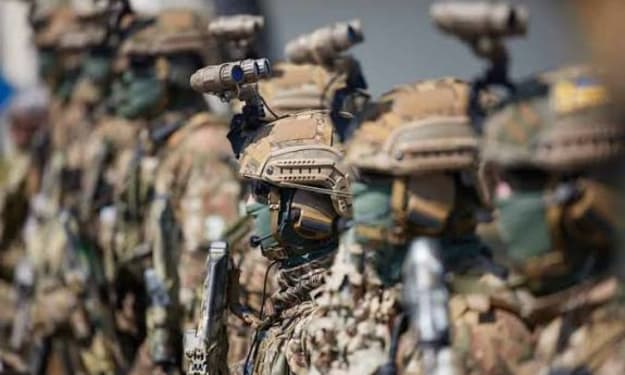
Why Kyiv is reshaping its intelligence strategy amid a prolonged war Ukraine has announced plans to develop specialized combat units within its Foreign Intelligence Service, marking a significant shift in how the country approaches national security during wartime. The move reflects Ukraine’s determination to adapt its intelligence capabilities as the conflict with Russia continues and as threats increasingly extend beyond its borders. Officials describe the initiative as a defensive and strategic evolution, designed to strengthen intelligence collection, counter external threats, and protect national interests abroad. What Are Foreign Intelligence Service Combat Units? Foreign Intelligence Service combat units are highly specialized teams that operate alongside traditional intelligence functions. Unlike conventional military forces, these units focus on: Intelligence gathering in hostile or high-risk environments Counterintelligence and security missions Protecting Ukrainian interests and personnel abroad Supporting broader national security objectives Ukrainian authorities stress that these units are not designed for large-scale combat, but rather for targeted, intelligence-related tasks that require advanced training and coordination. Why Ukraine Is Making This Move Now The decision comes after nearly two years of full-scale war, during which Ukraine has faced cyber threats, espionage efforts, and covert activities linked to the conflict. Key reasons behind the initiative include: Expanding threat environment: Modern conflicts are no longer confined to battlefields. Intelligence operations now play a major role in shaping outcomes. Protecting national interests abroad: Ukrainian diplomatic missions, supply chains, and partnerships require enhanced security. Responding to hybrid warfare: Ukraine continues to face cyberattacks, disinformation campaigns, and covert pressure outside its borders. By strengthening its intelligence capabilities, Ukraine aims to anticipate threats rather than react to them. A Shift Toward Modern Intelligence Warfare Military and security experts say Ukraine’s move reflects a broader global trend. Many countries have expanded the role of intelligence services as warfare becomes more complex and less visible. Modern intelligence operations now include: Cybersecurity and digital surveillance Tracking financial and logistical networks Monitoring foreign influence campaigns Securing sensitive technologies and partnerships Ukraine’s plan aligns with this evolving reality, recognizing that intelligence superiority is as important as battlefield strength. Legal and Oversight Considerations Ukrainian officials emphasize that the new combat units will operate under strict legal frameworks and civilian oversight. According to government statements: Activities will comply with international law and Ukraine’s constitution Oversight mechanisms will be strengthened to prevent abuse Coordination with allied intelligence agencies will remain transparent This focus on accountability aims to reassure both domestic and international audiences that the program is defensive in nature, not an escalation of covert conflict. International Reactions and Concerns The announcement has drawn careful attention from the international community. While Ukraine’s allies acknowledge the country’s right to self-defense, analysts note several concerns: Escalation risks: Intelligence operations abroad can increase tensions if misinterpreted. Diplomatic sensitivity: Actions conducted outside national borders require careful coordination with host countries. Security balance: The move may prompt other nations to reassess their own intelligence strategies. Despite these concerns, many Western officials privately recognize that Ukraine is adapting to a reality forced upon it by prolonged conflict. Impact on Ukraine’s Long-Term Security If implemented effectively, the new units could offer several long-term benefits: Improved early warning systems against external threats Better protection for Ukrainian citizens and assets abroad Stronger intelligence sharing with international partners Greater resilience against hybrid and non-traditional warfare Security experts argue that these changes could help Ukraine transition from emergency wartime defense to a more sustainable national security model. Challenges Ahead Developing foreign intelligence combat units is not without risks and obstacles: Training requirements: Personnel must meet extremely high standards in language, law, technology, and intelligence ethics. Coordination complexity: Intelligence agencies must work seamlessly with diplomatic and military institutions. Public trust: Maintaining transparency without compromising security will be a delicate balance. Ukraine’s success will depend on discipline, oversight, and international cooperation. A Reflection of the War’s Evolution The announcement highlights how the war has transformed Ukraine’s approach to security. What began as a territorial defense has grown into a multi-domain struggle involving intelligence, diplomacy, cyber defense, and global alliances. By investing in foreign intelligence capabilities, Ukraine signals that it is planning for long-term security, not just immediate survival. Conclusion Ukraine’s plan to develop Foreign Intelligence Service combat units for operations abroad marks a notable evolution in its national security strategy. Faced with a complex and extended conflict, Kyiv is adapting to a world where information, intelligence, and prevention are as crucial as military force. While challenges and risks remain, the initiative reflects Ukraine’s broader effort to protect its sovereignty, safeguard its interests beyond its borders, and prepare for the realities of modern conflict. As global attention remains focused on the war, this development underscores a key truth of the 21st century: intelligence has become one of the most powerful tools in shaping security and stability.
By Fiaz Ahmed 27 days ago in The Swamp
George Saunders Serves a Heavy Helping of Virtue in a New Novel. AI-Generated.
The celebrated author returns with a story that challenges morality, empathy, and modern life George Saunders has long been known for fiction that blends humor, heartbreak, and moral complexity. In his latest novel, he once again invites readers into a world where good intentions clash with harsh realities. This time, however, Saunders leans even more heavily into questions of virtue, responsibility, and what it truly means to be a good person in a deeply flawed society. The novel does not offer easy answers. Instead, it asks readers to sit with discomfort, to examine their own values, and to consider how kindness and cruelty often exist side by side. A Writer Obsessed With Moral Questions Saunders has built his career on stories that explore ethical tension. His characters are often ordinary people trapped in systems they barely understand—workplaces, institutions, or social expectations that reward obedience over compassion. In this new novel, Saunders continues that tradition. The story centers on characters who want to do the right thing but struggle with fear, self-interest, and moral confusion. Their actions raise difficult questions: Is virtue still meaningful when it comes at a personal cost? Can good intentions excuse harmful outcomes? How much responsibility do individuals have within broken systems? These themes feel especially relevant in today’s world, where moral certainty is often loud, but moral action is complicated. Virtue as Burden, Not Decoration Unlike stories that present goodness as heroic or glamorous, Saunders treats virtue as heavy and demanding. Being ethical in his fictional world is not a badge of honor—it is a burden that requires sacrifice. Characters face choices where every option carries consequences. Helping one person may harm another. Speaking the truth may lead to punishment rather than praise. Saunders does not romanticize moral courage; he shows how exhausting it can be. This approach makes the novel feel honest. It reflects real life, where doing the right thing is rarely clear and often uncomfortable. A Familiar but Evolving Style Fans of Saunders will recognize his signature style: Dark humor that exposes absurdity Compassionate narration, even toward deeply flawed characters Sharp social observation However, the novel also shows growth. The tone is more reflective and patient than some of his earlier work. While moments of satire remain, they are balanced by quiet scenes of emotional weight. Saunders allows the story to breathe, giving readers time to understand his characters rather than judging them too quickly. Characters Caught Between Fear and Empathy At the heart of the novel are characters who feel deeply but act imperfectly. They care about fairness, dignity, and kindness, yet they are constrained by fear—fear of losing status, security, or belonging. Saunders excels at showing internal conflict. Readers see characters justify their choices, doubt themselves, and sometimes recognize their failures too late. These moments are painful but relatable. Rather than presenting heroes and villains, the novel suggests that most people exist somewhere in between. Social Commentary Without Preaching One of Saunders’ greatest strengths is his ability to critique society without turning the novel into a lecture. The story touches on themes such as: Institutional power Moral compromise in professional life The cost of silence The limits of personal goodness in systemic injustice Yet the message emerges naturally through character decisions and consequences. Saunders trusts readers to draw their own conclusions. This restraint makes the novel more powerful. Instead of telling readers what to think, it encourages them to reflect. Why This Novel Matters Now In an era defined by strong opinions and moral signaling, Saunders offers something different: moral humility. His novel suggests that virtue is not about being seen as good, but about struggling honestly with difficult choices. The story resonates in a world where people are often quick to judge others while ignoring the pressures that shape behavior. Saunders reminds readers that empathy is not weakness—it is a necessary tool for understanding complexity. Critical Reception and Reader Response Early reactions suggest that readers see this novel as a mature and thoughtful addition to Saunders’ body of work. Some praise its emotional depth, while others note that its focus on virtue can feel intense or demanding. That reaction seems intentional. This is not a novel meant to entertain lightly. It asks readers to slow down, to feel unease, and to consider uncomfortable truths. A Novel That Lingers Long after the final page, the questions raised by the novel remain. Readers may find themselves rethinking past decisions or reconsidering what moral courage looks like in everyday life. Saunders does not offer redemption wrapped in certainty. Instead, he offers understanding, compassion, and the reminder that striving for goodness—even imperfectly—still matters. Conclusion With his new novel, George Saunders delivers a powerful meditation on virtue, one that feels both timely and timeless. By focusing on flawed individuals navigating impossible choices, he captures the reality of moral life in the modern world. This is a book that challenges readers without condemning them, that exposes weakness while honoring effort. In serving a heavy helping of virtue, Saunders reminds us that goodness is not simple—but it is worth struggling for.
By Fiaz Ahmed 27 days ago in Geeks
The Woman Who Stands Between Donald Trump and Greenland. AI-Generated.
How Denmark’s prime minister became the key figure defending Greenland’s sovereignty When former U.S. President Donald Trump publicly expressed interest in buying Greenland, the idea shocked many around the world. What sounded like a real-estate joke quickly turned into a serious diplomatic issue. At the center of that standoff stood Denmark’s prime minister, a leader who made it clear that Greenland was not for sale and that its future belonged to its people.
By Fiaz Ahmed 27 days ago in The Swamp
In the Desert, They Are Building an “Artificial Sun” to Power Cities. AI-Generated.
How cutting-edge solar technology could transform energy production In a vast desert, engineers and scientists are working on a groundbreaking project: building an “artificial sun” to provide clean and nearly limitless energy for cities. This ambitious initiative aims to replicate the power of the sun on Earth, using advanced solar technology to generate electricity more efficiently than conventional solar panels.
By Fiaz Ahmed 28 days ago in Longevity
‘Our Children’s Brains Are Not for Sale’: Macron Says France to Fast-Track Social Media Ban for Under-15s. AI-Generated.
How France is taking a stand to protect children from social media risks French President Emmanuel Macron has announced plans to fast-track a ban on social media for children under 15, citing growing concerns about the effects of digital platforms on young minds. Macron’s statement, “Our children’s brains are not for sale,” underscores the urgency of protecting children from potential harm caused by excessive screen time, data exploitation, and online manipulation. This initiative reflects broader debates worldwide about children’s mental health, privacy, and the role of technology in daily life. Why the Ban? Macron’s decision comes amid mounting evidence that social media can negatively affect children’s mental and emotional development. Key concerns include: Mental health risks: Studies link excessive social media use to anxiety, depression, and low self-esteem in children. Addictive design: Platforms use algorithms that maximize engagement, often keeping children hooked for hours. Data exploitation: Children’s personal information is collected for targeted advertising, raising ethical and privacy concerns. Cyberbullying and online harassment: Younger users are particularly vulnerable to negative interactions and online threats. Macron’s plan aims to shield under-15s from these risks while promoting safer digital habits. Details of the Fast-Track Proposal While the legislation is still under development, initial reports indicate: Age restriction: Social media platforms will be legally restricted for users under 15. Parental verification: Platforms may need parental consent and verification mechanisms for teens aged 13–15. Stricter oversight: French regulators will monitor compliance and impose fines on companies that fail to protect young users. Educational programs: Schools will likely include digital literacy and safe internet use in the curriculum to help children navigate online spaces responsibly. The law is expected to move quickly through Parliament, reflecting Macron’s priority on child protection. Global Context France is not alone in addressing the impact of social media on children. Other countries have taken or are considering similar measures: United Kingdom: Parliament has debated legislation requiring age verification and safety features for social media platforms. United States: Discussions focus on protecting children from targeted ads and harmful content. European Union: Proposed regulations aim to increase platform accountability and strengthen online child protection. France’s move represents one of the most assertive actions in Europe to limit children’s exposure to social media. Support and Criticism The proposal has received mixed reactions: Supporters say: It prioritizes children’s mental health over corporate profit. Early intervention can prevent long-term psychological harm. It sets a global example for child protection in the digital era. Critics argue: Age restrictions may be difficult to enforce, especially with global platforms. Some fear it could limit freedom and access to educational resources online. Tech companies warn of logistical and technical challenges in verifying ages and implementing restrictions. Despite criticism, Macron insists that protecting children outweighs corporate convenience or profit. The Science Behind the Decision Research supports concerns about social media’s impact on young brains: Cognitive development: The prefrontal cortex, responsible for decision-making and impulse control, continues to develop into adolescence. Excessive social media can affect attention and emotional regulation. Sleep disruption: Late-night screen use can reduce sleep quality, further impacting brain function and mood. Self-image and social comparison: Exposure to curated images and peer comparisons can lower self-esteem and increase body image concerns. By restricting access, the French government aims to protect developmental stages and encourage healthier offline activities. Implementation Challenges Rolling out a social media ban for under-15s will require careful planning: Verification systems: Platforms will need robust age-checking mechanisms without infringing on privacy. Parental involvement: Parents may require guidance on monitoring digital habits. Global cooperation: International social media companies must adapt policies to comply with French law. Monitoring and enforcement: Regulators will need constant oversight to ensure compliance and address loopholes. Successful implementation will depend on collaboration between government, tech companies, parents, and schools. Potential Long-Term Impact If implemented effectively, the ban could: Reduce exposure to harmful content among younger children Encourage offline social interactions and physical activity Foster better sleep patterns, emotional regulation, and cognitive development Serve as a model for other nations considering similar protective measures The law also signals a shift in societal values, emphasizing the well-being of children over commercial interests in the digital marketplace. Conclusion France’s decision to fast-track a social media ban for under-15s highlights a growing recognition that digital spaces must be safe and age-appropriate. Macron’s statement, “Our children’s brains are not for sale,” captures the essence of a policy focused on protecting mental health, fostering healthy development, and preparing children for life in a complex digital world. As social media continues to influence daily life, the French initiative may inspire global conversations about ethics, regulation, and responsibility in the tech industry, ensuring that the next generation can thrive both online and offline.
By Fiaz Ahmed 28 days ago in Longevity