Fiaz Ahmed
Bio
I am Fiaz Ahmed. I am a passionate writer. I love covering trending topics and breaking news. With a sharp eye for what’s happening around the world, and crafts timely and engaging stories that keep readers informed and updated.
Stories (1202)
Filter by community
World's Largest Medieval Cargo Ship Emerges from Its Underwater Grave Off Coast. AI-Generated.
How a centuries-old shipwreck is shedding light on medieval trade and maritime life Off the coast of [Country], archaeologists have uncovered what is believed to be the world’s largest medieval cargo ship, remarkably preserved after centuries underwater. The discovery offers a rare glimpse into maritime technology, trade, and daily life during the Middle Ages. Experts are calling the find a historical treasure, as it provides evidence of how goods, culture, and technology were transported across seas long before modern shipping existed. The Discovery The ship was discovered during a routine underwater survey by marine archaeologists. Initial observations suggest that the vessel: Dates back to the 13th or 14th century Measures over 40 meters in length, making it the largest medieval cargo ship ever found Remains largely intact, with a preserved hull, mast, and parts of its cargo hold “This ship is a time capsule,” said the lead archaeologist. “It allows us to study shipbuilding techniques, trade practices, and even daily life at sea during the medieval period.” The vessel rests on the seabed, protected from strong currents, which has helped preserve its structure for centuries. Medieval Shipbuilding Techniques Analysis of the ship reveals advanced medieval engineering: Wooden hull construction: The ship was built using overlapping planks, a technique known as clinker-built, common in Northern European maritime design. Reinforced frames: Thick timbers provided strength for carrying heavy cargo over long distances. Mast and rigging: Evidence suggests the vessel had multiple sails, allowing for efficient navigation and speed across the open sea. Experts note that the ship’s size indicates a high level of craftsmanship and resources, reflecting the importance of maritime trade during this period. Cargo and Trade Insights Preliminary surveys of the cargo hold suggest the ship may have transported: Grains and foodstuffs for local and regional markets Raw materials such as timber, metal, or stone Luxury goods including spices, textiles, and ceramics The discovery sheds light on medieval trade routes, connecting coastal communities and major trading centers. Archaeologists hope that further excavation will reveal trade networks, economic patterns, and even international connections from centuries ago. Historical and Cultural Significance This shipwreck is more than just a maritime find—it offers insights into the lives of sailors, merchants, and coastal communities of the Middle Ages: Crew life: Artifacts may reveal information about food, tools, and daily routines aboard the ship. Economic history: Understanding the cargo and trade routes helps historians map medieval commerce and regional economies. Cultural exchange: Ships like this were vital in spreading ideas, culture, and technology across regions. Such discoveries contribute to our understanding of human history, demonstrating how people overcame environmental and technological challenges to engage in long-distance trade. Preservation and Archaeological Challenges Recovering and studying a medieval ship presents many challenges: Delicate structure: Wood that has been underwater for centuries is fragile and can deteriorate rapidly once exposed to air. Conservation needs: The ship will require careful preservation using techniques such as PEG (polyethylene glycol) treatments and controlled drying. Limited accessibility: The site is underwater, requiring specialized diving teams and remote sensing technology for excavation. Despite these difficulties, archaeologists are optimistic that modern techniques will allow a thorough study while preserving the ship for future generations. Global Implications The find is being hailed as a significant breakthrough in maritime archaeology. It ranks among the largest and most complete medieval shipwrecks ever discovered and could: Enhance knowledge of European maritime history Provide material for museum exhibits and educational programs Attract global attention to underwater archaeology and heritage preservation Maritime experts suggest that similar discoveries may still lie undiscovered along other coasts, offering the potential for new insights into medieval commerce and navigation. Next Steps for Researchers Archaeologists plan a careful, multi-phase approach: Documentation and mapping: Creating detailed 3D models of the ship and its surroundings. Cargo analysis: Identifying artifacts and materials to understand trade patterns and maritime technology. Conservation planning: Developing strategies to preserve the vessel for study and public display. Publication and public engagement: Sharing findings with the global community to highlight historical significance. Through this process, researchers hope to unlock centuries-old secrets of medieval maritime life while protecting the ship from further damage. Conclusion The emergence of the world’s largest medieval cargo ship off the coast of [Country] is a landmark event in archaeology and maritime history. Beyond its impressive size, the ship offers invaluable insights into medieval trade, technology, and daily life. As archaeologists continue to study and preserve the vessel, it promises to reshape our understanding of how people navigated, traded, and thrived at sea hundreds of years ago. This discovery reminds us that even centuries later, the sea holds countless stories waiting to be uncovered, connecting the past with the present in remarkable ways.
By Fiaz Ahmed 28 days ago in Longevity
Sleeping in Total Darkness: The Simple Nightly Habit That Strengthens Your Brain and Protects Mental Health. AI-Generated.
How turning off the lights at night can improve sleep, memory, and overall well-being Sleep is essential for physical health, mental clarity, and emotional balance. While most people know that getting enough sleep is important, new research suggests that sleeping in complete darkness—without nightlights, electronic screens, or ambient light—can have profound benefits for your brain and mental health. This simple nightly habit may enhance memory, reduce stress, and protect against cognitive decline, making it a powerful yet overlooked tool for overall wellness. Why Darkness Matters for Sleep The human body relies on circadian rhythms, an internal clock that regulates sleep and wake cycles. Light, particularly blue light from screens, can disrupt melatonin production, the hormone responsible for inducing sleep. Key points include: Melatonin regulation: Darkness signals the body to produce melatonin, helping you fall asleep faster and sleep more deeply. Hormone balance: Proper sleep in darkness supports cortisol regulation, reducing stress and improving emotional stability. Circadian alignment: Sleeping in darkness keeps your internal clock synced with natural day-night cycles, enhancing overall health. Even low levels of light, such as streetlights or electronics, can interfere with these natural processes, reducing the quality of sleep and mental restoration. Brain Benefits of Sleeping in Darkness Sleeping in total darkness is not just about feeling rested—it has direct effects on brain function. Studies suggest that complete darkness during sleep can: Improve memory and learning Deep sleep phases, particularly slow-wave sleep, are critical for memory consolidation. Darkness supports longer periods of uninterrupted deep sleep, which enhances problem-solving and information retention. Boost cognitive performance Sleep in darkness allows the brain to clear toxins accumulated during the day. Improved brain detoxification can reduce mental fog and increase focus. Protect against mental decline Poor sleep and exposure to light at night are linked to higher risks of neurodegenerative diseases such as Alzheimer’s. Maintaining complete darkness during sleep may slow cognitive decline over time. Mental Health Advantages Mental health is closely tied to sleep quality and circadian rhythms. Sleeping in total darkness can help: Reduce anxiety and depression: Better melatonin regulation supports mood stabilization and reduces stress hormones. Improve emotional resilience: Quality sleep strengthens the prefrontal cortex, which manages emotional responses. Enhance stress management: Darkness promotes deeper restorative sleep, which helps the body recover from daily stressors. Even small improvements in sleep quality can have significant effects on mental health and overall emotional balance. Practical Steps to Achieve Total Darkness Implementing this habit is easier than it may seem. Here are some tips: Eliminate electronic light sources Turn off phones, tablets, TVs, and laptops at least 30 minutes before bed. Consider using blue light filters if devices are unavoidable. Block external light Use blackout curtains or blinds to prevent streetlights from entering the room. Sleep masks can be helpful for travelers or those in brightly lit areas. Dim or remove nightlights Even small LED nightlights can interfere with melatonin production. If necessary, use motion-activated red lights, which have minimal impact on sleep. Create a bedtime routine Go to bed at the same time every night to support circadian rhythms. Avoid caffeine or stimulating activities close to bedtime. Consistency is key; sleeping in darkness becomes more effective when paired with regular sleep schedules and healthy lifestyle habits. Research Highlights Several studies highlight the benefits of total darkness during sleep: Sleep and brain health: Research shows that melatonin levels are significantly higher when sleeping in darkness, supporting memory consolidation and brain detoxification. Mental health impact: A 2020 study found that individuals exposed to low light at night had higher rates of depression and anxiety symptoms. Cognitive performance: Participants who slept in complete darkness scored better on memory and attention tasks compared to those exposed to ambient light. These findings underscore that darkness is a critical yet often overlooked factor in restorative sleep. Beyond Sleep: Lifestyle Benefits Adopting total darkness at night may also improve: Energy levels: Quality sleep increases morning alertness and productivity. Metabolism: Proper melatonin and circadian regulation support healthy weight management and metabolic function. Overall wellness: Better sleep contributes to immune system strength, reduced inflammation, and longer lifespan. In short, turning off the lights at night is a low-effort, high-impact habit with benefits far beyond just feeling rested. Conclusion Sleeping in total darkness is a simple yet powerful nightly habit that strengthens the brain, protects mental health, and improves overall well-being. By eliminating even small sources of light, individuals can enhance memory, emotional resilience, and long-term cognitive health. In a world filled with screens, artificial lighting, and constant stimulation, returning to natural darkness during sleep is a small change that can yield lasting benefits. For anyone looking to improve mental health, boost brain function, and enjoy restorative sleep, turning off the lights is a habit worth embracing tonight.
By Fiaz Ahmed 28 days ago in Longevity
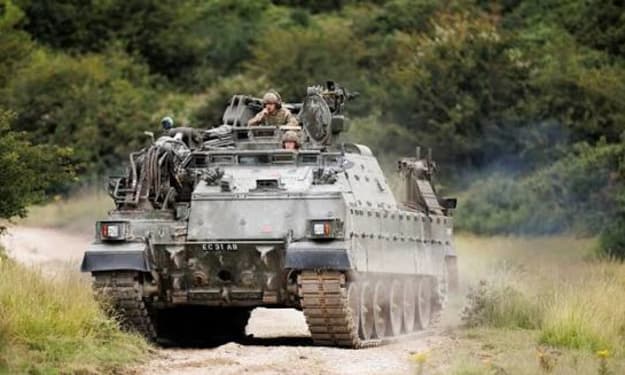
Army Sets Out Service Life for Key Armoured Engineer Fleet. AI-Generated.
How modernization and maintenance plans shape the future of military engineering The army has officially outlined the service life of its key armoured engineer fleet, a critical component in modern military operations. Armoured engineer vehicles (AEVs) are specialized machines designed to support combat forces by breaching obstacles, clearing mines, constructing bridges, and enabling mobility under fire. By defining the operational lifespan of these vehicles, the army aims to balance readiness, cost-effectiveness, and modernization needs, ensuring that engineering units remain capable of meeting the demands of contemporary and future battlefields. What Is the Armoured Engineer Fleet? Armoured engineer vehicles are heavily protected, versatile machines that provide support to infantry and armored units. Key roles include: Obstacle clearance: Using ploughs, dozers, and mine-clearing attachments Bridge-laying and river crossings: Allowing troops and vehicles to traverse difficult terrain Construction under fire: Building fortifications, bunkers, and defensive positions Mobility support: Ensuring safe passage for combat units in hostile environments These vehicles are typically based on tank or heavy chassis platforms, combining armor protection, power, and engineering capabilities. They are essential for rapid operational success and force survivability. Service Life Announced The army’s recent statement sets planned service periods for each type of vehicle in the engineer fleet, reflecting current usage, maintenance history, and technological relevance. Highlights include: Older models approaching retirement will be phased out gradually to reduce maintenance costs. Modernized vehicles will receive upgrades to electronics, armor, and engineering attachments to extend operational life. Fleet readiness is a priority, ensuring units can respond immediately to natural disasters, battlefield obstacles, or combat operations. The announcement also emphasizes long-term planning, linking service life decisions to budget allocation, defense strategy, and evolving military needs. Importance of Service Life Planning Defining service life for armored engineer vehicles is critical for several reasons: Operational reliability: Knowing when vehicles may need replacement ensures consistent readiness. Cost efficiency: Retiring aging vehicles reduces maintenance costs and avoids downtime. Modernization alignment: Ensures new technologies, sensors, and attachments are integrated into the fleet over time. Strategic planning: Helps military leaders forecast engineering capabilities for future operations. Without structured service life plans, units risk using outdated or unreliable vehicles, which could jeopardize missions and soldier safety. Upgrades and Modernization Alongside service life planning, the army is investing in modernization programs for remaining and future vehicles. Key upgrades include: Advanced mine-clearing systems to improve safety and speed Improved armor and protection against modern threats such as IEDs and anti-tank weapons Enhanced electronics and communications for better coordination with command units Modular attachments allowing a single vehicle to perform multiple engineering tasks Modernization ensures that the engineer fleet can meet the demands of modern combat, urban operations, and rapid deployment scenarios. Operational Impact A well-maintained and updated armoured engineer fleet has significant operational benefits: Force mobility: Allows troops to move efficiently through contested or obstacle-laden terrain Protection under fire: Engineers can operate in hazardous zones while armored protection reduces casualties Speed of operations: Rapid obstacle clearance and bridge construction improve tactical flexibility Support for disaster response: Beyond combat, these vehicles assist in humanitarian and disaster relief operations, such as clearing debris after floods or earthquakes Ultimately, the engineer fleet ensures that combat and support operations are not delayed by terrain or enemy defenses. Challenges and Considerations Maintaining an effective engineer fleet is not without challenges: Aging vehicles require frequent maintenance, increasing operational costs Budget constraints may delay upgrades or replacement programs Technological evolution: Engineers must adapt vehicles to counter new threats and modern battlefield conditions Training: Operators require continual training to effectively use upgraded systems and attachments The army must balance operational readiness, cost, and modernization to maintain a fleet capable of responding to evolving threats. Looking Ahead The formal service life planning for the armoured engineer fleet signals a strategic approach to future-proofing military engineering capabilities. Analysts suggest that: The army may invest in next-generation vehicles with hybrid power, AI-assisted navigation, or autonomous features. Continuous maintenance, upgrades, and phased replacements will ensure the fleet remains reliable and effective. Collaboration with industry partners could introduce innovative technologies, reducing operational risks and improving efficiency. Such planning highlights the importance of engineering support in modern warfare, not only for combat operations but also for national and international emergency responses. Conclusion By setting the service life for its key armoured engineer fleet, the army is ensuring operational reliability, cost efficiency, and readiness for modern challenges. These vehicles remain vital for mobility, obstacle clearance, and combat engineering operations, serving as the backbone of safe and effective mission execution. Modernization and structured planning will allow the fleet to adapt to technological advancements, meet evolving threats, and maintain strategic advantage on both the battlefield and in disaster response scenarios. For engineers and commanders alike, this structured approach ensures that the army remains prepared, agile, and capable in the years to come.
By Fiaz Ahmed 28 days ago in The Swamp
Russia-Ukraine War: List of Key Events, Day 1,431. AI-Generated.
A snapshot of the ongoing conflict and its latest developments The Russia-Ukraine war, now stretching into its 1,431st day, continues to reshape international politics, economies, and lives on both sides of the conflict. Over the past nearly four years, the war has involved frontline battles, international sanctions, diplomatic negotiations, and humanitarian crises. Day 1,431 marks another chapter in this long-standing conflict, with key developments highlighting both military and political shifts, as well as ongoing challenges for civilians caught in the crossfire. Military Developments Military activity remains concentrated along frontline regions in eastern and southern Ukraine, where both sides are engaging in artillery exchanges, drone strikes, and territorial defense operations. Key points from day 1,431 include: Russian air and artillery strikes reportedly targeted infrastructure in the Donetsk and Zaporizhzhia regions, aiming to disrupt Ukrainian logistics and supply lines. Ukrainian counterattacks continue to focus on strategic positions, with drones and long-range artillery used to weaken enemy fortifications. Frontline movements indicate minor territorial adjustments rather than large-scale advances, reflecting the ongoing stalemate in some sectors. Military analysts suggest that these activities indicate high-intensity conflict, with both sides employing precision weaponry and attempting to control key logistical hubs. Diplomatic Efforts International diplomacy remains active as countries and organizations seek to mediate the conflict and provide humanitarian support. Notable diplomatic developments on day 1,431 include: Continued talks in neutral locations between representatives of Ukraine, Russia, and international mediators, though no major breakthroughs were reported. Western nations reaffirm support for Ukraine through military aid, financial assistance, and sanctions against Russian entities. Humanitarian corridors are being negotiated to allow civilians to safely leave contested regions. While progress is slow, diplomatic efforts are critical in maintaining channels for negotiation and minimizing civilian casualties. Humanitarian Situation Civilians continue to face dire conditions due to ongoing military activity. Key concerns include: Displacement: Thousands of families remain internally displaced or seeking refuge abroad. Infrastructure damage: Power, water, and healthcare facilities are frequently disrupted in affected regions. Food and medicine shortages: Aid organizations report limited access to essential supplies in frontline and occupied areas. International organizations, including the United Nations and Red Cross, continue efforts to provide emergency relief and support affected communities. International Responses Global powers remain deeply involved, shaping the conflict’s trajectory through support, sanctions, and military aid: United States and European allies continue to supply Ukraine with weapons, intelligence, and economic aid. Sanctions against Russia target banking, energy, and technology sectors, aiming to limit military capabilities and economic stability. Neutral countries maintain diplomatic dialogue to prevent escalation and address humanitarian concerns. These responses reflect the global implications of the conflict and the geopolitical balance surrounding Eastern Europe. Economic Impacts The prolonged war has caused significant economic consequences both regionally and globally: Ukraine’s economy is heavily impacted by destroyed infrastructure and disrupted trade. Russia faces ongoing sanctions, affecting industries such as oil, gas, and technology. Global markets experience volatility due to energy supply concerns and agricultural export disruptions from the Black Sea region. Analysts warn that economic recovery will take years, even after the conflict ends, due to widespread infrastructure damage and ongoing uncertainty. Key Events Summary – Day 1,431 Russian military operations: Airstrikes and artillery shelling in Donetsk and Zaporizhzhia regions. Ukrainian defenses: Counterattacks using drones and artillery to protect strategic areas. Diplomatic efforts: Ongoing negotiations, humanitarian corridor discussions, and Western support reaffirmation. Civilian impact: Displacement, infrastructure disruption, and shortages of essential supplies. Global response: Continued sanctions against Russia and aid for Ukraine from allied nations. Economic effects: Energy supply disruptions, market volatility, and challenges to reconstruction. This summary reflects a snapshot of the conflict at day 1,431, demonstrating the complexity, scale, and human cost of the war. Looking Ahead As the conflict continues, experts suggest that future developments may include: Shifts in frontline positions as either side gains or loses strategic advantages. Expanded international diplomatic engagement to facilitate negotiations or ceasefires. Increased humanitarian needs as winter conditions and ongoing destruction affect civilians. Potential escalation or de-escalation based on military strategy and global political pressures. The war’s long-term impact will be felt across politics, economics, and human development, not just in Ukraine and Russia, but globally. Conclusion Day 1,431 of the Russia-Ukraine war shows a conflict that is far from over, marked by military activity, diplomatic maneuvering, and immense human suffering. While frontline changes may be limited, the scale of destruction, economic disruption, and global political involvement continues to define this protracted conflict. Understanding each day’s developments, such as those on day 1,431, is crucial for tracking the war’s trajectory, assessing humanitarian needs, and anticipating global implications. As the conflict persists, the world watches closely, hoping for a resolution that prioritizes peace, security, and the safety of civilians.
By Fiaz Ahmed 28 days ago in The Swamp
Inside Ukraine’s Top Drone Units Where Kills Earn Prizes. AI-Generated.
How elite drone operators are reshaping modern warfare and morale on the battlefield In the ongoing conflict in Ukraine, drone technology has become a decisive factor. Beyond reconnaissance and surveillance, Ukrainian forces are increasingly using drones to target enemy positions, vehicles, and personnel. Inside the country’s elite drone units, soldiers are reportedly rewarded for successful operations, with some receiving prizes or recognition for confirmed kills. The use of drones in warfare is transforming both tactics and morale, demonstrating how technology and incentive structures are influencing modern conflicts. The Rise of Drone Warfare in Ukraine Drones, sometimes referred to as unmanned aerial vehicles (UAVs), have dramatically altered the battlefield in Ukraine. They are relatively inexpensive, highly mobile, and capable of striking targets with precision. Key roles of drones in Ukraine include: Reconnaissance: Gathering intelligence on enemy positions and movements Targeting: Identifying and striking high-value targets Psychological impact: Instilling fear and disruption in enemy ranks Ukrainian drone units have reportedly become highly skilled, capable of executing complex operations that previously required much larger forces and resources. How Drone Units Operate Elite drone operators in Ukraine undergo specialized training, which includes: Technical mastery of drones and navigation systems Real-time decision-making under pressure Target identification and strike coordination Communication with ground forces for strategic impact Operators often use small, portable drones for tactical missions and larger UAVs for more destructive strikes. Precision, timing, and coordination are critical, as even minor errors can compromise an operation. Incentives and Prizes for Kills Reports indicate that some units have reward systems in place for confirmed strikes or high-value kills. These incentives are intended to: Boost morale and motivation among operators Encourage precision and effectiveness Recognize skill in high-risk, high-stakes operations Prizes may range from public acknowledgment, medals, or equipment upgrades to monetary awards in some cases. While controversial, these incentives reflect a practical approach to motivating highly specialized personnel in a high-stress environment. Ethical and Tactical Implications The practice of offering prizes for kills raises ethical questions: Is incentivizing lethal action appropriate, even in war? Could it encourage risk-taking or reckless behavior? How does this affect long-term psychological well-being of operators? Military analysts argue that structured recognition programs can improve morale and operational effectiveness if carefully managed. At the same time, oversight is crucial to ensure that rewards do not compromise rules of engagement or international law. Technology Driving Modern Combat Drone warfare is part of a broader trend in modern combat, where small, agile units leverage technology to achieve disproportionate results. Ukraine’s adoption of UAVs demonstrates: Cost-effective force multiplication Ability to disrupt larger, conventional forces Enhanced situational awareness and rapid response Western military advisors have noted that drones in Ukraine provide a significant tactical advantage, especially when integrated with intelligence from satellites, ground forces, and cyber operations. Impact on Morale and Warfare Culture Recognition programs for drone operators can significantly influence unit cohesion and morale. Soldiers who feel their skill and effort are acknowledged are more likely to: Perform effectively under pressure Innovate tactics and improve mission success Maintain commitment during prolonged conflicts At the same time, such programs contribute to a culture where technology and personal performance are closely linked, highlighting the evolving nature of military honor and achievement. Challenges and Limitations Despite their effectiveness, drone units face challenges: Vulnerability to jamming, hacking, or anti-drone defenses Limited payload for destructive operations Psychological stress on operators responsible for life-and-death decisions Risk of escalation if drones are used improperly Commanders must balance operational incentives with strategic prudence to ensure that drone deployments achieve their intended effect without unintended consequences. The Future of Drone Warfare Ukraine’s elite drone units illustrate how modern militaries are adapting to technological change and asymmetric warfare. Analysts suggest: Drone incentives may become more common in other conflicts UAVs will continue to supplement traditional forces Integration of AI and autonomous systems could further enhance effectiveness The ongoing conflict demonstrates that drones are no longer auxiliary tools—they are central to modern strategy, morale, and battlefield outcomes. Conclusion Inside Ukraine’s top drone units, operators are combining skill, technology, and strategic thinking to redefine modern combat. The practice of awarding prizes for confirmed strikes illustrates a unique approach to boosting morale and rewarding excellence in high-pressure environments. While ethical questions remain, there is no doubt that drones have become one of the most influential tools in contemporary warfare, shaping tactics, outcomes, and the culture of modern military operations. Ukraine’s experience provides a window into the future of combat, where technology and human skill intersect in profound and often controversial ways.
By Fiaz Ahmed 28 days ago in Longevity
Gaza’s Tent Life Between Illness and Daily Despair. AI-Generated.
How residents navigate survival in makeshift shelters amid ongoing hardship In Gaza, thousands of families continue to live in makeshift tents, facing harsh conditions that affect every aspect of daily life. These tents, often assembled from plastic sheets, tarpaulins, and salvaged materials, serve as temporary shelters for those displaced by conflict, natural disasters, or economic hardship. For many, illness, hunger, and despair have become daily companions. While international aid organizations attempt to provide support, the scale of need often far exceeds the resources available, leaving residents to struggle with basic necessities such as clean water, healthcare, and sanitation. Life Inside the Tents Living conditions in Gaza’s tent communities are extremely challenging. Families often face: Overcrowding: Multiple generations share a single small tent Poor sanitation: Limited access to toilets and clean water increases the risk of disease Exposure to weather: Extreme heat in summer and cold in winter make tents almost unlivable at times Residents describe waking up to damp, cold floors in winter and unbearable heat in summer. The tents offer little protection against environmental hazards, and structural instability is a constant concern. Illness and Health Challenges Health conditions are a major concern in Gaza’s tent life. The combination of overcrowding, limited medical facilities, and poor sanitation contributes to the spread of diseases such as: Respiratory infections Waterborne illnesses Skin infections Children and the elderly are particularly vulnerable. Malnutrition is widespread, as limited access to nutritious food weakens immune systems and exacerbates health problems. Families often have to travel long distances to reach medical facilities, with some unable to afford care altogether. Daily Struggle for Basic Necessities Survival in the tents requires constant effort and adaptation. Daily routines often revolve around: Collecting safe drinking water from limited sources Cooking with scarce fuel or firewood Maintaining hygiene with inadequate washing facilities These small tasks, which most people take for granted, become major challenges for residents. Women, in particular, carry the burden of caring for children, preparing food, and ensuring family safety under difficult circumstances. Psychological Toll Living in constant uncertainty has a profound psychological impact. Residents report: Anxiety over the safety and stability of their shelters Stress from lack of employment and income opportunities Despair over repeated cycles of displacement and loss Mental health support is scarce. Many residents rely on community networks and informal support systems to cope with trauma, grief, and fear. Children, growing up amid hardship, face interruptions in education and limited opportunities for play and development. Humanitarian Response Aid organizations and international agencies continue to provide support, including: Food packages and clean water Temporary shelters and tents Medical supplies and vaccination programs Despite these efforts, the gap between need and resources remains large. Political instability, border restrictions, and funding shortages often slow or limit aid delivery, leaving many residents dependent on temporary measures for survival. Stories of Resilience Amid the despair, stories of resilience and community support emerge. Residents organize: Shared cooking and water collection Makeshift schools and community programs for children Small-scale income generation, such as handicrafts or local markets These acts of solidarity help maintain a sense of hope and dignity, demonstrating the human capacity to adapt and survive in even the harshest circumstances. The Path Forward Experts argue that long-term solutions require more than temporary shelters. Sustainable improvements could include: Expanded healthcare services and mobile clinics Access to clean water, sanitation, and electricity Economic opportunities to reduce dependency on aid Permanent housing solutions to replace tents International cooperation, political stability, and investment in infrastructure are crucial to addressing the underlying causes of displacement and improving living conditions for Gaza’s residents. Conclusion Life in Gaza’s tents is marked by illness, despair, and daily struggle, yet residents continue to show remarkable resilience. The humanitarian crisis underscores the urgent need for sustainable solutions, adequate medical care, and long-term housing support. While tents provide temporary shelter, they cannot replace the security, dignity, and stability that every person deserves. For the thousands living in Gaza today, hope often lies in the commitment of communities, aid organizations, and the international community to act before despair becomes permanent.
By Fiaz Ahmed 28 days ago in The Swamp
Poland’s Energy Grid Targeted by Never-Before-Seen Wiper Malware. AI-Generated.
How cyberattacks are threatening critical infrastructure and national security Poland’s energy grid has recently come under attack from a never-before-seen wiper malware, marking one of the most serious cybersecurity incidents targeting the country’s critical infrastructure. While officials report that the attack did not cause widespread blackouts, the incident underscores the growing threat of cyber warfare against essential services such as electricity, water, and telecommunications. Experts warn that attacks on energy grids are increasingly sophisticated and could have devastating consequences if preventive measures are not implemented rapidly. What Is Wiper Malware? Wiper malware is a type of malicious software designed to erase data and disrupt systems. Unlike traditional ransomware, which seeks financial gain, wiper malware is often used to sabotage infrastructure, making it particularly dangerous for utilities and national security. Key characteristics of wiper malware include: Data destruction: Deletes critical files and system backups System disruption: Can render computers or networks inoperable Stealth operations: Often hides its activity to delay detection The malware targeting Poland’s grid is reported to be novel, indicating it was designed specifically for this operation rather than reusing existing malicious tools. Details of the Attack Polish cybersecurity authorities detected unusual activity in the energy grid’s control systems, which manage electricity distribution across the country. Key points include: Malware targeted operational technology (OT) systems, which control physical infrastructure No major power outages have been reported so far, thanks to rapid containment measures Authorities are conducting a full forensic investigation to understand the malware’s origin, design, and potential impact Officials emphasize that prevention and monitoring played a critical role in minimizing the attack’s effects. Cybersecurity Experts Weigh In Experts on industrial cybersecurity warn that this incident demonstrates how critical infrastructure is increasingly vulnerable to digital attacks: Targeted design: The malware appears to be tailored for energy systems, suggesting state-sponsored or highly skilled attackers Global pattern: Energy grids, water supplies, and hospitals worldwide have been targeted in recent years Need for resilience: Authorities stress the importance of redundant systems, real-time monitoring, and cyber drills “This is a wake-up call for all countries relying on digital networks to run essential services,” said a leading cybersecurity analyst. “The potential damage could range from temporary blackouts to major national crises.” Impact on National Security Energy grids are considered critical national infrastructure, and attacks on them can have far-reaching effects: Economic disruption: Power outages could affect industries, banking, and transportation Public safety: Hospitals, traffic control, and emergency services rely on electricity Political implications: Cyberattacks may be used as tools of coercion or influence in geopolitical conflicts Poland’s government has increased cyber defense measures, coordinating with NATO allies and private sector partners to strengthen resilience and deter future attacks. Global Concerns About Cyber Warfare The attack highlights a growing trend in international cyber conflict, where digital tools are used as weapons alongside traditional military strategies. Global experts point out: Cyberattacks on energy systems are more frequent and sophisticated than ever Some malware, like the one used in Poland, is designed to avoid detection while causing maximum disruption Nations are investing heavily in cyber defense, artificial intelligence monitoring, and threat intelligence sharing In the past, similar attacks have targeted countries such as Ukraine, the United States, and Saudi Arabia, demonstrating that no nation is immune. Preventive Measures and Response Poland’s response to the malware attack includes: Isolating infected systems to prevent spread Conducting real-time scans and forensic investigations Coordinating with international cybersecurity teams for threat analysis Strengthening security protocols, employee training, and backup systems Authorities also emphasize public reassurance, stating that power supply and public safety have not been compromised despite the attack. The Road Ahead The incident in Poland underscores the urgent need for countries to: Invest in advanced cybersecurity for critical infrastructure Develop national response plans for cyber emergencies Collaborate internationally to share intelligence and mitigate threats As energy systems become increasingly digitized and interconnected, governments must balance efficiency and security to protect citizens from digital disruptions. Conclusion Poland’s energy grid attack by never-before-seen wiper malware is a stark reminder of the growing risks facing modern infrastructure. While immediate damage was contained, the event highlights the potential consequences of cyber warfare, from economic disruption to public safety risks. Experts stress that robust cybersecurity measures, international cooperation, and continuous vigilance are essential to defend critical systems. As nations digitize their energy, water, and communication networks, incidents like this serve as a wake-up call: cyber threats are no longer hypothetical—they are a present and pressing danger.
By Fiaz Ahmed 28 days ago in Longevity
Trump Praises UK Troops as Brave Warriors After Widespread Condemnation. AI-Generated.
Former US president hails British forces amid criticism over remarks Former US President Donald Trump has publicly praised UK troops, calling them “brave warriors” after facing widespread criticism for earlier controversial remarks. The statements, made during a recent interview, sparked intense debate in political circles and the media, highlighting the influence of public figures on international perceptions of military service. Trump’s comments have drawn both support and criticism, reflecting the polarized nature of his public image and the ongoing sensitivity surrounding military recognition. Trump’s Statements on UK Troops In his latest remarks, Trump lauded the dedication, courage, and professionalism of British armed forces. He emphasized their role in international security and described them as “among the most capable and disciplined military personnel in the world.” These statements came shortly after Trump faced widespread condemnation for earlier comments that some interpreted as dismissive of allied forces or critical of UK military operations. By highlighting the bravery of UK troops, Trump appeared to aim at repairing diplomatic and public perception, particularly in the United Kingdom. Public and Media Reactions Media coverage of Trump’s praise has been extensive, with outlets across the political spectrum weighing in. Reactions can be grouped into three broad categories: Supporters Applauded the recognition of British troops’ professionalism Praised Trump for showing appreciation for international allies Viewed the remarks as an example of bipartisan respect for military service Critics Questioned the timing of the praise, seeing it as politically motivated Criticized Trump for previous comments that were seen as undermining allies Expressed concern that the statements might oversimplify complex international military engagements Neutral Observers Focused on the importance of acknowledging all military personnel’s contributions Analyzed how public figures’ comments can impact diplomacy and morale The mixed response reflects both Trump’s polarizing status and the broader sensitivity surrounding discussions of military service. Context: Trump and Military Relations Trump’s relationship with military issues has been complicated. During his presidency, he frequently praised US troops while occasionally sparking controversy through comments about allies, funding, and engagement strategies. Analysts note that public praise for foreign troops is uncommon for US presidents, making Trump’s statements particularly noteworthy. It demonstrates an awareness of international perception and the symbolic power of recognizing allied military efforts. UK Troops: Dedication and Global Role The British armed forces play a significant role in global security, participating in peacekeeping, humanitarian missions, and multinational operations. Their service includes: Deployments in conflict zones Maritime security and anti-piracy operations Disaster response and humanitarian aid Trump’s praise aligns with the broader public perception of UK troops as highly trained, disciplined, and globally respected warriors. Recognizing these contributions resonates both with military personnel and citizens invested in national security. Diplomatic and Political Implications While Trump no longer holds office, his statements can influence public discourse and diplomatic perception. Experts suggest that such praise may: Improve US-UK military rapport in public opinion Signal respect for international allies, even after controversial remarks Shape narratives in media coverage of past and present military relations However, critics argue that verbal recognition alone cannot address broader policy concerns, such as troop welfare, funding, and strategic coordination between countries. Public Figures and Military Recognition Trump’s praise highlights a broader issue: how prominent figures influence public understanding of military service. Positive statements can boost morale and public respect, while controversial remarks may spark debates on ethics, diplomacy, and leadership. In democracies, leaders’ words carry weight, especially when discussing armed forces. Recognition, timing, and context all affect how statements are received by both the military community and the general public. Conclusion Donald Trump’s comments praising UK troops as “brave warriors” demonstrate the power of public acknowledgment in shaping perceptions of military service. While the remarks have been met with both support and criticism, they underscore the importance of recognizing the dedication of armed forces around the world. For UK troops, and indeed international military personnel, such recognition is a reminder of their courage, professionalism, and global impact. For observers, it serves as an example of how public figures’ statements can influence diplomacy, media narratives, and public perception—even years after leaving office.
By Fiaz Ahmed 28 days ago in The Swamp
Europe’s R37.9 Billion Commitment to Africa Could Shrink to R3.8 Billion as Ukraine Gets Priority. AI-Generated.
Funding priorities shift as European nations focus on Eastern Europe amid global crises Europe’s ambitious R37.9 billion commitment to Africa is now facing the possibility of a dramatic reduction to just R3.8 billion, as attention and resources increasingly shift toward Ukraine amid ongoing conflict. The development has raised concerns among African nations and international development experts, who warn that scaling back aid could slow critical progress on economic growth, infrastructure, and humanitarian programs across the continent. The potential reduction reflects the broader challenge European countries face in balancing domestic, regional, and global priorities, particularly in times of crisis. Background: Europe’s Commitment to Africa In recent years, European governments pledged significant financial support to Africa to address pressing challenges such as: Poverty reduction Infrastructure development Healthcare improvements Climate change adaptation The total commitment of R37.9 billion was intended to strengthen economic partnerships and provide humanitarian assistance in countries facing political instability, natural disasters, and public health crises. Africa, home to over 1.4 billion people, relies heavily on external funding to support development programs and stabilize regions affected by conflict or extreme poverty. A reduction in promised aid could have far-reaching consequences for millions of people. Why Ukraine Is Taking Priority The ongoing conflict in Ukraine has demanded unprecedented financial, military, and humanitarian resources from European countries. As the war continues, Europe has had to allocate funds to: Support Ukraine’s defense and reconstruction Provide humanitarian aid to displaced populations Strengthen security in neighboring regions With Europe facing rising energy costs, inflation, and refugee crises, officials argue that Ukraine represents an urgent and immediate geopolitical priority. This shift, however, comes at the expense of long-term commitments elsewhere, including Africa. Impact on African Nations African leaders and international development organizations have expressed concern about the potential reduction in aid: Economic consequences: Reduced funding could slow infrastructure projects, affect trade agreements, and limit access to capital for small businesses. Healthcare setbacks: Programs targeting vaccination, disease prevention, and maternal health could face delays. Climate initiatives: Funding cuts may hinder efforts to implement renewable energy projects and adapt to climate change impacts. Many African countries rely on European aid not only for direct financial support but also for capacity-building, technological assistance, and policy development. European Officials Speak Out Some European leaders acknowledge the difficult choices but defend the prioritization of Ukraine: Officials cite the urgent need to support a sovereign nation under attack, emphasizing security and stability in Europe as a global concern. Policymakers argue that while aid to Africa remains important, urgent crises must take precedence, particularly those affecting European borders or international security. Critics argue that this approach risks alienating African partners, weakening trust, and undermining decades of diplomatic and development work. Broader Implications for Global Development The potential reduction of aid to Africa highlights the fragility of international development funding, which is often dependent on shifting political and economic priorities. Experts warn that: Short-term reallocations may have long-term consequences, particularly in fragile states Africa’s development goals, including the United Nations’ Sustainable Development Goals (SDGs), could face significant setbacks Global inequities may widen as resource-rich regions focus on their immediate needs while lower-income countries face reduced support This situation underscores the challenges of global responsibility, where rich nations must balance domestic concerns with obligations to other regions. Reactions from Africa African diplomats and civil society leaders have expressed concern over the potential funding cuts: Many emphasize the importance of predictable, stable funding for long-term development Some argue that Europe should find ways to support both Africa and Ukraine, avoiding the appearance of choosing one region over another Calls for innovative financing solutions are growing, such as multi-donor funds, public-private partnerships, and regional investment strategies The African Union has highlighted the need for dialogue with European partners to ensure that critical development projects continue despite global crises. Looking Ahead: Balancing Priorities As Europe navigates its commitments, several key questions remain: Can funding for Africa be partially restored or supplemented through other international partnerships? How will European countries balance immediate geopolitical concerns with long-term global development responsibilities? Will African nations seek alternative funding sources from Asia, the Middle East, or multilateral institutions? Experts suggest that creative solutions and strengthened international cooperation may help mitigate the impact of funding reductions, but urgent action is required to avoid significant setbacks. Conclusion Europe’s R37.9 billion commitment to Africa, now at risk of shrinking to R3.8 billion due to the prioritization of Ukraine, highlights the complex trade-offs faced by global powers. While supporting Ukraine is an urgent necessity, scaling back aid to Africa could have lasting economic, humanitarian, and social consequences. African leaders, international organizations, and European policymakers must collaborate to ensure that development goals are not sidelined, balancing immediate crises with long-term global responsibilities. The situation serves as a reminder that in an interconnected world, political, economic, and humanitarian priorities are deeply intertwined, and decisions in one region can ripple across the globe.
By Fiaz Ahmed 28 days ago in Humans
US Storm Leaves 230,000 Without Power, Forces Thousands of Flight Cancellations. AI-Generated.
A powerful winter storm swept across large parts of the United States, leaving more than 230,000 people without electricity and causing thousands of flight cancellations. The storm brought a dangerous mix of heavy snow, freezing rain, strong winds, and icy temperatures, disrupting daily life for millions and straining emergency services across several states. From grounded airplanes to darkened homes, the storm highlighted how vulnerable modern infrastructure remains when extreme weather strikes. Widespread Power Outages Leave Communities in the Dark One of the most immediate impacts of the storm was the massive loss of electricity. Power lines snapped under the weight of ice, trees toppled onto cables, and high winds damaged substations. Utility companies reported outages across multiple regions, especially in the Midwest, Northeast, and parts of the South. For many families, the power loss meant more than inconvenience. Homes quickly grew cold as heating systems shut down, forcing some residents to rely on generators, fireplaces, or emergency shelters. Hospitals and nursing homes switched to backup power systems to ensure patient safety, while local authorities urged residents to conserve energy where possible. Utility crews worked around the clock in hazardous conditions, often struggling to reach damaged lines due to blocked roads and ongoing snowfall. Air Travel Grinds to a Halt Airports across the country faced chaos as icy runways and poor visibility made flying unsafe. Major hubs reported thousands of canceled and delayed flights, stranding travelers and creating ripple effects across the national air travel network. Passengers found themselves sleeping in terminals, rebooking flights days later, or scrambling for alternative transportation. Airlines cited safety concerns as crews battled freezing conditions, aircraft de-icing delays, and staffing challenges caused by the storm. Even travelers in regions not directly affected felt the impact, as grounded planes and displaced crews disrupted schedules nationwide. Dangerous Road Conditions and Emergency Responses Road travel proved equally hazardous. Snow-covered highways, black ice, and near-zero visibility led to numerous accidents and vehicle pileups. State authorities issued travel advisories, urging drivers to stay off the roads unless absolutely necessary. Emergency responders faced difficult conditions as they worked to rescue stranded motorists and respond to weather-related incidents. In some areas, snowplows struggled to keep up with rapidly accumulating snow, while freezing rain turned roads into skating rinks. Schools, government offices, and businesses closed in anticipation of worsening conditions, helping to reduce traffic but also disrupting daily routines. Economic Impact of the Storm Beyond the immediate safety concerns, the storm delivered a significant economic blow. Flight cancellations cost airlines millions in lost revenue, refunds, and operational expenses. Retail businesses saw reduced foot traffic, while supply chains faced delays due to blocked transportation routes. Hourly workers, especially in service industries, were among the hardest hit, as missed shifts meant lost income. Power outages also forced some businesses to close temporarily, compounding financial losses. Insurance companies are expected to receive a surge of claims related to property damage, vehicle accidents, and business interruptions in the storm’s aftermath. Extreme Weather Becoming More Common Meteorologists note that storms of this scale are becoming more frequent and intense. Rapid temperature changes, stronger jet streams, and shifting weather patterns have contributed to increasingly unpredictable winter systems. This storm combined several dangerous elements at once—snow, ice, wind, and cold—making it particularly destructive. Experts warn that such compound weather events are harder to manage and place greater stress on aging infrastructure. Communities are being urged to invest in more resilient power grids, improved emergency planning, and better public communication to handle future storms more effectively. How Communities Are Coping and Recovering Despite the challenges, many communities showed resilience. Emergency shelters opened for those without heat, neighbors checked on elderly residents, and local volunteers helped clear driveways and distribute supplies. Utility companies provided regular updates, while state officials coordinated with federal agencies to deploy resources where needed. As weather conditions slowly improved, restoration efforts accelerated, bringing power back to thousands of homes. Still, officials cautioned that full recovery would take time, especially in areas with extensive infrastructure damage. Lessons for the Future The storm serves as a reminder of the importance of preparedness. Authorities continue to emphasize the need for emergency kits, backup heating options, and clear communication plans during severe weather events. For travelers, the storm reinforced the value of flexible travel plans and monitoring weather alerts. For policymakers, it raised urgent questions about infrastructure investment and climate resilience. As the US faces an uncertain weather future, storms like this one highlight the need for long-term planning to protect lives, livelihoods, and essential services. Final Thoughts The massive storm that left 230,000 people without power and grounded thousands of flights was more than a temporary disruption—it was a wake-up call. While recovery efforts continue, the event underscores how deeply weather can affect modern society and why preparation and resilience are more important than ever.
By Fiaz Ahmed 28 days ago in The Swamp
This 7,000-Year-Old Stone Wall Found off the Coast of France May Be the Work of Hunter-Gatherers—and It’s Tearing Archaeology in Two. AI-Generated.
A mysterious underwater structure challenges long-held beliefs about early human societies A remarkable discovery off the coast of France is forcing archaeologists to rethink what they know about early human history. Beneath shallow coastal waters lies a 7,000-year-old stone wall, carefully arranged and stretching across the seabed. What makes this find so controversial is not just its age, but who may have built it. Some researchers believe the wall was constructed by hunter-gatherers, a claim that challenges one of archaeology’s most established ideas: that large stone structures only appeared after humans adopted farming and permanent settlements. The debate has divided experts and opened a new chapter in understanding prehistoric societies. The Discovery Beneath the Sea The stone wall was discovered off the French coastline during underwater surveys conducted by marine archaeologists. Made of stacked stones arranged in a deliberate, linear pattern, the structure clearly shows signs of human design rather than natural formation. Radiocarbon dating of nearby organic material suggests the wall dates back around 7,000 years, a time when much of today’s coastline was dry land. Rising sea levels after the last Ice Age gradually submerged the area, preserving the structure underwater for thousands of years. What archaeologists found was not random debris. The stones were placed with care, forming a barrier that appears too organized to be accidental. Why the Wall Is So Controversial The controversy centers on one major question: Who built it? Traditional archaeological thinking holds that hunter-gatherers lived in small, mobile groups. They are believed to have left behind tools, campsites, and art—but not large-scale stone constructions. Monumental building has long been associated with farming societies, which had stable food supplies and permanent settlements. If hunter-gatherers built this wall, it would suggest they were: More organized than previously believed Capable of long-term planning Able to coordinate labor for large projects This challenges the idea that agriculture was required for complex construction. Arguments Supporting the Hunter-Gatherer Theory Some archaeologists argue that the evidence strongly supports hunter-gatherer involvement. Timing At the time the wall was built, farming had not yet fully spread to the region. This makes agricultural builders unlikely. Location The wall sits in what was once a coastal landscape, rich in marine life. Hunter-gatherers often lived near coastlines, relying on fishing and foraging. Purpose Researchers suggest the wall may have been used to trap fish, manage tidal flows, or mark territory. Such uses align well with hunter-gatherer lifestyles, especially coastal communities known for complex fishing techniques. Supporters argue that hunter-gatherers have long been underestimated, and this discovery may reveal a more sophisticated social structure than previously acknowledged. Skepticism Within the Archaeological Community Not all experts are convinced. Critics argue that labeling the wall as hunter-gatherer work may be premature. Some key objections include: The structure could be younger than estimated, built later by early farming groups Natural processes might have influenced the wall’s shape There is limited evidence of nearby settlements linked directly to the structure Skeptics warn against rewriting history based on a single find, urging further excavation and analysis before drawing major conclusions. Why This Debate Matters This discovery goes beyond a stone wall—it strikes at the heart of how archaeologists understand human development. If hunter-gatherers built the structure, it would mean: Social complexity existed earlier than thought Large cooperative projects did not depend on farming The transition from foraging to farming was more gradual and diverse It would also add to a growing list of discoveries worldwide suggesting that prehistoric societies were far more adaptable and innovative than once believed. Rising Seas and Lost Histories The find also highlights the importance of underwater archaeology. As sea levels rose after the Ice Age, many ancient coastal settlements were submerged and forgotten. Experts believe countless sites like this remain hidden beneath the oceans. These drowned landscapes could hold key evidence about early human life, migration, and innovation. Advances in sonar mapping and diving technology are now allowing researchers to explore these areas more thoroughly, potentially uncovering more discoveries that challenge existing narratives. What Comes Next Researchers plan to: Conduct deeper surveys around the wall Search for tools, campsites, or organic remains Use improved dating techniques to confirm the structure’s age Until more evidence is collected, the debate is likely to continue. Some archaeologists see the wall as proof of early human ingenuity, while others remain cautious. What is certain is that the discovery has already changed the conversation. Conclusion The 7,000-year-old stone wall off the coast of France is more than an underwater curiosity—it is a challenge to long-held assumptions about early human societies. Whether built by hunter-gatherers or early farmers, the structure reveals that prehistoric people were capable of greater planning and cooperation than once believed. As archaeology continues to move beyond land-based discoveries, finds like this remind us that history is not fixed. Sometimes, a single wall beneath the sea is enough to divide experts—and bring us closer to understanding our shared past.
By Fiaz Ahmed 28 days ago in Longevity
Climber Alex Honnold Scales 101-Floor Skyscraper Without Safety Gear. AI-Generated.
The free-solo legend pushes human limits again with a daring ascent that stuns the world Alex Honnold is no stranger to fear-defying feats, but his latest climb has once again left audiences stunned. The world-famous climber, known for scaling massive rock faces without ropes or safety gear, has reportedly climbed a 101-floor skyscraper completely free solo, relying only on his strength, focus, and experience. The climb has reignited global debate about human limits, personal risk, and what drives someone to attempt feats that most people would consider impossible. For admirers, it is a display of discipline and mastery. For critics, it raises serious safety and ethical questions. A Climber Who Redefined Risk Alex Honnold rose to international fame after his historic free solo ascent of El Capitan in Yosemite National Park, a feat documented in the Oscar-winning film Free Solo. Since then, his name has become synonymous with extreme climbing and mental control under pressure. Unlike traditional climbers who rely on ropes, harnesses, and protection systems, Honnold practices free solo climbing, where a single mistake can be fatal. His ability to stay calm in life-threatening situations has fascinated scientists, psychologists, and sports experts alike. Scaling a skyscraper, however, presents a very different challenge from climbing natural rock. The Challenge of a 101-Floor Skyscraper A modern skyscraper is not designed for climbers. Smooth glass surfaces, narrow ledges, and artificial angles make such a climb extremely complex. Wind at high elevations, temperature changes, and vertical exposure add to the danger. Climbing a 101-floor building means: Hundreds of meters of uninterrupted vertical ascent No natural handholds like cracks or ridges Constant exposure to wind and urban hazards Unlike rock faces, buildings offer little forgiveness. Any miscalculation can result in a catastrophic fall. Experts say that even elite climbers would struggle to maintain focus and physical strength for such an extended climb without safety systems. Preparation and Mental Discipline Honnold is known for his intense preparation. He studies routes repeatedly, memorizing every movement before attempting a climb. For a skyscraper ascent, preparation likely included: Analyzing building design and surfaces Practicing similar moves at lower heights Conditioning grip strength and endurance Mental rehearsal of every sequence Psychologists who have studied Honnold note that his brain shows a reduced fear response, allowing him to stay calm in situations that would overwhelm most people. Still, calm does not eliminate danger—it only helps manage it. Public Reaction: Awe and Concern News of the climb quickly spread online, drawing millions of reactions. Supporters praised Honnold’s courage, calling the climb a testament to human potential and discipline. Many compared it to historic athletic achievements that pushed boundaries and redefined possibility. Others, however, expressed concern. Critics argue that such climbs: Encourage dangerous imitation Normalize extreme risk-taking Place unnecessary strain on emergency services Some also questioned whether performing such feats in urban environments sets a troubling example, especially for younger audiences. Safety, Responsibility, and Influence Honnold has consistently stated that he does not encourage others to free solo climb. He emphasizes that his decisions are personal and based on years of training and self-awareness. Still, the influence of a global sports icon cannot be ignored. Extreme acts often inspire admiration, but they can also lead to reckless imitation by less experienced individuals. Urban climbers, sometimes referred to as “builders,” have already drawn attention for scaling skyscrapers illegally. Honnold’s climb, while far more controlled and professional, adds fuel to an ongoing debate about risk versus responsibility. The Line Between Sport and Spectacle Is climbing a skyscraper an athletic achievement or a spectacle designed to shock? Supporters argue that climbing is climbing, regardless of the surface. The physical and mental demands remain enormous, and success requires years of dedication. Skeptics counter that natural rock climbing is rooted in tradition and exploration, while urban free solo climbs blur the line between sport and performance. This debate reflects a broader question facing extreme sports today: how far is too far? What This Means for the Future of Climbing Honnold’s ascent may influence how climbing is perceived beyond mountains and cliffs. It raises questions about: Where climbing belongs How cities manage extreme sports The role of personal freedom in public spaces It also highlights how modern athletes are redefining what constitutes achievement, often blending sport, media, and spectacle. Conclusion Alex Honnold’s free solo climb of a 101-floor skyscraper stands as one of the most daring acts in modern climbing history. It showcases extraordinary physical control, mental discipline, and preparation—while also sparking serious conversations about risk, influence, and responsibility. Whether viewed as an inspiring triumph or a dangerous stunt, the climb reinforces one undeniable truth: Alex Honnold continues to operate at the very edge of human capability, challenging the world to reconsider what is truly possible—and at what cost.
By Fiaz Ahmed 28 days ago in Longevity