Fiaz Ahmed
Bio
I am Fiaz Ahmed. I am a passionate writer. I love covering trending topics and breaking news. With a sharp eye for what’s happening around the world, and crafts timely and engaging stories that keep readers informed and updated.
Stories (1207)
Filter by community
Pakistan Becomes Latest Asian Country to Introduce Checks for Deadly Nipah Virus. AI-Generated.
Health authorities step up surveillance as regional concerns over virus spread grow Pakistan has become the latest Asian country to introduce health screening and monitoring measures to guard against the deadly Nipah virus. The move follows rising regional concern as neighboring countries strengthen their disease surveillance systems to prevent potential outbreaks. Health officials say the checks are precautionary but necessary. Nipah virus infections, while rare, have a high fatality rate and no specific cure, making early detection and prevention critical. What Is the Nipah Virus? Nipah virus is a zoonotic disease, meaning it can spread from animals to humans. It was first identified in the late 1990s and has since caused sporadic outbreaks in South and Southeast Asia. The virus is commonly linked to: Fruit bats, which are natural carriers Contaminated food or drink Close contact with infected individuals Symptoms can range from mild fever and headache to severe respiratory illness and brain inflammation, which can be fatal in many cases. Why Pakistan Is Taking Action Now Pakistan’s decision to introduce checks reflects growing regional awareness of the virus’s potential impact. Recent alerts from international health organizations have urged countries to remain vigilant, especially those with: Dense populations Shared borders High levels of regional travel Pakistani health authorities have emphasized that no outbreak has been confirmed in the country, but preventive measures are essential to protect public health. What the New Checks Include The newly introduced measures focus on early detection and containment. These include: Health screening at airports and border crossings Monitoring of travelers arriving from affected regions Increased hospital preparedness Awareness campaigns for healthcare workers Officials say these steps will help identify potential cases quickly and prevent local transmission. Lessons From Past Outbreaks Previous Nipah outbreaks in Asia have shown how quickly the virus can spread if not detected early. In some cases, delays in diagnosis led to: Overwhelmed healthcare systems High death rates Fear and misinformation Learning from these experiences, Pakistan aims to act before any suspected cases escalate. Public Health Preparedness Health experts stress that preparedness goes beyond screening. Hospitals and clinics across Pakistan are being advised to: Recognize early symptoms Follow strict infection control protocols Report suspected cases promptly Training sessions and updated guidelines are being shared with medical professionals to ensure a coordinated response. Regional Cooperation Matters The Nipah virus does not respect borders. Public health specialists highlight the importance of regional cooperation, including: Information sharing between countries Coordinated surveillance efforts Joint research and response planning Pakistan’s move aligns it with other Asian nations that have already increased monitoring and preparedness. Public Awareness Is Key Authorities are also urging the public to remain informed without panic. Health officials recommend: Avoiding consumption of uncovered or contaminated food Practicing good hygiene Seeking medical attention if unusual symptoms appear after travel Clear communication, experts say, helps prevent fear while encouraging responsible behavior. Challenges Ahead While the new checks are a positive step, challenges remain. These include: Limited healthcare resources in rural areas Need for consistent training across regions Managing misinformation on social media Officials acknowledge that sustained investment and public cooperation are essential for long-term success. Why Vigilance Matters Nipah virus outbreaks are rare, but their consequences can be severe. With no vaccine currently available, prevention and early response remain the strongest defenses. By introducing checks now, Pakistan aims to reduce risks and reassure the public that health authorities are taking proactive steps. Conclusion Pakistan’s decision to introduce checks for the deadly Nipah virus reflects a growing understanding of the importance of early prevention and preparedness. While no confirmed cases have been reported, the measures show a commitment to safeguarding public health amid regional concerns. As global travel and regional movement continue to increase, vigilance against emerging diseases is more important than ever. Pakistan’s proactive approach sends a clear message: when it comes to public health threats, prevention is better than reaction.
By Fiaz Ahmed 25 days ago in Longevity
Russia Is Trying to Bomb and Freeze Ukrainians Into Submission, EU Warns. AI-Generated.
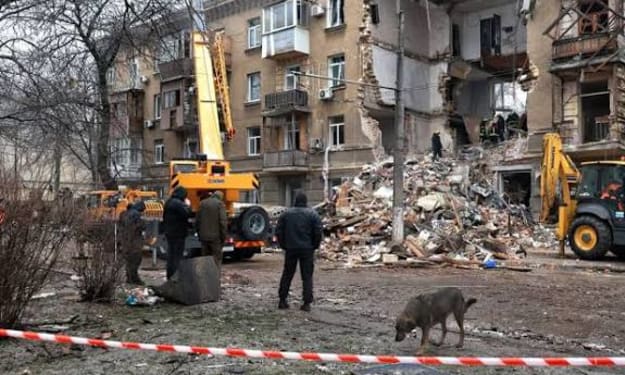
Attacks on energy infrastructure raise humanitarian and security concerns across Europe The European Union’s foreign policy chief has warned that Russia is attempting to break Ukraine’s resistance by targeting both cities and essential energy systems, leaving civilians exposed to cold, darkness, and fear. The strategy, described as an effort to “bomb and freeze” Ukrainians into submission, has renewed concerns about the humanitarian impact of the war as winter deepens. As missile and drone strikes continue to hit power plants, heating systems, and water facilities, millions of Ukrainians face daily challenges that go far beyond the battlefield. European leaders say the attacks highlight the urgent need for continued international support for Ukraine. A Strategy Beyond the Front Lines Military analysts say the focus on energy infrastructure marks a shift toward psychological and civilian pressure rather than purely military targets. By disrupting electricity and heating, Russia appears to be aiming to weaken morale and strain Ukraine’s ability to function as winter temperatures drop. Homes without heat, hospitals relying on generators, and communities facing rolling blackouts create conditions that affect every aspect of daily life. EU officials argue that such tactics are designed to exhaust the population and force political concessions. Winter as a Weapon Cold weather has become a major factor in the conflict. In many parts of Ukraine, winter temperatures fall well below freezing. Without reliable electricity and heating, families struggle to stay warm, cook food, and access clean water. Humanitarian organizations report increased risks of: Hypothermia among vulnerable groups Disrupted medical services Food supply challenges Displacement as families seek safer areas European leaders say using winter conditions as leverage raises serious ethical and legal questions under international humanitarian law. Impact on Civilians The civilian toll continues to grow. While air defense systems have intercepted many incoming attacks, enough strikes still get through to cause widespread disruption. Parents worry about keeping children warm. Elderly residents face isolation and health risks. Schools are forced to close or operate remotely. For many Ukrainians, daily survival has become as much about enduring the cold as avoiding explosions. The EU’s foreign policy chief emphasized that targeting civilian infrastructure does not weaken military forces alone—it directly harms ordinary people. Europe’s Response In response to the ongoing attacks, the European Union has: Increased humanitarian aid deliveries Supplied generators and emergency heating equipment Expanded energy infrastructure support Continued military and financial assistance to Ukraine EU officials stress that helping Ukraine restore power quickly is critical not only for comfort but for national resilience. Keeping lights on and homes heated sends a message that the country cannot be easily broken. Broader Security Concerns European leaders warn that the conflict’s effects extend beyond Ukraine’s borders. Energy instability, refugee flows, and regional security risks affect the entire continent. There is also concern that allowing attacks on civilian infrastructure to succeed could set a dangerous precedent. EU officials argue that failure to respond firmly may encourage similar tactics in future conflicts elsewhere. International Law and Accountability Human rights groups continue to document damage to civilian infrastructure, gathering evidence for potential future investigations. Attacks that deliberately target civilian populations or essential services may violate international law. The EU has repeatedly called for accountability, stating that those responsible for targeting civilians must face consequences. While legal processes take time, documentation remains a priority. Ukraine’s Resilience Despite the pressure, Ukrainian officials highlight the country’s resilience. Engineers work around the clock to repair power lines. Communities share generators. Volunteers deliver supplies to the most vulnerable. This resilience, European leaders say, is one reason the strategy of freezing civilians into submission has not achieved its intended effect. The Road Ahead As winter continues, the situation remains fragile. The EU warns that continued attacks on energy infrastructure could worsen humanitarian conditions if support slows or repairs fall behind. European leaders insist that sustained assistance is essential. They argue that helping Ukraine endure winter conditions is not just about survival, but about defending the principle that civilians should never be used as tools of war. Conclusion The EU’s warning that Russia is trying to bomb and freeze Ukrainians into submission underscores the changing nature of modern conflict. By targeting energy systems and civilian infrastructure, the war has expanded far beyond the front lines. As winter tightens its grip, the humanitarian stakes continue to rise. European leaders maintain that supporting Ukraine through this period is critical—not only for the country’s survival, but for upholding international norms that protect civilians during war.
By Fiaz Ahmed 25 days ago in The Swamp
Catherine Joins Wellbeing Walk in the Peak District. AI-Generated.
A public moment that highlights the power of nature, recovery, and mental health Catherine’s recent wellbeing walk in the Peak District has drawn widespread attention, not just because of who she is, but because of what the moment represents. Taking part in a gentle walk through one of Britain’s most scenic national parks, Catherine highlighted the growing importance of mental health, recovery, and the healing role of nature in everyday life. The event was calm and understated, yet deeply symbolic. It showed how time outdoors, simple movement, and connection with others can support wellbeing—messages that resonate strongly with people across the UK and beyond. A Walk With a Purpose The wellbeing walk was designed to promote the benefits of physical activity and time in nature for mental and emotional health. Rather than focusing on performance or distance, the walk emphasized mindfulness, reflection, and shared experience. Catherine’s participation added visibility to the initiative, encouraging people of all ages to consider how small, manageable activities can make a meaningful difference to overall wellbeing. Her presence reinforced the idea that wellness is not about perfection, but about balance and consistency. Why the Peak District Matters The Peak District, known for its rolling hills, open landscapes, and quiet trails, provided an ideal setting for the event. As the UK’s first national park, it has long been associated with: Accessibility to nature Mental clarity and stress reduction Physical activity for all ability levels Studies have shown that spending time in green spaces can reduce anxiety, improve mood, and support long-term mental health. By choosing the Peak District, the walk highlighted how local natural spaces can be powerful tools for wellbeing. The Link Between Nature and Mental Health Mental health professionals often emphasize the value of nature-based activities. Walking outdoors offers several benefits: Gentle exercise that supports heart and joint health Reduced stress through fresh air and natural surroundings Improved focus and emotional balance Opportunities for social connection Catherine’s involvement helped bring these benefits into public conversation, encouraging people to prioritize their mental health in simple, practical ways. A Message of Balance and Recovery While the walk itself was modest, its message was significant. Catherine’s participation reflected a broader shift toward open conversations about health, recovery, and self-care. Public figures increasingly use their platforms to normalize rest, reflection, and gradual healing. By choosing a low-pressure, nature-focused event, Catherine demonstrated that wellbeing does not require dramatic gestures. Sometimes, progress comes through small steps, taken consistently and with intention. Public Response and Awareness The public response to the wellbeing walk was largely positive. Many people praised the focus on mental health and the reminder that: Wellness looks different for everyone Recovery is not linear Taking time for oneself is not a weakness Social media discussions reflected appreciation for the walk’s simplicity and authenticity. For many, it served as a reminder to slow down and reconnect with both nature and personal wellbeing. Encouraging Community Participation Beyond the symbolic value, the event also encouraged community engagement. Wellbeing walks are accessible, low-cost activities that can be organized by: Local councils Health organizations Community groups Schools and workplaces Catherine’s involvement helped raise awareness of how communities can support mental health through inclusive outdoor activities. The Role of Public Figures in Mental Health Advocacy Public figures have a unique ability to shape conversations around health. When they participate in events like wellbeing walks, they help: Reduce stigma around mental health Encourage early self-care Promote healthier lifestyle choices Catherine’s presence sent a clear message that mental health deserves attention and care, regardless of status or background. Looking Ahead The wellbeing walk in the Peak District may seem like a small moment, but its impact extends beyond a single day. It reinforces the importance of: Staying active in gentle, sustainable ways Using nature as a source of healing Supporting open dialogue about mental health As more people seek balance in a fast-paced world, events like this offer a reminder that wellbeing often begins with simple actions and mindful choices. Conclusion Catherine joining a wellbeing walk in the Peak District was more than a public appearance—it was a statement about the value of nature, movement, and mental health. The event highlighted how small, intentional activities can support recovery and emotional wellbeing. By choosing a peaceful walk in one of the UK’s most beautiful landscapes, Catherine helped amplify a message that resonates widely: taking care of mental health starts with slowing down, stepping outside, and taking one step at a time.
By Fiaz Ahmed 25 days ago in Longevity
Navantia UK Marks One Year Since Harland and Wolff Buy. AI-Generated.
A year of transformation, challenges, and renewed ambition for British shipbuilding One year after Navantia UK completed its acquisition of Harland and Wolff, the historic shipbuilding company is showing early signs of recovery, stability, and renewed purpose. The deal, widely seen as a lifeline for one of the UK’s most iconic industrial names, has reshaped the future of British shipbuilding while strengthening ties between the UK and Spain’s naval industry. Harland and Wolff, best known for building the Titanic, had faced years of financial uncertainty before the takeover. Navantia’s purchase marked a turning point, bringing new investment, technical expertise, and access to international defense contracts. Why the Acquisition Mattered Before the acquisition, Harland and Wolff struggled with cash flow problems, delayed contracts, and uncertainty over its long-term survival. The company’s four UK shipyards—Belfast, Appledore, Methil, and Arnish—were at risk, threatening thousands of skilled jobs. Navantia UK, backed by the Spanish state-owned defense giant Navantia, stepped in with a clear plan: Stabilize operations Protect jobs Modernize facilities Integrate the yards into global naval supply chains For the UK government, the deal aligned with national goals to strengthen domestic shipbuilding capacity and support long-term defense programs. Progress Over the Past Year In the year since the acquisition, Navantia UK has focused on rebuilding confidence and restoring operational stability. Key developments include: Financial restructuring to stabilize cash flow Investment in infrastructure, including upgraded equipment and facilities Retention of skilled workers, preventing major job losses New contracts and partnerships, particularly in defense and offshore energy While progress has not been without challenges, industry observers note that the company is now on firmer footing than it was a year ago. Role in UK Defense Programs One of the most important aspects of the acquisition has been Harland and Wolff’s role in major UK defense projects. The shipyards are involved in: Fleet Solid Support (FSS) ships for the Royal Navy Offshore patrol and support vessels Maintenance and fabrication work linked to naval modernization Navantia’s experience in building advanced warships for international clients has strengthened Harland and Wolff’s technical capabilities. This collaboration has improved efficiency and increased confidence among government and defense stakeholders. Economic and Regional Impact The acquisition has had a noticeable impact on regional economies, particularly in Northern Ireland and Scotland. Shipbuilding is not only a source of employment but also a driver of: Apprenticeships and training programs Local supply chains Engineering and manufacturing skills Navantia UK has emphasized workforce development, working with local colleges and training centers to build the next generation of shipbuilders. This focus is seen as essential to ensuring the long-term sustainability of the industry. Challenges Still Ahead Despite positive momentum, challenges remain. These include: Rising material and energy costs Competition from international shipbuilders Pressure to deliver complex projects on time and within budget Long-term uncertainty in global defense spending Industry experts stress that continued government support and careful project management will be critical to maintaining progress. Strengthening UK–Spain Industrial Ties Beyond shipbuilding, the acquisition has strengthened industrial cooperation between the UK and Spain. Navantia’s presence in the UK creates opportunities for: Technology sharing Joint research and development Export collaboration This partnership reflects a broader trend in defense industries, where cross-border cooperation is increasingly necessary to manage costs and deliver advanced capabilities. Industry Reaction The first anniversary of the acquisition has been met with cautious optimism. Trade unions, industry leaders, and local officials have welcomed the renewed stability but continue to call for: Long-term investment guarantees Clear pipelines of future work Continued skills development Many see the acquisition as proof that historic industrial assets can be revived with the right combination of investment and strategic vision. Looking Ahead As Navantia UK enters its second year of ownership, the focus is shifting from stabilization to growth. Priorities include: Winning new defense and commercial contracts Expanding offshore renewable energy work Improving productivity across all four shipyards Strengthening the UK’s position in global shipbuilding markets The success of these goals will determine whether the acquisition becomes a long-term success story or simply a temporary rescue. Conclusion One year after Navantia UK acquired Harland and Wolff, the shipbuilder is in a stronger position than it was before the deal. While challenges remain, the acquisition has delivered stability, protected jobs, and reopened pathways for growth. For the UK shipbuilding industry, the partnership represents a renewed commitment to industrial capability, skilled labor, and international collaboration. As Navantia UK builds on its first year, the coming months will be critical in shaping the future of one of Britain’s most historic industrial names.
By Fiaz Ahmed 25 days ago in The Swamp
Ukrainian Armor Develops FPV Drone With 120mm Mortar Round. AI-Generated.
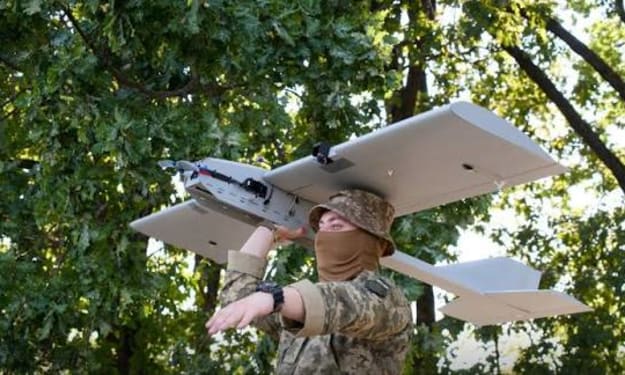
Innovative military technology could change battlefield tactics Ukrainian defense engineers have announced the development of a first-person view (FPV) drone capable of carrying a 120mm mortar round, marking a significant step forward in battlefield innovation. This development comes amid ongoing conflict in the region, where both defensive and offensive technologies are evolving rapidly. The new FPV drone combines remote aerial maneuverability with heavy firepower, allowing operators to engage targets with precision while minimizing risks to personnel. Experts suggest this technology could have major implications for modern warfare, particularly in asymmetric and urban combat scenarios. What Is an FPV Drone With a Mortar Round? FPV drones allow operators to see the drone’s perspective in real time, often through goggles or a screen. Unlike standard surveillance drones, the Ukrainian FPV drone is designed to carry and deploy a 120mm mortar round, a type of explosive weapon traditionally launched from a stationary mortar tube. Key features of the drone include: Aerial maneuverability to navigate complex terrain Live video feed for accurate targeting Payload capacity to carry heavy ordnance safely Potential for precision strikes in areas inaccessible to conventional artillery This combination of technology enables soldiers to deliver firepower more flexibly, reducing exposure to enemy fire and improving operational efficiency. Potential Advantages on the Battlefield Military analysts note several advantages that FPV mortar drones could provide: Precision Targeting Operators can adjust flight paths and deploy rounds with high accuracy, reducing collateral damage. Rapid Deployment Unlike traditional mortars, which require setup and repositioning, drones can reach targets quickly from different angles. Minimized Risk to Personnel Drones can be operated remotely, keeping soldiers out of harm’s way during attacks. Urban Combat Capability The maneuverable design allows drones to navigate tight spaces in urban environments where conventional artillery might be less effective. Psychological Impact The presence of armed drones can influence enemy behavior, creating uncertainty and forcing defensive adjustments. Challenges and Considerations Despite its potential, the FPV drone with a mortar round also presents challenges: Payload Limitations: Carrying a heavy mortar round affects flight stability and battery life. Operational Training: Drone operators require specialized skills to manage flight, targeting, and ordnance deployment safely. Vulnerability to Countermeasures: Drones may be targeted by anti-aircraft systems or electronic warfare measures. Ethical and Legal Concerns: Deploying drones with explosives raises questions about rules of engagement and civilian safety. Experts stress that while innovative, such technologies must be integrated carefully into military strategy to maximize effectiveness and reduce unintended risks. Global Context of Armed Drones The development of armed drones is part of a broader trend in modern warfare. Many countries are exploring unmanned aerial systems (UAS) for precision strikes, reconnaissance, and logistics. FPV drones with heavy ordnance are particularly relevant in conflicts where: Traditional artillery may be restricted by geography or infrastructure Rapid tactical response is essential Minimizing personnel exposure is a priority Ukrainian innovation reflects this trend, combining advanced drone technology with conventional artillery in a new, potentially transformative way. Implications for Future Combat The Ukrainian FPV drone could influence how military planners approach urban combat, defensive positioning, and strike strategy. Potential implications include: Increased reliance on unmanned systems for frontline operations Evolution of anti-drone countermeasures to defend against remote strikes Integration of real-time intelligence with weapons delivery for faster decision-making Changes in tactical training to account for aerial threats in both offensive and defensive contexts Military analysts predict that innovations like this could accelerate the shift toward unmanned and semi-autonomous warfare, particularly in high-intensity conflict zones. Expert Opinions Defense experts note that combining FPV drone technology with traditional mortar rounds is a clever adaptation that leverages existing weaponry in a new format. Strategic Analyst Maria Kovalenko says: “This approach allows forces to project firepower safely and accurately, potentially redefining small-unit tactics.” Drone Technology Specialist Alexei Petrov adds: “The challenge will be balancing payload and maneuverability. If successful, it could serve as a model for other countries developing similar systems.” The technology also reflects a broader push in Ukraine to modernize defense capabilities amid ongoing geopolitical tensions. Conclusion The development of an FPV drone capable of carrying a 120mm mortar round represents a major innovation in military technology. By combining mobility, precision, and firepower, Ukrainian engineers have created a tool that could transform battlefield tactics, particularly in urban and asymmetric warfare. While challenges remain—including payload limits, operational complexity, and countermeasure vulnerability—the potential advantages in speed, accuracy, and personnel safety are clear. This development underscores the ongoing evolution of warfare, where drones increasingly play a central role in both offensive and defensive strategies. As conflicts continue to evolve, the integration of unmanned systems with traditional weaponry may become a key determinant of tactical success, highlighting the importance of innovation in modern defense.
By Fiaz Ahmed 25 days ago in The Swamp
How a Cut on the Foot Led to a Dangerous Infection While Pregnant. AI-Generated.
Small injuries can become serious health risks during pregnancy Pregnancy is a time when even minor injuries can have significant consequences. A simple cut on the foot, often seen as trivial, can sometimes lead to dangerous infections, particularly during pregnancy. The combination of changes in the immune system, circulation, and hormonal shifts can make pregnant individuals more vulnerable to complications. Medical professionals emphasize that prompt attention to cuts, scrapes, and wounds is essential to prevent infections that could threaten both the mother and the baby. The Case of a Cut That Escalated Consider the story of Emma, a 28-year-old pregnant woman. While gardening, she accidentally cut her foot on a thorn. Initially, she cleaned the wound, applied a bandage, and thought little of it. However, within a few days, she noticed: Redness spreading around the cut Swelling and warmth Increasing pain Mild fever By the time she sought medical care, the infection had progressed significantly. Tests revealed a bacterial infection that required immediate treatment to prevent more severe complications. Why Pregnancy Increases Risk During pregnancy, the body undergoes several changes that make infections more dangerous: Weakened Immune Response The immune system adapts to support the developing fetus, which can reduce the body’s ability to fight off bacteria effectively. Changes in Blood Circulation Increased blood volume and changes in circulation can sometimes slow the healing process and allow infections to spread more easily. Hormonal Shifts Hormones like progesterone affect skin elasticity and tissue repair, which may make cuts more susceptible to bacteria. These factors combined mean that a small cut can quickly escalate into a serious infection if not treated promptly. Signs of Infection to Watch For Medical experts recommend that pregnant individuals pay close attention to any wound, even if it seems minor. Common warning signs include: Redness and swelling beyond the cut itself Pus or unusual discharge Warmth or throbbing pain Fever or chills Rapid spreading of the affected area If any of these symptoms appear, seeking immediate medical attention is critical to prevent further complications. Potential Complications Left untreated, infections during pregnancy can lead to serious issues for both mother and baby, including: Sepsis: A life-threatening systemic infection that can spread through the body Preterm labor: Infections can trigger early contractions Low birth weight: Maternal infections may affect fetal growth Necrotizing infections: Severe bacterial infections that destroy tissue These risks underscore the importance of treating even small injuries seriously. Steps to Prevent Infection Pregnant individuals can take practical steps to reduce the risk of infection from minor cuts: Clean the Wound Immediately Use mild soap and water to remove dirt and debris. Avoid harsh chemicals that can irritate the skin. Apply an Appropriate Dressing Cover the wound with a clean bandage and change it regularly to keep the area protected. Monitor Closely Check the cut daily for redness, swelling, or discharge. Seek Prompt Medical Advice If signs of infection appear, consult a healthcare provider immediately. Antibiotics may be prescribed, and certain medications are safe to use during pregnancy under medical supervision. Maintain General Health A balanced diet, good hydration, and proper prenatal care strengthen the immune system and support wound healing. When to Contact a Doctor Even if a cut seems minor, pregnant individuals should contact a healthcare provider if: The wound does not start healing within a couple of days Redness or swelling spreads quickly There is pus, foul odor, or discharge Fever or chills develop Early treatment can prevent serious complications and ensure both mother and baby remain safe. Lessons From Real Cases Emma’s story is not unique. Healthcare providers report numerous cases where minor injuries escalated during pregnancy due to delayed care or underestimating the risks. These examples highlight the importance of awareness and taking even small injuries seriously. Pregnancy requires extra caution because the body’s natural defenses are temporarily altered, and infections can progress more rapidly than in non-pregnant individuals. Conclusion A cut on the foot may seem minor, but during pregnancy, even small wounds can lead to dangerous infections. Changes in the immune system, circulation, and hormones increase susceptibility and can make complications more severe. Pregnant individuals should treat every cut seriously, monitor for warning signs, and seek medical attention promptly. Early action can prevent serious health risks and ensure the safety of both mother and baby. This case serves as a reminder that vigilance, care, and prompt medical consultation are essential during pregnancy—even for seemingly small injuries.
By Fiaz Ahmed 25 days ago in Longevity
Major Study Links Being a Night Owl to Higher Heart Attack and Stroke Risk. AI-Generated.
New research suggests late-night habits may affect heart health A recent major study has revealed a significant link between being a night owl—someone who prefers staying up late and waking up late—and a higher risk of heart attack and stroke. The findings add to a growing body of research suggesting that sleep patterns can have a major impact on cardiovascular health, beyond just the number of hours slept. Researchers analyzed the health outcomes of tens of thousands of participants, tracking their sleep habits, lifestyle, and medical histories. The results suggest that people who go to bed late and rise late may face increased cardiovascular risks, even when controlling for factors like age, diet, and physical activity. What the Study Found The study observed participants over several years, examining the relationship between sleep timing and cardiovascular events. Key findings include: Night owls were more likely to suffer heart attacks and strokes compared to early risers. The risk was especially pronounced among those who consistently stayed up past midnight. Late sleepers often had higher levels of stress, disrupted circadian rhythms, and poorer metabolic health, which could contribute to heart problems. The research does not suggest that staying up late automatically causes heart disease, but it highlights a strong correlation between late-night habits and cardiovascular risk. Why Night Owls May Be at Greater Risk Experts point to several factors that may explain why night owls are more vulnerable: Circadian Rhythm Disruption The body’s internal clock regulates sleep, hormone release, and metabolic functions. Late-night habits can disrupt this rhythm, affecting heart rate, blood pressure, and inflammation levels. Lifestyle Factors Night owls may engage in behaviors that increase cardiovascular risk, such as irregular eating patterns, late-night snacking, or reduced physical activity during daylight hours. Sleep Quality and Duration Even when night owls get enough total sleep, their sleep may be less restorative due to misalignment with natural light-dark cycles. Poor-quality sleep is a known risk factor for heart disease. Stress and Hormonal Imbalance Irregular sleep schedules can increase stress hormones like cortisol, which can raise blood pressure and contribute to heart disease over time. Health Implications for Night Owls For those who naturally prefer staying up late, the study emphasizes the importance of proactive heart health management. Recommendations include: Regular Check-Ups: Monitoring blood pressure, cholesterol, and blood sugar can help detect early signs of cardiovascular risk. Consistent Sleep Schedule: Even night owls can benefit from gradually aligning their sleep with natural circadian rhythms. Healthy Lifestyle Choices: Regular exercise, a balanced diet, and limiting late-night snacking can reduce risk factors. Stress Management: Meditation, mindfulness, and relaxation techniques can counter the effects of disrupted sleep on stress hormones. Medical professionals stress that small adjustments can make a meaningful difference for long-term heart health. Broader Research Context This study adds to a growing recognition that chronotype—whether someone is a morning or evening person—matters for health outcomes. Previous research has linked night owl tendencies to: Higher rates of obesity and diabetes Increased risk of depression and anxiety Lower overall life expectancy in some population studies By focusing specifically on heart attack and stroke risk, this study provides more targeted insight into the cardiovascular consequences of late-night habits. Not All Night Owls Are at Equal Risk It’s important to note that not all night owls face the same level of risk. Factors such as genetics, overall health, diet, and exercise habits play a significant role. Additionally, occasional late nights are unlikely to cause serious heart problems; the risk is more associated with consistent late-night behavior over years. Experts encourage people to assess their overall lifestyle rather than focus solely on sleep timing. Adjusting habits gradually can help mitigate risk without completely changing natural sleep preferences. Advice for Individuals and Employers The findings have implications not just for individuals but also for workplaces: Employers may consider flexible scheduling to accommodate natural chronotypes, helping employees get restorative sleep. Public health campaigns could raise awareness about the link between sleep patterns and cardiovascular health. Individuals can take control by tracking sleep patterns and making incremental changes to improve alignment with natural rhythms. Small shifts, such as going to bed 30 minutes earlier or limiting late-night screen exposure, can improve sleep quality and support heart health over time. Conclusion The study linking night owl habits to higher heart attack and stroke risk highlights the importance of sleep timing as a key factor in cardiovascular health. While staying up late is a natural preference for many, consistent late-night routines may contribute to increased heart risks over time. Experts recommend monitoring overall health, maintaining a consistent sleep schedule, and adopting healthy lifestyle habits. By making small, informed adjustments, night owls can protect their hearts and reduce the risk of serious cardiovascular events. This research underscores a simple yet powerful message: when you sleep may be just as important as how long you sleep.
By Fiaz Ahmed 25 days ago in Longevity
Why China Views the UK Visit as Part of Something Bigger. AI-Generated.
Diplomatic visit signals broader strategic ambitions and global positioning China’s recent high-level visit to the United Kingdom has attracted attention from governments, analysts, and media worldwide. While the trip included trade discussions, cultural exchanges, and formal meetings, Chinese observers view it as part of a larger strategy to strengthen global influence and secure strategic partnerships. This perspective is rooted in China’s broader foreign policy objectives, which combine economic expansion, diplomatic engagement, and long-term geopolitical planning. Understanding why Beijing sees the UK visit as more than a routine diplomatic engagement requires examining the context of bilateral relations, regional dynamics, and global trends. Trade and Economic Cooperation Economic ties between China and the United Kingdom have grown steadily over the past decade. During the visit, discussions centered on: Increasing bilateral trade Investment in technology and infrastructure Collaboration on green energy and climate initiatives For China, the visit represents an opportunity to expand its economic footprint in Europe and demonstrate that it is a reliable partner for high-value trade and investment. Officials view this as part of a broader strategy to integrate into multiple global markets, securing long-term influence while counterbalancing other major powers. Strategic Signaling to Global Partners China’s engagement with the UK also serves as a signal to other global players. By emphasizing strong diplomatic ties with London, Beijing demonstrates: Its ability to maintain high-level relations with major Western powers Flexibility in navigating complex geopolitical landscapes Commitment to global cooperation under Chinese terms Analysts suggest that China sees such visits as a way to shape international perception, showing that it can engage constructively with influential nations without yielding its core strategic interests. Technology and Innovation Collaboration The visit included discussions on technology partnerships, particularly in areas like: Artificial intelligence 5G networks Sustainable energy solutions China views cooperation in high-tech sectors as crucial for its long-term competitiveness. Collaboration with the UK provides both practical benefits and a symbolic demonstration of China’s technological ambitions, signaling to other nations that it is a global innovator, not just a manufacturing powerhouse. Soft Power and Cultural Diplomacy In addition to trade and technology, the visit included cultural diplomacy initiatives: Academic exchanges Arts and cultural showcases Tourism promotion For China, soft power is a key element of broader strategy. These efforts aim to enhance China’s image abroad, foster mutual understanding, and create a favorable environment for long-term economic and political cooperation. By combining soft power with formal diplomacy, Beijing demonstrates that its strategy is multi-layered and long-term. Balancing Relations With Europe and the U.S. China also sees the UK visit in the context of its broader relations with Europe and the United States. With tensions in U.S.–China relations over trade, technology, and security, engagement with the UK offers: A European counterbalance to U.S. influence A platform for negotiating strategic partnerships independently of Washington Opportunities to expand diplomatic and trade influence in Western markets This approach reflects China’s aim to diversify its international partnerships, reducing dependence on any single global bloc and strengthening its negotiating position. Political Messaging and Domestic Perception High-profile diplomatic visits are not only about external relations—they also serve domestic purposes. For Chinese leadership, showcasing successful engagement with major powers like the UK: Reinforces the government’s image as capable and globally respected Demonstrates that China can navigate complex international challenges Bolsters national confidence in the country’s strategic direction In this sense, the UK visit is seen as part of a broader narrative of China’s rise and diplomatic maturity. Challenges and Criticism Despite the positive framing, analysts caution that China’s ambitions face challenges: Skepticism from Western governments about Chinese strategic intentions Trade disputes or regulatory concerns that could hinder cooperation Public opinion and media scrutiny in host countries Managing these challenges requires careful diplomacy, messaging, and incremental progress, all of which appear to have been factored into the visit’s planning. Implications for Global Diplomacy China’s framing of the UK visit as part of a larger strategy underscores the interconnected nature of modern diplomacy. Each high-level visit carries multiple layers of significance: Economic and trade outcomes Strategic signaling to allies and competitors Domestic political reinforcement Soft power influence Observers suggest that future engagements with other major powers will likely follow similar patterns, reflecting a cohesive, multi-dimensional foreign policy. Conclusion China views the UK visit as more than a routine diplomatic engagement; it is a strategic step in a larger plan to strengthen global influence, secure economic partnerships, and enhance soft power. By combining trade, technology collaboration, cultural diplomacy, and political signaling, Beijing demonstrates a long-term vision that extends beyond immediate bilateral gains. For the UK and global observers, understanding China’s broader intentions is essential to navigating future interactions and maintaining balanced, informed relations. The visit highlights that in international diplomacy, even seemingly straightforward trips can have far-reaching implications for global strategy.
By Fiaz Ahmed 25 days ago in The Swamp
What Does the US Want From Iran? Tracking One Month of Trump’s Changing Demands. AI-Generated.
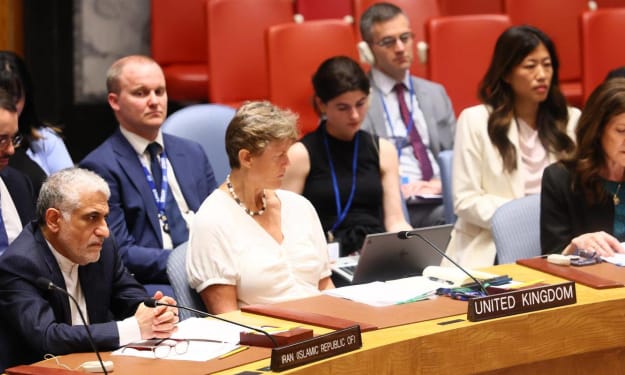
Policy shifts and evolving statements create uncertainty in Tehran and Washington Over the past month, the United States’ approach to Iran has drawn intense attention as policymakers, media, and analysts try to track the administration’s evolving demands. From nuclear agreements to regional behavior, statements from Washington have ranged from strict ultimatums to more flexible proposals, leaving observers questioning the exact objectives of U.S. policy. The rapid changes highlight the complexity of U.S.–Iran relations, where strategic, political, and domestic considerations intersect. Understanding these shifts requires examining key statements, policy signals, and the broader context of American foreign strategy. Nuclear Compliance Remains Central One consistent theme is the U.S. focus on Iran’s nuclear program. Over the past month, officials repeatedly emphasized that Tehran must limit enrichment activities, allow inspections, and comply with previous agreements. However, the language has varied: Early in the month, officials demanded complete cessation of enrichment and dismantling of certain facilities. Later statements suggested that negotiated limits could be acceptable if they included rigorous verification measures. This shifting language has created uncertainty about whether Washington is pursuing maximalist goals or practical, enforceable compromises. Regional Behavior Under Scrutiny Beyond nuclear issues, the U.S. has also highlighted concerns about Iran’s influence in the Middle East. Officials have cited: Military support for proxy groups Activities in Iraq, Syria, and Yemen Missile development programs Initially, demands were framed as requiring Iran to halt all regional interventions, a broad expectation that critics described as politically challenging. Later statements focused on reducing destabilizing activities and adhering to United Nations resolutions, suggesting a more targeted approach. Sanctions and Economic Pressure Economic leverage continues to play a key role in U.S. strategy. Over the month: Some statements suggested tightened sanctions on key industries, including energy and banking. Others indicated potential relief if Iran agreed to specific concessions, signaling that the U.S. is prepared to negotiate based on compliance. Analysts note that this dual approach—pressure combined with conditional incentives—is designed to shape Tehran’s calculations without immediate military intervention. Political Messaging and Domestic Factors U.S. statements about Iran are also influenced by domestic politics. The administration must balance: Appealing to voters concerned about national security Showing strength in foreign policy Avoiding escalation that could lead to direct conflict This balancing act helps explain why public statements sometimes appear inconsistent or contradictory. Policy decisions are often shaped as much by political signaling as by strategic calculation. Responses From Tehran Iran has reacted cautiously to the U.S. messaging. Officials have reiterated that: Nuclear programs are for peaceful purposes Regional activities are defensive or supportive of allies External demands must respect sovereignty and past agreements The mixed U.S. messaging has complicated negotiations, as Iranian leaders struggle to determine which demands are flexible and which are non-negotiable. Challenges for Diplomacy The rapid shifts in U.S. demands highlight several challenges for diplomatic efforts: Clarity – Iran needs precise guidelines to respond meaningfully. Consistency – Frequent changes undermine trust and planning. Verification – Both sides must agree on inspection and monitoring protocols. Without clear parameters, the risk of miscalculation or stalemate increases, potentially escalating regional tensions. Impact on Global Observers Allies and regional partners are watching closely. Nations like the EU, Israel, and Gulf states are affected by the evolving U.S. stance. Their responses range from support for pressure measures to calls for cautious dialogue, reflecting concern about: Stability in oil markets Military escalation risks Diplomatic credibility These global dynamics underscore that U.S.–Iran relations are not confined to bilateral issues but have broader international implications. Looking Ahead Observers suggest that the next few weeks will be critical. Key indicators include: The tone of official statements from the White House and State Department Actions regarding sanctions enforcement or relief Diplomatic engagement with European and regional partners How the U.S. balances strict demands with potential negotiation could determine whether tensions escalate or lead to a structured diplomatic process. Conclusion Over one month, the U.S. approach to Iran has shown a mix of strict demands and potential flexibility, reflecting strategic objectives, domestic politics, and regional concerns. Nuclear compliance, regional behavior, and economic pressure remain central, but the shifting language has created uncertainty for Tehran and global observers alike. Understanding U.S. intentions requires recognizing that policy is shaped by multiple pressures and that public statements may not fully capture the negotiation dynamics behind the scenes. As both nations navigate this period, clarity, consistency, and careful diplomacy will be essential to avoid escalation and maintain a pathway for negotiation.
By Fiaz Ahmed 25 days ago in The Swamp
After Naval Drills With Iran, South Africa Faces New U.S. Scrutiny. AI-Generated.
Military cooperation raises questions about alliances and regional security South Africa is facing fresh scrutiny from the United States following recent naval drills conducted with Iran in the Indian Ocean. While South African officials emphasize the exercises were routine and aimed at strengthening maritime security, U.S. analysts and policymakers have expressed concern over the implications for international relations and regional stability. The development comes amid heightened attention to Iran’s military presence and influence in global waters. The U.S. has historically been cautious about any nation participating in naval exercises with Tehran, citing security and strategic concerns. South Africa’s decision has sparked debate over balancing sovereignty, security interests, and international diplomacy. The Naval Drills and Their Purpose According to South Africa’s Ministry of Defence, the naval exercises focused on maritime safety, search and rescue operations, and anti-piracy measures. The drills involved multiple Iranian vessels and South African naval ships navigating the strategic waters of the Indian Ocean. Officials stress that these exercises were not intended as a political statement and were aimed purely at improving operational skills and international cooperation in securing shipping lanes. Piracy and maritime crime remain significant challenges in the region, making such joint exercises relevant from a practical standpoint. U.S. Concerns and Scrutiny Despite South Africa’s assurances, the U.S. has flagged the drills as a potential issue. Washington is particularly cautious because of: Iran’s involvement in broader geopolitical tensions Concerns over the transfer of military knowledge and technology The potential perception of South Africa aligning with nations opposed to U.S. interests Analysts note that while South Africa is not under sanctions for its military cooperation, the optics of working closely with Iran can strain relations with Washington, a key ally in global security initiatives. South Africa’s Position South African officials have defended the exercises, highlighting that: The drills were part of routine maritime collaboration They focused on non-combat areas like search and rescue South Africa maintains independent foreign policy decisions Foreign Minister representatives emphasized that cooperation with multiple countries at sea is common practice, and engaging with Iran does not imply endorsement of all Iranian policies. Regional and Strategic Implications The Indian Ocean is a vital maritime corridor for global trade, including oil and gas shipments. Security in these waters is critical for regional and global stability. South Africa’s participation in drills with Iran may be viewed as: Strengthening maritime security through multilateral exercises Sending a message that the country pursues independent defense partnerships Potentially complicating relationships with countries that have adversarial positions toward Iran Some security experts suggest that while the exercises are technically defensive, perception matters as much as reality in international relations. Historical Context South Africa has a history of maintaining a non-aligned and independent foreign policy, often engaging with countries outside traditional Western alliances. During the Cold War, Pretoria navigated complex global dynamics while balancing domestic and international priorities. The current naval exercises reflect this tradition of pragmatic engagement, aimed at enhancing capabilities without committing to political alignments. Potential Impact on U.S.–South Africa Relations While the naval drills are unlikely to cause an outright diplomatic rift, they may prompt: Closer scrutiny of South African defense cooperation Increased U.S. diplomatic engagement to clarify intentions Discussions about how South Africa manages relationships with countries under international scrutiny Some analysts warn that repeated engagements with Iran could lead Washington to reconsider strategic and military support initiatives, though this is still speculative. Balancing Security and Diplomacy South Africa’s government faces a delicate balancing act. On one hand, regional security requires cooperation with multiple partners, including Iran. On the other, South Africa must maintain good relations with major powers like the United States to ensure continued access to military technology, training, and strategic support. The situation highlights the challenges nations face when pursuing independent foreign policies in a polarized geopolitical environment. Public and Political Response in South Africa Within South Africa, reactions are mixed. Some political commentators argue that engaging with Iran demonstrates sovereignty and pragmatism, while others warn that such actions could strain vital international partnerships. Veterans and defense experts generally support naval readiness and skills development, emphasizing that the exercises improve operational capacity regardless of political context. Looking Ahead How the U.S. responds could set the tone for future South African defense cooperation. Key considerations include: Transparency in military engagements Clear communication about the non-political nature of exercises Continued focus on maritime safety and anti-piracy efforts Experts suggest that South Africa can maintain independent partnerships while mitigating political risks by emphasizing practical objectives and regional stability. Conclusion South Africa’s participation in naval drills with Iran has brought renewed scrutiny from the United States, underscoring the complex intersection of military cooperation, diplomacy, and international perception. While the exercises are officially focused on security and operational readiness, they highlight how even routine defense activities can carry political and strategic implications. For South Africa, navigating this situation will require careful messaging, maintaining transparency, and balancing national interests with the expectations of global partners. The episode illustrates that in international relations, actions at sea often ripple far beyond the waters in which they occur.
By Fiaz Ahmed 25 days ago in The Swamp
Food Sector Calls for Transition Period if UK and EU Agree Post-Brexit Rules Reset. AI-Generated.
Businesses warn that sudden changes could disrupt supply chains and raise food prices The UK food and drink sector is urging policymakers to introduce a transition period if the United Kingdom and the European Union agree to reset post-Brexit rules. Industry leaders say that while closer alignment could reduce long-term friction, sudden regulatory changes would place heavy pressure on producers, suppliers, and retailers already facing rising costs and tight margins. Since Brexit, the food sector has been one of the industries most affected by new trade barriers. From paperwork delays to higher compliance costs, businesses have struggled to adapt. A possible rules reset offers hope, but only if companies are given enough time to adjust. Why a Rules Reset Is Being Discussed Post-Brexit trade arrangements introduced new checks on goods moving between the UK and EU. These changes affected food more than many other sectors because of strict safety, hygiene, and animal health rules. Recent discussions between UK and EU officials suggest there may be room for: Reduced border checks Greater regulatory cooperation Simplified paperwork for agri-food products Supporters argue that these changes could improve food availability and ease pressure on supply chains. However, businesses caution that how the changes are introduced matters as much as the changes themselves. Why the Food Sector Wants a Transition Period Food producers and distributors operate on long planning cycles. Packaging, labeling, and safety standards are often set months or even years in advance. A sudden regulatory shift could leave businesses with: Non-compliant packaging Delayed shipments Increased waste Unexpected costs Industry groups stress that a transition period would allow companies to update systems gradually, train staff, and avoid unnecessary disruption. Without this buffer, even positive policy changes could have negative short-term effects. Supply Chains Remain Fragile The food sector is still recovering from multiple shocks, including the pandemic, energy price spikes, and labor shortages. Brexit-related changes added another layer of complexity. Many suppliers operate on thin profit margins. Even small disruptions at borders can delay deliveries of fresh food, increasing spoilage and costs. Businesses warn that abrupt rule changes could make the situation worse before it improves. A transition period, they argue, would help stabilize supply chains while new systems are put in place. Impact on Small and Medium-Sized Businesses Smaller food producers are particularly vulnerable. Unlike large corporations, they often lack dedicated compliance teams or legal experts. For these businesses, sudden changes to: Export certification Product labeling Ingredient sourcing can be overwhelming. Industry representatives say that without a clear transition plan, smaller firms may reduce exports or exit EU markets altogether. A phased approach would help protect diversity in the food sector and support regional producers. Consumer Concerns and Food Prices The food sector’s request is not only about business survival. Consumer groups warn that rushed changes could affect food prices and availability. If companies face higher short-term costs, those expenses may be passed on to shoppers. Delays at borders could also reduce the availability of certain products, especially fresh goods imported from the EU. A well-managed transition could help ensure that any long-term benefits of a rules reset do not come at the expense of consumers. Government Balancing Act For UK policymakers, the challenge is balancing political goals with economic reality. A closer relationship with the EU may offer practical benefits, but it also requires careful handling to avoid backlash from businesses and voters. Officials have indicated that any agreement would aim to reduce friction while maintaining regulatory independence. Industry leaders argue that independence does not have to mean instability. Clear timelines, guidance, and phased implementation would help build trust and allow businesses to prepare. Lessons From Previous Changes Businesses point to earlier post-Brexit changes as evidence of why caution is needed. The introduction of new border controls has been delayed multiple times due to concerns about readiness. These delays show that even well-planned systems can take longer than expected to implement. A transition period built into any new agreement would reflect these lessons and reduce the risk of disruption. EU Perspective on Transition From the EU’s perspective, a transition period could also be beneficial. Gradual implementation would allow authorities to: Test new processes Ensure compliance Avoid border congestion Mutual cooperation during a transition could improve trust and make long-term arrangements more effective. Trade experts note that successful agreements often include phased rollouts to ensure smooth adoption. What the Industry Is Asking For Food sector representatives are calling for: Clear timelines for any rule changes Detailed guidance well in advance A realistic transition period for compliance Ongoing dialogue between government and industry They stress that businesses are not resisting change, but asking for predictability and practicality. Conclusion The call for a transition period reflects the food sector’s desire for stability during a time of ongoing change. A post-Brexit rules reset between the UK and EU could bring long-term benefits, but only if implemented carefully. By allowing businesses time to adapt, policymakers can reduce disruption, protect consumers, and strengthen supply chains. As negotiations continue, the success of any agreement may depend less on what is decided and more on how smoothly it is put into practice.
By Fiaz Ahmed 25 days ago in The Swamp
Removal of Flags for Fallen Danish Soldiers at U.S. Embassy Sparks Backlash. AI-Generated.
The removal of flags honoring fallen Danish soldiers at the U.S. Embassy has triggered a strong public and political backlash, highlighting how symbols of remembrance can carry deep national and emotional weight. What may have appeared to be a routine or administrative decision quickly escalated into a sensitive diplomatic issue, raising questions about respect, alliance values, and communication between close partners. Denmark and the United States share a long history of military cooperation, particularly through NATO. For many Danes, the flags represented sacrifice, solidarity, and shared responsibility in international missions. Their removal has therefore been interpreted by critics as more than a procedural change—it is seen as a symbolic dismissal of service and loss. Why the Flags Mattered The flags were displayed to honor Danish soldiers who lost their lives while serving alongside international allies. Such symbols are common in military and diplomatic spaces, where remembrance plays a vital role in maintaining morale and honoring commitment. For families of fallen soldiers, these gestures serve as public recognition that sacrifices are not forgotten. For the broader public, they reinforce national values such as duty, courage, and partnership. The removal of these flags disrupted that sense of acknowledgment, especially in a setting as visible as a foreign embassy. Public Reaction and Backlash News of the flags being taken down spread quickly, sparking widespread reaction across social media and political circles. Many Danes expressed disappointment and anger, viewing the move as disrespectful to those who gave their lives. Veterans’ groups and families of fallen soldiers were among the most vocal critics. They argued that even if the decision was administrative, the lack of explanation amplified frustration and hurt. Some political figures also weighed in, urging clarification and emphasizing the importance of honoring shared sacrifices between allies. Symbolism in Diplomacy Diplomatic spaces are carefully managed environments where symbolism matters greatly. Flags, plaques, and memorials are not merely decorative; they communicate respect, values, and shared history. When such symbols are altered or removed without clear communication, misunderstandings are almost inevitable. Experts note that in diplomacy, intent often matters less than perception. In this case, the absence of immediate explanation allowed speculation to fill the gap, turning a localized decision into a broader diplomatic issue. U.S.–Denmark Military Relationship Denmark has been a consistent contributor to NATO missions and has worked closely with U.S. forces in multiple international operations. This partnership has strengthened ties between the two nations and fostered mutual respect. Given this history, the flag removal was particularly sensitive. Critics argue that honoring fallen soldiers is one of the most basic ways allies show appreciation for one another’s sacrifices. Supporters of the alliance stressed that the controversy does not erase decades of cooperation, but acknowledged that such incidents can strain public trust if not handled carefully. Calls for Explanation and Transparency As backlash grew, calls increased for a clear and transparent explanation from embassy officials. Observers emphasized that even a simple statement outlining the reason for the removal could have reduced public anger. Transparency is especially important when dealing with memorials. Without context, actions can be interpreted in ways never intended by decision-makers. Diplomatic analysts suggest that proactive communication is essential when changes involve sensitive historical or emotional symbols. The Role of Respect in Remembrance Remembrance is not only about the past; it shapes how nations view their present relationships. Honoring fallen soldiers reinforces mutual respect and shared values. Removing symbols of remembrance—intentionally or not—can weaken that message. This incident has reignited discussion about how institutions should handle memorials tied to international cooperation. Many commentators argue that respect should guide all decisions involving military remembrance, regardless of administrative considerations. A Lesson in Diplomatic Sensitivity This controversy serves as a reminder that small actions can have large consequences in international relations. Diplomatic institutions operate under constant public scrutiny, and symbolic decisions rarely go unnoticed. Experts note that embassies, in particular, must balance internal policies with host nation sensitivities. When that balance is disrupted, trust can erode quickly. The situation also highlights the importance of cultural awareness and historical understanding in diplomatic practice. What Happens Next Moving forward, observers expect some form of clarification or corrective action to ease tensions. This could include: A public explanation of the decision Reinstating the flags or introducing an alternative memorial Engaging directly with Danish officials and veterans’ groups Such steps would help restore goodwill and reaffirm respect for shared sacrifices. Conclusion The removal of flags honoring fallen Danish soldiers at the U.S. Embassy has sparked backlash because it touched on deeply held values of remembrance and respect. While the decision itself may not have been intended as a political statement, its impact demonstrates the power of symbols in diplomacy. In an era of close military alliances, honoring sacrifice remains a cornerstone of trust. Clear communication and sensitivity are essential to maintaining that trust. As both nations reflect on the controversy, the episode stands as a reminder that how we remember matters just as much as what we remember.
By Fiaz Ahmed 25 days ago in The Swamp