Fiaz Ahmed Brohi
Bio
I am a passionate writer with a love for exploring and creating content on trending topics. Always curious, always sharing stories that engage and inspire.
Stories (627)
Filter by community
‘If You’re Flushing the Toilet with Grey Water, People Should Know’: How China Turned Rain into an Asset. AI-Generated.
China, a nation grappling with rapid urbanization, rising populations, and the mounting pressures of climate change, has taken an innovative approach to one of humanity’s oldest challenges: water management. In cities stretching from Beijing to Shenzhen, rainwater is no longer merely something to drain away—it’s an asset, captured, reused, and integrated into urban infrastructure. This approach, blending modern engineering with environmental foresight, is redefining how millions of Chinese citizens interact with water, whether it’s drinking, bathing, or flushing their toilets. Grey Water and Urban Innovation One of the key components of China’s water management strategy is the extensive use of grey water. Grey water refers to wastewater from sinks, showers, and washing machines—essentially, water that is not heavily contaminated by human waste. Rather than sending this water directly to treatment plants, cities across China are filtering and redirecting it for secondary purposes, such as irrigation, industrial cooling, and even flushing toilets in residential buildings. As one Chinese environmental engineer candidly put it, “If you’re flushing the toilet with grey water, people should know.” Transparency and public education have been central to the success of these programs, ensuring that residents understand how recycled water is treated and reused safely. This awareness is crucial in overcoming cultural stigma and building public trust around non-traditional water sources. Capturing Rainwater: Turning a Seasonal Resource into Daily Utility China’s approach goes beyond recycling household wastewater. Urban planners have transformed entire cityscapes into rainwater catchment systems. Green rooftops, permeable pavements, and underground storage reservoirs are now common in many Chinese cities. These systems not only mitigate urban flooding during the rainy season but also provide a supplementary water supply during dry periods. In Shenzhen, for instance, a city of over 17 million residents, municipal authorities have installed expansive rainwater harvesting networks. Rainwater is channeled through pipes into filtration systems and stored for later use in gardens, parks, and even residential complexes. These initiatives have reduced dependence on distant reservoirs and groundwater extraction, lowering the ecological footprint of water consumption. Public-Private Partnerships Fueling Progress The scale of China’s urban water innovations would not have been possible without collaboration between government authorities, private enterprises, and local communities. Companies specializing in water filtration and smart monitoring systems have partnered with municipalities to ensure that rainwater and grey water meet rigorous quality standards. Smart meters track usage, detect contamination, and regulate distribution, ensuring that every drop of recycled water is both safe and efficiently deployed. In residential complexes, dashboards display daily water savings, raising awareness among tenants and motivating more sustainable practices. This blend of technology and community engagement has been a cornerstone of China’s success in turning rain and grey water into valuable urban resources. Environmental and Economic Benefits The impact of China’s water strategy is multifaceted. Environmentally, recycling grey water and capturing rainfall reduces strain on natural water bodies, helps maintain groundwater levels, and cuts the energy required for pumping and treating fresh water. Urban rivers and lakes benefit from reduced runoff and pollution, while green spaces thrive on sustainable irrigation. Economically, the strategy reduces water procurement costs for municipalities and homeowners alike. In some regions, residents have reported up to 30% savings on their monthly water bills by utilizing grey water systems and rainwater harvesting. For cities facing the twin pressures of population growth and climate-induced water scarcity, these savings are substantial. Challenges and Lessons Learned Despite its successes, China’s approach is not without challenges. Ensuring consistent water quality, maintaining infrastructure, and educating the public about grey water usage remain ongoing priorities. Some residents initially expressed concern about potential health risks, highlighting the importance of transparency and rigorous monitoring. China’s experience offers lessons for other countries facing similar water scarcity issues. By integrating urban planning, technology, and public engagement, cities can transform water from a limited resource into a renewable asset. It is a reminder that infrastructure investments, when paired with community awareness, can produce sustainable solutions for the 21st century. The Future of Water in Chinese Cities As climate change intensifies and urban populations grow, China’s innovations in water management are likely to become even more critical. Policymakers are exploring expanded applications, including industrial reuse, advanced filtration for potable water, and artificial recharge of aquifers. The ultimate goal is a resilient urban water ecosystem where rain and grey water reduce dependency on conventional sources, minimize environmental impact, and support sustainable growth. By turning rain and grey water into assets rather than waste, China is demonstrating that scarcity can drive ingenuity. Citizens are learning to embrace the idea that the water they use, even in the bathroom or laundry, can serve multiple purposes if treated and managed wisely. The transformation is not just technological—it’s cultural, signaling a shift in how humans value one of their most essential resources.
By Fiaz Ahmed Brohiabout a month ago in Geeks
UAE Enters Al Shabt: Brace for Winter’s Coldest Days. AI-Generated.
The United Arab Emirates is set to experience one of the harshest winter spells in recent memory as the country enters Al Shabt, a period traditionally associated with extreme cold. Residents across the emirates are being urged to prepare for temperatures that are expected to drop well below seasonal averages, with potential disruptions to daily life, travel, and energy consumption. Meteorologists have warned that Al Shabt, historically marked by icy winds and sudden temperature dips, will this year be particularly severe due to a combination of regional weather patterns and shifting global climatic trends. Forecasters predict nighttime temperatures in some areas could drop to as low as 8–10°C, a significant decline for a country more accustomed to mild winters. Coastal regions may experience slightly warmer conditions, but the cold will be intensified by strong northern winds sweeping across the Arabian Peninsula. Understanding Al Shabt Al Shabt, which translates to “the coldest part of winter,” is a term deeply embedded in Gulf traditions. Historically, Bedouins and farmers used the period to plan agricultural activities, livestock care, and resource management. Today, while modern infrastructure and urban planning mitigate some effects of the cold, the cultural significance remains, and residents are reminded of its intensity through historical observations and local weather lore. “Al Shabt is more than a cultural marker—it’s a meteorological reality,” said Dr. Aisha Al Mansoori, a senior climatologist at the UAE National Center for Meteorology. “We are observing patterns that suggest this Al Shabt could be colder than usual. Residents should take precautions, especially in northern and inland regions where the temperature drop will be most pronounced.” Preparing for the Cold Authorities across the UAE are taking proactive measures to help residents and businesses prepare for the upcoming cold spell. The Ministry of Interior has issued advisories for motorists to check vehicle heating systems and tire conditions, while electricity and water authorities are ensuring that energy grids are ready for increased demand. Hospitals and emergency services have also been put on alert to handle potential cold-related health incidents. Schools and universities are expected to remain open, but parents are being advised to dress children in warm layers and limit outdoor exposure, especially during early morning and late evening hours. Workplaces are encouraged to implement flexible schedules to reduce the risks associated with commuting during frigid mornings. Travel and Transportation Challenges The UAE’s extensive road network and urban infrastructure may face some challenges during Al Shabt. While snow is highly unlikely, fog formation during the early morning hours could reduce visibility, leading to potential travel disruptions. Aviation authorities are coordinating with meteorologists to monitor conditions at major airports, ensuring that flights remain on schedule while prioritizing passenger safety. “Drivers should exercise caution and plan extra time for their journeys,” said Hamad Al Suwaidi, a senior official at the Roads and Transport Authority. “Even a minor dip in temperature can create slick roads in certain areas, and we advise everyone to remain vigilant and adhere to safety guidelines.” Impact on Daily Life Beyond transportation, the cold weather is expected to affect outdoor events, construction projects, and energy consumption. Many outdoor workers may need additional protective clothing, while households will see a surge in electricity usage for heating. Retailers and service providers are preparing for increased demand for warm clothing, heaters, and other winter essentials. Health experts emphasize the need for precautions, particularly among vulnerable populations such as the elderly, children, and individuals with preexisting conditions. “Cold weather can exacerbate respiratory illnesses and cardiovascular problems,” said Dr. Mohammed Al Hammadi, a public health specialist. “Hydration, proper clothing, and staying indoors during the coldest hours are key measures to minimize health risks.” Looking Ahead While Al Shabt is expected to last for several days, meteorologists suggest that the period of extreme cold will gradually ease as the region transitions toward milder winter conditions. Nevertheless, residents are advised to remain prepared and informed, as sudden weather shifts are common in the Gulf. “The key to navigating Al Shabt is awareness and readiness,” Dr. Al Mansoori concluded. “The cold may be intense, but with proper precautions and respect for the weather, residents can stay safe and even enjoy the unique aspects of this traditional winter period.” In the coming days, the UAE will experience an unusual contrast—desert landscapes typically associated with warmth will be gripped by biting cold, reminding residents of the country’s diverse climatic character. As the nation braces for Al Shabt, the emphasis is on preparation, safety, and resilience, ensuring that the coldest days of winter are met with caution rather than surprise.
By Fiaz Ahmed Brohiabout a month ago in Earth
Ikkis and Dhurandhar Should Co-Exist in a Democracy’: Writers on Facing Trolls and Working With Dharmendra. AI-Generated.
In an era where social media commentary often overshadows artistic discourse, the creators of the upcoming film Ikkis have opened up about navigating public scrutiny, collaborating with Bollywood legend Dharmendra, and defending the democratic spirit of storytelling. The film, which blends political satire with action-driven drama, has sparked discussions not only about its cinematic merit but also about the broader responsibilities of filmmakers in a politically aware society.
By Fiaz Ahmed Brohiabout a month ago in Geeks
EU Mandates Buy‑European Preference in New Ukraine Assistance Package. AI-Generated.
The European Union has taken a significant new step in how it supports Ukraine’s war effort—by formally including a “buy‑European preference” clause in its latest assistance package. Under the proposed €90 billion support plan for 2026–27, Ukraine is being asked to prioritise purchases of military equipment and supplies from European manufacturers or those in associated countries when possible, rather than sourcing them from global suppliers. � Defense News This condition, pushed by a number of EU member states and endorsed by European Commission President Ursula von der Leyen, aims not only to bolster Ukraine’s defence capabilities but also to strengthen Europe’s own defence industrial base, while creating jobs, encouraging research and sparking industrial growth across the bloc. � Defense News A New Clause with Strategic Purpose The “buy‑European” element is one of the most striking elements of the latest EU loan proposal for Ukraine and reflects shifting priorities in Brussels. Of the €90 billion, approximately €60 billion is set aside for military assistance and €30 billion for general budget support. Under the preference clause, when Ukraine uses military aid for procurement, it should first seek equipment produced within EU member states, European Free Trade Association (EFTA) countries like Norway and Iceland, or locally within Ukraine itself. � Defense News Von der Leyen has framed this approach not just as a way to help Ukraine defend itself, but as strategic investment in Europe’s own industrial and technological future. “These are billions being invested, and these investments should have a return in creating jobs and research and development,” she said, emphasising that European industry should be at the forefront of spending. � Defense News Economic and Political Dimensions The EU’s decision comes at a time of renewed debate about Europe’s role in global security and defence. For years, the bloc has sought greater strategic autonomy—reducing reliance on defence imports from outside Europe, such as major weapons systems from the United States. By prioritising European suppliers in Ukraine’s equipment purchases, the EU hopes to keep defence spending within its economic ecosystem, supporting domestic production lines and technological innovation. � Defense News This move also highlights tensions within the bloc. Not all member states support strict procurement conditions. Germany has expressed reservations, arguing that limiting Ukraine’s options could slow down deliveries and hamper Kyiv’s ability to respond to urgent battlefield needs. The Netherlands has also advocated for flexibility, noting that rigid requirements might leave gaps in Ukraine’s supply requirements. � Defense News France, however, has been particularly vocal in backing the buy‑European clause, seeing it as essential to protecting and energising the EU’s defence industrial base at a time when global suppliers—especially U.S. firms—dominate the market. The debate reflects broader strategic and economic priorities, with defence industry health becoming a key consideration in foreign policy decisions. � Defense News The Cascade Principle In recognition of these concerns, the EU’s approach is not a hard ban on non‑European equipment. The proposal includes what officials describe as a “cascade principle”: Europe first, and if specific capabilities are not available within the bloc or associated partners, then Ukraine may procure supplies from other international sources. This ensures Ukraine retains access to the full range of equipment it needs while still steering the majority of spending toward European firms. � Defense News Broader Implications for EU‑Ukraine Support The preference clause is part of a broader EU strategy to sustain Ukraine through an extended period of conflict while reinforcing the continent’s industrial and defence capabilities. Alongside long‑term economic and budget support, the EU continues funding other initiatives, including infrastructure reconstruction, energy security, and joint procurement efforts under mechanisms such as the European Peace Facility. � consilium.europa.eu One of the goals behind this strategy is to ensure Ukraine remains in a position of strength when it comes to potential negotiations around ending the war. According to von der Leyen, a robust defence effort, supported by reliable supply chains and strengthened by European industry, can improve Kyiv’s position both on the battlefield and at the negotiating table. � Defense News Challenges and Future Outlook The buy‑European preference clause may face hurdles as it moves through the European Parliament and the Council, where member states will debate its final shape and conditions. Negotiators must strike a balance between strengthening European industries and giving Ukraine the flexibility it needs in an unpredictable war environment. If implemented, this policy could mark a new era in EU–Ukraine cooperation—one where economic and strategic priorities are deeply intertwined. It underscores a shift toward reinforcing European industrial base resilience while simultaneously supporting a frontline partner in a major geopolitical conflict. This dual objective reflects both internal EU ambitions and the complex realities of long‑term support in a protracted war. �
By Fiaz Ahmed Brohiabout a month ago in The Swamp
European Airlines Continue to Avoid Iran and Iraq Despite Airspace Reopening. AI-Generated.
Despite the formal reopening of Iranian and Iraqi airspace after a brief closure triggered by heightened geopolitical tensions, many European and international airlines are choosing to keep their aircraft far from the skies above these countries. Instead of flying over Iran and Iraq — historic air routes connecting Europe with Asia — carriers are opting for longer paths over Afghanistan and Central Asia to protect passengers and crews. �
By Fiaz Ahmed Brohiabout a month ago in The Swamp
India Builds Rockets and Warplanes — So Why Not Passenger Jets?. AI-Generated.
India has earned global recognition for its accomplishments in defense and space technology. From sending satellites into orbit with the Indian Space Research Organisation (ISRO) to producing advanced fighter jets like the Tejas, the nation has proven that it can engineer highly sophisticated and high-stakes technology. Yet, when it comes to commercial aviation — particularly the production of large passenger jets — India remains conspicuously absent. This gap raises a pressing question: if India can build rockets and warplanes, why not passenger aircraft?
By Fiaz Ahmed Brohiabout a month ago in The Swamp
By Diverting Entire Rivers for Over a Decade, the Netherlands Has Quietly Reshaped Its Coastline and Reclaimed Vast Stretches of Land from the Sea. AI-Generated.
The Netherlands, long celebrated for its innovative water management, has quietly undertaken one of the most ambitious land reclamation projects in modern history. By diverting entire rivers for over a decade, Dutch engineers have not only reshaped the coastline but also reclaimed vast stretches of land from the sea, a feat that is transforming the country’s geography, economy, and environmental landscape.
By Fiaz Ahmed Brohiabout a month ago in Longevity
More Retirees Are Working Past Retirement Age—Not by Choice, but Necessity: The Rise of “Involuntary Encore Careers”. AI-Generated.
In an era of rising living costs and financial uncertainty, retirement is no longer the carefree stage of life it once was for many. Across the globe, an increasing number of retirees are returning to the workforce—not because they want to stay busy or pursue passions, but because they must. Economists, policymakers, and sociologists have a term for this phenomenon: “involuntary encore careers.” It reflects a growing reality where older adults work past traditional retirement age out of financial necessity rather than choice. Historically, retirement represented the culmination of decades of labor. People would step away from their careers, enjoy the fruits of their labor, and focus on hobbies, travel, or family. Today, this vision is increasingly under threat. In the United States, the Bureau of Labor Statistics reports that the employment rate among individuals aged 65 to 74 has risen steadily over the past twenty years. Similar trends are emerging in Canada, the United Kingdom, and parts of Europe and Asia, signaling a global shift in how retirement is experienced. Financial necessity is the primary driver of this trend. Despite years of employment, many retirees find their savings insufficient to cover day-to-day expenses, rising healthcare costs, and debt obligations. Pension systems have struggled to keep pace with inflation, and social security programs in many countries provide only modest support. As a result, retirees are often forced to re-enter the workforce to maintain basic financial stability. Healthcare costs, in particular, loom large. In countries without universal healthcare coverage, retirees may need to work to afford insurance premiums, prescription medications, and potential hospitalizations. Even in nations with public healthcare systems, supplemental coverage and out-of-pocket expenses can be significant. For some, continuing to work is as much about accessing healthcare benefits as it is about earning money. Another factor facilitating this trend is the changing nature of work. The rise of flexible, part-time, and remote employment has made it easier for older adults to rejoin the labor market. Consulting roles, freelance work, and gig economy opportunities allow retirees to contribute their expertise without the physical demands of traditional employment. For some, these arrangements offer a sense of independence while supplementing income, though for many, financial pressure remains the primary motivator. While working past retirement age can provide some benefits, such as social interaction and mental engagement, it also comes with challenges. Older workers often face age-related discrimination, limited career advancement, and lower wages compared to younger colleagues. Moreover, working out of necessity rather than choice can be psychologically taxing, turning what should be a period of rest and reflection into a stage of stress and obligation. This trend has profound societal implications. The rise of involuntary encore careers highlights gaps in retirement planning, financial literacy, and social safety nets. It raises important questions about how governments and employers can better prepare older adults for retirement and ensure a dignified life for aging populations. Solutions may include stronger pension systems, incentives for retirement savings, phased retirement programs, and policies that support continued employment without forcing economic hardship. Interestingly, not all retirees who work past retirement age view it negatively. Many find purpose, structure, and social connection in their continued employment. For those who can pursue flexible roles aligned with personal interests, working beyond traditional retirement can be enriching. Yet, the distinction remains critical: when work is a choice, it can enhance life; when it is a necessity, it underscores financial vulnerability. Experts emphasize the importance of early planning to mitigate the need for involuntary work in later life. Diversifying investments, contributing to retirement accounts, and managing debt prudently can help ensure that retirement is a period of choice rather than financial survival. Furthermore, policymakers and financial institutions must consider the impact of inflation, healthcare costs, and changing demographics to provide meaningful support for future retirees. The rise of involuntary encore careers reflects both economic pressures and evolving life expectancies. Retirement is no longer a rigid milestone but a flexible stage shaped by circumstance, resilience, and the realities of modern life. As societies grapple with this shift, understanding the motivations, challenges, and opportunities associated with working past retirement age is essential. It highlights the complex interplay between economics, social policy, health, and individual well-being in shaping how people experience the later stages of life. Ultimately, the growing number of retirees returning to work out of necessity signals a need for reflection and action. Ensuring that future generations can retire with dignity, financial security, and freedom of choice requires foresight, planning, and policies that address the economic realities of an aging world. Involuntary encore careers may be rising, but with the right strategies, retirement can still become a time of fulfillment, rest, and purpose—rather than obligation.
By Fiaz Ahmed Brohiabout a month ago in Longevity
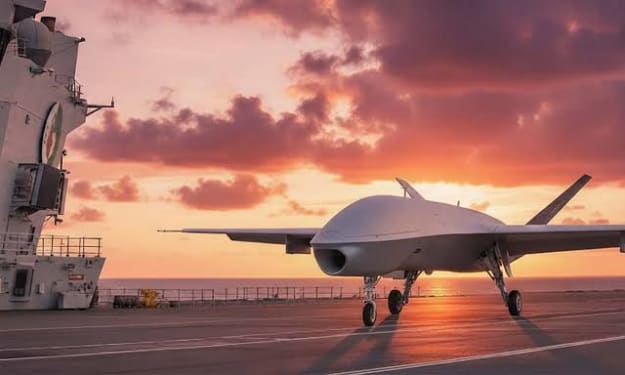
Royal Navy Plans Jet-Powered Autonomous Carrier Drone: A Bold Step Toward the Future of Naval Aviation. AI-Generated.
The Royal Navy is preparing for a major leap in naval aviation with plans to develop and deploy a jet-powered autonomous carrier drone. This move signals a decisive shift toward uncrewed combat and support systems, reflecting how modern navies are adapting to rapid technological change, evolving threats, and the high costs of traditional manned aircraft. If realised, the project could reshape how Britain projects power at sea and how aircraft carriers operate in the decades ahead. Why the Royal Navy Is Turning to Autonomous Jets Aircraft carriers have long been symbols of national power, but they are also expensive and vulnerable assets. Modern conflicts increasingly feature long-range missiles, electronic warfare, and drone swarms, forcing navies to rethink traditional carrier air wings. By investing in a jet-powered autonomous drone, the Royal Navy aims to enhance reach, survivability, and flexibility without putting pilots at risk. Autonomous carrier drones can operate in environments that would be highly dangerous for human crews. They can fly longer missions, tolerate higher levels of risk, and be produced at lower cost than manned fighter jets. For a navy operating a limited number of carriers, such as the UK’s Queen Elizabeth-class, this technology offers a way to multiply combat power without dramatically expanding budgets. What Makes a Jet-Powered Drone Different Unlike propeller-driven drones commonly used for surveillance, a jet-powered autonomous drone is designed for high speed, longer range, and potentially stealthy operations. Such drones could escort crewed fighter jets, conduct deep reconnaissance, suppress enemy air defenses, or even carry precision-guided weapons. The jet propulsion element is crucial. It allows the drone to integrate more seamlessly with carrier-based fighters like the F-35B, operating at similar speeds and altitudes. This opens the door to “manned-unmanned teaming,” where human pilots command or coordinate with multiple autonomous systems during a mission. Expanding the Role of UK Aircraft Carriers For the Royal Navy, this initiative aligns with a broader effort to future-proof its carrier strike groups. Autonomous drones could significantly extend the operational radius of a carrier, allowing it to strike targets farther inland while remaining at a safer distance from hostile shores. In addition to combat roles, these drones could support intelligence, surveillance, and reconnaissance missions, electronic warfare, and even logistics. A single carrier could deploy a mix of crewed jets, helicopters, and autonomous aircraft, creating a more versatile and resilient air wing. This approach also offers strategic advantages. By relying more on uncrewed systems, the UK can maintain credible naval power even with limited personnel resources. It also reduces the political and human costs associated with pilot losses in high-risk missions. Challenges on the Path to Deployment Despite its promise, the project faces significant technical and operational challenges. Launching and recovering jet-powered drones from aircraft carriers is complex, especially from short-takeoff decks like those used by the Royal Navy. Engineers must ensure that autonomous systems can safely handle deck operations, sudden weather changes, and high-stress combat conditions. There are also questions around command and control. Autonomous drones must be resilient to cyber attacks, electronic jamming, and communication disruptions. Developing secure systems that allow human operators to supervise or override autonomous decisions is critical, particularly given ethical and legal debates around autonomous weapons. Integration with existing platforms is another hurdle. The Royal Navy will need to ensure that new drones can work seamlessly with NATO allies, share data in real time, and fit within joint operational frameworks. How This Fits Into Global Trends The UK is not alone in pursuing carrier-based autonomous aircraft. The United States, China, and other major powers are all investing heavily in similar technologies. By moving early, the Royal Navy aims to remain competitive and relevant in an era where naval dominance increasingly depends on information, automation, and networked systems rather than sheer numbers of ships or aircraft. This initiative also reflects lessons learned from recent conflicts, where drones have proven decisive in surveillance, targeting, and strike roles. The future battlefield is likely to be crowded with uncrewed systems, and navies that fail to adapt risk falling behind. A Glimpse of the Navy of Tomorrow The Royal Navy’s plan for a jet-powered autonomous carrier drone is more than a technical upgrade—it represents a strategic transformation. It shows how Britain is preparing for a future where naval power is defined by adaptability, technological sophistication, and intelligent use of automation. While many details remain under development, the direction is clear. By embracing autonomous aviation, the Royal Navy is laying the groundwork for a more flexible, resilient, and forward-looking carrier force. If successful, this initiative could redefine how the UK operates at sea and ensure its carriers remain effective in an increasingly complex and contested world.
By Fiaz Ahmed Brohiabout a month ago in The Swamp
H Is for Hawk by Helen Macdonald Audiobook Review – A Soaring Journey Through Grief. AI-Generated.
Helen Macdonald’s H Is for Hawk has long been celebrated as a genre-defying memoir that blends nature writing, biography, and personal grief into a single, powerful narrative. Experiencing the book as an audiobook adds another emotional dimension, transforming the story into an intimate, almost confessional journey. In audio form, H Is for Hawk becomes not just a book you listen to, but a space you enter—one where loss, obsession, and the wildness of nature echo directly into the listener’s mind.
By Fiaz Ahmed Brohiabout a month ago in Geeks
The Sacrifice of the Danes: Courage, Choice, and the Quiet Power of Collective Action. AI-Generated.
When history speaks of sacrifice, it often does so through the language of battlefields and fallen soldiers. Yet some of the most profound sacrifices are quieter, rooted in moral courage rather than military might. The Sacrifice of the Danes is a phrase that echoes across different chapters of Denmark’s past, most powerfully symbolizing a nation’s willingness to risk comfort, safety, and even survival for principles larger than itself. From wartime resistance to social solidarity, Denmark’s story offers a compelling lesson in how collective sacrifice can shape national identity and global respect.
By Fiaz Ahmed Brohiabout a month ago in The Swamp
Royal Navy Takes Step Towards Hybrid Air Wing with First Flight of Proteus RWUAS. AI-Generated.
The Royal Navy has marked a significant milestone in the evolution of modern naval aviation with the successful first flight of the Proteus Rotary Wing Uncrewed Air System (RWUAS). This achievement signals a clear move toward a hybrid air wing—one where crewed helicopters and uncrewed aircraft operate side by side to enhance surveillance, combat support, and maritime security. As naval warfare becomes increasingly data-driven and technologically complex, the Proteus program reflects how the Royal Navy is preparing for future conflicts and operational demands.
By Fiaz Ahmed Brohiabout a month ago in The Swamp