Fiaz Ahmed Brohi
Bio
I am a passionate writer with a love for exploring and creating content on trending topics. Always curious, always sharing stories that engage and inspire.
Stories (627)
Filter by community
Forget Burj Khalifa and Shanghai Tower: Saudi Arabia Now Readies a Bold 1km-Tall Skyscraper. AI-Generated.
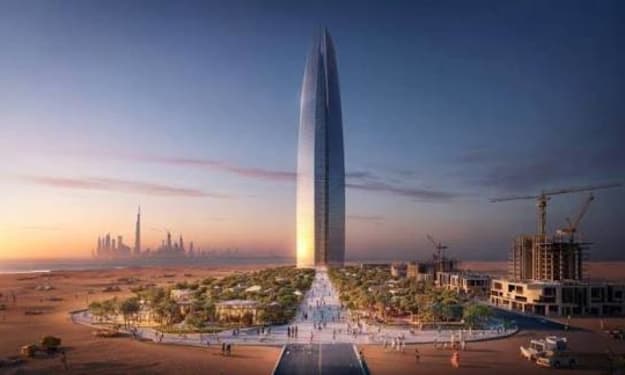
Saudi Arabia is once again turning heads in the world of architecture and urban development, this time with a plan that could redefine the global skyline. Forget the Burj Khalifa in Dubai or Shanghai Tower in China—both marvels of modern engineering. The Kingdom is reportedly preparing to construct a skyscraper that will soar an astonishing 1,000 meters (1 km) into the sky, setting a new benchmark for ambition and innovation. The announcement comes amid Saudi Arabia’s Vision 2030 initiative, a sweeping plan to diversify the country’s economy, reduce its dependence on oil, and establish itself as a hub for tourism, technology, and global investment. Building the world’s tallest skyscraper is both a symbol of national pride and a statement of intent, signaling Saudi Arabia’s desire to compete with other global metropolises in terms of architectural prowess and urban sophistication. The proposed tower, still in its early conceptual stages, promises to be a landmark on multiple fronts. Engineers and architects are reportedly exploring cutting-edge construction techniques, including ultra-lightweight materials, reinforced steel frameworks, and innovative wind-resistance systems. At 1 kilometer tall, the building will require a foundation capable of supporting immense weight while withstanding seismic activity and extreme weather conditions. The project is expected to push the boundaries of engineering much like the Burj Khalifa did when it was completed in 2010. Beyond engineering, the skyscraper is intended to be a multipurpose vertical city. Early designs suggest a combination of luxury residences, office spaces, hotels, observation decks, and entertainment facilities. Developers envision it as not just a building but a destination, capable of attracting tourists from around the globe while providing state-of-the-art amenities for residents and businesses. The concept of a self-contained vertical city is increasingly popular in mega-cities around the world, and Saudi Arabia aims to demonstrate that such ambition is possible in its own backyard. However, the challenges are significant. Constructing a 1 km skyscraper involves tackling wind forces that increase dramatically at higher altitudes, ensuring the safety and comfort of elevators over unprecedented heights, and creating systems to supply water, electricity, and emergency services efficiently. The logistics of construction, from transporting materials to coordinating thousands of workers, will require meticulous planning and the latest in project management technologies. Experts say that every detail, from the shape of the tower to its façade design, will be critical in ensuring that it is both structurally sound and visually iconic. Financial considerations are equally important. Mega-projects of this scale often require tens of billions of dollars in investment. Saudi Arabia has a track record of funding large-scale developments, from the futuristic city of NEOM to massive cultural and tourism projects. Yet, the economic viability of the skyscraper will depend on its ability to attract tenants, visitors, and businesses over the long term. Analysts suggest that incorporating mixed-use features and tourist attractions is key to making the investment sustainable. Culturally, the skyscraper represents a shift in perception for Saudi Arabia. Historically known for its conservative approach to urban development, the Kingdom is embracing bold, globally visible projects to enhance its soft power and showcase modernization. Such landmark buildings are more than infrastructure—they are symbols of ambition, progress, and technological prowess. If completed, the 1 km tower could redefine the city skyline, drawing comparisons not only to Dubai or Shanghai but to other global centers of innovation. Critics, however, have raised environmental concerns. The construction and maintenance of a super-tall skyscraper have significant energy demands and ecological footprints. Questions around sustainability, water use, and energy efficiency will be under scrutiny, particularly as Saudi Arabia positions itself as a player in renewable energy and environmental innovation. Integrating green technology, smart energy systems, and sustainable urban design will be crucial to ensuring that the project aligns with global expectations of responsible development. Despite these challenges, excitement is palpable. Architects, engineers, and urban planners worldwide are watching Saudi Arabia’s ambitions with keen interest. The project is expected to attract international expertise, foster innovation in construction technologies, and inspire a new generation of skyscraper designs. Beyond its physical stature, the tower promises to be a symbol of Saudi Arabia’s future—a bold statement that blends tradition with futuristic ambition. In a world where cities compete for global attention through landmarks and architecture, Saudi Arabia’s 1 km skyscraper could be the next iconic symbol. It reflects a country striving to diversify its economy, assert its presence on the global stage, and redefine what is possible in urban design. From the Burj Khalifa to the Shanghai Tower, the race for the sky has been ongoing—but Saudi Arabia may soon take it to an entirely new level.
By Fiaz Ahmed Brohiabout a month ago in Longevity
No Power or Water and -19°C: Kyiv Seeks Relief from Russian Strikes and Cold. AI-Generated.
Kyiv is facing a winter of unprecedented hardship, as Russian missile strikes continue to ravage the city’s infrastructure while plummeting temperatures push residents to the brink. With temperatures dropping as low as -19°C, the capital of Ukraine is struggling to provide basic necessities like heat, electricity, and water to millions of its citizens, highlighting both the human cost of war and the resilience of a population under siege. The ongoing Russian attacks have targeted critical infrastructure, leaving swathes of Kyiv without electricity and water for days at a time. Energy facilities, power grids, and water treatment plants have been repeatedly hit, exacerbating the already severe winter conditions. For residents, the combination of cold weather and a lack of utilities has created a life-threatening situation. Families are relying on makeshift heating methods, from wood stoves to improvised electric heaters, while authorities scramble to provide temporary shelters and emergency relief. Local authorities in Kyiv are under immense pressure to respond. City officials have activated emergency protocols, opening warming centers and providing water trucks for areas cut off from the municipal supply. Volunteers are delivering fuel and blankets, while international organizations have pledged aid, though logistics remain challenging in a city facing ongoing military threats. The Ukrainian government has emphasized the need for international support, calling on allies to provide both humanitarian assistance and diplomatic pressure to prevent further attacks on civilian infrastructure. The humanitarian impact of this crisis is profound. Hospitals are operating under strained conditions, with some forced to rely on generators to maintain critical care, including for patients undergoing dialysis, neonatal care, or surgery. Schools have had to adjust schedules or temporarily close, further disrupting the lives of children. Residents report that basic tasks, such as fetching water, preparing meals, or keeping children warm, have become daily struggles. The psychological toll is also evident, as families cope with fear, uncertainty, and the constant threat of further attacks. The cold itself is a formidable adversary. Temperatures of -19°C are well below freezing, putting vulnerable populations—particularly the elderly, children, and those with preexisting health conditions—at significant risk. Frostbite, hypothermia, and respiratory illnesses are rising concerns. Medical experts warn that the combination of physical hardship, stress, and lack of access to health services could have long-term health consequences for the population if the crisis persists. Despite the dire situation, the spirit of Kyiv’s residents has shown remarkable resilience. Community initiatives have sprung up, with neighbors helping each other stay warm, share supplies, and look after those most vulnerable. Local businesses and NGOs have coordinated relief efforts, setting up temporary shelters and food distribution points. International media have highlighted these stories of solidarity, illustrating how ordinary citizens continue to support one another even amid the dual threats of war and winter. The broader geopolitical context cannot be ignored. Analysts note that targeting civilian infrastructure in winter is a calculated strategy, designed to demoralize populations and strain government resources. Kyiv’s ability to maintain essential services, mobilize emergency response, and keep residents alive under these conditions has become a critical factor in the ongoing conflict. Meanwhile, global attention to the humanitarian crisis has pressured both governments and organizations to respond more effectively, emphasizing the intersection of warfare, human rights, and climate challenges. The situation in Kyiv also underscores the importance of energy security and infrastructure resilience. Experts argue that rebuilding efforts in Ukraine will need to focus not just on restoring utilities, but on creating systems that can withstand both military and environmental threats. Investments in decentralized energy, emergency water supply systems, and community preparedness could mitigate the impact of future crises. As Kyiv faces this harsh winter, the city’s residents and leaders are navigating a precarious balance between survival and resistance. Relief efforts continue, but the combination of freezing temperatures and ongoing attacks means that every day presents a new challenge. The story of Kyiv is one of both vulnerability and courage, reflecting the human cost of conflict and the extraordinary lengths communities go to preserve life and dignity in the face of adversity. For the world watching, Kyiv’s crisis is a stark reminder that war does not pause for winter. It also underscores the urgent need for global solidarity, humanitarian aid, and robust infrastructure planning, to ensure that populations under siege are not left to endure freezing nights in darkness and silence.
By Fiaz Ahmed Brohiabout a month ago in Journal
Beijing Tells Chinese Firms to Stop Using US, Israeli Cybersecurity Software, Sources Say. AI-Generated.
China has reportedly issued new instructions to domestic companies, instructing them to halt the use of cybersecurity software from the United States and Israel, according to multiple sources familiar with the matter. This move, which has not yet been officially confirmed by Beijing, signals a tightening of the country’s cybersecurity policies amid growing tensions with the West over technology, data security, and industrial espionage. The guidance is reportedly aimed at a range of industries, including finance, energy, telecommunications, and critical infrastructure, where foreign cybersecurity tools are widely deployed. Chinese authorities are emphasizing the need to rely on domestically produced software, citing national security concerns. Sources say the decision stems from fears that foreign programs could contain hidden vulnerabilities or “backdoors” that might allow foreign governments to access sensitive information. This development comes amid an escalating technological rivalry between China and the United States, with Israel also becoming a flashpoint due to its strong cybersecurity sector and intelligence cooperation with Washington. Both countries are known for advanced cyber capabilities, including software used globally to protect corporate networks, government databases, and critical infrastructure. By restricting the use of such products, Beijing appears to be seeking greater control over its digital ecosystem and reducing its dependence on foreign technology. The directive reportedly affects not only private companies but also state-owned enterprises, which form the backbone of China’s industrial and technological power. Analysts suggest that compliance with the new rules could involve large-scale audits, removal of existing software, and investment in Chinese-developed cybersecurity solutions, which may not yet match the sophistication of their American or Israeli counterparts. “This is part of a broader push by Beijing to establish technological self-reliance,” said a cybersecurity expert familiar with the developments. “It aligns with their national strategy of reducing exposure to foreign tech, particularly in sectors deemed critical for national security. While it may protect against perceived foreign interference, it also poses challenges for companies that rely heavily on these products for operational efficiency and protection against cyber threats.” China has been steadily expanding its domestic cybersecurity industry in recent years, encouraging local firms to innovate and provide alternatives to Western software. Companies such as Qihoo 360, Huawei’s security division, and Tencent Security have been positioned as viable replacements for foreign solutions, offering enterprise-level protection for networks, cloud services, and industrial control systems. However, experts caution that shifting entire systems to domestic software could be time-consuming and costly, with potential operational risks during the transition. The timing of the directive is significant, coming after a year of heightened cyber tensions. The United States has frequently accused Chinese state-linked actors of conducting cyber-espionage against U.S. companies and government agencies. Israeli firms, while not always state-affiliated, have also become targets due to their extensive global cybersecurity operations. Beijing’s move to limit their software usage could be interpreted as a defensive measure and a statement of technological sovereignty. For Chinese companies, this guidance may also have broader business implications. Many multinational corporations operating in China rely on a combination of local and foreign cybersecurity tools to comply with both Chinese regulations and international standards. A forced shift away from U.S. or Israeli software could complicate compliance, disrupt supply chains, and increase operational costs. Industry insiders say that Chinese regulators are expected to enforce strict monitoring and auditing measures to ensure compliance, though the exact timeline and penalties for noncompliance remain unclear. Companies may be required to submit reports on software usage, conduct internal risk assessments, and replace existing systems with approved domestic alternatives within a set period. This move also raises questions about the global cybersecurity market. If China, one of the largest technology markets in the world, significantly reduces reliance on U.S. and Israeli software, it could have ripple effects on international vendors. Sales of cybersecurity solutions to Chinese clients might decline, prompting foreign firms to seek other markets or to explore partnerships with Chinese companies to maintain a presence in the country. As tensions between China and the West continue to shape the global technology landscape, the directive represents a clear step toward digital self-sufficiency. While it may enhance national security by limiting foreign access to sensitive systems, it also highlights the growing risks of technological decoupling in an interconnected world. Companies, both domestic and international, are now grappling with the challenge of balancing cybersecurity, compliance, and operational efficiency in a rapidly evolving geopolitical environment. The coming months will reveal how rigorously these directives are enforced and how Chinese firms adapt to the shift, which may ultimately reshape the cybersecurity industry both within China and across the globe.
By Fiaz Ahmed Brohiabout a month ago in The Swamp
Ceremony to Accredit Iran’s Irish Ambassador Postponed Amid Violent Crackdown in Tehran. AI-Generated.
In a rare diplomatic move, Ireland has postponed the official accreditation ceremony for Iran’s new ambassador amid growing international concern over the violent crackdown on protests in Iran that has resulted in widespread casualties and a communications blackout. The decision reflects rising global pressure on Tehran over its handling of dissent and highlights how national human rights issues can affect international diplomatic engagement. �
By Fiaz Ahmed Brohiabout a month ago in The Swamp
Nuclear Bunker Nears Collapse Due to Erosion: A Cold War Relic at Risk. AI-Generated.
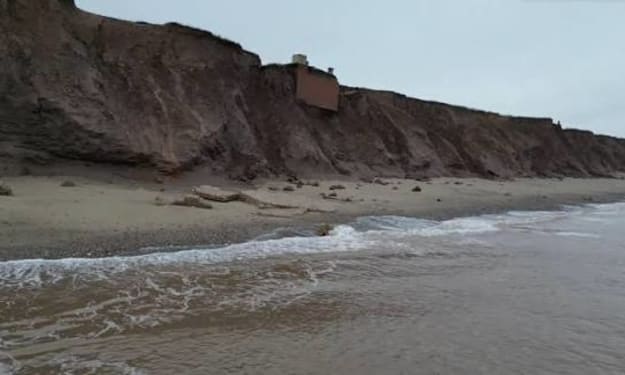
A once-formidable nuclear bunker, built during the height of Cold War tensions, now faces an unexpected and insidious threat: erosion. Experts warn that without urgent intervention, the structure could collapse entirely, posing safety risks and highlighting the fragility of even the most heavily fortified human constructions. Constructed decades ago to withstand nuclear attacks, the bunker features thick concrete walls, reinforced steel frameworks, and subterranean chambers. It was a symbol of security during an era defined by the fear of global conflict. However, while designed to resist bombs and blasts, it was not engineered to endure the gradual, relentless forces of nature over half a century. Recent inspections have revealed alarming signs of structural degradation. Cracks snake along the concrete walls, corroded steel beams are exposed, and the surrounding soil has been washed away in sections. Environmental engineers attribute the deterioration to a combination of heavy rainfall, fluctuating groundwater levels, and repeated freeze-thaw cycles. These factors have compromised the bunker’s foundation, leaving it vulnerable to potential collapse. “The irony is stark,” said Dr. Elena Kostova, a structural engineer specializing in Cold War architecture. “This facility was designed to survive nuclear war, yet it’s threatened by rain and wind. Immediate action is essential to prevent a catastrophic failure.” The location of the bunker compounds the problem. Often sited in remote or elevated areas for strategic advantage, these sites were difficult to maintain even during active use. Since the end of the Cold War, many bunkers were abandoned or decommissioned, leaving them exposed to natural elements. Without regular maintenance, erosion has quietly and progressively weakened the structure over decades. While long out of operational use, the bunker still holds potential hazards. Some chambers contain remnants of chemicals, outdated fuel, or other toxic substances. A sudden collapse could release these materials into the surrounding environment, contaminating water sources and soil. Authorities caution that the public should stay away from the site until stabilization measures are implemented. Local governments and heritage organizations are currently debating the best course of action. Proposed solutions include reinforcing the walls with modern concrete and steel supports or diverting water away from the site to reduce further erosion. However, these interventions are expensive and technically complex. Preservationists also emphasize the need to maintain the bunker’s historical integrity while implementing safety measures. The erosion of this nuclear bunker is not an isolated issue. Across Europe, Asia, and North America, thousands of Cold War-era facilities—including missile silos, fallout shelters, and command centers—face similar risks. Many of these structures were abandoned, underfunded, or neglected, allowing nature to take its toll. In some cases, aging infrastructure could harbor hazardous materials, posing dangers to nearby communities. Climate change is exacerbating the problem. Unpredictable weather patterns, increased rainfall, and extreme temperature fluctuations are accelerating erosion. Processes that might have taken decades in the past are now occurring within a few years. Engineers and environmental scientists are increasingly concerned that these forces could overwhelm older structures, creating both safety hazards and a loss of historical heritage. The dilemma highlights the tension between heritage preservation and public safety. On one hand, bunkers are tangible reminders of the Cold War era, offering insight into historical geopolitics, engineering ingenuity, and global fears. On the other, they are potential environmental and structural hazards, especially as erosion weakens their foundations. Authorities face the difficult task of balancing these priorities while securing funding for stabilization projects. Some experts argue that the bunker’s collapse would be a symbolic loss as much as a physical one. It represents a period in global history marked by nuclear brinkmanship, civil defense planning, and technological advancement under pressure. Losing such structures erases a part of collective memory, making it harder for future generations to understand the stakes of that era. The erosion of this nuclear bunker serves as a stark reminder of the impermanence of human constructions. Even those designed to withstand humanity’s most extreme threats are vulnerable to the slow, persistent forces of nature. Immediate intervention could preserve the site for safety and historical purposes, but without decisive action, the collapse of the bunker may become inevitable. As engineers, historians, and policymakers weigh options, the coming months will determine whether this Cold War relic can survive as a historical monument—or whether it will crumble, leaving only memories of an era defined by fear, preparedness, and human ingenuity.
By Fiaz Ahmed Brohiabout a month ago in Longevity
Why Iran Is Under Pressure — But Not Crumbling. AI-Generated.
Bowen points to several reasons why the regime remains resilient despite the most significant unrest in years: Security Forces Remain Loyal: The backbone of Iran’s authority — including the Islamic Revolutionary Guard Corps (IRGC) and Basij militia — continues to obey the state’s orders. These forces are deeply embedded in Iranian politics, society, and economy, serving not just as a military apparatus but as ideological enforcers loyal to Supreme Leader Ayatollah Ali Khamenei. � vijesti.me Repression Is Systematic and Effective: The regime’s repressive tools are well‑honed from decades of suppressing dissent. Communications blackouts, mass arrests, and lethal force have disrupted protest coordination, making sustained, large‑scale movements difficult to organize. � vijesti.me Economic Sanctions and Hardship: While sanctions and economic decline have fuelled public frustration, they have also become ingrained features of Iranian life. The rial’s collapse and skyrocketing inflation are painful for millions, but they have not, on their own, led to widespread elite defection or fractures within the security apparatus — a key indicator that a regime may be nearing collapse. � vijesti.me Bowen concludes that while tensions are intense, the current unrest has not produced the systemic breakdown necessary to enter the “sudden” phase of decline. The protests, albeit widespread, remain largely fragmented and leaderless, without a unified political strategy to supersede the current order. � vijesti.me What Would It Take for Iran to Enter the “Sudden” Phase? Historical examples suggest that regime collapse often involves moments where parts of the ruling coalition — especially elite security forces — withdraw support from the leadership. In Tunisia in 2011, when the army refused to act against protesters, it marked a tipping point that triggered the rapid ouster of President Ben Ali. In Egypt, similar dynamics preceded the fall of President Hosni Mubarak in the same year, as the loyalty of military forces shifted. � vijesti.me In contrast, Iran’s security institutions have so far demonstrated cohesion. The IRGC not only enforces internal order, but also exerts influence in politics and business, making it invested in the survival of the existing system. For now, there is little evidence of significant defections or splits within this core power structure. � vijesti.me Economic Collapse vs. Political Collapse Another key distinction Bowen highlights — and which political analysts emphasize — is that economic hardship, even when severe, does not automatically translate into political collapse. Iran’s economy has endured sanctions and currency volatility before, with citizens adapting to prolonged pressure. What remains elusive for opposition movements is a coherent leadership and alternative vision that can unify the diverse strands of protest into a sustained political force. � vijesti.me The Importance of Political Leadership and Organization While the protests are significant in scale, they lack centralized leadership capable of articulating a clear plan for post‑regime governance or unifying various factions. Without this, the momentum remains unstable. Persistent unrest could continue, but it may not result in systemic change unless protesters and opposition figures find a way to connect and coordinate more effectively. � Bakunetwork Why Iran’s Crisis Still Matters Globally Even if Iran’s government survives for now, the current crisis highlights deep vulnerabilities. The combination of economic downturn, social discontent, and external pressures — including international sanctions and geopolitical tensions — suggests that Iran’s political equilibrium is far from secure. Global leaders and observers will continue to watch closely, both for signs of further repression and for potential openings toward political evolution. In conclusion, Bowen’s analysis offers a sobering reminder: an authoritarian regime may be under immense strain without being on the verge of collapse. Iran’s journey toward any dramatic transformation — whether gradual or sudden — remains uncertain, underscoring the complexity of revolutionary dynamics and the resilience of entrenched power structures. � vijesti..
By Fiaz Ahmed Brohiabout a month ago in The Swamp
Philippines to Take Delivery of First OPV from South Korea: Strengthening Maritime Security in Southeast Asia. AI-Generated.
The Philippines is set to take a significant step in bolstering its maritime security with the upcoming delivery of its first Offshore Patrol Vessel (OPV) from South Korea. This strategic acquisition underscores the country’s commitment to protecting its extensive coastline, safeguarding critical sea lanes, and responding effectively to modern maritime threats. Offshore Patrol Vessels are versatile naval assets designed to perform a wide range of maritime operations, including surveillance, law enforcement, search and rescue, and disaster response. For the Philippines, an archipelagic nation with over 7,000 islands and one of the longest coastlines in the world, these capabilities are vital. The first OPV marks a new chapter in the modernization of the Philippine Navy, addressing both regional security challenges and internal maritime threats such as piracy, illegal fishing, and smuggling. The vessel, constructed in South Korea, is the product of advanced shipbuilding technology. South Korean shipyards have earned a global reputation for producing high-quality naval ships and commercial vessels. Their experience ensures that the Philippine Navy receives a state-of-the-art platform equipped with modern sensors, navigation systems, and communication equipment. The OPV’s design focuses on versatility, endurance, and cost-effective operations, making it suitable for prolonged patrols across the country’s territorial waters and exclusive economic zone (EEZ). Officials have emphasized that this acquisition is part of the broader Philippine Navy Modernization Program, which aims to upgrade the country’s maritime capabilities in response to evolving threats in the Asia-Pacific region. The modernization program includes acquiring multi-role vessels, fighter jets, and sophisticated surveillance technology. For decades, the Philippines faced challenges in asserting its presence in its maritime domain, particularly in areas such as the South China Sea, where territorial disputes have heightened regional tensions. The introduction of OPVs is expected to strengthen the country’s maritime posture and enhance deterrence. Beyond defense, the OPV will also play a critical role in humanitarian and disaster response missions. The Philippines is prone to natural disasters, including typhoons, earthquakes, and volcanic eruptions, which often disrupt communities across islands. The new vessel’s onboard facilities and advanced equipment will enable rapid response to emergencies, transporting aid, conducting rescue operations, and providing medical support. In essence, the OPV serves both as a military and humanitarian tool, reflecting the multi-faceted demands of modern naval forces. The Philippine government’s partnership with South Korea also highlights the growing defense collaboration between the two nations. South Korea has emerged as a key partner for the Philippines, providing both military hardware and technical expertise. The collaboration extends beyond the delivery of ships; it includes training for naval personnel, maintenance support, and knowledge transfer. Such partnerships are crucial for ensuring that the Philippines maximizes the operational effectiveness of its naval fleet while building domestic expertise in naval operations. Security analysts note that the timing of the OPV delivery is significant. With maritime tensions rising in Southeast Asia and the Indo-Pacific region, countries are increasingly investing in modern naval capabilities. The OPV allows the Philippines to better monitor its waters, prevent illegal activities, and contribute to regional maritime stability. Moreover, the presence of modern patrol vessels enhances cooperation with neighboring countries through joint exercises, information sharing, and coordinated responses to maritime threats. As the first OPV is prepared for delivery, the Philippine Navy is also planning the integration of additional vessels into its fleet. These efforts signal a long-term commitment to maritime security and a recognition that modern naval capabilities are essential for safeguarding national sovereignty, economic interests, and the safety of coastal populations. In conclusion, the Philippines’ acquisition of its first South Korean-built OPV represents a milestone in its naval modernization journey. It enhances the country’s ability to patrol vast maritime territories, respond to emergencies, and deter potential threats. The partnership with South Korea further strengthens the Philippines’ position in regional security dynamics, ensuring that it remains a capable and responsive maritime nation. As the vessel joins the fleet, the Philippine Navy will be better equipped to face the multifaceted challenges of the 21st-century maritime environment, from defense and security to humanitarian assistance and disaster relief.
By Fiaz Ahmed Brohiabout a month ago in Geeks
A Russian City Gets a Taste of the Cold Devastation to Ukraine’s Power Grid. AI-Generated.
As winter tightens its icy grip across Eastern Europe, a stark reminder of the vulnerability of modern infrastructure has emerged—not in Ukraine, where the focus has long been, but in a Russian city now feeling the ripple effects of the conflict next door. Residents in this unnamed city are experiencing firsthand the cold devastation that Ukraine’s power grid has endured during ongoing military hostilities, as blackouts and rolling power cuts disrupt daily life and strain public services.
By Fiaz Ahmed Brohiabout a month ago in The Swamp
A New American Missile-Mounted Buggy Has Already Scored Over 20 Kills Against Russian Shaheds in Ukraine, Crew Says. AI-Generated.
In the ever-evolving battlefield of Ukraine, innovation has often been the deciding factor between survival and catastrophe. The latest addition to this ongoing conflict is a small but remarkably lethal weapon: an American-built missile-mounted buggy, designed to hunt and destroy Russian Shahed drones. According to the crew operating the vehicle, it has already recorded more than 20 confirmed kills, marking a significant milestone in Ukraine’s defensive capabilities.
By Fiaz Ahmed Brohiabout a month ago in The Swamp
Trump Warns of ‘Very Strong Action’ if Iran Executes Protesters as Death Toll Exceeds 2,400. AI-Generated.
The international spotlight is once again on Iran as unrest continues to grip the nation following widespread protests against the government’s policies and heavy-handed suppression of dissent. Former U.S. President Donald Trump has issued a stern warning to Tehran, stating that the United States could take "very strong action" if Iran moves forward with executing protesters, a warning that underscores growing global concern over the country’s human rights record.
By Fiaz Ahmed Brohiabout a month ago in The Swamp
The Questions Trump Must Ask Before Striking Iran. AI-Generated.
Why any decision to use force must navigate strategy, law, and unintended consequences As tensions rise between the United States and Iran against the backdrop of sweeping protests and violent crackdowns inside Tehran, speculation has grown that U.S. President Donald Trump may order military action against Iran. Statements from the White House suggest Trump is prepared to consider “very strong options” that could include military force if Iran continues to violently suppress dissent or threatens U.S. interests abroad. Yet before any decision to strike, there are crucial questions that must be asked — and answered — about the risks, legality, and ultimate effectiveness of such action. � The Guardian +1 1. What Is the Objective of a Strike? Leaders contemplating military force must first define clear goals. Is the aim to deter Tehran from killing protesters, to degrade Iran’s missile or nuclear capabilities, or to instigate regime change? Without a specific goal, military action risks becoming an open‑ended conflict with no clear end point. Historical operations — such as the U.S.-Israeli strikes on Iranian nuclear sites — were narrowly framed around undermining nuclear infrastructure, not restructuring Iran’s political system. � DAWN If the objective is solely humanitarian — to protect demonstrators — policymakers must consider whether strikes would actually ease repression or instead strengthen the government’s narrative of foreign interference. If Iran’s leadership portrays foreign strikes as unprovoked aggression, it could unify segments of the population behind the regime, counteracting U.S. intentions. 2. Is Military Action Legal Under International Law? Any military strike must withstand scrutiny under both U.S. constitutional law and the rules of international engagement. Under the U.S. Constitution’s Article II, the president has authority over the armed forces but does not have unlimited power to begin hostilities — especially if they escalate into war. There are legal interpretations suggesting that substantial military campaigns may require Congressional authorization, particularly if U.S. forces are at risk over a prolonged period. � pbs.org International law also matters. The United Nations Charter prohibits the use of force except in self‑defense or with Security Council approval. If a strike cannot be justified as immediate self‑defense — for example, if Iran has not attacked U.S. territory — then it could be viewed as a breach of international norms, with diplomatic fallout lasting decades. � LinkedIn 3. What Are the Risks of Regional Escalation? Iran’s military capabilities, including thousands of ballistic missiles and proxy forces across the Middle East, remain significant. A U.S. strike could prompt retaliation not just from Iran directly but through allied militias in Iraq, Syria, Yemen, and Lebanon. Even if Tehran’s leadership is internally weakened by protests, its military apparatus is capable of responding unpredictably. Arab Gulf states, including Saudi Arabia, have publicly cautioned against military action, warning that it could destabilize regional security, disrupt global oil markets, and generate unintended chaos. � wsj.com 4. How Would Civilian Populations Be Affected? Proportionality and civilian protection are essential under the laws of armed conflict. Striking military targets in Iran — a country with civilian infrastructure and major urban areas — could result in significant noncombatant casualties if not carefully planned. The principles of proportionality under humanitarian law require that incidental loss of civilian life not be excessive relative to the anticipated military advantage. This calculation must be made before action is taken, not after. � Just Security If civilians are harmed, the humanitarian rationale for intervention collapses, turning international sympathy against the United States and potentially fueling further regional instability. 5. Are There Viable Alternatives to Military Action? Before resorting to force, diplomatic or economic avenues must be fully explored. Reports suggest that calls for negotiations between the U.S. and Iranian officials remain on the table — though Trump has signalled a hardening position, the possibility of talks has not completely disappeared. � Anadolu Ajansı Economic pressure, such as tariffs on nations doing business with Iran, was already enacted by the U.S. as a way to isolate Tehran and increase leverage without resorting to violence. � AP News Non‑military options, including intensified sanctions, cyber operations against specific military assets, or diplomatic coalition building, should be weighed for their potential to achieve strategic objectives without broad conflict. 6. What Happens After the First Strike? Perhaps most importantly, policymakers must consider what comes after the first bomb drops. Military action rarely ends conflicts; it often shifts them into new phases. An airstrike could provoke prolonged tit‑for‑tat responses from Iran or its proxies, draw in regional powers, and entangle the U.S. in years of instability. This was seen in other prolonged Middle Eastern conflicts where initial tactical strikes did not achieve strategic peace. Conclusion — More Questions Than Answers The choice to strike Iran is not one to be made lightly. Unlike a narrowly scoped unilateral missile attack on a specific target, a significant military operation against a sovereign nation involves deep legal, moral, strategic, and humanitarian considerations. Before committing to force, Trump and his advisors must weigh what success looks like, how legitimacy will be maintained under international law, how to minimize civilian harm, and whether non‑military tools have been fully exhausted. In the high‑stakes world of international geopolitics, military action may be one option — but whether it is the right one depends on answering these tough questions honestly, comprehensively, and with the long‑term interests of global stability in mind.
By Fiaz Ahmed Brohiabout a month ago in The Swamp
Iran’s Footballers Face a Battle to Be Heard as Regime Brutally Clamps Down on Protests. AI-Generated.
How the beautiful game is becoming a stage for resistance amidst one of Iran’s deadliest crackdowns in decades Across the globe, football is often celebrated as a unifying force — a sport that brings people together regardless of politics, class, or creed. But in Iran today, the nation’s beloved footballers are finding themselves thrust into the eye of a political storm that stretches far beyond the pitch. Amid a brutal government crackdown on nationwide protests, Iranian players — both at home and abroad — are wrestling with whether to speak out, stay silent, or somehow use their platform to amplify the voices of those demanding change. �
By Fiaz Ahmed Brohiabout a month ago in Geeks