Latest Stories
Most recently published stories in Longevity.
Why Minimal Skincare Routines Are Winning in 2026. AI-Generated.
If you had told me a few years ago that my skincare routine would shrink to just three or four steps, I probably wouldn’t have believed you. Like many of us, I went through the ten-step routine phase, the acid-everything phase, and yes — the “TikTok made me buy this” phase too.
By Veronica Bennettabout a month ago in Longevity
Kratom Tea Guide for Beginners, Benefits, Effects, and How to Use It
Kratom tea is one of the most common ways people use kratom. Many users choose tea because it is easier to digest, faster to absorb, and simpler to control than powder or capsules. If you searched for kratom tea, you likely want to know what it does, how to make it, how strong it is, and whether it is better than other forms. This guide answers those questions in a clear and direct way.
By Jack Wilderabout a month ago in Longevity
Best Kratom Strains for Euphoria, Energy, and Mood Enhancement
Kratom, also known as Mitragyna speciosa, is a tropical tree native to Southeast Asia. People use kratom in herbal form for pain relief, mood support, and opioid withdrawal. Others use it for recreational effects such as mild euphoria, higher energy, and lower anxiety. Common formats include tea, powder, and capsules.
By Jack Wilderabout a month ago in Longevity
Cloud's advice
A Conversation with the Cloud Friday, 5 January 2018 By Javed Iqbal Dark clouds had spread across the sky. They were so thick and heavy that even during the daytime, it felt as if night had fallen. Zeeshan was walking quickly toward his fields. He was worried that if it started raining, the bundles of wheat lying in the open would be damaged. He wanted to cover them with plastic sheets before the rain arrived.
By Sudais Zakwanabout a month ago in Longevity
More Than 5 Million Native Plants Reintroduced in Deserts Are Slowing Land Degradation and Rebooting Arid Ecosystems. AI-Generated.
Deserts are often seen as barren, unforgiving landscapes, but they are far from lifeless. These ecosystems, while harsh, support unique biodiversity and provide critical environmental services, from carbon sequestration to regulating local climates. Yet, decades of overgrazing, unsustainable land use, and climate change have taken their toll, leaving many arid regions struggling with soil erosion, loss of native vegetation, and diminished ecological resilience. Now, a bold rewilding effort is turning the tide: over five million native plants have been reintroduced into deserts worldwide, and the early results are promising. The scale of the initiative Across regions from the deserts of the Middle East and North Africa to the arid plains of Australia and North America, conservation organizations, local communities, and governments have collaborated to replant native species that were once nearly wiped out. These plants range from hardy shrubs and grasses to iconic desert flowers, all carefully selected for their ability to survive in extreme conditions and restore ecological balance. The numbers are staggering: more than 5 million individual plants have been transplanted over the last five years, covering thousands of hectares. While this effort is labor-intensive, involving soil preparation, irrigation during establishment phases, and ongoing monitoring, the environmental payoff has been remarkable. Slowing land degradation One of the primary goals of these reintroductions is to combat land degradation, a process that affects over 40% of the planet’s land surface. In deserts, degradation is particularly acute because soil erosion occurs rapidly in the absence of stabilizing vegetation. Without plants to anchor the soil, wind and water can strip away fertile topsoil, creating a feedback loop of declining vegetation and worsening erosion. Early monitoring reports suggest that reintroduced native plants are helping to stabilize sandy soils and reduce the spread of desertification. In some areas of the Middle East, for instance, wind erosion rates have decreased by up to 30% in regions where shrubs and grasses were replanted. This stabilization not only benefits the environment but also local communities that rely on the land for grazing, agriculture, and other livelihoods. Rebooting arid ecosystems Beyond slowing soil loss, these plant reintroductions are rebooting entire desert ecosystems. Deserts are home to a diverse array of wildlife, including insects, birds, and mammals that rely on native plants for food and shelter. By re-establishing vegetation cover, these efforts have triggered a cascade of ecological benefits. In parts of the Sonoran Desert in North America, researchers observed a noticeable increase in pollinator populations, such as bees and butterflies, following the reintroduction of native flowering plants. Similarly, small mammals and reptiles that had disappeared from degraded areas are gradually returning, attracted by improved habitat structure and food availability. Climate resilience Another key advantage of reintroducing native plants is enhancing climate resilience. Many desert plants are adapted to survive extreme heat, drought, and poor soils. By re-establishing these species, ecosystems can better withstand climate-related stresses, such as prolonged droughts or extreme heatwaves. Additionally, some species improve soil moisture retention and reduce surface temperatures, creating microclimates that further support biodiversity. Community engagement and knowledge transfer What makes these rewilding efforts particularly successful is the integration of local communities. Indigenous knowledge about native species, planting techniques, and seasonal cycles has been invaluable. In some regions, schools and community groups participate in planting days, turning conservation into a source of pride and education. This engagement ensures that restored areas are maintained, monitored, and valued over the long term. Looking ahead While the reintroduction of five million native plants is a significant achievement, experts caution that long-term success requires continued investment, monitoring, and protection from overgrazing, development, and climate pressures. However, the initiative provides a compelling example of how targeted, science-backed restoration can reverse environmental damage. For arid ecosystems, these efforts are more than just planting trees and shrubs—they represent hope. They demonstrate that even the most fragile landscapes can recover when humans actively collaborate with nature, restoring not only plants but the entire web of life that depends on them. As the world grapples with climate change and land degradation, the lessons from these desert rewilding projects offer a blueprint for action: by investing in native biodiversity, we can slow degradation, rebuild ecosystems, and create landscapes that are resilient, productive, and teeming with life once again.
By Fiaz Ahmed Brohiabout a month ago in Longevity
The Hidden Power of the Nerve Endings in Your Feet
Most people don’t give much thought to their feet unless they’re uncomfortable or tired. Yet beneath the surface, the nerve endings in the feet are constantly working, sending vital information to the brain that influences balance, posture, and movement. These signals operate quietly in the background, but they play a far greater role in daily life than many people realize.
By AhmedFitLifeabout a month ago in Longevity
What Is Proprioception? Why Body Awareness Matters More Than You Think
Balance is something most people take for granted—until it starts to feel unreliable. A moment of unsteadiness, a fear of falling, or difficulty walking on uneven ground can raise questions that many people struggle to answer. Strength alone doesn’t always explain these changes. In many cases, the missing piece is something far less talked about: proprioception.
By AhmedFitLifeabout a month ago in Longevity
The last door
The Day the Teacher Learned to Repent At Government High School, a new teacher named Abdul Hameed had joined. He was a little different from the other teachers. He wanted his students not only to follow the curriculum but also to think critically and creatively, so their learning abilities could grow.
By Sudais Zakwanabout a month ago in Longevity
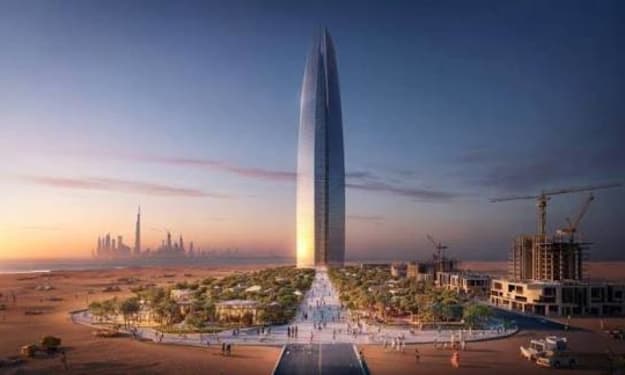
Forget Burj Khalifa and Shanghai Tower: Saudi Arabia Now Readies a Bold 1km-Tall Skyscraper. AI-Generated.
Saudi Arabia is once again turning heads in the world of architecture and urban development, this time with a plan that could redefine the global skyline. Forget the Burj Khalifa in Dubai or Shanghai Tower in China—both marvels of modern engineering. The Kingdom is reportedly preparing to construct a skyscraper that will soar an astonishing 1,000 meters (1 km) into the sky, setting a new benchmark for ambition and innovation. The announcement comes amid Saudi Arabia’s Vision 2030 initiative, a sweeping plan to diversify the country’s economy, reduce its dependence on oil, and establish itself as a hub for tourism, technology, and global investment. Building the world’s tallest skyscraper is both a symbol of national pride and a statement of intent, signaling Saudi Arabia’s desire to compete with other global metropolises in terms of architectural prowess and urban sophistication. The proposed tower, still in its early conceptual stages, promises to be a landmark on multiple fronts. Engineers and architects are reportedly exploring cutting-edge construction techniques, including ultra-lightweight materials, reinforced steel frameworks, and innovative wind-resistance systems. At 1 kilometer tall, the building will require a foundation capable of supporting immense weight while withstanding seismic activity and extreme weather conditions. The project is expected to push the boundaries of engineering much like the Burj Khalifa did when it was completed in 2010. Beyond engineering, the skyscraper is intended to be a multipurpose vertical city. Early designs suggest a combination of luxury residences, office spaces, hotels, observation decks, and entertainment facilities. Developers envision it as not just a building but a destination, capable of attracting tourists from around the globe while providing state-of-the-art amenities for residents and businesses. The concept of a self-contained vertical city is increasingly popular in mega-cities around the world, and Saudi Arabia aims to demonstrate that such ambition is possible in its own backyard. However, the challenges are significant. Constructing a 1 km skyscraper involves tackling wind forces that increase dramatically at higher altitudes, ensuring the safety and comfort of elevators over unprecedented heights, and creating systems to supply water, electricity, and emergency services efficiently. The logistics of construction, from transporting materials to coordinating thousands of workers, will require meticulous planning and the latest in project management technologies. Experts say that every detail, from the shape of the tower to its façade design, will be critical in ensuring that it is both structurally sound and visually iconic. Financial considerations are equally important. Mega-projects of this scale often require tens of billions of dollars in investment. Saudi Arabia has a track record of funding large-scale developments, from the futuristic city of NEOM to massive cultural and tourism projects. Yet, the economic viability of the skyscraper will depend on its ability to attract tenants, visitors, and businesses over the long term. Analysts suggest that incorporating mixed-use features and tourist attractions is key to making the investment sustainable. Culturally, the skyscraper represents a shift in perception for Saudi Arabia. Historically known for its conservative approach to urban development, the Kingdom is embracing bold, globally visible projects to enhance its soft power and showcase modernization. Such landmark buildings are more than infrastructure—they are symbols of ambition, progress, and technological prowess. If completed, the 1 km tower could redefine the city skyline, drawing comparisons not only to Dubai or Shanghai but to other global centers of innovation. Critics, however, have raised environmental concerns. The construction and maintenance of a super-tall skyscraper have significant energy demands and ecological footprints. Questions around sustainability, water use, and energy efficiency will be under scrutiny, particularly as Saudi Arabia positions itself as a player in renewable energy and environmental innovation. Integrating green technology, smart energy systems, and sustainable urban design will be crucial to ensuring that the project aligns with global expectations of responsible development. Despite these challenges, excitement is palpable. Architects, engineers, and urban planners worldwide are watching Saudi Arabia’s ambitions with keen interest. The project is expected to attract international expertise, foster innovation in construction technologies, and inspire a new generation of skyscraper designs. Beyond its physical stature, the tower promises to be a symbol of Saudi Arabia’s future—a bold statement that blends tradition with futuristic ambition. In a world where cities compete for global attention through landmarks and architecture, Saudi Arabia’s 1 km skyscraper could be the next iconic symbol. It reflects a country striving to diversify its economy, assert its presence on the global stage, and redefine what is possible in urban design. From the Burj Khalifa to the Shanghai Tower, the race for the sky has been ongoing—but Saudi Arabia may soon take it to an entirely new level.
By Fiaz Ahmed Brohiabout a month ago in Longevity
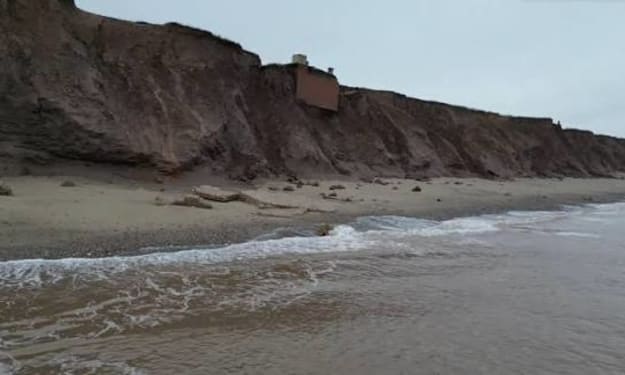
Nuclear Bunker Nears Collapse Due to Erosion: A Cold War Relic at Risk. AI-Generated.
A once-formidable nuclear bunker, built during the height of Cold War tensions, now faces an unexpected and insidious threat: erosion. Experts warn that without urgent intervention, the structure could collapse entirely, posing safety risks and highlighting the fragility of even the most heavily fortified human constructions. Constructed decades ago to withstand nuclear attacks, the bunker features thick concrete walls, reinforced steel frameworks, and subterranean chambers. It was a symbol of security during an era defined by the fear of global conflict. However, while designed to resist bombs and blasts, it was not engineered to endure the gradual, relentless forces of nature over half a century. Recent inspections have revealed alarming signs of structural degradation. Cracks snake along the concrete walls, corroded steel beams are exposed, and the surrounding soil has been washed away in sections. Environmental engineers attribute the deterioration to a combination of heavy rainfall, fluctuating groundwater levels, and repeated freeze-thaw cycles. These factors have compromised the bunker’s foundation, leaving it vulnerable to potential collapse. “The irony is stark,” said Dr. Elena Kostova, a structural engineer specializing in Cold War architecture. “This facility was designed to survive nuclear war, yet it’s threatened by rain and wind. Immediate action is essential to prevent a catastrophic failure.” The location of the bunker compounds the problem. Often sited in remote or elevated areas for strategic advantage, these sites were difficult to maintain even during active use. Since the end of the Cold War, many bunkers were abandoned or decommissioned, leaving them exposed to natural elements. Without regular maintenance, erosion has quietly and progressively weakened the structure over decades. While long out of operational use, the bunker still holds potential hazards. Some chambers contain remnants of chemicals, outdated fuel, or other toxic substances. A sudden collapse could release these materials into the surrounding environment, contaminating water sources and soil. Authorities caution that the public should stay away from the site until stabilization measures are implemented. Local governments and heritage organizations are currently debating the best course of action. Proposed solutions include reinforcing the walls with modern concrete and steel supports or diverting water away from the site to reduce further erosion. However, these interventions are expensive and technically complex. Preservationists also emphasize the need to maintain the bunker’s historical integrity while implementing safety measures. The erosion of this nuclear bunker is not an isolated issue. Across Europe, Asia, and North America, thousands of Cold War-era facilities—including missile silos, fallout shelters, and command centers—face similar risks. Many of these structures were abandoned, underfunded, or neglected, allowing nature to take its toll. In some cases, aging infrastructure could harbor hazardous materials, posing dangers to nearby communities. Climate change is exacerbating the problem. Unpredictable weather patterns, increased rainfall, and extreme temperature fluctuations are accelerating erosion. Processes that might have taken decades in the past are now occurring within a few years. Engineers and environmental scientists are increasingly concerned that these forces could overwhelm older structures, creating both safety hazards and a loss of historical heritage. The dilemma highlights the tension between heritage preservation and public safety. On one hand, bunkers are tangible reminders of the Cold War era, offering insight into historical geopolitics, engineering ingenuity, and global fears. On the other, they are potential environmental and structural hazards, especially as erosion weakens their foundations. Authorities face the difficult task of balancing these priorities while securing funding for stabilization projects. Some experts argue that the bunker’s collapse would be a symbolic loss as much as a physical one. It represents a period in global history marked by nuclear brinkmanship, civil defense planning, and technological advancement under pressure. Losing such structures erases a part of collective memory, making it harder for future generations to understand the stakes of that era. The erosion of this nuclear bunker serves as a stark reminder of the impermanence of human constructions. Even those designed to withstand humanity’s most extreme threats are vulnerable to the slow, persistent forces of nature. Immediate intervention could preserve the site for safety and historical purposes, but without decisive action, the collapse of the bunker may become inevitable. As engineers, historians, and policymakers weigh options, the coming months will determine whether this Cold War relic can survive as a historical monument—or whether it will crumble, leaving only memories of an era defined by fear, preparedness, and human ingenuity.
By Fiaz Ahmed Brohiabout a month ago in Longevity