
Michael Jordan: The Fire That Built a Legend
Some athletes win games. A few win championships. And then there are rare figures who seem to change how we see effort, pressure, and belief itself.

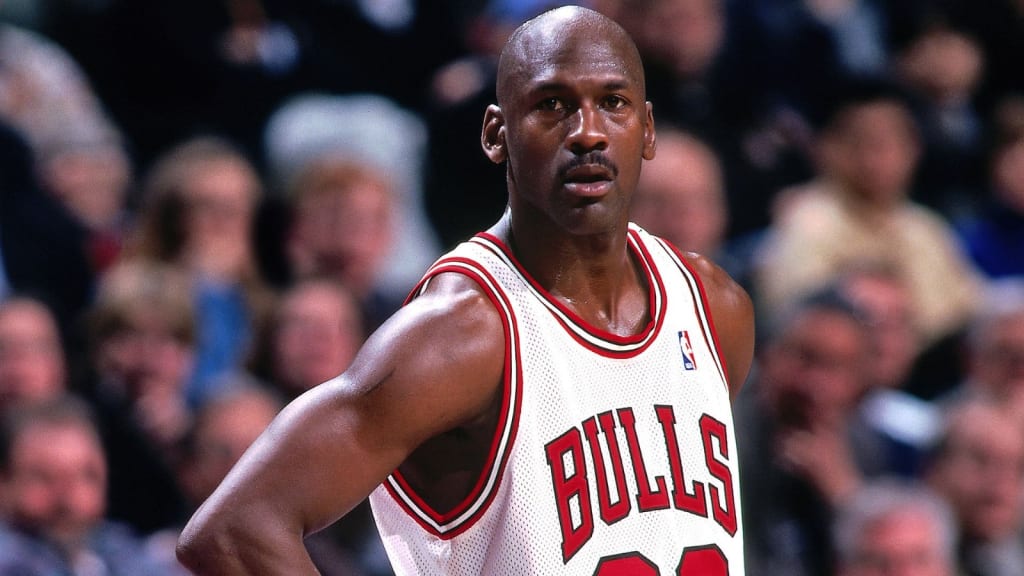
Some athletes win games. A few win championships. And then there are rare figures who seem to change how we see effort, pressure, and belief itself. Michael Jordan belongs in that last group. His name is spoken with a kind of respect that goes beyond sports. For many people, he was not just a basketball player. He was the reason they stayed up late to watch games. The reason they practiced one more hour. The reason they believed that missing a shot did not mean the story was over.
This article looks closely at Michael Jordan’s journey, his struggles, his mindset, and why his legacy still feels alive decades later.
Early Life and the Roots of Drive
Michael Jordan was born in 1963 in Brooklyn, New York, and raised in Wilmington, North Carolina. His family was close and disciplined. His parents expected effort. Not perfection, but effort.
As a teenager, Jordan wanted badly to make his high school varsity basketball team. He did not make it the first time. That moment could have broken his confidence. Instead, it built something inside him.
He went home upset. He cried. But he did not quit.
That disappointment became fuel. He trained harder than before. He practiced daily. The next year, he made the team. This early rejection became part of his story. It shaped how he responded to pressure later in life.
College Stardom at North Carolina
Jordan attended the University of North Carolina and played under coach Dean Smith. He was talented, but he was not yet the icon the world would later see.
In 1982, as a freshman, he hit the game-winning shot in the NCAA championship. That single moment introduced him to a national audience. It also showed something important about his personality. He wanted the ball when it mattered most.
He was calm in the final seconds. Not rushed. Not fearful.
During his college years, Michael Jordan developed strong fundamentals. He learned discipline and teamwork. He was not just scoring. He was studying the game.
By the time he declared for the NBA draft in 1984, scouts knew he was special. They just did not know how special.
The Arrival of Michael Jordan in the NBA
Michael Jordan was selected third overall in the 1984 NBA Draft by the Chicago Bulls. At the time, the Bulls were not a dominant team. They were struggling to become relevant.
Jordan changed that almost immediately.
In his rookie season, he averaged over 28 points per game. Fans filled arenas just to watch him play. He moved differently. He attacked the basket with fearlessness. He played every possession as if it mattered deeply.
But early in his NBA career, there was a problem. The Bulls were not winning championships.
Jordan could score. He could entertain. But could he lead a team to a title?
That question followed him for years.
Learning Through Loss
Before the championships came, there were painful defeats. The Detroit Pistons, known for their physical defense, repeatedly stopped the Bulls in the playoffs.
Jordan was knocked down. Hit hard. Tested physically and mentally.
He could have complained. He could have blamed referees or teammates. Instead, he changed his body. He gained strength. He prepared for contact. He studied how to break through tough defenses.
This period shaped the legend of Michael Jordan more than the highlight reels did. It showed his refusal to accept limits.
He was not satisfied with personal awards. He wanted titles.
The First Three Championships
In 1991, everything shifted.
The Chicago Bulls won their first NBA championship by defeating the Los Angeles Lakers. Michael Jordan was named Finals MVP. He cried in the locker room afterward, holding the trophy.
It was not just joy. It was relief. Years of doubt had been answered.
The Bulls went on to win three consecutive championships from 1991 to 1993. Jordan became the face of the NBA. His scoring ability, defensive intensity, and clutch performances defined that era.
Children wore his jersey. Courts around the world echoed with kids shouting his name while attempting fadeaway shots.
Michael Jordan was no longer just an athlete. He was a global figure.
A Sudden Retirement and Personal Loss
In 1993, at the height of his career, Michael Jordan shocked the world by retiring from basketball. His father had been murdered earlier that year. The loss deeply affected him.
Jordan stepped away from the game and pursued baseball, honoring his father’s dream.
His baseball career was modest. He worked hard, but he was not the same level of star in that sport. Many critics questioned his decision. Some said he should have stayed in basketball.
But this chapter showed something human about him. He was grieving. He was searching for meaning beyond fame.
It reminded fans that behind the championships was a son dealing with loss.
The Comeback That Defined an Era
In 1995, Michael Jordan returned to the NBA with a simple statement: he was back.
The league felt different the moment he stepped onto the court again.
Although the Bulls fell short that first season back, Jordan looked determined. The following year, he led the team to a historic 72-win season and another championship.
From 1996 to 1998, the Bulls completed a second three-peat. Six championships in eight years. Six Finals MVP awards.
Moments like the flu game in 1997 and the final shot in the 1998 Finals against the Utah Jazz became part of sports history.
In that final game, with seconds left, Jordan created space and hit the shot that sealed the championship. Calm. Focused. Certain.
The Mindset of Michael Jordan
What made Michael Jordan different?
It was not just athletic skill. It was obsession with improvement. Teammates have spoken about his intense practices. He demanded effort from everyone around him.
He took missed shots personally. He remembered defeats. He used criticism as motivation.
Some people saw him as harsh. Others saw him as honest. But almost everyone agreed on one thing. He cared deeply about winning.
He once spoke about missing thousands of shots and losing hundreds of games. Those failures, he believed, were the reason for his success.
That perspective matters. It shows that greatness is often built on repeated setbacks.
Cultural Impact Beyond Basketball
Michael Jordan’s influence extended beyond the court. His partnership with Nike led to the creation of the Air Jordan line. Sneakers became symbols of identity and style.
In the 1990s, he appeared in commercials, films, and global campaigns. He helped the NBA expand internationally. Fans in Europe, Asia, and Africa followed his career closely.
Even people who did not watch basketball knew his name.
He represented ambition. He represented excellence under pressure.
The Dream Team at the 1992 Olympics further solidified his global presence. Watching Jordan play alongside other legends gave fans a sense that they were witnessing history.
Leadership and Controversy
Leadership is complex. Michael Jordan led through intensity. He pushed teammates hard. He challenged them publicly and privately.
Some players thrived under that pressure. Others struggled.
The documentary series released years later showed both sides of him. The competitor. The demanding captain. The man who refused to settle for average.
His style raises an important question. Does greatness require discomfort?
Life After Playing
After retiring for the second time in 1998, Jordan stepped away from basketball again. He later returned briefly with the Washington Wizards before retiring permanently in 2003.
In the years that followed, he became a team owner. He invested in business ventures. His net worth grew significantly.
Yet, when fans talk about Michael Jordan, they rarely focus on money. They focus on moments.
The shot. The steal. The shrug after hitting multiple three-pointers in the Finals.
Those images remain vivid.
Comparing Eras and Debates
Basketball fans often debate whether Michael Jordan is the greatest of all time. Names like LeBron James enter the conversation. Statistics are compared. Championships are counted.
But comparing eras is difficult. Rules change. Playing styles shift. Training methods evolve.
What remains consistent is the emotional impact Jordan had on the sport. He gave fans a feeling that something extraordinary might happen every time he touched the ball.
That sense of anticipation is hard to measure.
Lessons From Michael Jordan’s Career
There are clear lessons in his story.
First, rejection is not the end. Being cut from a team did not define him.
Second, loss can teach more than victory. His early playoff defeats shaped his approach to strength and preparation.
Third, talent without discipline fades. Jordan trained relentlessly.
Finally, confidence grows from preparation. When he took last-second shots, it was not blind faith. It was trust in thousands of hours of practice.
These lessons apply beyond sports. Students facing exams, professionals chasing promotions, artists struggling with self-doubt can all relate to moments of uncertainty.
The difference often lies in response.
Why Michael Jordan Still Matters
Decades after his final championship with the Bulls, new generations continue to discover Michael Jordan. Young fans watch old highlights online and feel the same excitement.
His story continues because it speaks to something universal. The desire to be better. The refusal to accept limits. The willingness to carry pressure instead of avoiding it.
In a world where attention shifts quickly, his legacy feels steady.
He was not perfect. He was demanding. He made controversial choices. But he never hid from responsibility in crucial moments.
That is rare.
The Emotional Weight of the Last Shot
If you close your eyes and picture Michael Jordan, many people see the same image. The final shot in 1998. The slight push-off. The jump. The ball hanging in the air.
For a brief second, time seemed to pause.
When the ball went through the net, it felt like a story reaching its perfect ending.
But that moment was not built in isolation. It was built on years of sweat, doubt, loss, and persistence.
That is why it still resonates.
Conclusion: The Enduring Flame
Michael Jordan’s story is not just about basketball. It is about hunger. It is about responding to setbacks with effort instead of excuses. It is about stepping forward when others hesitate.
He did not win every game. He did not avoid failure. He felt pain, criticism, and loss.
But he kept returning to the court with the same fierce determination.
For many, Michael Jordan represents more than championships. He represents the idea that pressure can reveal strength. That discipline shapes destiny. That one person, driven by belief and relentless work, can leave a mark that lasts far beyond the final buzzer.
And perhaps that is why, even now, his name still carries a certain fire.
About the Creator
Muqadas khan
Hi! Welcome to my Vocal page. I’ll be sharing fresh articles every day covering stories, ideas, and a bit of inspiration to brighten your feed. Thanks for reading and supporting daily writing! 📖💫
Keep reading
More stories from Muqadas khan and writers in Unbalanced and other communities.
2026 Winter Olympics Alpine Skiing: Ice, Speed, and Legacy
Snow has a way of quieting the world. It softens mountains, absorbs sound, and turns danger into beauty. Yet when alpine skiers stand at the top of an Olympic course, there is nothing soft about what lies ahead. The slope is steep. The air is thin. The margin for error is almost invisible. The 2026 Winter Olympics alpine skiing events will capture this tension in its purest form. Millions will watch athletes carve through ice at breathtaking speed, knowing one small mistake can end a lifelong dream. These races are not just about medals. They are about control in chaos, courage in cold air, and the legacy athletes leave behind on snow that remembers every edge.
By Muqadas khana day ago in Unbalanced
Super Bowl LX Recap: A Team Called Hawks
Sixty. The Super Bowl turned 60! Still amazes me that this was the sixtieth Super Bowl played in NFL history. It seems like yesterday that I watched Super Bowl XXVII, the first SB I ever watched. The QB who won Super Bowl XXVII has since called a few SBs, and will call next year's game, but that's another story. Super Bowl LX took place at Levi's Stadium in Santa Clara, California, the home stadium of the San Francisco 49ers. However, it was one of their division foes who represented the NFC, as the Seattle Seahawks faced off against the New England Patriots.
By Clyde E. Dawkins8 days ago in Unbalanced
The Pride Flag and the Diversion
For nearly a decade, the LGBTQIA Pride Flag rippled in the wind at Christopher Park, a kaleidoscope of color staked into the soil of America’s first national monument to LGBTQIA+ liberation. That flag came down this week. Federal officials, citing new guidance from the Trump Administration, silently lowered the rainbow flag from its pole across the street from the Stonewall Inn. The birthplace of the modern gay rights movement now flies only the United States flag.
By Tim Carmichael5 days ago in Pride



Comments
There are no comments for this story
Be the first to respond and start the conversation.