politics
Politics does not dictate our collective cultural mindset as much as it simply reflects it; We've got to look in the mirror sometimes, and we've got one.
Desperate Times Are Behind Sarwar’s PM Resignation Call. AI-Generated.
Scottish Labour leader Anas Sarwar has intensified pressure on the UK government by calling for the Prime Minister to resign, arguing that the country has reached a breaking point after months of political turmoil, economic strain, and declining public trust. Sarwar’s remarks come amid growing unrest within Westminster and mounting criticism over the government’s handling of inflation, public services, and foreign policy challenges. His statement, delivered during a party address in Glasgow, framed the call for resignation as a response to what he described as “desperate times requiring decisive leadership change.” A Calculated Political Move While opposition leaders frequently demand accountability from those in power, Sarwar’s intervention stands out for its blunt tone and urgency. He accused the Prime Minister of presiding over “chaos and confusion” and said Britain could no longer afford instability at a moment when families and businesses are struggling with rising costs of living. “This is not about party politics,” Sarwar told supporters. “It is about restoring faith in government and giving people confidence that those in charge understand the scale of the crisis.” Political analysts note that Sarwar’s strategy aims to position Scottish Labour as a credible alternative not only in Scotland but across the wider UK political landscape. By calling for resignation rather than policy reform, he signaled that incremental fixes would no longer satisfy an electorate frustrated by repeated controversies. Economic Pressures Fuel the Argument At the heart of Sarwar’s criticism lies the state of the economy. Inflation has squeezed household budgets, while public sector workers continue to demand higher wages to match rising prices. NHS waiting lists remain high, and transport strikes have disrupted daily life in major cities. Sarwar argued that these pressures are symptoms of leadership failure rather than temporary setbacks. He pointed to what he called a “pattern of mismanagement” that has eroded confidence among investors and international partners. “Every week brings a new announcement, a new reversal, or a new crisis,” he said. “That is not stability. That is drift.” The Prime Minister’s office rejected the accusations, insisting the government has taken “firm and responsible action” to stabilize the economy and support vulnerable households. Officials highlighted recent measures aimed at reducing inflation and boosting growth. Divisions Within the Political Landscape Sarwar’s remarks also reflect wider divisions across the UK political spectrum. Some Conservative lawmakers privately acknowledge the government faces serious credibility problems, though few have openly supported calls for resignation. Meanwhile, senior Labour figures in London have adopted a more cautious tone, focusing on policy contrasts rather than leadership demands. Observers say Sarwar’s stronger language is partly shaped by Scotland’s political climate, where competition with the Scottish National Party requires bold positioning. “Scottish Labour needs to demonstrate relevance and urgency,” said a political commentator at a UK think tank. “Calling for resignation is a way to show moral clarity and frustration that mirrors public sentiment.” Public Reaction and Media Impact The call has generated significant media attention, with supporters praising Sarwar for “saying what many are thinking,” while critics accuse him of political grandstanding. Opinion polls suggest trust in national leadership has declined, though it remains unclear whether voters favor immediate change or simply want improved governance. Social media responses revealed a divided public. Some users welcomed Sarwar’s stance as overdue, while others argued that repeated resignation demands contribute to further instability. One voter interviewed in Edinburgh said, “We want solutions, not just shouting. But it feels like no one is listening unless someone speaks loudly.” What Comes Next Sarwar has indicated that his party will continue pressing for accountability in Parliament and beyond. He called for a renewed focus on economic recovery, healthcare reform, and restoring Britain’s standing abroad. Whether his demand will influence events at Westminster remains uncertain. History shows that resignation calls only gain traction when internal party pressure aligns with public dissatisfaction. For now, Sarwar’s words add to the growing chorus of voices questioning the government’s capacity to govern effectively. As Britain navigates a complex mix of domestic and international challenges, the political temperature continues to rise. Sarwar’s declaration underscores a belief shared by many in opposition: that the era of cautious criticism is over, and the time for direct confrontation has arrived. In the months ahead, the strength of that message will be measured not only by headlines, but by whether it reshapes the national debate over leadership and the future direction of the country.
By Fiaz Ahmed 8 days ago in The Swamp
US Pressures Vanuatu at UN Over ICJ’s Landmark Climate Change Ruling. AI-Generated.
The United States has come under scrutiny after reports emerged that it applied diplomatic pressure on Vanuatu at the United Nations following a landmark advisory ruling by the International Court of Justice on climate change obligations. The ICJ ruling, hailed by climate-vulnerable nations as a historic step toward accountability, declared that states have a legal duty to protect the environment and prevent harm caused by greenhouse gas emissions. The opinion strengthened arguments that wealthy and high-emitting countries could be held responsible under international law for climate damage affecting vulnerable nations. Vanuatu, which led years of campaigning to bring the issue before the court, celebrated the decision as a victory for small island states threatened by rising seas and extreme weather. However, diplomatic sources say the United States has since sought to limit how the ruling is interpreted and applied within UN forums. Diplomatic Tensions After Historic Decision According to officials familiar with the discussions, U.S. representatives warned Vanuatu and allied countries against pushing for binding resolutions or enforcement mechanisms that could expose major economies to legal or financial consequences. While the ICJ’s opinion is not legally binding, it carries significant moral and political weight and is expected to influence future climate negotiations and litigation. A senior diplomat from a Pacific nation described the pressure as “deeply disappointing,” adding that the ruling was meant to amplify the voices of countries most affected by climate change rather than silence them. “The court affirmed what we have known for decades—that those who contribute most to climate change must act to prevent harm,” the diplomat said. “Attempts to water down that message undermine the spirit of international cooperation.” US Position on Climate Responsibility The U.S. government has not denied engaging in talks with Vanuatu but maintains that its actions are intended to preserve consensus and prevent divisions within the UN system. A spokesperson said Washington supports global climate action through existing agreements, including the Paris Agreement, and remains committed to reducing its emissions. However, officials cautioned against what they called “overreach” in interpreting the ICJ opinion as a basis for new legal liabilities. They argued that climate challenges should be addressed through diplomacy and cooperative frameworks rather than through courts. “Climate change requires collective solutions,” the spokesperson said. “We must avoid approaches that risk fragmenting international efforts or creating legal uncertainty.” A Victory for Climate-Vulnerable Nations For Vanuatu and other island nations, the ICJ decision represents a milestone after years of advocacy by youth groups, environmental organizations, and Pacific governments. The ruling recognized that environmental harm caused by climate change can violate human rights and international law, giving vulnerable states a stronger platform in negotiations with major emitters. Environmental activists accused the United States of attempting to weaken the ruling’s impact. Several non-governmental organizations called on Washington to respect the court’s findings and support efforts to translate them into meaningful action. “This ruling is about survival,” said a spokesperson for a global climate justice network. “It affirms that powerful nations cannot ignore the consequences of their emissions on communities that are losing land, livelihoods, and lives.” Broader Implications for Global Politics The controversy highlights a growing divide between industrialized countries and developing nations over responsibility for climate damage. While wealthier states emphasize voluntary commitments and technological solutions, vulnerable countries increasingly demand legal recognition of loss and damage. Analysts say the dispute also reflects fears among major economies that the ICJ ruling could open the door to lawsuits or compensation claims. Several governments are reportedly reviewing their legal exposure and diplomatic strategies in light of the decision. “The court’s opinion changes the conversation,” said an international law expert based in Europe. “Even if it is advisory, it sets a standard that future climate negotiations cannot ignore.” What Comes Next Vanuatu is expected to continue pushing for stronger language on climate responsibility in upcoming UN resolutions. Supporters hope the ICJ ruling will be referenced in future climate talks and used to strengthen global commitments to reduce emissions and protect vulnerable communities. Whether U.S. pressure will succeed in moderating that push remains uncertain. For now, the episode underscores how climate change is no longer only an environmental issue, but a legal and diplomatic battleground shaping relations between powerful states and those most at risk. As the international community grapples with rising temperatures and intensifying climate impacts, the ICJ’s landmark ruling—and the response to it—may mark a turning point in how responsibility for climate change is defined on the world stage.
By Fiaz Ahmed 8 days ago in The Swamp
One Last Chat With David Brooks. AI-Generated.
In a quiet corner of a Washington café, the conversation with David Brooks felt less like an interview and more like a reflection on a lifetime spent observing American society. Known for his measured voice and thoughtful analysis, Brooks spoke candidly about politics, culture, and the deeper moral questions he believes now define the nation’s future. Brooks, a longtime columnist and author, has built his career on exploring not only what people think, but why they think it. In what he described as a “moment of pause,” he said the country is undergoing a profound identity shift. “We are not just divided politically,” he noted. “We are divided emotionally and spiritually. People don’t feel seen or heard, and that creates anger.” When asked about the current political climate, Brooks avoided the language of crisis and instead framed it as a test of character. He argued that institutions are weaker not because of ideology, but because of declining trust. “Democracy runs on habits—listening, compromise, humility,” he said. “When those habits erode, the system struggles.” Brooks has often positioned himself as a bridge between conservative and liberal audiences, emphasizing civic responsibility over partisan loyalty. He said this role has become harder in an era of social media outrage. “There’s a reward system for cruelty now,” he explained. “The loudest voices get the most attention, and nuance gets buried.” Yet Brooks remains cautiously optimistic. He pointed to younger generations who, he believes, are redefining leadership in quieter ways. “I see students who care deeply about mental health, community service, and fairness,” he said. “They may not trust institutions, but they trust relationships. That matters.” The discussion turned personal when Brooks reflected on his own evolution as a writer. Early in his career, he focused on policy and political strategy. Over time, he became more interested in character, purpose, and meaning. “I realized people don’t just want answers,” he said. “They want to know how to live well in a confusing world.” He spoke about loneliness as one of the greatest challenges facing modern society. Despite unprecedented connectivity, Brooks believes many Americans feel isolated. “We’ve built a culture of achievement but not a culture of belonging,” he said. “Success without connection is empty.” Brooks also addressed criticism that commentators like himself are out of touch with everyday struggles. He acknowledged the gap. “Writers like me live in a bubble,” he admitted. “The danger is thinking your bubble is the whole country. That’s why listening is more important than talking.” When asked what advice he would give young journalists, Brooks emphasized curiosity and moral seriousness. “Don’t just report what happened,” he said. “Ask what it means. Ask who was hurt. Ask what responsibility looks like.” He warned against chasing attention at the expense of truth. “Fame is a terrible editor,” he added with a smile. The conversation inevitably returned to the future of American discourse. Brooks said the nation must relearn the art of disagreement without dehumanization. “We don’t need less conflict,” he said. “We need better conflict—conflict that leads somewhere constructive.” As the interview drew to a close, Brooks reflected on legacy. He dismissed the idea of being remembered for political opinions. Instead, he hoped his work would encourage empathy. “If people say I helped them understand someone different from themselves, that’s enough,” he said. Outside, the afternoon traffic hummed past, indifferent to the weight of the discussion inside. Brooks gathered his notes and prepared to leave for another speaking engagement. Before parting, he offered one final thought: “The story of America is not just about power. It’s about character. And that story is still being written.” In an age of instant reactions and endless commentary, Brooks’s calm, reflective tone felt almost out of place—and yet deeply necessary. The conversation did not provide simple answers, but it offered something rarer: a reminder that public life is ultimately about human life, with all its contradictions and hopes. “One last chat” may be an overstatement, Brooks said with a quiet laugh. “There’s always more to talk about.” But for a moment, the exchange captured the essence of his career: thoughtful, restrained, and rooted in the belief that understanding is still possible, even in divided times.
By Fiaz Ahmed 8 days ago in The Swamp
Top Goldman Sachs lawyer Kathy Ruemmler resigns over Epstein ties. AI-Generated.
The resignation of Kathy Ruemmler, one of Wall Street’s most influential legal figures, has sent shockwaves through the financial and corporate governance world. Ruemmler, who served as chief legal officer of Goldman Sachs, stepped down following renewed scrutiny of her past professional interactions linked to Jeffrey Epstein, the disgraced financier whose crimes continue to cast a long shadow over powerful institutions. Goldman Sachs confirmed Ruemmler’s departure in a brief statement, saying she had decided to resign after internal discussions regarding reputational risk and compliance concerns. The firm did not accuse her of wrongdoing but acknowledged that the controversy surrounding Epstein had become a growing distraction for the bank’s leadership and operations. Ruemmler, who joined Goldman Sachs in 2020, previously served as White House counsel during the Obama administration and built a reputation as one of the most respected attorneys in corporate America. Her exit underscores how Epstein’s network of relationships continues to generate consequences years after his death in federal custody in 2019. At the center of the controversy are reports that Ruemmler had professional contact with Epstein while working in private legal practice before joining Goldman. Though these interactions were not alleged to be criminal, critics argue that senior executives in sensitive compliance roles must be held to a higher standard of judgment and transparency. In a statement released through her attorney, Ruemmler said she deeply regretted any past professional association that could now be viewed as a mistake. “I never engaged in or supported any illegal conduct,” she said. “However, I recognize that these matters have become a distraction for the firm and its important work. For that reason, I believe stepping aside is in the best interest of Goldman Sachs.” Goldman Sachs has spent years attempting to distance itself from Epstein-related scandals. The bank previously paid a substantial settlement to resolve claims that it failed to properly monitor its relationship with Epstein as a client, after lawsuits accused the firm of benefiting financially from his activities while ignoring red flags about his behavior. Corporate governance experts say Ruemmler’s resignation highlights the growing pressure on financial institutions to demonstrate accountability beyond legal liability. “This is about reputation and trust,” said one former federal regulator. “Even indirect ties to Epstein carry enormous symbolic weight. Firms are realizing that they must respond decisively when leadership credibility is questioned.” The development also raises broader questions about how elite legal and financial networks protected or enabled Epstein for years. Despite his 2008 conviction for sex crimes, Epstein maintained relationships with powerful individuals across politics, finance, and academia. Investigations have since revealed that many institutions failed to sever ties promptly or conduct sufficient due diligence. Advocacy groups for victims of Epstein welcomed Ruemmler’s resignation but called for deeper reforms. “One resignation does not fix a system that allowed Epstein to move freely among the most powerful people in the world,” said a spokesperson for a survivors’ rights organization. “True accountability means changing how institutions vet their clients and their leaders.” Inside Goldman Sachs, the departure of its top lawyer creates immediate leadership challenges. The chief legal officer role is critical in managing regulatory compliance, litigation risk, and ethical standards. Analysts say the bank will likely appoint an interim replacement while launching a search for a permanent successor with a strong background in compliance and crisis management. Employees reportedly learned of Ruemmler’s resignation through an internal memo emphasizing the firm’s commitment to integrity and transparency. The memo reaffirmed that Goldman Sachs would continue cooperating with regulators and strengthening its oversight policies to avoid future reputational crises. The case reflects a broader shift in corporate culture, where personal histories and past associations are increasingly examined through the lens of public accountability. In an era of social media and instant scrutiny, even professional relationships once considered routine can become career-defining liabilities. Legal scholars also note the symbolic importance of Ruemmler’s exit. As a former White House counsel, her presence at Goldman represented the close ties between government and corporate power. Her resignation over Epstein-related concerns illustrates how those connections are now being reevaluated under public pressure. For Goldman Sachs, the episode is another chapter in its ongoing effort to rebuild trust after multiple high-profile controversies in recent years. While the bank insists it is turning a page, the Epstein connection continues to resurface as a reminder of how reputational risk can linger long after formal legal settlements are reached. Ultimately, Ruemmler’s resignation serves as a stark example of how the Epstein scandal remains unfinished business for powerful institutions. Even years after his death, the consequences continue to unfold, reshaping careers and forcing companies to confront uncomfortable questions about judgment, oversight, and responsibility. As investigations and public debate persist, financial and legal leaders across the industry are watching closely. The message is clear: in the post-Epstein era, associations that once seemed distant or defensible can become untenable, and the cost of reputational damage may be as significant as any legal penalty.
By Fiaz Ahmed 8 days ago in The Swamp
Verified Video Shows Collision Between US Navy Ships in Caribbean Sea. AI-Generated.
A verified video circulating online has captured a dramatic collision between two vessels belonging to the United States Navy in the Caribbean Sea, raising fresh concerns about maritime safety and operational coordination in busy international waters. The footage, first shared by a civilian ship crew and later confirmed by naval officials as authentic, shows one warship maneuvering at moderate speed before striking the side of another vessel operating nearby. The impact appears sudden but not catastrophic, with visible damage to the hull of at least one ship and crew members rushing to respond in the immediate aftermath. According to preliminary statements from Navy officials, the collision occurred during routine operations. Both vessels were reportedly conducting training and patrol activities when the incident took place. No fatalities were reported, though several sailors sustained minor injuries and were treated aboard ship. The ships were able to remain afloat and move under their own power after the collision. The Navy has launched a formal investigation to determine the precise cause of the accident. Early indications suggest a possible breakdown in communication or misjudgment in navigation, but officials stressed that conclusions would not be drawn until all evidence is reviewed, including radar data, bridge logs, and crew testimony. Maritime experts say that while collisions involving military vessels are rare, they are not unprecedented. The Caribbean Sea is a heavily trafficked region, hosting commercial shipping routes, fishing vessels, and military patrols from multiple nations. Even with advanced navigation systems and trained crews, the risk of accidents increases in congested or complex operational environments. The release of video footage has intensified public scrutiny. In the clip, alarms can be heard sounding shortly before the collision, and sailors appear to react quickly to secure equipment and assess damage. Analysts note that the footage provides valuable insight into the seconds leading up to the impact and will likely play a central role in the investigation. A Navy spokesperson said the service is committed to transparency and safety. “We are reviewing all available information to understand what happened and how similar incidents can be prevented in the future,” the statement read. The spokesperson added that both ships have since returned to port for inspection and repairs. The incident has prompted questions about training standards and operational tempo. In recent years, the Navy has faced challenges related to crew fatigue and increased deployment demands. Defense observers argue that sustained high activity levels can strain personnel and heighten the likelihood of human error, even among experienced crews. This collision also comes amid broader discussions about maritime readiness and modernization. As the Navy upgrades its fleet with more advanced sensors and automated systems, critics emphasize that technology alone cannot replace sound judgment and disciplined command procedures. Safe navigation, they argue, still depends heavily on human decision-making. From a strategic perspective, the Caribbean Sea remains an important region for U.S. naval operations, including counter-narcotics missions, disaster response, and regional security cooperation. Any disruption to fleet readiness, even from non-combat incidents, can affect broader mission objectives. International reaction has been muted, but regional maritime authorities have requested information to ensure that commercial shipping lanes were not affected. So far, no environmental damage has been reported, and there were no signs of fuel leakage or hazardous material release into the sea. The verified nature of the video has also reignited debate about operational security in the digital age. With smartphones and onboard cameras now common, incidents that once might have remained internal quickly become public. Some defense officials worry that such footage, while valuable for accountability, could expose vulnerabilities or be misinterpreted without full context. Legal and procedural reviews are expected to follow the Navy’s internal investigation. Depending on the findings, disciplinary action or changes in navigation protocols could be recommended. Historically, similar incidents have led to revised training programs and stricter enforcement of maritime rules of the road. For sailors involved, the priority remains recovery and readiness. Both crews have reportedly resumed limited duties while repairs are underway. Counseling and medical evaluations have also been offered, recognizing the psychological impact of sudden accidents at sea. As the investigation continues, the collision serves as a reminder of the inherent risks of naval operations, even in peacetime conditions. The oceans may appear vast, but the margins for error can be narrow when large, heavily armed vessels operate in close proximity. The Navy has pledged to release further details once the inquiry is complete. Until then, the verified video stands as a stark visual record of how quickly routine maneuvers can turn into serious incidents—and how crucial vigilance remains in safeguarding lives and ships on the open sea.
By Fiaz Ahmed 8 days ago in The Swamp
Don Lemon Pleads Not Guilty to Civil Rights Charges After Minnesota Anti-ICE Protest. AI-Generated.
Former CNN anchor and independent journalist Don Lemon appeared in federal court in St. Paul, Minnesota on February 13, 2026, where he formally pleaded not guilty to a set of federal civil rights charges connected to his presence at a protest that disrupted a church service earlier this year. The case has sparked intense debate over press freedom, religious rights, and the limits of protest activity under U.S. law. The Guardian Lemon, now an independent broadcaster, was among nine people charged in connection with a protest at Cities Church in St. Paul on January 18. The protest targeted Immigration and Customs Enforcement (ICE) policies after the fatal shooting of Renee Good by an ICE agent. Lemon has consistently maintained that he was present in a journalistic capacity, livestreaming and documenting the event for his show, and not participating in the protest itself. At the arraignment, Lemon stood beside veteran attorneys and entered his plea without incident. “I will not be silenced,” he told reporters afterward, invoking the First Amendment and the importance of a free press in holding powerful institutions accountable. The Charges The federal government has charged Lemon under several statutes, including: Conspiracy to deprive civil rights — alleging coordinated efforts to intimidate or interfere with the religious freedom of worshippers. Violation of the Freedom of Access to Clinic Entrances (FACE) Act — traditionally used to prohibit obstruction or harassment at reproductive health facilities or houses of worship. Prosecutors contend that the church service was disrupted by demonstrators chanting “ICE out” and other slogans, and that Lemon’s presence with protesters contributed to an environment that obstructed worshippers’ rights. Supporters of the charges say the group’s actions went beyond peaceful coverage and entered into interference with others’religious activities. If convicted, Lemon and others could face penalties including fines and potential prison time, though legal experts say the government has yet to specify exact sentencing ranges tied to these counts. Lemon’s Defense: Press Freedom and Journalism Lemon’s defense team has centered its argument on the First Amendment, asserting that Lemon was performing core journalistic functions — interviewing participants, documenting events, and providing independent coverage of a protest that touched on matters of public concern. Attorney Abbe David Lowell, representing Lemon, asked the court to return Lemon’s confiscated phone, arguing it contains crucial journalistic work product that was seized without proper cause. Legal filings also suggest his lawyers may seek access to grand jury transcripts to scrutinize the basis for the indictment. In public statements, Lemon has highlighted his three-decade career covering major national stories and emphasized that nothing about the Minnesota protest alters the legal protections afforded to reporters. “The First Amendment of the Constitution protects that work for me and for countless other journalists,” Lemon said outside the courthouse. Inquirer.com Other Defendants and Broader Context Civil rights attorney Nekima Levy Armstrong and other activists also entered not-guilty pleas alongside Lemon. Several persons charged include activists and another independent journalist, Georgia Fort, who is scheduled to appear in court soon. The Guardian +1 The protest itself was part of a broader wave of demonstrations in Minnesota and across the United States following the deaths of Renee Good and Alex Pretti in separate encounters with federal immigration enforcement agents. These incidents have fueled heated national debates over immigration policy, law enforcement tactics, and civil liberties. Public Reaction and Legal Debate Reactions to the charges have been sharply divided. Press freedom organizations, including the National Association of Black Journalists, have condemned the federal action as an attempt to intimidate reporters and repress dissent — particularly in an era of heightened political polarization. The Guardian Dozens of Lemon supporters gathered outside the courthouse during the arraignment, chanting slogans like “Protect the Press,” underscoring public concern that the case could create a chilling effect on journalists covering contentious events. Conversely, conservative political figures and some religious leaders have argued that the protest crossed a line by disrupting a worship service. They claim the charges are appropriate under existing laws that protect the rights of those engaging in religious practice. Legal Complexity and What’s Next Legal experts note that the case raises novel questions about the application of civil rights statutes in protest contexts — particularly when journalists are present. Whether Lemon’s actions constitute protected press activity or unlawful interference will likely hinge on how the defense frames his role and how prosecutors interpret the contours of the FACE Act and civil rights laws. � AP News As the legal process unfolds, Lemon’s plea ensures that the fight over these charges will move forward in court. For Lemon and his supporters, the case has become emblematic of broader concerns over press freedom and government power. For prosecutors and critics of the protest, it represents a test of legal boundaries in highly charged political demonstrations. The next significant court date for Lemon and co-defendants is expected in the coming weeks, as both sides prepare more detailed arguments and motions ahead of pretrial proceedings. The Guardian
By Fiaz Ahmed 8 days ago in The Swamp
Kathryn Ruemmler: Power, Law, and Public Trust
Power is often discussed in headlines, but rarely in quiet rooms where decisions are shaped. Behind major political moments, there are lawyers who read every line, weigh every risk, and advise leaders when the pressure feels unbearable. One of those figures is kathryn ruemmler. Her name may not trend every day, yet her influence has reached the highest levels of American government and corporate leadership.
By Muqadas khan9 days ago in The Swamp
Man Arrested After 16 Years on the Run When He Returns to Italy to Watch the Olympics. AI-Generated.
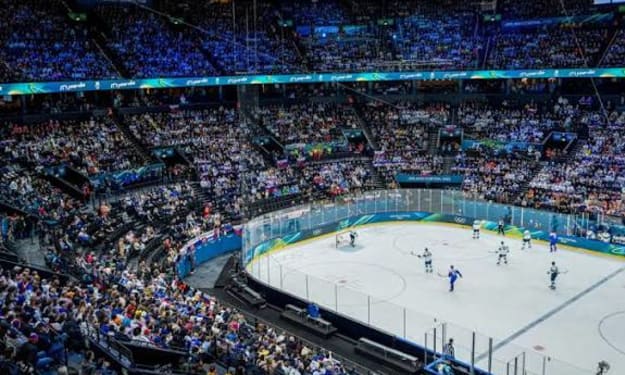
A fugitive who spent 16 years evading justice was arrested upon his return to Italy after traveling back to the country to attend the Winter Olympics, Italian authorities confirmed on Monday. The dramatic arrest ended one of the country’s longest-running manhunts and highlighted how international sporting events can draw unexpected attention — including from those seeking to disappear into the crowds. The man, whose identity has not been publicly disclosed under Italian privacy laws, had been wanted since 2009 for serious criminal offenses, including fraud and involvement in organized crime-related financial schemes. Investigators said he had lived under an assumed identity in several European countries before deciding to return to Italy to witness the Olympic Games in person. Authorities believe his desire to see the Games overpowered years of caution. “He thought enough time had passed,” said a senior police official. “But modern surveillance systems and international coordination meant that once he entered the country, he was quickly identified.” A Long-Forgotten Warrant The fugitive had been sentenced in absentia after failing to appear in court more than a decade ago. An arrest warrant remained active, but police admitted the trail had gone cold after several failed attempts to locate him abroad. Italian investigators reopened the case earlier this year when border control systems flagged a passport linked to his former identity. Surveillance teams discreetly tracked his movements after he arrived in northern Italy, where Olympic events were being held. Officers waited until he had settled into accommodation near a host city before moving in to make the arrest, avoiding public disruption during the Games. Olympic Crowds Provided Cover — and Clues Large international sporting events attract millions of visitors and create an environment where anonymity can feel possible. Police said the man likely believed he could blend into the influx of tourists. However, biometric border checks and hotel registration requirements made it easier for authorities to trace him once he crossed into the country. The arrest took place just hours before he was scheduled to attend an evening event, according to officials familiar with the operation. “It was almost cinematic,” one investigator said. “He came back to celebrate sport and ended up facing justice.” The incident occurred during the Milan-Cortina Winter Olympics, which have brought unprecedented security measures to Italy, including expanded police presence and cooperation with international law enforcement agencies. Life on the Run Court documents show that after fleeing Italy, the man lived for years in Spain and later in Eastern Europe, working informal jobs and avoiding official records. He used false names and avoided contact with relatives to prevent detection. Friends who later cooperated with police said he followed Italian news closely and dreamed of returning one day, particularly for a major cultural or sporting event. Investigators believe he underestimated how much technology had changed in the past 16 years. “Back then, disappearing was easier,” said a legal analyst. “Now databases talk to each other. A single passport scan can reopen a case from years ago.” Italy’s Message on Law Enforcement The arrest has been hailed by officials as proof of Italy’s strengthened judicial reach and the effectiveness of international cooperation. The Italian State Police said the operation was coordinated with border authorities and foreign partners who had tracked the suspect’s earlier movements. “This demonstrates that justice has no expiration date,” a police statement said. “Those who flee cannot assume they will remain invisible forever.” The government also stressed that Olympic security measures were designed not only to protect athletes and spectators but also to assist in detecting individuals with outstanding warrants. Public Reaction News of the arrest spread quickly across Italian media and social platforms, where many described the story as both ironic and symbolic. “It’s unbelievable,” one commentator wrote. “He escaped prison for 16 years but came back for sports.” Others praised the authorities for handling the arrest discreetly, avoiding scenes that could have disrupted Olympic events or endangered spectators. Legal Consequences The man was taken into custody and transferred to a high-security facility pending formal sentencing. Prosecutors said he will now serve the original prison term imposed years ago, along with potential additional charges related to document fraud and identity falsification. Legal experts say his voluntary return, even if unintentional, leaves him with little room for appeal. “He crossed the border under his real name,” said a criminal law professor. “That made the case straightforward.” A Warning to Other Fugitives Officials say the arrest sends a powerful message to fugitives living abroad: time does not erase legal responsibility. With major events like the Olympics increasing international data sharing, authorities expect more cold cases to be reopened. “This is not just about one man,” said an Interior Ministry spokesperson. “It’s about showing that justice can wait, but it does not forget.” As the Winter Olympics continue across Italy’s northern cities, the story of the fugitive who returned for sport and left in handcuffs has become a stark reminder that even moments of celebration can lead to long-delayed accountability.
By Fiaz Ahmed 9 days ago in The Swamp
North West Troops Train to Fight with NATO as Global Tensions Rise. AI-Generated.
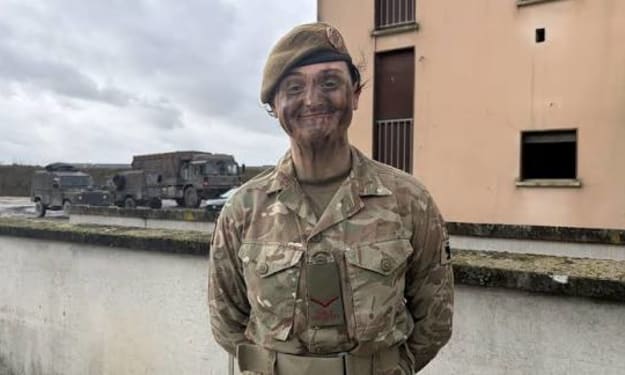
Troops based in England’s North West are stepping up intensive training exercises designed to prepare them for potential deployment alongside allies in the NATO, as military planners respond to a changing global security landscape. The drills, which have taken place over recent weeks, focus on modern battlefield tactics, rapid deployment, and close cooperation with international forces. The training reflects a wider shift in defence priorities, with European armies strengthening readiness following ongoing conflicts in Eastern Europe and the Middle East. British commanders say the exercises are about ensuring that soldiers can operate seamlessly with allied units under NATO command if required. “These troops are training for the reality of today’s world,” said a senior officer overseeing the programme. “They must be able to deploy quickly, communicate with partners from other nations, and handle complex threats across land, air, and cyber domains.” Preparing for a New Era of Warfare The North West units, drawn from both regular and reserve forces, have been conducting live-fire exercises, urban combat simulations, and large-scale manoeuvres across military training grounds. Scenarios include defending key infrastructure, responding to cyberattacks, and supporting allied forces under a NATO mission mandate. Officials stress that this is not preparation for a single conflict but rather part of a long-term effort to ensure Britain remains a reliable partner within NATO’s collective defence system. Training has increasingly focused on interoperability — the ability of different nations’ forces to operate as one. Troops practice using shared command systems, NATO-standard equipment, and common battlefield procedures so that, in the event of deployment, confusion is minimized. “We are no longer training in isolation,” one instructor said. “Every exercise is built around working with allies — whether that’s logistics, communications, or frontline coordination.” Lessons from Recent Conflicts Military planners have incorporated lessons learned from recent wars, particularly the importance of drone technology, electronic warfare, and intelligence sharing. Soldiers are now routinely trained to counter unmanned aerial vehicles and to operate in environments where GPS and communications could be disrupted. Troops in the North West have also been drilled in casualty care under combat conditions, recognizing that modern warfare requires fast and advanced medical responses close to the front line. “These are skills that save lives,” said a medic taking part in the programme. “We train as if we’re already in a NATO operation zone.” The exercises have also included night operations and extreme-weather drills, simulating conditions soldiers might face in Eastern Europe or Arctic regions. Local Impact and Community Support The training programme has brought a visible military presence to parts of the North West, with residents reporting increased activity around bases and training areas. While some noise and disruption has been unavoidable, local councils say communities have largely been supportive. “We understand the importance of national defence and international cooperation,” said one council spokesperson. “Our communities are proud that local troops are contributing to global security.” Families of soldiers have also been briefed on the possibility of overseas deployment, with support services offered to help them prepare for extended absences. For many service members, the training represents both professional development and a sense of duty. “We know what’s at stake,” said one corporal. “This isn’t just about the UK — it’s about protecting our allies and standing by our commitments.” Britain’s Role in NATO The UK has long been one of NATO’s leading contributors, providing troops, intelligence, and equipment to multinational missions. Recent defence reviews have highlighted the need to strengthen forward presence in Eastern Europe and enhance rapid reaction forces. North West units are expected to form part of these rapid deployment groups, capable of moving within days if tensions escalate. Defence analysts note that the renewed emphasis on NATO training sends a political message as much as a military one. “It shows that the UK is serious about collective defence,” said one security expert. “This kind of training is meant to deter aggression by demonstrating readiness and unity.” Technology and the Future Soldier Alongside traditional combat drills, troops are being introduced to advanced technology, including battlefield sensors, encrypted communications, and simulation systems that recreate real combat conditions. Virtual reality training tools now allow soldiers to practice scenarios that would be too dangerous or costly to recreate in real life. Commanders say this blend of technology and field training is creating a more adaptable and resilient force. “You can rehearse an entire mission digitally before stepping onto the ground,” an officer explained. “It means fewer mistakes when it counts.” Looking Ahead The training programme will continue throughout the year, with joint exercises planned with other NATO nations in Europe. Some North West troops are expected to take part in multinational drills later this spring, testing their readiness in large-scale operations. For the soldiers involved, the message is clear: preparedness is no longer optional. “We hope we never have to use these skills in real conflict,” said one trainee. “But if the call comes, we’ll be ready.” As geopolitical tensions remain high, the North West’s contribution to NATO readiness underscores how local communities are increasingly connected to global security challenges. What happens on training grounds in northern England today could shape international responses tomorrow.
By Fiaz Ahmed 9 days ago in The Swamp
Fresh Snow and Ice Warnings Issued for Weekend as Arctic Air Hits the UK. AI-Generated.
Britain is bracing for a sharp return to winter conditions after forecasters issued fresh snow and ice warnings for the weekend, with Arctic air sweeping south across the country. Temperatures are expected to plunge well below seasonal averages, raising concerns about travel disruption, hazardous roads, and pressure on health services. The UK Met Office has warned that a band of cold air moving in from the north will bring freezing temperatures overnight and snowfall in several regions, particularly across Scotland, northern England, and higher ground in Wales. “This is a significant shift from the milder weather seen earlier in the month,” a spokesperson said. “People should be prepared for icy conditions, reduced visibility, and difficult journeys.” Arctic Blast Sweeps South Meteorologists say the cold spell is being driven by Arctic air descending from Scandinavia and the North Atlantic, replacing recent Atlantic systems that brought heavy rain and flooding to parts of the country. Daytime temperatures are expected to struggle above 2°C in northern regions, while overnight lows could drop to -6°C in rural areas. Snow showers are forecast for upland regions, with some lower-lying towns also at risk of temporary accumulations. The cold front is predicted to arrive late Friday, intensifying through Saturday and into Sunday. “It’s not unusual for February, but the contrast with recent wet and windy weather will feel dramatic,” said one forecaster. Travel Disruption Likely Transport authorities have urged motorists and rail passengers to check conditions before travelling. Ice forming on untreated roads could make driving dangerous, particularly early in the morning and late at night. Airports in Scotland and northern England are also preparing for possible delays if snowfall intensifies. Airlines have warned passengers to allow extra time for journeys and monitor flight updates closely. Network Rail confirmed that engineers will be on standby throughout the weekend to respond to frozen points and snow-covered tracks. “Even light snowfall can cause problems when temperatures drop quickly,” a rail official said. Health Warnings for Vulnerable Groups Health officials are advising older people and those with existing medical conditions to take extra precautions. Cold temperatures increase the risk of hypothermia, respiratory illness, and heart problems. GP practices and hospitals are preparing for a potential rise in weather-related admissions, particularly among elderly patients and those with chronic conditions. Local councils have also opened emergency shelters for people experiencing homelessness, as overnight temperatures fall below freezing. “We’re working with charities and community groups to ensure no one is left outside in these conditions,” a council spokesperson said. Impact on Schools and Services Some schools in rural and hilly areas have warned of possible closures if snow accumulates or roads become unsafe. Parents are being advised to check school websites and local authority announcements before setting out. Bin collections and other council services may also be disrupted if vehicles cannot safely access residential streets. Farmers have expressed concern about livestock, particularly newborn animals, as freezing winds and snowfall increase the risk of exposure. Contrast with Flooding Concerns The cold snap follows weeks of heavy rain that caused flooding in several parts of the Midlands and the north of England. While the drier Arctic air will reduce rainfall, melting snow later next week could add to pressure on already saturated ground. Environmental agencies are monitoring river levels closely, warning that rapid thawing could still trigger localized flooding. “People should not assume that the risk has passed simply because the weather turns cold,” one official said. Public Advised to Prepare Authorities are urging households to take simple steps to stay safe, including: Keeping warm with adequate heating and clothing Checking on elderly neighbors and relatives Stocking up on essential supplies Ensuring cars have antifreeze, fuel, and emergency kits Pet owners are also being advised to bring animals indoors where possible and protect outdoor water sources from freezing. When Will It End? Forecasters say the Arctic conditions are likely to persist for several days, with a gradual return to milder weather expected early next week. However, further cold spells cannot be ruled out as weather patterns remain unsettled across Europe. “There is still uncertainty about how long the cold air will hold,” the Met Office said. “People should keep checking forecasts and warnings as conditions may change quickly.” A Reminder of Winter’s Grip The sudden return of snow and ice serves as a reminder that winter is far from over. While many had hoped for an early taste of spring after recent storms, the Arctic blast is expected to bring renewed challenges for communities already dealing with the effects of extreme weather. Emergency services say preparation and caution will be key in the days ahead. “This weekend is about staying safe,” said a police spokesperson. “If you don’t need to travel, consider staying at home until conditions improve.” As Britain prepares for freezing winds, icy roads, and falling snow, residents are being urged to take weather warnings seriously and look out for one another during the coldest weekend of the season.
By Fiaz Ahmed 9 days ago in The Swamp