finance
Money talks; reviewing the global economy, government spending, taxes, and economic policy that affect our social and political future.
Netflix Stock Is Falling: What’s Behind the Market’s Reaction Despite an Earnings Beat. AI-Generated.
Netflix recently released its latest quarterly earnings report, exceeding analysts’ expectations in several key areas. The streaming giant reported higher-than-anticipated revenue and profits, signaling resilience amid a highly competitive market. Yet, despite the strong results, Netflix stock has fallen, leaving investors puzzled and analysts debating the reasons behind the market’s reaction.
By Muhammad Hassan23 days ago in The Swamp
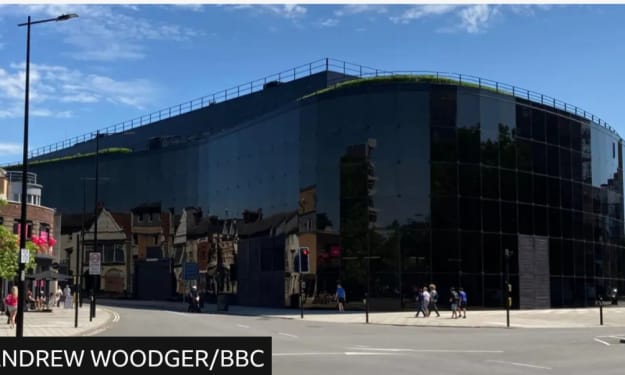
‘Iconic’ Willis Building to Become Halo’s Global HQ. AI-Generated.
The Willis Building, one of the most recognizable landmarks in the UK’s commercial architecture, is set to become the global headquarters for Halo, a leading technology and creative solutions company. The move marks a significant milestone for both the building and the rapidly growing company, symbolizing innovation, design excellence, and global ambition.
By Aarif Lashari23 days ago in The Swamp
UK Drinks Firm Crashes Into Administration – Famous for Popular Gin. AI-Generated.
A leading UK drinks company, widely recognized for its popular gin brands, has entered administration amid financial difficulties, sending shockwaves across the beverage industry. The firm, which built a reputation for high-quality spirits and innovative marketing campaigns, faces uncertainty as administrators are appointed to manage its operations. Financial Troubles Lead to Administration The UK drinks company cited mounting debts, rising operational costs, and challenging market conditions as primary factors behind its collapse. Administration is a legal process designed to protect struggling businesses from creditors while allowing time to reorganize or sell assets. Executives revealed that despite strong sales of their signature gin products, the company struggled to maintain profitability due to increased production costs, supply chain disruptions, and competitive pressures in the premium spirits market. Iconic Gin Brands at the Center The company is best known for its flagship gin, which has gained widespread recognition both domestically and internationally. Its distinctive branding, creative packaging, and bold marketing campaigns helped it capture a loyal customer base. Industry analysts suggest that the brand’s popularity could make it attractive to potential buyers, who may acquire its assets, intellectual property, and production facilities during the administration process. Impact on Employees Entering administration typically raises concerns for staff, and employees of the drinks firm are no exception. The company employs hundreds across production, marketing, and distribution, and administrators have been tasked with evaluating staffing levels while exploring options to continue operations. Unions and workers’ representatives have called for transparency and assurances that jobs will be protected where possible, emphasizing the social impact of a high-profile business collapse. Market Pressures and Competitive Landscape The premium gin sector in the UK has grown rapidly over the last decade, with many new entrants competing for consumer attention. While demand for gin remains strong, profit margins are under pressure from increased raw material costs, fluctuating supply chains, and regulatory constraints, including alcohol duty increases. Smaller and mid-sized producers, like this company, face particular vulnerability. Analysts note that even brands with strong consumer recognition can struggle financially if operational costs rise faster than revenue growth. Consumer Reaction News of the company entering administration has sparked concern among fans of its gin products. Social media platforms were flooded with messages of support, with customers expressing hope that the brand would survive and continue producing their favorite spirits. Some enthusiasts have also highlighted the potential for the brand to be purchased by a larger competitor, which could help stabilize production while preserving the iconic products. Potential Buyers and Future Prospects Industry insiders suggest that several multinational drinks firms may be interested in acquiring the company’s assets, including its trademarks, distillation equipment, and distribution channels. Such acquisitions could safeguard the brand’s legacy while providing new investment to revitalize operations. Administrators are tasked with evaluating all potential offers, prioritizing proposals that protect employees, creditors, and the company’s intellectual property. The process could take several weeks or months, depending on interest from investors and buyers. Wider Implications for the Drinks Industry The collapse of a high-profile gin producer underscores the challenges facing mid-sized beverage companies in the UK. Despite strong consumer demand for premium spirits, market volatility, increased production costs, and rising competition are placing pressure on businesses across the sector. Industry analysts warn that other smaller brands could face similar financial pressures, highlighting the need for careful financial management and adaptability in a rapidly evolving market. Government and Regulatory Perspective While administration is a private legal process, the government monitors such developments closely due to potential impacts on employment, trade, and tax revenues. Officials have stressed that the administration process is designed to maximize value for creditors and employees, and to preserve brands where possible. Regulatory bodies may also oversee the sale of alcoholic beverages to ensure compliance with licensing laws, production standards, and consumer safety requirements. Lessons for Entrepreneurs and Investors The collapse of this UK drinks firm provides lessons for entrepreneurs and investors in the premium spirits market. Strong branding and product popularity alone may not guarantee financial stability; careful attention to cost management, supply chain resilience, and market trends is essential. Experts suggest that companies should diversify revenue streams, explore strategic partnerships, and plan for unexpected challenges to remain competitive in the long term. Conclusion: Uncertain Future for a Beloved Brand The UK drinks firm’s entry into administration marks a significant moment for the beverage industry, particularly for fans of its popular gin products. While the process introduces uncertainty, it also presents opportunities for investment, restructuring, and potential acquisition by larger players. For employees, consumers, and industry observers, the focus now is on how the administration unfolds and whether the brand can survive, maintain its reputation, and continue producing the spirits that made it a household name.
By Aarif Lashari23 days ago in The Swamp
UK Inflation Rises to 3.4%, Driven by Tobacco and Airfares. AI-Generated.
The United Kingdom has reported a rise in inflation to 3.4% in December, marking the first noticeable increase in several months. Analysts attribute the growth primarily to higher tobacco prices and airfares, indicating that despite overall economic stabilization, households continue to face pressure on their wallets.
By Aarif Lashari23 days ago in The Swamp
Why Are UK Prices Still Rising?. AI-Generated.
Despite a year of government interventions, interest rate adjustments, and promises of economic stability, prices in the UK continue to climb. From groceries to energy bills, everyday expenses are leaving households feeling squeezed. Understanding why inflation remains high requires examining a mix of global, domestic, and structural factors shaping the UK economy today.
By Aarif Lashari24 days ago in The Swamp
Gold & Silver Prices Surge Toward Fresh Records as Safe-Haven Demand Meets Tight Supply. AI-Generated.
Gold and silver prices are climbing rapidly, approaching fresh record highs, as investors flock to safe-haven assets in response to geopolitical tensions, inflation concerns, and tight market supply. This surge highlights the enduring role of precious metals as a hedge against economic instability and the interplay between global demand and constrained availability.
By Aarif Lashari24 days ago in The Swamp
Grave Image Starmer.
According to Beth Rigby of Sky News, she has never seen the UK Prime Minister look so troubled. Sir Keir stood at the podium in the Downing Street Newsroom, delivering a message of a serious split in opinion between the UK and the US. Beth described the prime minister's face as grave. In her words, this press briefing by the prime minister is the most serious crisis in the so-called special relationship between the UK and the US in years.
By Nicholas Bishop24 days ago in The Swamp
Britain Needs ‘AI Stress Tests’ for Financial Services, Lawmakers Say. AI-Generated.
Artificial intelligence is reshaping industries at lightning speed, but a cross-party group of British lawmakers has issued a stark warning: the UK’s financial system isn’t prepared for AI-related risks.
By Aarif Lashari24 days ago in The Swamp
One Wall Street Bank Downgrades Europe Over Greenland Threat. AI-Generated.
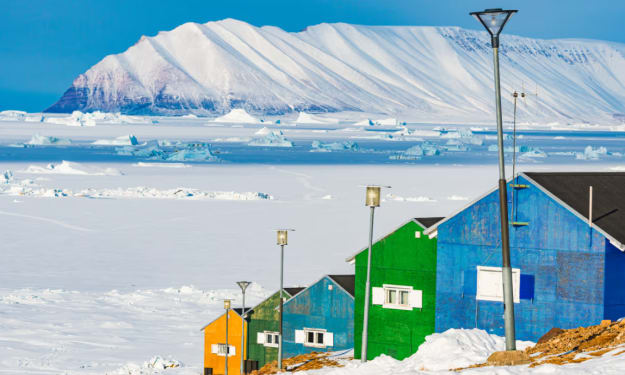
A leading Wall Street bank has wasted no time downgrading its outlook on Europe following U.S. former President Donald Trump’s controversial Greenland threat. The decision underscores the growing concern among investors, analysts, and communities who closely monitor global markets about the potential economic and social impact of geopolitical tensions. While headlines often focus on the stock market numbers, these developments have real consequences for communities worldwide, from small investors to multinational businesses and even everyday citizens affected by trade policy changes. What Happened The downgrade comes in response to Trump’s renewed push over Greenland, where he suggested the U.S. might pursue tariffs or take a more aggressive stance toward allied European countries unless negotiations favor U.S. interests. Following the announcement, Wall Street reacted immediately: European stocks were marked down as analysts revised forecasts. Futures for indices like Germany’s DAX and France’s CAC 40 showed sharp declines. Safe-haven assets, including gold and government bonds, gained traction as investors sought stability. This quick reaction from a major Wall Street bank reflects the speed at which financial institutions now respond to political events, and how market moves can ripple into communities far beyond Wall Street itself. Why Analysts Are Concerned Experts highlight several reasons for the downgrade: Trade Disruptions: Tariffs or sanctions could disrupt European exports and imports, affecting jobs, manufacturing, and small businesses. Investor Uncertainty: When global tensions rise, investment slows. Markets may overreact, causing volatility that affects pensions, retirement funds, and savings accounts. Economic Growth Risks: Reduced confidence can slow spending and investment, potentially impacting households and local economies in Europe and beyond. For communities that rely on stable economic conditions, these shifts are more than numbers on a screen — they impact real lives. Geopolitical Context Trump’s Greenland threat is part of a broader pattern of using trade policy as leverage in geopolitical disputes. While often framed as economic strategy, such moves have social and communal consequences: Local industries may face sudden cost increases due to tariffs. Jobs in trade-dependent sectors could be at risk. Prices for imported goods could rise, affecting household budgets. Europe, historically a stable economic partner, now faces increased market scrutiny and potential disruption to community-level economic stability. How Communities Feel the Impact While the news seems distant to many, market changes affect communities in multiple ways: Investors: Pension funds and retirement accounts exposed to European markets could see fluctuations. Businesses: Importers, exporters, and small businesses dependent on trade with Europe may face uncertainty. Consumers: Price increases and reduced availability of goods could trickle down to households. Social media and local news outlets show that people are discussing the potential economic consequences, raising awareness about the link between geopolitical events and everyday life. Wall Street’s Role The bank’s quick downgrade illustrates how financial institutions act as both market influencers and risk indicators. Downgrades can: Signal caution to investors worldwide. Lead to sell-offs or reallocation of capital. Affect lending rates, borrowing costs, and investment confidence. When these actions cascade, communities dependent on a stable economic climate may feel the effects in employment, investment, and public services. Broader Implications This situation highlights the interconnectedness of global economies. Decisions made in Washington or on Wall Street can influence: European financial markets Local businesses and jobs Consumer prices in multiple countries It also emphasizes the importance of communities understanding how political and economic events intersect, making it crucial for individuals and organizations to be informed about global news and its local impact. Analysts’ Recommendations Financial analysts advise communities and investors to: Diversify Investments: Spread risk across multiple regions to buffer against geopolitical shocks. Monitor News Closely: Staying informed helps anticipate changes that might affect personal finances or local businesses. Plan for Volatility: Understand that global tensions can temporarily affect market stability and community economic confidence. These strategies are not just for large investors; every community member can benefit from being financially aware and prepared. Why This Matters to the Community The downgrade is not merely a Wall Street story — it is a community story: Schools, hospitals, and local services may face budget pressures if economic growth slows. Small businesses dependent on trade may see disruptions. Everyday families could feel the impact through rising prices or reduced job security. Understanding how geopolitical events ripple into local life helps communities advocate for responsible policy, informed investment, and resilience in uncertain times. Looking Ahead As the situation evolves, it will be critical to watch: How European governments respond to potential U.S. tariffs or threats. Market reactions across global indices and local stock exchanges. The long-term impact on community-level economic stability. While Wall Street focuses on markets, communities must consider the broader consequences of geopolitical tensions, trade disruptions, and economic downgrades. Awareness, planning, and engagement can help communities navigate uncertainty and maintain resilience. The Takeaway The Wall Street bank’s rapid downgrade of Europe over the Greenland threat is a reminder of the global interconnectedness between politics, finance, and everyday life. It is a wake-up call for communities to understand how international events affect local economies, jobs, and families. In an era of fast-moving global news, staying informed, preparing for volatility, and understanding the local impact of international actions are essential for community wellbeing.
By Muhammad Hassan24 days ago in The Swamp