Latest Stories
Most recently published stories in The Swamp.
Germany and France Interested in Polish Piorun MANPADS, Some May Be Supplied to Ukraine. AI-Generated.
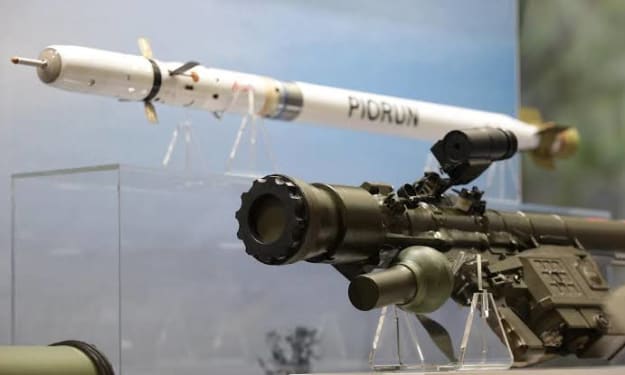
Amid the ongoing conflict in Ukraine, European nations are exploring the potential acquisition of Poland’s Piorun man-portable air-defense systems (MANPADS), with some units reportedly slated for deployment to Ukrainian forces. These developments underscore growing Western interest in advanced short-range air defense systems to counter threats posed by drones, helicopters, and low-flying aircraft on the modern battlefield. Polish Piorun: A Proven Air-Defense Solution The Piorun, developed by Polish Armaments Group, is an upgraded version of the earlier Grom MANPADS. It features advanced guidance systems, higher agility, and improved targeting sensors capable of tracking low-signature aerial threats. The system is portable, allowing infantry units to carry it in combat zones, and can be deployed quickly to protect front-line positions. Poland has demonstrated the Piorun in exercises alongside NATO forces, showcasing its efficacy against drones and aircraft operating at low altitudes. The system’s versatility has attracted interest from other European militaries, particularly as hybrid threats and unmanned aerial vehicles (UAVs) become more prevalent in contemporary conflicts. Germany and France Express Interest Recent defense briefings indicate that both Germany and France are evaluating the feasibility of acquiring the Piorun to bolster their short-range air defense capabilities. Officials in Berlin and Paris have highlighted the system’s potential to fill gaps in protection against small, agile aerial threats, which traditional air defense platforms sometimes struggle to counter. A source familiar with the discussions told analysts that while neither country has finalized procurement agreements, both are conducting technical assessments and evaluating production capacity in Poland to meet potential orders. These assessments also include compatibility with existing NATO communications and command systems, as interoperability remains a key factor in multinational operations. Supplying Piorun Systems to Ukraine Poland has emerged as a critical supplier of advanced defense equipment to Ukraine, providing various armored vehicles, artillery systems, and short-range air defense weapons. Reports indicate that a limited number of Piorun units may be transferred to Ukrainian forces, enhancing their capability to defend against Russian helicopters, drones, and tactical aircraft operating near contested frontlines. Ukrainian military officials have welcomed the prospect, noting that portable, high-precision air-defense systems provide front-line troops with flexible options to counter aerial threats in dynamic combat situations. The Piorun’s mobility and modern guidance make it especially suitable for Ukraine’s current battlefield, where small-unit operations and rapidly changing front lines are common. Strategic Implications The potential transfer of Piorun systems to Ukraine carries both military and geopolitical implications. It represents continued Western support for Kyiv, signaling NATO countries’ willingness to supply advanced weapons while avoiding direct involvement in combat operations. The provision of such systems could also influence Russian operational planning, compelling Moscow to adjust tactics to mitigate the threat from portable, precision air-defense systems. For Germany and France, acquiring the Piorun offers the opportunity to modernize their own arsenals quickly. Both nations are undergoing reviews of their air-defense capabilities in light of evolving threats from UAVs, cruise missiles, and low-flying aircraft. European analysts suggest that the adoption of systems like the Piorun could strengthen NATO’s layered air-defense posture in Central and Eastern Europe. Production and Export Considerations Polish defense manufacturers have confirmed that production capacity could be scaled to accommodate both domestic needs and foreign orders. However, officials caution that international sales require careful negotiation, particularly regarding delivery timelines, licensing agreements, and training for operators in foreign militaries. Furthermore, supplying Piorun units to Ukraine involves sensitive coordination with NATO allies to ensure that technology transfer does not compromise security protocols or escalate tensions with Russia. Officials have emphasized that any deliveries will be carefully measured to support Ukraine without crossing thresholds that could provoke broader escalation. Looking Ahead As Germany and France continue evaluating the Piorun MANPADS, and as Poland prepares potential shipments to Ukraine, analysts will monitor both operational deployment and geopolitical messaging closely. The move reflects a growing recognition among European countries of the importance of agile, portable air-defense systems in modern conflicts and highlights Poland’s emerging role as a key provider of advanced military technology in the region. The coming months may reveal further agreements or transfers, potentially altering both NATO’s short-range air-defense posture and Ukraine’s ability to defend critical front-line positions against evolving aerial threats.
By Fiaz Ahmed 7 days ago in The Swamp
Ukraine War Briefing: Kyiv’s Forces Made Fastest Battlefield Gains Since 2023, Analysis Finds. AI-Generated.
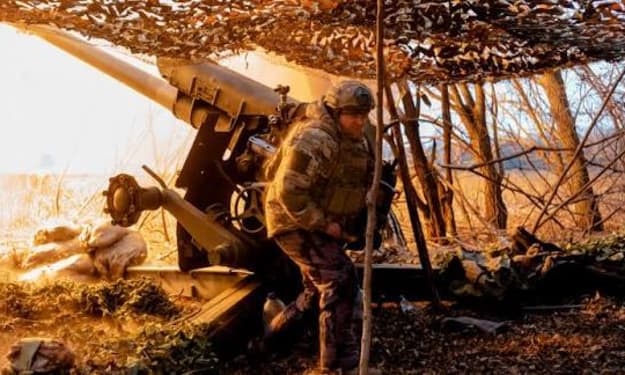
Ukrainian forces have achieved their most significant and rapid battlefield advances since 2023, according to new military analysis assessing recent developments along several front-line sectors. The findings suggest a shift in momentum after months of largely static fighting and point to improvements in coordination, intelligence, and the use of precision weapons by Ukraine. The analysis, based on satellite imagery, open-source intelligence, and battlefield reporting, indicates that Ukrainian units have reclaimed small but strategically important areas in the eastern and southern regions. While the territorial gains remain limited in scale, their speed marks a notable change from the slow, attritional pace that dominated much of last year. Breakthroughs in Key Sectors Recent fighting has focused on contested zones where Russian defensive lines had hardened over months of trench warfare. Ukrainian troops reportedly exploited weaknesses created by sustained artillery pressure and targeted drone strikes, allowing them to advance more quickly than in previous operations. Military analysts say these advances were not the result of a single large offensive but rather a series of coordinated local pushes. Small, mobile units supported by drones and long-range firepower appear to have disrupted Russian supply routes and command posts, forcing withdrawals in certain areas. “This is the fastest pace of Ukrainian movement we’ve observed since mid-2023,” one defense analyst said. “It suggests a tactical adaptation that emphasizes precision and flexibility rather than mass assaults.” Role of Technology and Intelligence A key factor behind the gains has been the expanded use of drones for reconnaissance and targeting. Ukrainian forces have increasingly relied on real-time battlefield intelligence to guide artillery and missile strikes, reducing the risk of costly frontal attacks. Electronic warfare capabilities have also played a growing role. By jamming Russian communications and GPS signals, Ukrainian units have limited the effectiveness of enemy drones and missile systems in certain sectors. Western-supplied equipment continues to shape operations, though officials caution that ammunition shortages and logistical constraints remain serious challenges. Despite these limits, commanders appear to be prioritizing carefully chosen objectives rather than broad territorial pushes. Political and Strategic Impact The advances come at a politically sensitive moment, as debates continue in Western capitals over the scale and duration of military aid to Ukraine. Officials in Kyiv have repeatedly argued that sustained support is essential to maintain pressure on Russian forces and prevent a prolonged stalemate. President Volodymyr Zelensky praised the military’s performance, saying the gains demonstrated Ukraine’s resilience and adaptability. “Our soldiers are proving that we can move forward, even under extremely difficult conditions,” Zelensky said in a recent address. “Every kilometer matters for our security and our future.” Russian officials, meanwhile, downplayed the significance of the advances, describing them as minor tactical adjustments rather than a strategic setback. Moscow maintains that its forces remain firmly in control of most contested territories. Risks of Escalation Despite the positive assessment, analysts warn that the situation remains volatile. Faster Ukrainian advances could provoke heavier Russian counterattacks, including intensified missile strikes on infrastructure and urban areas. There is also concern that success on the battlefield may encourage riskier operations in the coming months, particularly as both sides seek leverage before any potential diplomatic initiatives. With no comprehensive peace talks underway, military action continues to be the primary tool shaping the conflict’s trajectory. Civilian populations in contested regions remain vulnerable, with reports of shelling and displacement increasing in areas where fighting has intensified. Humanitarian groups have called for renewed efforts to protect non-combatants and maintain access to aid corridors. A Shift, Not a Turning Point Experts caution against interpreting the latest gains as a decisive turning point in the war. The advances are measured in kilometers rather than regions, and Russian forces still retain significant manpower and firepower. However, the speed of movement itself is significant. It signals that Ukraine has found ways to overcome some of the tactical obstacles that slowed its operations last year, particularly heavy minefields and layered defenses. “This doesn’t mean the war is close to ending,” one analyst noted. “But it does show that Ukraine can still generate momentum under the right conditions.” Looking Ahead As winter conditions ease and fighting intensifies, both sides are expected to increase pressure along key fronts. For Ukraine, maintaining recent gains will depend on continued access to weapons, ammunition, and intelligence support from allies. For now, the latest assessment offers Kyiv a rare moment of cautious optimism after months of grinding warfare. Whether these advances can be sustained — or expanded — will shape the next phase of a conflict that has already redrawn Europe’s security landscape. The coming weeks are likely to determine whether this faster pace of battlefield movement marks the beginning of a broader strategic shift or remains a brief window of opportunity in a long and costly war.
By Fiaz Ahmed 7 days ago in The Swamp
US Increases Military Pressure on Iran Ahead of High-Stakes Talks. AI-Generated.
As diplomatic negotiations between the United States and Iran resume this week, Washington is simultaneously bolstering its military posture across the Middle East in what analysts describe as an effort to increase leverage over Tehran before high-stakes nuclear talks. The dual approach — blending diplomacy with a visible military buildup — underscores the fragility of the situation and the broader regional tensions that continue to shape U.S.–Iran relations. Military Buildup in the Gulf In the past few weeks, the United States has significantly increased its military presence in and around the Persian Gulf ahead of planned talks in Geneva, where Iranian and American officials will discuss Iran’s nuclear programme and related security issues. According to U.S. officials and defense analysts, the Department of Defense has repositioned air assets, air defense systems, and naval forces closer to the region, extending the deployments of units that were previously scheduled to rotate out. News Channel 3-12 The surge includes the USS Abraham Lincoln carrier strike group already in the Middle East and the deployment of the USS Gerald R. Ford aircraft carrier from the Caribbean to join its complement of warships. These carrier strike groups, along with guided-missile destroyers and support ships, provide the United States with substantial air, missile, and strike capabilities if military action becomes necessary. The Guardian +1 The buildup also encompasses repositioned Air Force assets from Europe and the United Kingdom, including aerial refueling tankers and fighter aircraft positioned to support potential operations in the region. Moreover, ground-based air defense systems have been staged nearby to protect U.S. installations and forces. News Channel 3-12 Leverage Ahead of Negotiations U.S. officials say the military pressure is intended to bolster the negotiating position of Washington during the ongoing talks with Iranian representatives. The discussions in Geneva are aimed at securing limits on Tehran’s nuclear activities, including uranium enrichment — a highly contentious issue that has repeatedly stalled past negotiations. Speaking recently about the upcoming talks, U.S. President Donald Trump indicated that he would remain involved “indirectly” in the negotiations and emphasized that the United States was prepared to pursue diplomatic solutions but retains a range of military options should diplomacy fail. However, U.S. diplomats are pushing for broader terms in negotiations that extend beyond just the nuclear question to include Iran’s ballistic missile programme and influence on regional proxy groups, according to senior American officials. These expanded demands have complicated discussions, as Tehran remains firm that its rights to enrich uranium cannot be compromised. Iranian Response and Regional Tensions Iran has signalled its unwillingness to be intimidated by the U.S. military presence. Iranian Foreign Minister Abbas Araghchi has emphasized that Tehran will not cede its nuclear rights under pressure and has rejected U.S. calls to curtail key elements of its defence programme. Iranian officials have also warned that increased U.S. deployments and threats of force could derail diplomatic progress and heighten the risk of confrontation. In parallel with the U.S. military buildup, Iran’s Revolutionary Guard Corps has conducted military drills in the Strait of Hormuz, a crucial maritime chokepoint through which roughly one-fifth of global oil exports pass. These exercises, which Iran says test readiness amid rising tensions, illustrate Tehran’s determination to assert its strategic influence and signal that it will not be cowed by foreign military movements. Risks and Stakes The timing of the military escalation and diplomatic engagement has drawn criticism from some regional leaders and foreign policymakers, who worry that the mixture of pressure and negotiation could backfire. Gulf states, historically wary of U.S.–Iran tensions, have urged caution, warning that a misstep could disrupt oil shipments through the Strait of Hormuz, drive up global energy prices, and destabilize an already fragile region. Observers note that additional U.S. deployments risk inflaming anti-American sentiment and could strengthen hardliners in Tehran who oppose concessions. Global Implications Any failure of the Geneva talks — which involve not just nuclear issues but broader regional security concerns — could have far-reaching consequences. A breakdown in negotiations might embolden both sides to escalate military postures further, destabilizing markets and undermining diplomatic efforts by European and Middle Eastern mediators. Conversely, a breakthrough could reduce the military threat and ease geopolitical tensions. As the United States keeps its military options on the table, world leaders are watching closely. The next few days of talks carry the potential to avert or accelerate a dangerous standoff between two of the Middle East’s most powerful actors.
By Fiaz Ahmed 7 days ago in The Swamp
Mexico and Canada Plan Joint Action on Critical Minerals. AI-Generated.
Mexico and Canada are preparing to deepen cooperation on critical minerals in a move aimed at strengthening North America’s supply chains and reducing dependence on overseas sources, particularly China. The initiative reflects growing global competition over materials essential for clean energy technologies, electric vehicles, and advanced manufacturing. Officials from both countries confirmed that talks are underway to coordinate exploration, investment, and processing strategies for minerals such as lithium, nickel, cobalt, and rare earth elements. These materials are vital for batteries, renewable energy systems, and defense technologies, making them central to national security and economic planning. Strategic Motivation The joint effort comes as governments worldwide seek to secure reliable access to critical minerals amid rising geopolitical tensions and increasing demand driven by the transition to green energy. Mexico and Canada view cooperation as a way to align policies, attract private investment, and create a more resilient regional supply network. Canada already plays a major role in global mining and has identified critical minerals as a cornerstone of its industrial strategy. Mexico, meanwhile, holds significant untapped mineral reserves, including lithium deposits that have drawn international attention. By coordinating their approaches, the two countries hope to complement each other’s strengths — Canada’s mining expertise and Mexico’s geological potential. Canadian officials have emphasized that closer collaboration with Mexico could help diversify sources of supply while promoting higher environmental and labor standards across the mining sector. Mexican authorities have highlighted the importance of using mineral resources to support domestic development while participating more fully in North American industrial supply chains. Focus on Lithium and Battery Materials One of the central pillars of the joint plan is lithium, a key ingredient in electric vehicle batteries. Mexico has designated lithium as a strategic resource and has moved to increase state involvement in its extraction and management. Canada, meanwhile, is seeking to expand its lithium production and processing capacity to support its growing electric vehicle industry. Analysts say a coordinated approach could accelerate investment in refining and processing facilities, which remain a bottleneck in the global supply chain. At present, much of the world’s critical mineral processing takes place in China, leaving Western economies vulnerable to disruptions or political leverage. By working together, Mexico and Canada aim to encourage the development of regional processing hubs that would reduce reliance on distant suppliers and create high-value industrial jobs. Trade and Diplomatic Implications The plan also aligns with broader North American trade objectives under the United States-Mexico-Canada Agreement (USMCA). While the United States is not formally part of the bilateral initiative, officials acknowledge that Washington would benefit from stronger coordination between its two neighbors. Industry groups have welcomed the announcement, noting that predictable regulatory frameworks and cross-border cooperation are essential for large-scale mining and infrastructure projects. However, some environmental organizations have cautioned that mineral development must not come at the expense of ecosystems or local communities. In Mexico, where mining has historically faced opposition from indigenous and rural groups, the government has pledged that any new projects will be subject to strict environmental oversight and social consultation. Canada has similarly stressed its commitment to sustainable mining practices and partnerships with First Nations. Challenges Ahead Despite shared goals, the partnership faces obstacles. Differences in regulatory systems, investment rules, and state involvement could complicate coordination. Mexico’s recent moves to increase government control over strategic resources have raised concerns among some foreign investors, while Canada’s mining sector remains largely private-driven. Infrastructure gaps also pose a challenge. Transporting and processing minerals requires extensive rail, port, and energy networks, particularly in remote areas. Both governments will need to mobilize public and private financing to support these developments. Another key issue is workforce development. Mining and processing critical minerals require specialized skills, and both countries are exploring training programs to prepare workers for expanding industries linked to clean energy and advanced manufacturing. A Regional Vision Officials describe the initiative as part of a longer-term vision to position North America as a competitive and secure supplier of critical minerals in an increasingly fragmented global economy. With demand for electric vehicles and renewable energy projected to surge over the next decade, access to raw materials is expected to become even more strategically important. “Critical minerals are the backbone of the energy transition,” one Canadian official said. “Working with Mexico allows us to build a stronger, more secure regional supply chain that benefits both our economies.” Mexican authorities echoed that sentiment, saying cooperation would help ensure that resource development contributes to national growth while supporting regional integration. Looking Ahead Formal agreements are expected to be announced later this year, outlining specific areas of cooperation such as joint geological surveys, information sharing, and investment incentives. If successful, the partnership could serve as a model for broader continental coordination on resources vital to the future economy. As global competition intensifies, Mexico and Canada’s joint action on minerals signals a strategic shift toward collaboration over competition — a move designed to secure their place in the evolving landscape of clean energy and high-tech industries.
By Fiaz Ahmed 7 days ago in The Swamp
Creating Gray: The Newspeak Era
“Thou shalt not bear false witness against thy neighbor." — The Ten Commandments This is the fourth entry in the Gray trilogy. In this installment, I examine how lies and distractions blur the lines between black and white. Few recent moments illustrate this better than the government’s response to the killing of Alex Pretti.
By Carl J. Petersen7 days ago in The Swamp
Ley’s Shadow Immigration Minister ‘Never Agreed’ to Unreleased Liberal Plan to Ban Migrants from Gaza and Somalia. AI-Generated.
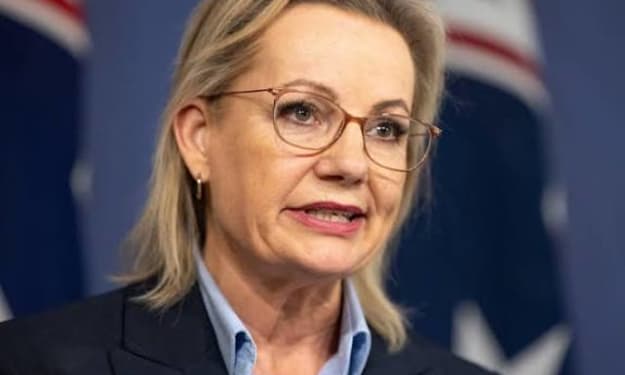
Australia’s opposition Liberal Party has been plunged into internal controversy after reports emerged of an unreleased policy proposal that would have banned migrants from Gaza and Somalia. The shadow immigration minister has publicly rejected claims that he supported the draft plan, saying he “never agreed” to the proposal and was not consulted before it appeared in internal discussions. The episode has intensified scrutiny of the party’s approach to immigration and national security at a time when political debate over refugee policy, border protection, and humanitarian obligations remains highly charged. The plan, reportedly circulated internally among senior Liberal figures, suggested restricting or suspending migration pathways for people from Gaza and Somalia, citing security and vetting concerns. However, the document was never formally adopted as party policy and was not released to the public. Its contents only became known after leaks triggered criticism from within and outside the party. Opposition Leader Sussan Ley has moved quickly to distance herself from the draft proposal, describing it as an “unapproved and incomplete internal document” that did not reflect the official position of the Liberal Party. Her office emphasized that any future immigration policy would be developed through proper cabinet and party processes rather than informal drafts. The shadow immigration minister was even more explicit in rejecting the plan. In a statement, he said he had not signed off on the proposal and did not support a blanket ban targeting migrants from specific conflict regions. “I never agreed to this policy, and it was not something I endorsed or approved,” he said. “Australia’s migration system must balance national security with humanitarian responsibility. Decisions should be based on individual assessments, not broad assumptions about entire populations.” Political Fallout and Internal Divisions The leaked proposal has revealed underlying divisions within the Liberal Party over how hardline its immigration stance should be. Some members argue that stricter controls are necessary to reassure voters concerned about security risks, while others fear that targeting specific regions could be seen as discriminatory and legally questionable. Senior Liberal sources acknowledged that the draft was prepared as part of internal policy brainstorming rather than a finalized platform. However, the wording — which reportedly named Gaza and Somalia specifically — raised alarm among moderate MPs and advisers who warned it could damage Australia’s international reputation and strain relations with humanitarian organizations. Opposition figures have accused the government of exploiting the controversy for political gain, while government ministers have criticized the Liberals for what they describe as “reckless and divisive thinking” on migration. A spokesperson for the governing party said the episode demonstrated “a lack of coherence and leadership” in opposition policy development, adding that Australia’s refugee and humanitarian intake must be guided by international law and evidence-based security assessments. Humanitarian and Legal Concerns Advocacy groups and legal experts were quick to condemn the reported proposal. Refugee organizations argued that banning migrants from Gaza and Somalia would violate Australia’s obligations under international refugee conventions, which require countries to assess asylum claims individually rather than by nationality or region. Human rights lawyers noted that both Gaza and Somalia are areas affected by long-running conflict and humanitarian crises, making their populations among the most vulnerable globally. “To single out people from war zones for exclusion undermines the core principles of refugee protection,” said one legal expert. “Security checks already exist in Australia’s migration system. A blanket ban would likely face serious legal challenges.” Muslim community leaders also expressed concern that the draft policy could fuel social division and stigmatization, particularly at a time when global conflicts have heightened tensions and misinformation. Party Leadership Response In an effort to contain the damage, Ley reiterated that the Liberal Party has no current policy to ban migrants from Gaza or Somalia and that any immigration proposals would go through formal consultation before being adopted. She also stressed that the shadow immigration minister’s position remained secure and that there had been no breach of discipline. “This was not an approved policy and does not represent where we stand,” Ley said. “We remain committed to a fair, orderly, and secure migration system that reflects Australia’s values.” However, political analysts say the controversy highlights the challenges Ley faces in maintaining unity within the opposition while appealing to both conservative and centrist voters. Broader Immigration Debate The incident comes amid renewed national discussion over immigration levels, refugee intake, and border security. Rising global displacement, conflicts in the Middle East and Africa, and domestic housing pressures have all placed migration policy under intense scrutiny. For the Liberal Party, the leak has complicated efforts to present a clear alternative to the government’s approach. Critics argue that even an unreleased proposal can shape public perception, especially when it touches on sensitive issues such as religion, conflict zones, and national identity. Political observers warn that unless the party clarifies its stance quickly, the controversy could linger and be used by opponents as evidence of internal disarray. Looking Ahead While the shadow immigration minister has firmly denied supporting the draft ban, questions remain about how the document was produced and who authored it. Ley has ordered an internal review of the policy development process to prevent similar incidents in the future. For now, the Liberal Party insists the proposal is dead. But the episode has reignited debate about how Australia should balance compassion with caution in an increasingly unstable world — and whether opposition parties can avoid policy missteps while seeking to redefine their platforms. As the political fallout continues, the controversy serves as a reminder that even unpublished ideas can have powerful consequences once they enter the public arena.
By Fiaz Ahmed 7 days ago in The Swamp
Germany News: Crowds Throng Streets for Carnival Parades. AI-Generated.
Germany’s annual Carnival season reached a vibrant peak this week as throngs of revelers took to the streets in cities and towns across the country, celebrating one of Europe’s most exuberant festive traditions. Known locally as “Karneval”, “Fasching” or “Fastnacht” depending on the region, the season culminates in flamboyant parades, elaborate costumes, and raucous street parties that draw both local participants and international visitors alike. A Tradition Rooted in History Carnival’s origins in Germany date back centuries, blending medieval customs with Christian traditions that mark the period before Lent, the 40‑day period of fasting and penance leading up to Easter. While the religious calendar shapes the timing of Carnival, the contemporary experience is predominantly secular and cultural — a time for communities to let loose, satirize politics, and revel in shared identity. In cities like Cologne, Düsseldorf, and Mainz, the festivities are particularly large‑scale, featuring official processions, marching bands, and community groups. In these Rhineland strongholds, Carnival is not simply a party but a major cultural institution that brings together generations in a shared expression of humour, colour, and joy. Streets Alive with Costumes and Celebration This year’s parades attracted tens of thousands of participants and spectators despite lingering concerns about weather and public safety. Streets were transformed into vibrant corridors of colour as masqueraders donned everything from traditional jesters and historical figures to pop culture characters and satirical takes on current events. Families, students, and tourists mingled along parade routes, waving flags, tossing sweets and small gifts known as “Kamelle”, and shouting traditional Carnival greetings such as “Alaaf!” in Cologne or “Helau!” in Düsseldorf and Mainz. Floats adorned with witty political commentary rolled by, lampooning public figures and topical issues in the manner typical of German Carnival satire. Carnival royalty — including elected figures such as the “Prince” and “Peasant,” key symbolic roles in many parades — presided over festivities, and music echoed through central squares well into the evening. Local clubs and associations, known as Karnevalsvereine, play a central role in organizing events and preserving traditional performances, songs, and customs. Tourism and Economic Impact Festive celebrations also bring significant economic activity to regions where Carnival is most popular. Hotels, restaurants, and bars typically see a boost in business, and vendors selling costumes, masks, and themed merchandise report strong sales. In Cologne, for example, officials estimated that Carnival season contributes millions of euros to the local economy each year, driven by both domestic and international visitors. Tourists from neighbouring countries such as the Netherlands and Belgium, as well as from farther afield, flocked to Carnival hubs this week, many booking months in advance to secure lodging and event tickets. Travel authorities noted that the celebrations help sustain off‑peak tourism in winter months, offering cultural attractions that complement Germany’s Christmas markets and winter festivals. Public Safety and Crowd Management Large crowds and high energy also present challenges for local authorities tasked with ensuring public safety. Police departments in major Carnival cities implemented heightened security measures, including increased patrols, first‑aid stations, and restrictions on alcohol sales in certain areas. Organizers worked with municipal officials to coordinate road closures, crowd flows, and emergency response plans. Officials encouraged revelers to be mindful of personal belongings and to seek assistance if needed. In recent years, some Carnival events have tightened security in response to broader concerns about mass gatherings in urban settings, and this year was no exception. Nevertheless, authorities described the overall atmosphere as peaceful and festive, with most attendees demonstrating cooperation and respect for safety protocols. Cultural Significance Today Despite modern challenges, Carnival remains a deeply cherished tradition in German culture. Participants often describe it as a time when everyday norms are temporarily upended, allowing people to express creativity and community spirit with humour and abandon. For many, especially those in the Rhineland, Carnival is as much a part of local identity as beer gardens, football clubs, and regional dialects. The celebrations also serve as a reminder of how traditional customs have adapted to contemporary life — merging historical roots with modern tastes in music, performance, and public participation. Street festivals, dance competitions, and late‑night gatherings complement the more formal parade events, creating a mosaic of experiences that appeal to a broad cross‑section of society. Looking Ahead As the Carnival season winds down with Tuesday’s festivities often referred to as Fat Tuesday or Shrove Tuesday, communities across Germany will gradually return to routine, and traditional Lent observances will begin on Ash Wednesday. But the memories of costumes, laughter, and shared celebration will linger, captured in photos, stories, and local lore. For now, Germany’s Carnival remains a vivid testament to the country’s cultural diversity, community resilience, and enduring love of festivity — a moment when streets are filled not only with crowds but with colour, sound, and joy.
By Fiaz Ahmed 8 days ago in The Swamp
Philippine Navy to Receive First Follow‑On SSV This Year After PT PAL Delays. AI-Generated.
The Philippine Navy is set to receive the first of two follow‑on Strategic Sealift Vessels (SSVs) — also known as landing platform docks (LPDs) — by the end of 2026, despite earlier delays attributed to contractual hurdles faced by Indonesian shipbuilder PT PAL. The delivery marks a key milestone in the Philippines’ naval modernization program, even though the timeline has shifted significantly from original projections. Background: A Follow‑On Order for Sealift Capability The follow‑on contract was signed in June 2022 for approximately $100.9 million (P5.59 billion) to build two new 7,200‑ton SSVs, each measuring about 124 meters in length and designed to carry landing craft and support amphibious operations. These follow‑on vessels are repeat orders after an earlier order from 2014 that produced the first two ships of the Tarlac class, which remain key sealift and humanitarian assistance assets for the Philippine Navy. The contract envisioned a robust support platform that can transport troops, vehicles and equipment and serve in disaster response, search and rescue, and other multi‑mission roles — a capability deemed critical for a maritime nation composed of more than 7,000 islands. Delays and Revised Delivery Schedules Originally, the first of the follow‑on SSVs was scheduled to be delivered in the first week of November 2025. However, construction and delivery milestones were repeatedly missed due to what Philippine and PT PAL officials described as “challenges the proponent is facing.” These included not meeting contractual milestones such as steel cutting, keel laying or planned launch dates that industry watchers cited as signs of production strain and capacity constraints at the Indonesian yard. The keel for the first vessel was laid in January 2024, followed by steel cut procedures for the second. Despite these steps, the schedule shifted, with the new target for delivery set to November 2026 — a full year after the originally intended date. PT PAL has attributed some of the delays to broader geopolitical conditions and external factors that affected supply chains and production pacing, although the specifics were not publicly detailed. Analysts see such delays as part of broader challenges in regional shipbuilding, where capacity and workforce issues can ripple across defence orders. Default Strategic Importance of SSVs For the Philippine Navy, these follow‑on SSVs represent more than just new hulls. They are part of an evolving fleet architecture aimed at increasing operational reach, disaster response capacity, and amphibious lift capability. The original Tarlac class has demonstrated utility in a variety of roles — from troop transport and humanitarian missions to multinational exercises — and the new ships are expected to augment and eventually replace some of the Navy’s older logistics platforms. The strategic sealift vessels are designed with ample deck space, troop accommodation, and the ability to support helicopter operations, making them versatile contributors to national defence and maritime security. Their role includes facilitating rapid force movement across the archipelago as well as serving in humanitarian assistance and disaster relief (HADR) operations, a mission set increasingly critical for a country prone to natural disasters such as typhoons and earthquakes. Broader Naval Modernization The follow‑on SSVs complement other modernization efforts by the Philippine Navy, which has been acquiring a mix of combat and support vessels to expand its maritime capability. These include offshore patrol vessels, frigates, and other platform types from South Korean and international shipbuilders as part of a multi‑year program to strengthen defence posture and maritime security capacity. The Philippine government’s sustained investment into these platforms reflects a strategic emphasis on enhancing deterrence and operational flexibility in a complex regional security environment, especially in contested waters of the South China Sea. As new platforms come online, such as modern OPVs and guided‑missile frigates, support vessels like SSVs will play a vital role in enabling extended deployments and joint operations. Looking Ahead While the delivery of the first follow‑on SSV by November 2026 represents progress, observers will be watching closely how PT PAL and Philippine defence planners manage the second vessel’s construction and delivery. Continued close cooperation and clear milestone management will be essential if Manila is to avoid further delays and ensure fleet requirements are met on schedule. For now, the upcoming arrival of the first follow‑on vessel underscores both the ongoing challenges and the enduring partnerships underpinning the Philippine Navy’s modernization journey — a testament to how strategic sealift capability remains at the heart of its expanding maritime ambitions. Start writing...
By Fiaz Ahmed 8 days ago in The Swamp
With Latest Rollback, the U.S. Essentially Has No Clean‑Car Rules. AI-Generated.
The United States has effectively dismantled its federal clean‑car framework after the Environmental Protection Agency (EPA) under President Donald Trump rescinded a foundational climate science finding that provided the legal basis for regulating vehicle emissions and other greenhouse gases. The move, described by critics as the most sweeping climate policy rollback in U.S. history, removes federal limits on tailpipe emissions and leaves the nation without core nationwide standards designed to reduce vehicle pollution and promote cleaner cars. The End of a Legal Foundation At the center of the rollback is the EPA’s February 12 decision to revoke the 2009 “endangerment finding” — a scientific judgment that concluded greenhouse gases, such as carbon dioxide and methane, pose a danger to public health and welfare. That finding gave the agency authority under the Environmental Protection Agency and the Clean Air Act to regulate emissions from vehicles, industrial polluters, and power plants. With that basis gone, federal rules that once required automakers to limit greenhouse gas emissions and increase fuel efficiency have been rolled back or canceled. The repeal effectively removes emissions targets for cars and trucks that were supposed to apply through the late 2020s, and opens the door for manufacturers to prioritize traditional internal combustion vehicles over cleaner alternatives such as hybrids and electric vehicles (EVs). Administration officials argue the rollback reduces regulatory costs for the auto industry and consumers. Trump and EPA Administrator Lee Zeldin have said the shift will cut economic burdens by trillions of dollars while restoring “common sense” to climate policy. They also claim it supports affordability and consumer choice in the vehicle market. What’s Lost in Regulation Under the previous regulatory regime, clean‑car standards were expected to deliver significant public health and environmental benefits. According to EPA analysis under earlier administrations, stricter vehicle emission limits could have prevented billions of tons of carbon dioxide emissions over several decades and reduced pollutants linked to respiratory diseases, heart conditions, and premature deaths. The Associated Press With federal standards effectively gone, critics warn that: Tailpipe pollution could increase as automakers face less pressure to improve fuel efficiency. States with stricter standards, such as California, may be challenged legally or pushed to adjust their programs. Long‑term incentives for EV adoption and low‑emission technology could weaken. Public health outcomes could worsen, especially in communities already burdened by poor air quality. Environmental and health advocates have framed the turnabout as a direct assault on clean‑air progress and climate action. The American Lung Association, among others, had previously emphasized that cleaner cars standards not only reduce carbon pollution but also slash substances that trigger asthma, heart disease, and other health issues. States, the Auto Industry, and Legal Conflicts With federal oversight diminished, individual states may attempt to fill the void. In the past, several states — led by California — adopted stricter vehicle emissions standards than the federal baseline, a provision allowed under the Clean Air Act. Whether these state programs can withstand legal and political pressure remains a key question. Automakers themselves have offered mixed reactions. Industry groups generally support regulatory relief but worry that uncertainty could stifle long‑term investment in new technologies. Some companies had already committed billions to electrification and advanced efficiency improvements, betting on a cleaner‑vehicle future before the rollback. Legal battles are expected to follow. Environmental lawyers argue that the EPA lacks statutory authority to erase the endangerment finding and suspend emissions regulation without congressional action. Prior Supreme Court rulings, notably Massachusetts v. EPA, upheld the agency’s ability to treat greenhouse gases as pollutants under the Clean Air Act — a precedent now directly challenged. Broader Impacts and the Path Ahead Without federal clean‑car rules, the U.S. joins a shrinking group of industrialized countries with minimal centralized emissions standards. Critics say this shift could slow national progress toward combating climate change, ceding technological leadership in clean transportation to other countries while raising both health and environmental costs. Supporters, by contrast, frame the rollback as economic deregulation that empowers consumers and reduces compliance burdens on businesses. They argue that market forces, rather than federal mandates, should drive vehicle innovation. As the legal challenges continue and states consider their own strategies, the absence of federal clean‑car rules will be felt across policy, industry, and everyday life — from vehicle prices at dealerships to the air millions of Americans breathe.
By Fiaz Ahmed 8 days ago in The Swamp
Trump’s New World Order Has Become Real — and Europe Is Having to Adjust Fast. AI-Generated.
For decades, Europe built its political and security architecture on a single assumption: that the United States would remain the continent’s ultimate guarantor of stability. That assumption is now under intense strain. The return of Donald Trump to center stage in global politics has accelerated a transformation many analysts once dismissed as temporary rhetoric. What was once called “Trump’s worldview” is increasingly becoming a concrete reality—one that is reshaping Europe’s strategic thinking at remarkable speed.
By Sajida Sikandar8 days ago in The Swamp
PTI Leader Latif Khosa Writes to CJP, Raises Concerns Over Imran’s Medical Check-Up at Adiala Jail in ‘Secrecy’. AI-Generated.
Senior Pakistan Tehreek-e-Insaf (PTI) leader Latif Khosa has written a formal letter to the Supreme Court of Pakistan, urging immediate judicial intervention over what he described as a “secretive and non-transparent” medical examination of former prime minister Imran Khan at Adiala Jail. In his letter addressed to the Chief Justice of Pakistan, Khosa alleged that Khan’s recent medical check-up was conducted without informing his legal team or family members and without following standard legal and medical protocols. The PTI leader claimed that this secrecy has raised serious concerns about Khan’s health, safety, and constitutional rights while in custody. Concerns Over Transparency Khosa stated that the medical examination was carried out under “unusual circumstances,” with restricted access to independent doctors and no official medical report shared with Khan’s lawyers. According to the letter, this violated basic principles of transparency and due process guaranteed under Pakistan’s Constitution and international human rights conventions. “Such secrecy creates doubt and anxiety regarding the true state of Mr. Khan’s health,” Khosa wrote, emphasizing that a former prime minister and political leader must not be deprived of proper and transparent medical care. He urged the court to ensure that future medical assessments be conducted in the presence of independent physicians and legal representatives. Health Issues and Previous Warnings Imran Khan, who has been in custody in multiple cases, has previously complained of deteriorating health conditions, including vision problems and chronic pain. PTI officials have repeatedly warned that his confinement conditions could worsen his medical state if not monitored properly. Party leaders have also accused jail authorities of denying him access to personal physicians and adequate medical facilities. While prison officials have denied these claims, asserting that Khan is receiving routine care under jail regulations, PTI leaders argue that the lack of documentation and public reporting undermines those assurances. Legal and Political Dimensions The issue has quickly taken on political significance, with PTI framing the situation as part of a broader pattern of pressure on its leadership. Khosa’s letter highlights what he called a “systematic effort to isolate Imran Khan” by restricting communication, visitation rights, and now medical transparency. Legal experts say the matter could prompt the Supreme Court to seek a detailed report from jail authorities and health officials. In past cases involving high-profile detainees, the court has intervened to ensure independent medical boards were formed and periodic health reports submitted. Khosa requested that the Chief Justice order the constitution of a neutral medical board comprising senior doctors from government hospitals, with authority to conduct a comprehensive health assessment of Khan and submit findings directly to the court. Reaction from PTI Leadership PTI leaders rallied behind Khosa’s move, calling it a necessary step to safeguard Khan’s well-being. Several party figures said the secrecy surrounding the medical check-up had alarmed supporters and family members alike. A senior PTI spokesperson said the party was not seeking preferential treatment but only equal rights under the law. “Every prisoner has the right to transparent medical care. Imran Khan is no exception,” the spokesperson said, adding that the party would continue to pursue legal remedies if concerns were not addressed. Government and Jail Authorities’ Position Officials from Adiala Jail have maintained that Khan is receiving medical attention according to prison rules and that no extraordinary measures were taken. They argue that medical procedures inside high-security prisons often involve limited disclosure due to security considerations. Government representatives have also rejected claims of mistreatment, stating that opposition leaders are politicizing a routine health check-up. However, they have not publicly released detailed medical findings, citing privacy and security concerns. Broader Implications The controversy highlights ongoing tensions between the PTI and state institutions, especially the judiciary and prison authorities. Analysts believe the case could further polarize the political environment, as supporters interpret the issue as symbolic of larger questions about rule of law and human rights. Human rights advocates have called for full transparency in the treatment of political detainees, warning that secrecy in medical matters can erode public trust in institutions. What Comes Next The Supreme Court is expected to review Khosa’s letter and decide whether to seek an official response from jail authorities or order an independent medical evaluation. If taken up, the case could set a precedent for how health concerns of high-profile prisoners are handled in Pakistan. For now, the issue remains a focal point for PTI’s legal and political campaign, with party leaders insisting that only judicial oversight can guarantee Imran Khan’s safety and constitutional rights while he remains in custody.
By Fiaz Ahmed 8 days ago in The Swamp
Coco Gauff: ‘I Don’t Think People Should Be Dying in the Streets Just for Existing. AI-Generated.
American tennis star Coco Gauff has spoken out forcefully about social justice, saying she feels a responsibility to use her platform to address violence and inequality, even when doing so risks criticism. In a candid interview following her recent tournament appearance, the 20-year-old athlete reflected on the intersection of sport, activism, and personal identity, stressing that silence is no longer an option when lives are at stake. “I don’t think people should be dying in the streets just for existing,” Gauff said, underscoring her belief that athletes cannot remain detached from the realities shaping their communities. Her comments come amid renewed global debate over racial justice, policing, and the role of public figures in advocating for change. A Voice Beyond the Court Gauff has long been recognized not only for her rapid rise in tennis but also for her willingness to speak about social issues. From addressing crowds at protests to using press conferences as platforms for awareness, she has consistently argued that being an athlete does not mean being apolitical. She explained that her experiences growing up in the United States shaped her views, particularly witnessing protests and conversations about racial inequality during her teenage years. “I’m young, but I’ve seen enough to know that this isn’t something you can just ignore,” she said. “If I have a voice and people are listening, then I feel like it’s wrong not to say something.” Balancing Pressure and Purpose Gauff acknowledged that activism brings added pressure to an already demanding career. Professional tennis requires relentless focus, intense travel schedules, and constant scrutiny. Adding social commentary to that mix can invite backlash from fans who believe athletes should “stick to sports.” Yet she rejects that notion. “Tennis is what I do, but it’s not all that I am,” she said. “I care about people. I care about fairness. Those things don’t disappear when I step on the court.” She also emphasized that her advocacy is not about attacking institutions or individuals but about urging compassion and accountability. According to Gauff, the goal is to humanize conversations that often become polarized and political. “This is about basic human rights,” she noted. “It shouldn’t be controversial to say people deserve to live safely.” A Generation of Athlete-Activists Gauff’s stance reflects a broader trend among younger athletes who are increasingly vocal about social issues. Unlike previous generations that often avoided public political statements, today’s stars view activism as part of their public responsibility. Sports analysts suggest that social media has played a key role in this shift, allowing athletes to speak directly to millions without relying solely on traditional media outlets. For Gauff, that visibility carries weight. “When you have that reach, you can’t pretend it doesn’t matter,” she said. She has also credited her family for encouraging thoughtful engagement rather than impulsive reactions. “They taught me to learn, to listen, and to speak when I feel something is wrong,” she explained. Reaction from the Tennis World Within the tennis community, reactions have been mixed. Many fans and fellow players praised her courage and maturity, calling her a role model for young athletes. Others argued that sports should remain neutral spaces free from political discussion. Tournament officials have so far avoided taking positions on her comments, maintaining that players are free to express personal views as long as they do not disrupt competition. Sponsors, too, have largely stayed silent, reflecting the delicate balance between commercial interests and individual expression. Looking Ahead Gauff says she does not plan to retreat from speaking out, even as her career continues to accelerate. She believes that success on the court and responsibility off it can coexist. “I want to win Grand Slams, but I also want to be someone who stands for something,” she said. As she prepares for upcoming tournaments, Gauff remains focused on her training while staying engaged with issues beyond tennis. Her message, she insists, is simple and universal: dignity and safety should not depend on race, background, or circumstance. “I’m just saying what I think is right,” she concluded. “People shouldn’t be dying in the streets just for existing.”
By Fiaz Ahmed 8 days ago in The Swamp