
The Cure for Cancer: Is It Possible to Recover?
Understanding What Cancer Really Is How Cancer Develops in the Body Is Cancer Truly Curable? Types of Cancer with High Survival Rates Modern Treatments Used to Fight Cancer The Role of Surgery in Cancer Recovery Chemotherapy and Radiation Therapy Explained Immunotherapy and Targeted Therapy: New Hope The Importance of Early Detection and Screening Can Cancer Be Controlled Even If Not Fully Cured? Factors That Affect Recovery and Survival The Future of Cancer Treatment and Research Hope, Strength, and Life After Cancer

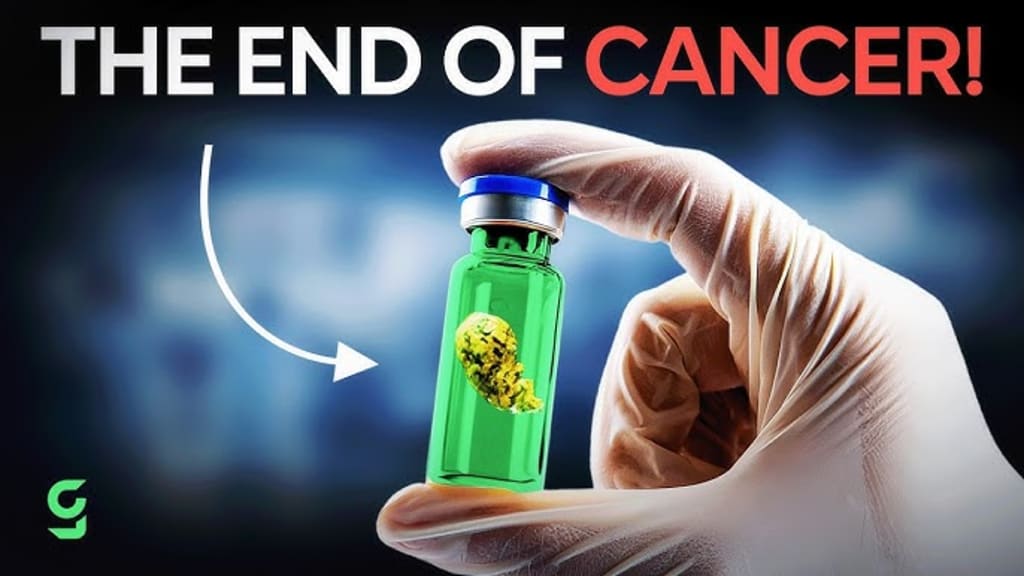
The Cure for Cancer: Is It Possible to Recover?
Cancer is one of the most feared diseases in the world. Millions of people are diagnosed every year, and many families are affected by it. When someone hears the word “cancer,” the first question that often comes to mind is: Can cancer be cured? The answer is not simple, because cancer is not a single disease. It is a group of more than 100 different diseases that affect various parts of the body. However, the hopeful truth is that many cancers today are treatable, and some are completely curable — especially when detected early.
What Is Cancer?
Cancer begins when cells in the body grow uncontrollably. Normally, cells grow, divide, and die in an orderly way. But in cancer, abnormal cells continue to grow and can form a mass called a tumor. Some cancers spread to other parts of the body through the blood or lymphatic system. This process is called metastasis, and it makes the disease more dangerous.
Different types of cancer include breast cancer, lung cancer, blood cancer (leukemia), prostate cancer, and many others. Each type behaves differently and requires a specific treatment approach.
Is Cancer Curable?
Yes, many cancers can be cured — especially when diagnosed at an early stage. A “cure” usually means that after treatment, there is no sign of cancer in the body and it does not return. For example, early-stage breast cancer and certain types of skin cancer have very high cure rates.
Medical organizations such as the World Health Organization confirm that survival rates have improved significantly over the past few decades due to better treatments and early detection methods. In many developed countries, cancer survival rates continue to increase.
However, not all cancers are curable. Some advanced cancers can be controlled for many years with treatment, even if they cannot be completely eliminated. In such cases, cancer becomes a chronic disease that can be managed with proper medical care.
Modern Cancer Treatments
Today, there are several main treatments used to fight cancer:
1. Surgery
If the tumor is localized (in one place), doctors may remove it through surgery. This is often very effective in early stages.
2. Chemotherapy
Chemotherapy uses powerful drugs to kill cancer cells. It can shrink tumors and destroy cells that have spread.
3. Radiation Therapy
Radiation uses high-energy rays to target and kill cancer cells. It is often combined with surgery or chemotherapy.
4. Immunotherapy
Immunotherapy helps the body’s immune system recognize and attack cancer cells. This has shown promising results in cancers like melanoma and lung cancer.
5. Targeted Therapy
This treatment targets specific genes or proteins that help cancer grow. It often causes fewer side effects compared to chemotherapy.
Research institutions like the National Cancer Institute are constantly working to develop new and more effective treatments.
Can Cancer Disappear Naturally?
There are rare cases where cancer shrinks or disappears without treatment, but this is extremely uncommon. It is not safe to rely on natural remedies alone. While a healthy diet, exercise, and a strong immune system can support recovery, medical treatment is essential.
There is currently no single universal “magic cure” for all cancers. Anyone who claims to have a guaranteed natural cure without scientific proof should be approached with caution.
Importance of Early Detection
Early detection is one of the most important factors in curing cancer. Screening tests such as mammograms, colonoscopies, and blood tests can identify cancer before symptoms appear.
When cancer is found early, treatment is often more successful and less aggressive. For example, early-stage colon cancer has a very high survival rate compared to advanced-stage disease.
Regular medical check-ups, awareness of symptoms, and a healthy lifestyle can greatly improve outcomes.
Survival and Recovery
Many people not only survive cancer but also go on to live long, healthy lives. Advances in medicine have transformed cancer care. In the past, a cancer diagnosis often meant very little hope. Today, many cancers have survival rates of 80–90% or higher when detected early.
Recovery depends on several factors:
Type of cancer
Stage at diagnosis
Patient’s age and overall health
Response to treatment
Support from family, mental strength, and access to proper healthcare also play important roles.
The Future of Cancer Treatment
Scientists are now researching personalized medicine, where treatment is designed specifically for a patient’s genetic makeup. Artificial intelligence is also being used to detect cancer earlier and design better therapies.
Cancer vaccines and gene-editing technologies are being studied as possible future breakthroughs. While we do not yet have one universal cure for all cancers, progress is happening rapidly.
Conclusion
So, is it possible to recover from cancer? Yes, in many cases it is. Can cancer be cured? For many types, especially when detected early, the answer is yes. For others, it can be controlled and managed for years.
Cancer is no longer an automatic death sentence. Medical science has made tremendous progress, offering hope to millions around the world. The key remains early detection, proper medical treatment, and ongoing research.
While the journey through cancer can be difficult, recovery is possible — and hope is stronger today than ever before.
About the Creator
Discovery Channel
The channel is widely respected for its diverse content, covering topics such as wildlife, survival, space exploration, engineering, history, and groundbreaking technology. It brings audiences face-to-face with nature’s wonders,
Keep reading
More stories from Discovery Channel and writers in Longevity and other communities.
How to Make a Perfect Body and Physique ?
How to Make a Perfect Body and Physique In today’s world, many people dream of having a “perfect body.” Social media, movies, and fitness influencers constantly show images of lean abs, muscular arms, and flawless physiques. But the truth is, a perfect body does not mean looking like Arnold Schwarzenegger or having the slim frame of Chris Hemsworth in superhero movies. A perfect body is one that is healthy, strong, energetic, and balanced according to your own genetics and goals.
By Discovery Channel a day ago in Longevity
The Architecture of Signal
It’s common to think of well-being in terms of addition. Energy becomes fuel for long hours. Stamina grows into a tool against setbacks. Endurance becomes persistence when effort persists. Fresh proof of life shows up in sheer volume produced. Strength reveals itself not through stillness, but in load endured, mileage logged, even when muscles protest. What counts is motion sustained beyond comfort, effort stretched past the point breath gives out.
By Dr Marc Nock, DDS6 days ago in Longevity
Mexico Vegan Beauty Market Analysis Project Value|USD 480.1 Million 2033
Overview Insights- Vegan cosmetics include skincare, haircare, makeup, and other personal care products free from animal-derived ingredients such as beeswax, lanolin, collagen, and keratin. Unlike “cruelty-free” labeling alone, vegan certification focuses on ingredients as well as ethical manufacturing practices.
By Ashutosh Srivastava7 days ago in Longevity
Where there's Art there's Heart
Here's a stupid thing: I adore art, but I start to panic whenever I step into a gallery. In the one place I should be at my contented best - surrounded by walls teeming with creative expression - I fall apart. What ought to be an enriching experience, tacitly designed to facilitate the exploration of human empathy and perspective, is for me an overwhelming purgatory of anxiety that compresses me to the point I cannot breathe. At the same time, I experience a sense of extraction, as though my head is being prized open to create a hole so big my sanity could evaporate. Somewhere between these two opposing forces of vice and vortex, I feel myself dissolving in a stream of panic that makes me want to cry; and I feel so daft feeling this way, that all I want to do is run for the hills.
By Caroline Jane7 days ago in Humans



Comments
There are no comments for this story
Be the first to respond and start the conversation.