science
The science of staying young, healthy, and in-shape.
Why the Power May Not Go Out Until After the Storm Has Passed. AI-Generated.
Understanding the hidden resilience of the electricity grid When storms approach, many people immediately worry about losing power. Yet, in many cases, the electricity stays on until the storm is over, leaving some to wonder why outages don’t happen instantly when heavy rain, strong winds, or lightning strike. The answer lies in how power grids are designed, managed, and protected to balance reliability with safety. Power systems are built to withstand temporary disruptions, but certain conditions make it safer to maintain electricity during a storm until the full impact has been assessed. Understanding these mechanisms can help households and businesses better prepare for extreme weather events. The Electricity Grid’s Built-In Resilience Modern power grids are complex networks of generation plants, transmission lines, substations, and distribution networks. Engineers design them with multiple layers of protection to ensure that electricity continues to flow even under adverse weather conditions. Key features include: Automatic Circuit Breakers – These devices detect overloads or short circuits and temporarily cut power to affected areas, preventing damage to the larger grid. Redundant Systems – Many parts of the grid have backup connections, allowing electricity to reroute around damaged sections. Storm-Hardened Infrastructure – Transmission towers, underground cables, and substations are reinforced to withstand wind, ice, and lightning strikes. Thanks to these protections, minor disturbances during a storm often do not cause immediate outages, allowing power to remain on while safety systems monitor conditions. Why Power Stays On During the Storm Keeping electricity running during a storm is often safer and more efficient than shutting it down preemptively. Some reasons include: Preventing unnecessary disruption – Power shutdowns can affect hospitals, emergency services, and communication networks. Cutting power too early could create additional hazards. Monitoring the grid – Operators can assess damage and decide whether targeted outages are necessary. By maintaining power where possible, they reduce widespread impact. Minimizing restoration time – If power remains on until the storm passes, repairs can begin immediately, reducing overall downtime. Electric utilities follow strict protocols during extreme weather, continuously monitoring conditions. They aim to balance public safety with grid reliability, only disconnecting power when there is a clear and imminent danger. Storm-Related Triggers for Power Outages Despite the grid’s resilience, certain storm conditions can force outages: Fallen Trees and Debris – Branches or debris can strike power lines, causing immediate interruptions. Lightning Strikes – Direct hits on substations or transmission lines can trip circuit breakers. Flooding – Water intrusion into substations or underground vaults can create short circuits. High Winds – Sustained gusts can damage poles, lines, and transformers. In most cases, outages occur after these impacts happen, not before or during the initial storm approach. That’s why you may see electricity remain on even as severe weather hits. Role of Grid Operators During Storms Electric utilities rely on real-time monitoring and predictive modeling to manage risks. Operators use weather forecasts, satellite imagery, and sensors to detect threats to the grid. During storms, they: Adjust voltage and load to stabilize the system Dispatch repair crews strategically to prioritize critical infrastructure Activate backup generation to maintain supply if damage occurs Communicate with the public about potential outages and safety measures This careful coordination helps prevent unnecessary blackouts while ensuring safety for both people and equipment. Why Immediate Shutoffs Are Rare Some people assume that utilities should turn off power before a storm hits, but preemptive shutoffs carry risks: Impact on essential services – Hospitals, fire stations, water treatment facilities, and communication systems rely on continuous electricity. Economic disruption – Premature shutdowns can affect businesses, transport, and refrigeration. Public safety hazards – Darkened streets and traffic signals can increase accidents. Because of these risks, utilities often wait until the storm’s full effects are evident before disconnecting electricity, focusing instead on targeted, controlled outages. How Residents Can Prepare Even with a resilient grid, residents should be ready for potential outages: Keep flashlights, batteries, and emergency supplies handy Charge devices and have backup power if possible Secure outdoor items that could damage power lines during high winds Avoid using electrical appliances if flooding or water intrusion occurs Being prepared ensures safety and reduces stress, whether or not the power goes out immediately during a storm. The Future of Storm-Resilient Power Utilities are investing in smarter, more flexible grids that can withstand extreme weather better than ever: Advanced sensors and AI for predicting outages Undergrounding power lines in vulnerable areas Microgrids that isolate damage while keeping surrounding areas powered Renewable energy integration that adds redundancy and reduces reliance on a single source These innovations aim to make power outages less frequent and shorter, even during increasingly severe storms caused by climate change. Conclusion The reason electricity often stays on until after a storm has passed is a combination of engineering, monitoring, and safety protocols. Modern grids are designed to withstand temporary disruptions, and utilities prioritize keeping power flowing while assessing risks. Storms remain unpredictable, and outages can still occur, but understanding how the grid operates helps residents plan, prepare, and stay safe. By combining grid resilience with individual preparedness, households and businesses can weather storms with minimal disruption and risk.
By Fiaz Ahmed 10 days ago in Longevity
The Peculiar Magic of a Winter Snowstorm. AI-Generated.
How the world transforms when snow blankets the landscape There is something undeniably magical about a winter snowstorm. As flakes begin to fall, the world seems to slow down. Streets, trees, and rooftops are covered in a soft, white layer that transforms familiar landscapes into scenes of quiet beauty. But beyond its aesthetic charm, a snowstorm is a fascinating blend of nature’s power, science, and subtle wonder.
By Fiaz Ahmed 10 days ago in Longevity
AI-Generated Videos of Giant Drifts Go Viral After Record Snow in Russia’s Far East. AI-Generated.
Residents of Russia’s Far East are still reeling from record-breaking snowfall, and now the extreme winter conditions are drawing attention online thanks to AI-generated videos of massive snow drifts. These videos, shared widely across social media, have captivated viewers around the world, blurring the lines between reality and digital creativity. The combination of severe weather and artificial intelligence has turned a local phenomenon into a global online sensation. Record Snowfall in the Russian Far East Meteorologists reported that several cities in Russia’s Far East received unusually heavy snowfall, with accumulations far above the seasonal average. In some areas, snow reached several meters high, making streets impassable and forcing authorities to deploy emergency services to clear roads. Local residents described the conditions as “unreal” and “like living in a snow globe.” Schools were closed, flights delayed, and public transportation faced major disruptions. AI Videos Capture the Imagination Amid these extreme weather conditions, social media users began sharing AI-generated videos showing giant snow drifts and surreal winter landscapes. Some of the most popular clips depict: Enormous snow mounds dwarfing cars and buildings Snow-covered streets extending as far as the eye can see Animated scenes of snow creating patterns in the air These videos are designed using artificial intelligence tools that can turn real-life data and images into hyper-realistic visualizations. The combination of record snowfall and AI effects has made the content go viral, with millions of views and shares on platforms like Twitter, TikTok, and Instagram. How AI Is Changing Weather Coverage Experts note that AI-generated content is reshaping how people experience extreme weather online. While traditional news coverage provides factual reporting, AI allows for: Visual storytelling: Making natural events more dramatic and engaging Enhanced realism: Creating scenes that capture attention, even if exaggerated Educational potential: Helping viewers understand the scale of extreme events However, experts also warn that AI-generated videos can blur the line between reality and fiction, potentially causing confusion about the actual severity of events. Public Reaction The viral videos have sparked a mix of reactions: Amazement: Many users are impressed by the sheer scale of the snow drifts and the creative use of AI. Concern: Some worry that viewers might mistake the AI-enhanced images for reality, exaggerating the impact of the snowfall. Humor: Memes and jokes comparing the snow to mountains, waves, or other extreme phenomena have spread rapidly. Local authorities in the Far East have emphasized that while the AI videos are visually striking, the real snow presents serious risks, including accidents, traffic disruptions, and building damage. Safety Risks Amid the Snow Despite the viral videos generating attention online, residents are dealing with real-life consequences of heavy snow: Transportation hazards: Roads and railways are blocked, delaying travel. Power outages: Snow and ice accumulation have caused electricity disruptions in some towns. Health risks: Frostbite and hypothermia remain a concern, especially for the elderly and those without proper heating. Authorities have issued warnings urging people to stay indoors, avoid unnecessary travel, and check on vulnerable neighbors. Social Media Amplifies Extreme Weather The viral spread of AI-generated videos highlights a new trend: how social media and AI can amplify extreme weather events. While the videos are entertaining and visually impressive, they also serve to: Raise global awareness of local climate phenomena Engage audiences who might not otherwise follow weather news Encourage discussion about the impact of climate change on winter patterns Meteorologists and climate experts caution that while AI can make events look spectacular, real-world preparedness and safety remain crucial. The Broader Context: Climate and Technology Russia’s Far East has long experienced harsh winters, but climate analysts note that extreme snowfall events may become more frequent due to shifting weather patterns. The combination of climate phenomena and AI technology is creating a new form of digital storytelling, where reality and artificial enhancement intersect. This raises interesting questions about how society experiences natural events in the digital age, including: How AI can be used for education and awareness The responsibility of creators to distinguish real from enhanced content The role of viral media in shaping perceptions of climate events Conclusion The record-breaking snowfall in Russia’s Far East, paired with AI-generated videos of giant snow drifts, has captured global attention. While the videos are visually stunning and widely shared, the real challenges of transport disruption, health risks, and infrastructure damage remain pressing for residents. This viral phenomenon highlights how technology, social media, and extreme weather are intersecting to create new ways of experiencing the world. As AI continues to evolve, it will likely play an increasing role in how natural events are documented, shared, and interpreted—but safety and real-life preparedness must remain the priority.
By Fiaz Ahmed 12 days ago in Longevity
Cold Wave Tightens Grip in South Korea as Temperatures Hit Minus 24°C. AI-Generated.
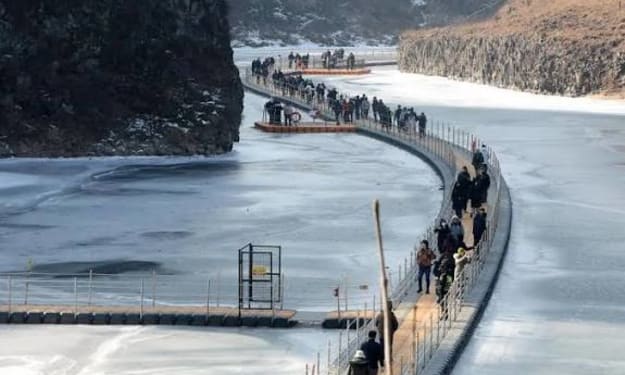
South Korea is currently experiencing a severe cold wave, with temperatures plunging to as low as minus 24 degrees Celsius in some regions. This extreme weather has triggered alerts from authorities, disrupted daily life, and created dangerous conditions for residents, particularly the elderly and those living in rural areas. Meteorologists warn that the cold snap could continue for several days, and citizens are being urged to take precautions to protect their health and property. Record-Low Temperatures Sweep Across the Country The Korean Meteorological Administration (KMA) has reported record-low temperatures in northern and central regions, including areas such as Gangwon Province and Seoul. Frostbite and hypothermia risks are high as the bitter cold lingers, especially during the early morning hours. Residents have reported frozen pipes, heavy snow accumulation in some areas, and icy roads, making commuting and travel hazardous. Government Response and Safety Measures South Korean authorities have issued a range of emergency warnings and advisories to minimize the impact of the cold wave: Schools: Some schools have delayed opening or switched to online classes in affected areas. Transportation: Road authorities have warned drivers about icy roads and advised the use of snow tires and caution while driving. Public Services: Emergency shelters and warming centers have been opened for vulnerable populations. Utilities: Local governments are monitoring heating and electricity supplies to prevent outages. Officials are urging citizens to dress warmly, limit outdoor activities, and check on elderly neighbors or relatives. Health Risks Associated With Extreme Cold The extreme temperatures pose serious health risks, particularly for certain groups: Elderly people are more susceptible to hypothermia and cardiovascular problems. Children can experience cold-related illnesses such as frostbite. Outdoor workers face higher exposure to cold stress, requiring protective gear and frequent breaks. Medical professionals recommend layered clothing, staying indoors when possible, and maintaining proper hydration. Additionally, avoiding alcohol and smoking can help the body regulate temperature more effectively. Disruption to Daily Life The cold wave has already begun to affect daily routines and infrastructure: Transportation delays: Trains, buses, and flights have faced cancellations due to icy conditions. School closures: In some provinces, students are attending virtual classes to avoid travel in unsafe conditions. Economic impact: Small businesses, especially street vendors and markets, are reporting lower customer turnout and disruption of supply chains. Experts warn that prolonged cold waves could have a more significant economic effect, especially if essential services are interrupted. Meteorological Causes of the Cold Wave Meteorologists explain that the extreme cold in South Korea is being caused by a combination of factors: Arctic air mass: Cold air from Siberia has moved southward, bringing frigid temperatures. High-pressure system: A stable high-pressure system over East Asia has allowed cold air to settle and remain in place. Low sunlight hours: Short winter days reduce the warming effect of the sun, intensifying the cold. These conditions are expected to continue for several days, with some forecasts warning of temperatures remaining below minus 20°C in northern regions. Advice for Travelers and Residents Authorities and experts have issued several practical tips for staying safe during the cold wave: Stay indoors whenever possible, especially during early mornings and evenings. Wear layers of clothing, covering hands, feet, and head. Check heating systems at home and ensure proper ventilation for safety. Avoid driving on icy roads unless absolutely necessary. Keep emergency kits ready, including blankets, food, and water. Travelers in South Korea are advised to monitor local weather updates and plan their journeys accordingly. Broader Implications of Severe Cold This cold wave highlights the vulnerability of urban and rural populations to extreme weather events. Experts point out that climate variations can lead to: Increased energy consumption for heating Greater pressure on healthcare services Infrastructure challenges, such as frozen pipes and road hazards Residents are encouraged to prepare in advance and for policymakers to consider long-term strategies for cold-weather resilience. Conclusion As South Korea faces one of its harshest cold waves in recent years, temperatures hitting minus 24°C have raised alarms across the country. While authorities continue to provide guidance and emergency services, residents are urged to take personal precautions seriously to avoid health risks and accidents. This cold spell serves as a reminder of how extreme weather can disrupt daily life, affect health, and challenge infrastructure. With proper awareness, preparation, and caution, South Koreans can navigate this severe winter safely.
By Fiaz Ahmed 12 days ago in Longevity
The Great Race for the Arctic: Why Russia, China and the US All Have It in Their Sights. AI-Generated.
The Arctic is no longer just a frozen wasteland at the top of the world. Today, it has become a hotspot for global competition, attracting the attention of some of the world’s biggest powers: Russia, China, and the United States. As melting ice opens new shipping routes and exposes untapped natural resources, these nations are racing to secure influence in a region that could shape the future of geopolitics, trade, and energy. Why the Arctic Matters The Arctic is important for several reasons: Natural Resources – The region contains vast oil and gas reserves, as well as rare minerals crucial for modern technology. Experts estimate that the Arctic could hold 13% of the world’s undiscovered oil and 30% of its natural gas. Shipping Routes – As ice melts due to climate change, new passages like the Northern Sea Route and the Northwest Passage are becoming navigable. These routes could cut travel time between Asia and Europe by weeks, offering major economic advantages. Military and Strategic Positioning – The Arctic provides a unique vantage point for monitoring global military activity. Control over the region could give nations strategic leverage in both defense and trade. The combination of resources, strategic position, and new shipping routes has made the Arctic a prize worth competing for. Russia’s Arctic Ambitions Russia has been the most active player in the Arctic for decades: It has expanded its military presence, building airfields, radar stations, and icebreakers. Russia controls a vast portion of the Arctic coastline, giving it the advantage of established ports and infrastructure. Energy companies backed by the state are investing heavily in oil, gas, and mineral extraction in the region. Russia sees the Arctic as both an economic opportunity and a security priority. Its actions signal a clear intention to assert dominance over the region before other powers can catch up. China’s Arctic Strategy China is not an Arctic nation by geography, but it has made its ambitions clear: Beijing calls itself a “Near-Arctic State”, emphasizing its interest in shipping and resource access. China is investing in scientific research, Arctic ports, and partnerships with Arctic nations. The country sees the Northern Sea Route as a potential shortcut for trade between Asia and Europe, which could reduce shipping costs and fuel consumption. China’s approach is more economic and diplomatic, relying on partnerships and research projects rather than direct territorial claims. Still, its growing presence is reshaping the Arctic’s geopolitical landscape. The United States in the Arctic The US has long been an Arctic power, primarily through Alaska. Its strategy focuses on defense, environmental monitoring, and trade routes: The US Coast Guard maintains icebreakers and patrol ships to ensure security and maintain shipping lanes. Washington emphasizes freedom of navigation, aiming to prevent any single nation from dominating Arctic waters. Military exercises and collaborations with NATO allies aim to protect strategic interests and respond to potential conflicts. The US sees the Arctic as a region of both opportunity and responsibility, balancing security, environmental concerns, and international cooperation. The Race for Control The Arctic race is about more than natural resources. It is a complex competition of economics, diplomacy, and military positioning: Russia moves aggressively, building military infrastructure and exploiting resources. China invests in research, shipping, and partnerships, gaining influence without formal territorial claims. The US maintains a defensive posture, securing its territory and ensuring freedom of navigation. This “race” is unlike traditional conflicts. It is less about open warfare and more about strategic positioning, economic investment, and diplomatic influence. Environmental and Global Concerns The Arctic is fragile and sensitive to climate change. While melting ice opens opportunities, it also poses risks to wildlife, local communities, and global weather patterns: Rising temperatures accelerate ice melt, threatening polar bears, seals, and indigenous communities. Increased shipping and resource extraction could lead to oil spills, pollution, and habitat loss. Global climate patterns, including storms and ocean currents, could be disrupted by rapid Arctic changes. Nations are under pressure to balance ambition with environmental responsibility, though economic incentives often outweigh conservation efforts. What This Means for the Future The Arctic is likely to remain a geopolitical hotspot for decades. Key developments to watch include: Expansion of shipping routes that shorten travel times and reduce costs. Increased resource extraction, including oil, gas, and rare minerals. Rising military presence, as countries protect their interests and assert sovereignty. Scientific research collaborations, which could shape policy and environmental practices. The Arctic will not just be a frozen frontier — it will be a center of economic, strategic, and environmental importance. Key Takeaways The Arctic is valuable for its resources, trade routes, and strategic position. Russia, China, and the US are all investing heavily to secure influence. The race is a mix of military, economic, and diplomatic maneuvering. Climate change both enables and threatens these ambitions. How nations navigate this competition will impact global trade, security, and the environment. Conclusion The Arctic is no longer just an icy, remote region — it has become a frontline of global strategy. Russia, China, and the United States are all jockeying for influence, using a combination of military, economic, and scientific tools. As ice melts and new opportunities emerge, the Arctic will play a critical role in global geopolitics. How these powers manage competition, environmental responsibility, and cooperation could shape the region — and the world — for generations to come. The great race for the Arctic is not a story of war, but a story of ambition, strategy, and survival at the top of the world.
By Fiaz Ahmed 13 days ago in Longevity
Royal Navy Patrol Ships Rotate in Falklands Mission. AI-Generated.
The Royal Navy has begun rotating its patrol ships in a mission near the Falkland Islands, signaling continued vigilance in one of the world’s most strategic maritime regions. This operation, part of the United Kingdom’s ongoing commitment to the South Atlantic, highlights both defense priorities and regional security challenges.
By Fiaz Ahmed 13 days ago in Longevity
The Titanic's Final Moments Have Been Recreated With Supercomputer Precision. AI-Generated.
More than a century after the Titanic sank in the icy waters of the North Atlantic, researchers are using cutting-edge technology to understand its final, tragic moments. For the first time, supercomputers have been employed to recreate the ship’s sinking with unprecedented precision, offering new insights into what happened during those harrowing hours.
By Fiaz Ahmed 13 days ago in Longevity
Natural Gas Prices Soar as Arctic Cold to Blast Upper Midwest and Descend Across U.S.. AI-Generated.
As an Arctic blast threatens to sweep across the Upper Midwest and beyond, natural gas prices in the U.S. have spiked sharply, reflecting concerns about rising energy demand amid extreme winter conditions. This chilling forecast comes as millions brace for plummeting temperatures, heavy snow, and the potential for widespread disruption to heating and power infrastructure. A Polar Vortex on the Horizon Meteorologists have confirmed that a polar vortex pattern will push frigid air from the Arctic southward, engulfing states such as Minnesota, Wisconsin, Michigan, and Illinois, before spreading across the broader U.S. heartland. Temperatures are expected to drop 20–30 degrees below normal in many areas, triggering an unprecedented surge in energy consumption as residents and businesses scramble to stay warm. This cold snap is not only a human concern but also a market-moving event. The increased demand for natural gas, the primary heating fuel for millions of American homes, is driving futures prices to new seasonal highs. Analysts warn that households relying on gas-fired heating systems could see higher energy bills in the coming weeks, and cities may need to implement conservation measures to prevent shortages. Why Natural Gas Prices Are Rising Natural gas markets are highly sensitive to temperature fluctuations. When the Arctic cold settles in, utilities ramp up consumption to maintain indoor temperatures, leading to a sharp increase in gas withdrawals from storage. With inventories already below average due to a milder-than-expected start to winter, traders are reacting to the anticipated strain on supplies, causing spot and futures prices to surge. Industry experts highlight several factors behind the current price spike: Limited storage levels: Natural gas storage was already below the five-year average heading into winter, leaving the market more vulnerable to cold snaps. High heating demand: Millions of U.S. households rely on natural gas for heating, and extreme cold can spike usage within days. Production constraints: Some production regions face logistical challenges, limiting the ability to ramp up output quickly. Global energy trends: International demand, particularly from Europe and Asia, has influenced domestic market sentiment, adding upward pressure on prices. The Human and Economic Impact The immediate effect of the cold blast will be felt by residents across the Upper Midwest. Utility companies are urging customers to insulate homes, monitor thermostat settings, and reduce nonessential energy use to help prevent potential outages. Rural areas, where energy infrastructure is less resilient, may face intermittent gas supply disruptions, forcing households to seek alternative heating methods. Emergency services are on alert, with shelters preparing to accommodate those unable to heat their homes. Economically, the surge in natural gas prices can have a ripple effect. Increased heating costs may strain household budgets, while industries reliant on natural gas for production—such as chemical manufacturing and food processing—could face higher operational expenses. Analysts suggest that retail prices for gas-heated utilities could rise by 15–25% during the peak of the cold spell, depending on the severity and duration of the freeze. Preparing for the Cold Utilities and government agencies are taking preemptive measures to mitigate the impact of the Arctic blast: Natural gas suppliers are coordinating to ensure adequate pipeline flow and prioritize critical infrastructure. State authorities are issuing advisories, encouraging residents to stock up on essentials and avoid unnecessary travel during extreme conditions. Energy markets are closely monitoring storage withdrawals and production levels to prevent shortages and stabilize pricing. Forecasters are also emphasizing the importance of long-term preparedness, as climate variability and extreme weather events may continue to test energy infrastructure. Investment in renewable energy, resilient heating systems, and strategic storage facilities is increasingly being seen as vital for ensuring reliable access to energy during future cold snaps. Outlook for the Week Ahead As the Arctic cold descends, natural gas markets will remain volatile, with prices likely to remain elevated until temperatures moderate. Analysts advise consumers and businesses to plan for higher bills, while policymakers evaluate potential interventions, such as short-term subsidies or energy relief programs, to support vulnerable populations. While the Upper Midwest braces for frigid temperatures, heavy snow, and high gas prices, the situation underscores a broader reality: energy markets and weather are increasingly intertwined, and extreme cold events can have immediate, widespread economic and social impacts. Conclusion The upcoming Arctic blast is a stark reminder of how weather can shape energy markets and daily life. With natural gas prices soaring, households, industries, and governments face a delicate balancing act: meeting heating demands while maintaining affordable and sustainable energy supplies. As the cold wave moves across the U.S., residents are urged to stay informed, conserve energy, and prioritize safety, while analysts continue to track market responses to one of the most severe winter threats of the season.
By Fiaz Ahmed 13 days ago in Longevity
Holy Land: A Fifth Gospel That Begins in Jordan. AI-Generated.
For many Christians, the Holy Land is not confined to a single country or a handful of famous sites. It is a living geography of faith, stretching across modern borders and layered with centuries of memory. While the four Gospels tell the story of Jesus through words, believers often describe the land itself as a “Fifth Gospel”—a silent but powerful testimony that deepens understanding of scripture. Crucially, this unwritten Gospel does not begin in Jerusalem or Bethlehem. It begins in Jordan. Jordan: Where the Story Enters History Jordan holds a unique place in biblical history, often overlooked in favor of Israel and Palestine. Yet it is in Jordan that the Gospel story first touches the public life of Jesus. The Jordan River, flowing quietly through arid landscapes, is where Jesus was baptized by John the Baptist. This moment marked the beginning of his ministry and transformed the river into one of the most sacred waterways in Christian tradition. Standing on the riverbank today, pilgrims often describe a sense of immediacy—as if scripture has stepped off the page and into the present. The landscape does not shout; it whispers. And in that stillness, faith feels tangible. Bethany Beyond the Jordan: A Sacred Threshold At the heart of Jordan’s biblical significance lies Bethany Beyond the Jordan, also known as Al-Maghtas. Recognized as a UNESCO World Heritage Site, it is widely accepted as the authentic location of Jesus’ baptism. Archaeological discoveries—including ancient churches, baptismal pools, and pilgrim routes—support centuries of Christian tradition. This site represents a threshold moment: the transition from preparation to proclamation. In the language of the “Fifth Gospel,” Bethany Beyond the Jordan is the opening chapter—where water, wilderness, and calling converge. Mount Nebo: Seeing the Promise Jordan’s role in the biblical narrative predates Christianity. Mount Nebo, rising above the Jordan Valley, is where Moses is believed to have seen the Promised Land before his death. From its summit, visitors can look across to Jericho, Jerusalem, and the Judean hills, physically connecting Old Testament longing with New Testament fulfillment. This visual continuity reinforces the idea of the Holy Land as a single unfolding story rather than separate religious eras. Jordan becomes the bridge between covenant and incarnation. The Geography of Faith Calling the Holy Land a “Fifth Gospel” is not merely poetic. Geography shapes theology. Deserts evoke temptation and testing, rivers symbolize renewal, and mountains represent revelation. Jordan’s landscapes—its wilderness, valleys, and waterways—mirror the spiritual themes found in scripture. Jesus’ time in the wilderness, traditionally associated with the region east of the Jordan, gains new depth when experienced firsthand. The harsh terrain underscores the gravity of fasting, reflection, and moral struggle described in the Gospels. Pilgrimage Beyond Borders Modern pilgrims increasingly recognize that to understand the Gospel fully, one must look beyond political borders. Jordan offers a relatively peaceful and accessible gateway into the Holy Land experience. Sites such as Machaerus (where John the Baptist was imprisoned), Umm Qais (linked to the miracle of the Gadarene swine), and early Christian pilgrimage routes enrich the narrative. This broader pilgrimage challenges a narrow, location-centric view of faith and invites believers to see Christianity as rooted in a wider regional story. Interfaith Echoes Jordan’s sacred sites also resonate beyond Christianity. The Jordan River is significant in Judaism, and many locations revered by Christians are also important in Islamic tradition. This overlapping reverence adds another layer to the “Fifth Gospel,” reminding visitors that the land speaks in multiple spiritual languages at once. In a region often associated with conflict, Jordan’s preservation of holy sites stands as a quiet testament to coexistence and shared heritage. Why Jordan Matters Today In an age of digital faith and virtual worship, physical places still matter. Jordan’s biblical sites ground belief in reality—stone, soil, and water. They remind believers that the Gospel unfolded in real landscapes among real communities, not abstract spaces. By beginning the Holy Land story in Jordan, Christians gain a fuller, more nuanced understanding of Jesus’ life and mission. The “Fifth Gospel” becomes not an addition to scripture, but a companion to it—one that must be walked, seen, and felt. A Living Gospel Without Words Jordan does not compete with the written Gospels; it completes the context around them. From the waters of baptism to the heights of prophetic vision, the country offers an opening chapter written in earth rather than ink. In that sense, the Holy Land truly is a Fifth Gospel—and its first pages are found in Jordan, where faith steps out of prophecy and into history.
By Fiaz Ahmed Brohi15 days ago in Longevity
Hoodia: Once a Miracle Now a Mirage
A Miracle from the Desert? The Kalahari Desert in southern Africa is not the most hospitable place to live in. The vast region is arid and hot throughout most of the year, and the vegetation is sparse. Still, it is here where a particular plant that captured the attention of several dietary companies throughout the world.
By Dean Traylor16 days ago in Longevity
Top 3 Indian Towns with Sub-Zero Temperatures: Experiencing the Frozen Extremes. AI-Generated.
India is a land of contrasts. From tropical beaches to arid deserts, the subcontinent boasts an incredible diversity of climates. While most think of India as a warm, sun-drenched country, it also has regions where winters are harsh, and temperatures plunge well below zero. These towns, located mainly in the Himalayas, challenge the very notion of life in extreme cold. For travelers, adventurers, and researchers, they offer a unique experience—a glimpse into a frozen, high-altitude world where survival is a skill and winter reigns supreme. Here, we explore the top three Indian towns known for sub-zero temperatures. 1. Dras, Ladakh: India’s Coldest Inhabited Town Nestled in the Kargil district of Ladakh, Dras holds the title of the coldest inhabited town in India. Sitting at approximately 3,300 meters above sea level, Dras experiences winter temperatures that often plummet to –30°C or lower, earning it the nickname "The Gateway to Ladakh." The town’s extreme cold results from its high altitude and the valley’s geography, which traps frigid winds. Winter in Dras is not just cold; it is long and harsh. Heavy snowfall can isolate the town for weeks, making access to essential supplies a challenge. Roads often close, and the local population relies heavily on stored provisions and community support. Despite the harsh climate, Dras is rich in culture and history. Its proximity to the Line of Control makes it strategically important for India, and the military presence is significant. Locals have adapted with sturdy stone houses, traditional woolen attire, and high-calorie diets to withstand the biting cold. For visitors, Dras offers breathtaking landscapes of snow-capped peaks and frozen rivers, a rare glimpse into extreme high-altitude life. 2. Leh, Ladakh: The Cold Desert Capital Leh, the capital of Ladakh, is perhaps India’s most famous cold-weather town. At 3,500 meters above sea level, Leh regularly sees winter temperatures fall below –15°C, and nights can be even colder. Despite being a major tourist hub in summer, Leh transforms into a cold desert in winter, where life slows down, and survival becomes the primary focus. Leh’s unique climate—dry, thin air combined with intense cold—creates one of the harshest living environments in the country. Snowfall is lighter than in Dras, but the cold is uncompromising. The frozen Zanskar River becomes the site of the Chadar Trek, an adventure that attracts thrill-seekers worldwide but demands careful preparation against frostbite and hypothermia. Residents of Leh have mastered the art of enduring the cold. Homes are built with thick walls and insulation, heating is often solar-assisted, and winter diets are rich in fats to sustain energy. Leh illustrates human resilience in extreme conditions, combining traditional knowledge with modern adaptations. 3. Keylong, Himachal Pradesh: The Frozen Heart of Lahaul Keylong, located in the Lahaul and Spiti district of Himachal Pradesh, is another town where winter is a formidable force. At an altitude of roughly 3,100 meters, Keylong’s temperatures can drop to –10°C to –20°C during the coldest months. Unlike Ladakh, Keylong experiences heavy snowfall, which often blocks roads and isolates the town. Life in Keylong is shaped by the winter’s harshness. Locals store essential supplies months in advance and rely on traditional wooden houses and insulated clothing to survive. The town, surrounded by snow-covered peaks and monasteries, holds cultural and administrative importance in the region. Infrastructure projects such as the Atal Tunnel have improved connectivity during winter, making Keylong more accessible. However, the town remains a challenging environment, reminding visitors of nature’s power and the endurance required to live in high-altitude cold zones. Why These Towns Are Significant These sub-zero towns highlight India’s climatic diversity and showcase human adaptation in extreme conditions. They are living examples of how culture, infrastructure, and survival strategies intertwine to sustain communities in some of the harshest environments on Earth. Furthermore, these regions offer important insights into climate change. Shifts in snowfall, glacier melt, and temperature extremes directly affect local life, agriculture, and water resources. Studying these towns helps scientists understand high-altitude ecosystems and develop strategies to mitigate climate risks. Final Thoughts India’s frozen towns challenge the perception of the country as a land of heat and humidity. Dras, Leh, and Keylong not only experience sub-zero temperatures but also demonstrate resilience, tradition, and adaptation. They are destinations for adventurers, scientists, and travelers seeking to experience life where winter dominates, nature is formidable, and survival is a daily achievement. Visiting these towns is more than sightseeing—it is an opportunity to witness human ingenuity and endurance against some of the harshest winters on the planet, offering a perspective of India that few outside the Himalayas truly understand.
By Fiaz Ahmed Brohi16 days ago in Longevity