Latest Stories
Most recently published stories in Longevity.
Official and Confirmed: Heavy Snow Is Set to Begin Late Tonight, With Weather Alerts Warning of Major Disruptions. AI-Generated.
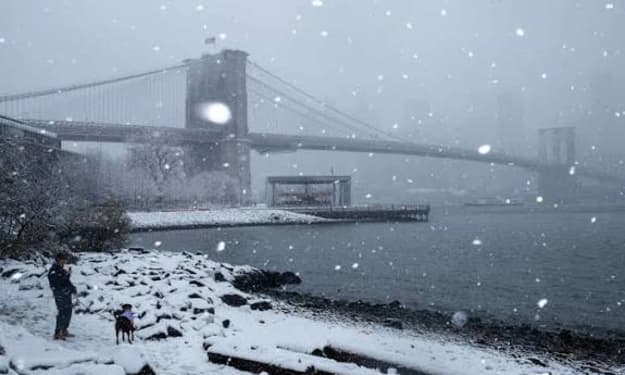
Weather officials have issued official and confirmed alerts warning that heavy snow will begin late tonight, bringing the risk of travel chaos, power outages, and dangerous conditions. The approaching system is expected to affect large areas, with forecasters urging residents to prepare now before conditions rapidly worsen. Authorities stress that this is not a routine winter storm. The combination of heavy snowfall, strong winds, and freezing temperatures could create serious problems for transportation, emergency services, and daily life. What We Know So Far According to weather agencies, snowfall is expected to start late tonight, intensifying overnight and continuing into the next day. Some regions could see several inches of snow in a short time, while higher elevations may receive even more. Key concerns include: Rapid accumulation making roads impassable Reduced visibility due to blowing snow Ice forming beneath fresh snowfall Sub-zero wind chills increasing the risk of frostbite Meteorologists have described this event as high-impact, meaning it has the potential to disrupt normal activities on a wide scale. Travel Disruptions and Road Safety Risks One of the biggest warnings centers on travel conditions. Snow-covered roads, black ice, and whiteout conditions could make driving extremely dangerous. Transportation officials are advising: Avoid non-essential travel once snow begins Expect highway closures and major delays Allow extra time if travel is unavoidable Keep emergency supplies in vehicles Airports may also face flight delays and cancellations, especially if snow accumulates faster than plows can clear runways. Rail services and public transportation systems could be slowed or suspended in the worst-hit areas. Power Outages and Infrastructure Strain Heavy snow combined with gusty winds raises the risk of power outages. Snow-laden tree branches can snap and fall onto power lines, while ice buildup can damage infrastructure. Utility companies are preparing for: Downed power lines Temporary service interruptions Increased demand for heating Residents are encouraged to: Charge phones and backup batteries Have flashlights ready Avoid using generators indoors Check heating systems in advance Even short outages can be dangerous during extreme cold, especially for elderly residents and families with young children. Schools, Businesses, and Public Services Affected Local authorities are closely monitoring conditions, with school closures and remote learning likely in some areas. Businesses may also delay opening hours or close entirely if travel becomes unsafe. Emergency services are preparing for: Increased accident calls Weather-related medical emergencies Delays in reaching rural or hard-to-access areas Officials stress that staying off the roads helps emergency responders reach those who truly need assistance. Dangerous Cold and Health Risks Beyond the snow itself, dangerously cold temperatures are another major concern. Wind chills could make it feel far colder than the actual temperature, increasing the risk of: Frostbite Hypothermia Slips and falls on icy surfaces Health experts recommend: Dressing in layers Covering exposed skin Limiting time outdoors Checking on vulnerable neighbors Pets should also be kept indoors whenever possible, as extreme cold can be life-threatening. Why This Storm Is So Serious What makes this storm especially dangerous is the timing and intensity. Snow arriving overnight gives road crews less time to prepare, and early-morning commuters may encounter hazardous conditions before clearing efforts are complete. Forecasters also warn that: Snow may fall faster than plows can keep up Winds could cause drifting and re-cover cleared roads Temperatures will remain low, preventing melting This combination increases the likelihood of prolonged disruption, even after snowfall slows. How to Prepare Before the Snow Begins Officials urge residents to take action before nightfall. Preparation now can prevent serious problems later. Recommended steps include: Stocking up on food, water, and medications Filling vehicles with fuel Securing outdoor items Checking weather updates regularly Planning to stay home if possible Simple steps can make a major difference when conditions deteriorate quickly. Stay Informed and Follow Official Guidance Weather alerts may be updated or expanded as the storm develops. Authorities recommend relying on: Official weather services Local emergency management updates Trusted news sources Ignoring warnings can put lives at risk. Even experienced winter drivers can be caught off guard by rapidly changing conditions. Final Thoughts With heavy snow officially confirmed to begin late tonight, the message from officials is clear: prepare now and take warnings seriously. This storm has the potential to disrupt travel, strain infrastructure, and create dangerous conditions across wide areas. Staying informed, avoiding unnecessary travel, and looking out for one another will be key to getting through the storm safely. Winter weather can be unpredictable, but early preparation and caution can help reduce its impact. As conditions worsen, safety—not speed or convenience—should be the top priority.
By Fiaz Ahmed 28 days ago in Longevity
Get Fit at Home: Complete Diet and Guide
Getting fit generally means achieving a healthy weight, building muscle, losing fat, and overall having a toned and energetic body. Diet alone is not enough for this, but exercise (especially weight lifting/strength training) + good sleep + plenty of water intake is also essential.
By Muhammad Irfan Afzal28 days ago in Longevity
The great race for the Arctic: Why Russia, China and the US all have it in their sights. AI-Generated.
The Arctic is no longer just a frozen wasteland at the top of the world. Today, it has become a hotspot for global competition, attracting the attention of some of the world’s biggest powers: Russia, China, and the United States. As melting ice opens new shipping routes and exposes untapped natural resources, these nations are racing to secure influence in a region that could shape the future of geopolitics, trade, and energy. Why the Arctic Matters The Arctic is important for several reasons: Natural Resources – The region contains vast oil and gas reserves, as well as rare minerals crucial for modern technology. Experts estimate that the Arctic could hold 13% of the world’s undiscovered oil and 30% of its natural gas. Shipping Routes – As ice melts due to climate change, new passages like the Northern Sea Route and the Northwest Passage are becoming navigable. These routes could cut travel time between Asia and Europe by weeks, offering major economic advantages. Military and Strategic Positioning – The Arctic provides a unique vantage point for monitoring global military activity. Control over the region could give nations strategic leverage in both defense and trade. The combination of resources, strategic position, and new shipping routes has made the Arctic a prize worth competing for. Russia’s Arctic Ambitions Russia has been the most active player in the Arctic for decades: It has expanded its military presence, building airfields, radar stations, and icebreakers. Russia controls a vast portion of the Arctic coastline, giving it the advantage of established ports and infrastructure. Energy companies backed by the state are investing heavily in oil, gas, and mineral extraction in the region. Russia sees the Arctic as both an economic opportunity and a security priority. Its actions signal a clear intention to assert dominance over the region before other powers can catch up. China’s Arctic Strategy China is not an Arctic nation by geography, but it has made its ambitions clear: Beijing calls itself a “Near-Arctic State”, emphasizing its interest in shipping and resource access. China is investing in scientific research, Arctic ports, and partnerships with Arctic nations. The country sees the Northern Sea Route as a potential shortcut for trade between Asia and Europe, which could reduce shipping costs and fuel consumption. China’s approach is more economic and diplomatic, relying on partnerships and research projects rather than direct territorial claims. Still, its growing presence is reshaping the Arctic’s geopolitical landscape. The United States in the Arctic The US has long been an Arctic power, primarily through Alaska. Its strategy focuses on defense, environmental monitoring, and trade routes: The US Coast Guard maintains icebreakers and patrol ships to ensure security and maintain shipping lanes. Washington emphasizes freedom of navigation, aiming to prevent any single nation from dominating Arctic waters. Military exercises and collaborations with NATO allies aim to protect strategic interests and respond to potential conflicts. The US sees the Arctic as a region of both opportunity and responsibility, balancing security, environmental concerns, and international cooperation. The Race for Control The Arctic race is about more than natural resources. It is a complex competition of economics, diplomacy, and military positioning: Russia moves aggressively, building military infrastructure and exploiting resources. China invests in research, shipping, and partnerships, gaining influence without formal territorial claims. The US maintains a defensive posture, securing its territory and ensuring freedom of navigation. This “race” is unlike traditional conflicts. It is less about open warfare and more about strategic positioning, economic investment, and diplomatic influence. Environmental and Global Concerns The Arctic is fragile and sensitive to climate change. While melting ice opens opportunities, it also poses risks to wildlife, local communities, and global weather patterns: Rising temperatures accelerate ice melt, threatening polar bears, seals, and indigenous communities. Increased shipping and resource extraction could lead to oil spills, pollution, and habitat loss. Global climate patterns, including storms and ocean currents, could be disrupted by rapid Arctic changes. Nations are under pressure to balance ambition with environmental responsibility, though economic incentives often outweigh conservation efforts. What This Means for the Future The Arctic is likely to remain a geopolitical hotspot for decades. Key developments to watch include: Expansion of shipping routes that shorten travel times and reduce costs. Increased resource extraction, including oil, gas, and rare minerals. Rising military presence, as countries protect their interests and assert sovereignty. Scientific research collaborations, which could shape policy and environmental practices. The Arctic will not just be a frozen frontier — it will be a center of economic, strategic, and environmental importance. Key Takeaways The Arctic is valuable for its resources, trade routes, and strategic position. Russia, China, and the US are all investing heavily to secure influence. The race is a mix of military, economic, and diplomatic maneuvering. Climate change both enables and threatens these ambitions. How nations navigate this competition will impact global trade, security, and the environment. Conclusion The Arctic is no longer just an icy, remote region — it has become a frontline of global strategy. Russia, China, and the United States are all jockeying for influence, using a combination of military, economic, and scientific tools. As ice melts and new opportunities emerge, the Arctic will play a critical role in global geopolitics. How these powers manage competition, environmental responsibility, and cooperation could shape the region — and the world — for generations to come. The great race for the Arctic is not a story of war, but a story of ambition, strategy, and survival at the top of the world.
By Fiaz Ahmed 29 days ago in Longevity
Royal Navy Patrol Ships Rotate in Falklands Mission. AI-Generated.
The Royal Navy has begun rotating its patrol ships in a mission near the Falkland Islands, signaling continued vigilance in one of the world’s most strategic maritime regions. This operation, part of the United Kingdom’s ongoing commitment to the South Atlantic, highlights both defense priorities and regional security challenges.
By Fiaz Ahmed 29 days ago in Longevity
US Arctic Blast Could See Historic Freeze for 150 Million. AI-Generated.
A historic arctic blast is set to hit the United States, potentially affecting 150 million people with record-breaking cold temperatures. Officials are warning that this extreme weather could bring dangerous conditions, widespread disruptions, and serious health risks. As winter tightens its grip, residents from the Midwest to the East Coast are being urged to prepare for what could be one of the coldest periods in recent history. What Is Happening Meteorologists explain that cold Arctic air is pushing south, creating a massive high-pressure system that will cover much of the country. Temperatures in many areas are expected to drop far below freezing, with some regions possibly breaking historical lows. Key points include: The cold front could affect roughly 150 million Americans, spanning dozens of states. Some areas may experience sub-zero temperatures for days, with dangerous wind chills making it feel even colder. Snowfall and ice storms are likely in parts of the Midwest and Northeast, creating travel hazards and power risks. Experts are emphasizing that this is not normal winter weather — it is a rare and powerful Arctic blast that could have serious consequences if people are not prepared. Risks to Public Safety Extreme cold can be dangerous to anyone caught unprepared. Officials are raising concerns about: 1. Health Hazards Frostbite and hypothermia are major risks, especially for those without proper shelter or clothing. Older adults, children, and people with preexisting conditions are particularly vulnerable. Emergency services are already preparing for a possible surge in cold-related injuries. 2. Travel Disruptions Roads may become icy and treacherous, increasing the risk of accidents. Airlines are preemptively canceling or delaying flights in some areas due to snow, ice, and runway hazards. Public transit systems may experience delays or suspensions in affected cities. 3. Power and Utilities Heavy snow and ice can bring down power lines, leading to outages. High demand for heating may strain energy grids, and authorities are urging residents to conserve power where possible. How Communities Are Preparing Government agencies, emergency services, and utility companies are taking steps to mitigate the impact of the Arctic blast: Emergency shelters are being opened for vulnerable populations. Snowplows and road crews are on standby to clear major highways and city streets. Airlines are monitoring conditions and communicating updates to passengers in advance. Residents are being urged to stock up on essential supplies, including food, water, and fuel. Officials stress that early preparation can save lives and reduce the strain on emergency services. Advice for Residents If you live in an area expected to be affected, here are practical tips to stay safe: Limit Travel – Only venture out if absolutely necessary. Dress Appropriately – Wear layers, gloves, hats, and insulated footwear. Prepare Your Home – Insulate windows, keep heating systems ready, and have emergency supplies on hand. Check on Neighbors – Especially the elderly, children, or those with medical conditions. Stay Informed – Follow updates from the National Weather Service and local authorities. Following these steps can help prevent injuries, accidents, and health emergencies during the Arctic freeze. Economic and Infrastructure Impact The Arctic blast could also affect the economy and daily operations: Businesses may experience closures or reduced staff due to unsafe conditions. Retail and transportation costs may rise as supply chains are delayed. Energy demand will spike, potentially increasing costs and stressing grids. Airlines and logistics companies may incur significant delays and financial losses due to weather-related cancellations. While the full economic impact is uncertain, experts warn that extended freezes can be costly for communities and industries alike. Historical Context Arctic blasts are not entirely new, but this event is unusual due to its scope and intensity: Historical records show that similar cold waves have led to record-low temperatures, ice storms, and widespread disruption. Past events like the Polar Vortex of 2019 caused millions to lose power and dozens of fatalities due to cold exposure. Meteorologists caution that this Arctic blast could match or even exceed previous extreme events, making preparation crucial. This serves as a reminder that extreme weather events can occur suddenly, even in areas that typically experience milder winters. The Science Behind the Freeze Scientists explain that the Arctic blast is fueled by a combination of high-pressure Arctic air and shifting jet stream patterns. The polar jet stream has dipped unusually southward, allowing frigid air to spread across much of the country. Areas near the Great Lakes and the Midwest may experience heavy snow and ice accumulation, while the Northeast could see dangerous wind chills. Experts note that climate change may increase the frequency of extreme cold events, though the relationship is complex. Understanding the science behind these events helps authorities issue timely alerts and gives residents the information needed to prepare effectively. Looking Ahead The Arctic blast is expected to peak over the next few days, after which temperatures may gradually return to normal. However: Travel and transportation may remain affected for several days after the coldest period. Communities must remain vigilant about frostbite, hypothermia, and snow-related hazards. Emergency services will continue monitoring conditions to respond quickly to any incidents. Staying informed and prepared is key to navigating what could be a historic winter freeze safely. Conclusion The United States is facing a major Arctic blast that could impact 150 million people, bringing historic cold, snow, and widespread disruptions. Authorities are urging everyone to take precautions, limit travel, and stay informed. This Arctic freeze highlights the power of extreme weather and the importance of preparation in keeping communities safe. By following expert advice and staying alert, residents can navigate this severe winter event with minimal risk. Winter is coming in a way few have seen in recent years, and the time to prepare is now.
By Fiaz Ahmed 29 days ago in Longevity
Official and Confirmed: Heavy Snow Is Set to Begin Late Tonight, With Alerts Warning of Major Disruptions and Widespread Travel Chaos. AI-Generated.
Winter is about to make its presence felt in a big way. Official weather agencies have confirmed that heavy snow will begin late tonight, and authorities are issuing alerts warning of major disruptions and widespread travel chaos. This sudden surge in winter weather is expected to affect millions of people, from daily commuters to travelers and local businesses. What to Expect Meteorologists predict that snowfall will intensify overnight, particularly in mountainous and northern regions. Some areas are likely to see several inches of accumulation, while plains and valleys may experience wet, slippery conditions. According to the latest reports: Snow is expected to begin late tonight and continue into the early morning hours. Major disruptions are expected on roads, highways, and airports. Travel authorities have issued alerts for all commuters, urging caution and preparedness. Officials warn that this is not just a light dusting of snow — the intensity and coverage could significantly affect travel and daily life. Travel Chaos Ahead Heavy snow often brings immediate disruptions, and experts are advising the public to plan ahead. 1. Road Travel Roads in affected regions are likely to become icy and slippery. Traffic jams and accidents are expected as drivers struggle with reduced visibility and slick surfaces. Authorities recommend avoiding unnecessary travel and using public transportation only if essential. 2. Air Travel Airlines have issued flight delays and cancellations for affected airports. Snow accumulation on runways can lead to safety hazards, forcing longer delays and rescheduled flights. Travelers are advised to check flight status frequently and allow extra time for airport procedures. 3. Rail and Bus Services Trains and buses may also face delays or temporary suspensions due to snow-covered tracks and roads. Commuters should plan alternative routes and stay updated with local transit authorities. Safety Alerts and Preparedness Emergency services and local authorities are stepping up to ensure public safety. Alerts include: Snow warnings in all major affected regions. Travel advisories for drivers and commuters. Recommendations to stock up on essential supplies, such as food, water, and warm clothing. Advice to prepare homes for potential power outages due to snow-laden trees or lines. Authorities emphasize that prevention is key. Staying off the roads and following official guidance can prevent injuries and accidents. How Residents Can Stay Safe Winter weather like this can be dangerous, but preparation can make a big difference. Here are some tips for residents: Check Weather Updates Frequently – Use official channels for the most accurate information. Limit Travel – Avoid driving unless absolutely necessary. Prepare Vehicles – Equip cars with snow chains, keep windshields clear, and check brakes and tires. Emergency Supplies – Keep flashlights, batteries, and warm blankets at home. Stay Informed – Follow local news, traffic alerts, and emergency services for updates. Simple precautions can prevent many common winter accidents and reduce stress during snow emergencies. Impact on Daily Life Heavy snow affects more than travel. Businesses, schools, and public services may face disruptions: Schools may close or delay opening to ensure student safety. Local businesses might see lower customer turnout due to travel difficulties. Healthcare services could face challenges as roads become harder to navigate. Communities are encouraged to prepare for temporary disruptions and support vulnerable populations, including the elderly and those with medical conditions. The Science Behind the Storm This winter system is caused by a combination of cold air moving south and moisture from the surrounding regions. Meteorologists explain that: Cold air from the north interacts with moisture-laden winds, producing heavy snow and strong winds. The snow is expected to accumulate quickly, especially in hilly and mountainous areas. Visibility may drop drastically, making travel dangerous even for short distances. Experts note that such snow events are becoming more frequent due to shifting climate patterns, emphasizing the importance of awareness and preparedness. How Authorities Are Responding Government agencies and emergency services are taking proactive measures to minimize damage and disruption: Road crews and plows are being deployed to keep highways clear. Sand and salt trucks are treating icy roads to prevent accidents. Airports and railways are increasing manpower to handle delays and maintain safety protocols. Public advisories are being sent through TV, radio, and social media to ensure residents stay informed. This coordinated response aims to prevent major accidents and ensure essential services remain operational. Key Takeaways for the Public Heavy snow will begin late tonight, with potential for widespread disruption. Travel is expected to be dangerous, so avoid unnecessary journeys. Residents should prepare homes, vehicles, and supplies to face the storm. Stay updated through official weather channels and local authorities. By staying informed and taking precautions, individuals can reduce risks and stay safe during this severe winter event. Conclusion The confirmation of heavy snow starting late tonight signals a challenging night and morning for residents and travelers alike. Authorities are emphasizing caution, preparation, and awareness to mitigate the effects of this major winter storm. As the snow falls, roads become treacherous, flights are delayed, and daily routines are disrupted. Yet, with proper preparation and vigilance, communities can navigate the chaos safely. This winter event serves as a reminder that nature’s forces can disrupt even the best-laid plans, and staying prepared is the most effective way to face the storm head-on.
By Fiaz Ahmed 29 days ago in Longevity
The Titanic's Final Moments Have Been Recreated With Supercomputer Precision. AI-Generated.
More than a century after the Titanic sank in the icy waters of the North Atlantic, researchers are using cutting-edge technology to understand its final, tragic moments. For the first time, supercomputers have been employed to recreate the ship’s sinking with unprecedented precision, offering new insights into what happened during those harrowing hours.
By Fiaz Ahmed 29 days ago in Longevity
Natural Gas Prices Soar as Arctic Cold to Blast Upper Midwest and Descend Across U.S.. AI-Generated.
As an Arctic blast threatens to sweep across the Upper Midwest and beyond, natural gas prices in the U.S. have spiked sharply, reflecting concerns about rising energy demand amid extreme winter conditions. This chilling forecast comes as millions brace for plummeting temperatures, heavy snow, and the potential for widespread disruption to heating and power infrastructure. A Polar Vortex on the Horizon Meteorologists have confirmed that a polar vortex pattern will push frigid air from the Arctic southward, engulfing states such as Minnesota, Wisconsin, Michigan, and Illinois, before spreading across the broader U.S. heartland. Temperatures are expected to drop 20–30 degrees below normal in many areas, triggering an unprecedented surge in energy consumption as residents and businesses scramble to stay warm. This cold snap is not only a human concern but also a market-moving event. The increased demand for natural gas, the primary heating fuel for millions of American homes, is driving futures prices to new seasonal highs. Analysts warn that households relying on gas-fired heating systems could see higher energy bills in the coming weeks, and cities may need to implement conservation measures to prevent shortages. Why Natural Gas Prices Are Rising Natural gas markets are highly sensitive to temperature fluctuations. When the Arctic cold settles in, utilities ramp up consumption to maintain indoor temperatures, leading to a sharp increase in gas withdrawals from storage. With inventories already below average due to a milder-than-expected start to winter, traders are reacting to the anticipated strain on supplies, causing spot and futures prices to surge. Industry experts highlight several factors behind the current price spike: Limited storage levels: Natural gas storage was already below the five-year average heading into winter, leaving the market more vulnerable to cold snaps. High heating demand: Millions of U.S. households rely on natural gas for heating, and extreme cold can spike usage within days. Production constraints: Some production regions face logistical challenges, limiting the ability to ramp up output quickly. Global energy trends: International demand, particularly from Europe and Asia, has influenced domestic market sentiment, adding upward pressure on prices. The Human and Economic Impact The immediate effect of the cold blast will be felt by residents across the Upper Midwest. Utility companies are urging customers to insulate homes, monitor thermostat settings, and reduce nonessential energy use to help prevent potential outages. Rural areas, where energy infrastructure is less resilient, may face intermittent gas supply disruptions, forcing households to seek alternative heating methods. Emergency services are on alert, with shelters preparing to accommodate those unable to heat their homes. Economically, the surge in natural gas prices can have a ripple effect. Increased heating costs may strain household budgets, while industries reliant on natural gas for production—such as chemical manufacturing and food processing—could face higher operational expenses. Analysts suggest that retail prices for gas-heated utilities could rise by 15–25% during the peak of the cold spell, depending on the severity and duration of the freeze. Preparing for the Cold Utilities and government agencies are taking preemptive measures to mitigate the impact of the Arctic blast: Natural gas suppliers are coordinating to ensure adequate pipeline flow and prioritize critical infrastructure. State authorities are issuing advisories, encouraging residents to stock up on essentials and avoid unnecessary travel during extreme conditions. Energy markets are closely monitoring storage withdrawals and production levels to prevent shortages and stabilize pricing. Forecasters are also emphasizing the importance of long-term preparedness, as climate variability and extreme weather events may continue to test energy infrastructure. Investment in renewable energy, resilient heating systems, and strategic storage facilities is increasingly being seen as vital for ensuring reliable access to energy during future cold snaps. Outlook for the Week Ahead As the Arctic cold descends, natural gas markets will remain volatile, with prices likely to remain elevated until temperatures moderate. Analysts advise consumers and businesses to plan for higher bills, while policymakers evaluate potential interventions, such as short-term subsidies or energy relief programs, to support vulnerable populations. While the Upper Midwest braces for frigid temperatures, heavy snow, and high gas prices, the situation underscores a broader reality: energy markets and weather are increasingly intertwined, and extreme cold events can have immediate, widespread economic and social impacts. Conclusion The upcoming Arctic blast is a stark reminder of how weather can shape energy markets and daily life. With natural gas prices soaring, households, industries, and governments face a delicate balancing act: meeting heating demands while maintaining affordable and sustainable energy supplies. As the cold wave moves across the U.S., residents are urged to stay informed, conserve energy, and prioritize safety, while analysts continue to track market responses to one of the most severe winter threats of the season.
By Fiaz Ahmed 29 days ago in Longevity
Kiwi Officially Recognised by the European Union and the UK as the Only Fruit That Improves Bowel Transit. AI-Generated.
In a world increasingly focused on gut health, nutrition science has delivered a surprising yet welcome verdict: the kiwi fruit has been officially recognised by both the European Union and the United Kingdom as the only fruit scientifically proven to improve bowel transit. This recognition is not a marketing slogan or social media trend, but a regulatory approval grounded in clinical evidence. For millions struggling with digestive discomfort, this small, fuzzy fruit has suddenly become a big deal. What Does “Improves Bowel Transit” Really Mean? Bowel transit refers to how efficiently food moves through the digestive system. Slow transit can lead to constipation, bloating, discomfort, and even long-term health issues. While many fruits are associated with fiber and digestion, regulators in the EU and UK only allow health claims that are backed by rigorous scientific studies. After reviewing multiple human clinical trials, authorities approved the specific claim that kiwifruit “contributes to the maintenance of normal bowel function by increasing stool frequency.” No other fruit has met the strict criteria required for this wording, making kiwi unique in the eyes of food regulators. The Science Behind Kiwi’s Digestive Power Kiwi’s digestive benefits are not accidental. The fruit contains a rare combination of nutrients that work together in ways other fruits do not. First, kiwi is rich in both soluble and insoluble fiber. Insoluble fiber adds bulk to stool, helping it move through the intestines, while soluble fiber absorbs water and forms a gel-like substance that softens stool. This dual action makes bowel movements more regular and comfortable. Second, kiwi contains a natural enzyme called actinidin. This enzyme helps break down proteins in the stomach and small intestine, improving digestion efficiency and reducing feelings of heaviness after meals. Actinidin is uncommon in most everyday fruits, giving kiwi a biological advantage. Third, kiwi has a high water content and a natural ability to retain moisture in the gut. This hydration effect supports smoother bowel movements without the harsh stimulation caused by some laxatives. Clinical Evidence That Set Kiwi Apart The recognition by EU and UK authorities was based on controlled human studies involving people with normal digestion as well as those suffering from functional constipation and irritable bowel syndrome (IBS). In several trials, participants who consumed two green kiwifruits per day experienced increased stool frequency, reduced straining, and improved overall digestive comfort. Importantly, these benefits occurred without causing diarrhea or dependency, a common problem with pharmaceutical solutions. Researchers also noted improvements in gut comfort and quality of life, particularly among people who had struggled with chronic constipation for years. These consistent findings convinced regulators that kiwi’s effect was both real and reproducible. Why Other Fruits Didn’t Make the Cut Apples, prunes, bananas, and berries are often praised for digestive health, and many do provide fiber. However, under EU and UK law, general beliefs are not enough. Each health claim must be proven through high-quality studies focused on the specific effect being claimed. While prunes are known to aid digestion, their effect is largely attributed to sorbitol, which can cause cramping or loose stools in some people. Kiwi, by contrast, demonstrated a gentler, more balanced improvement in bowel transit, making it suitable for daily consumption. As a result, kiwi remains the only fruit legally allowed to carry this specific digestive health claim. What This Means for Everyday Consumers For the average person, this recognition offers clarity in a crowded nutrition landscape. Instead of guessing which foods might help digestion, consumers now have a fruit backed by regulatory science. Nutritionists increasingly recommend kiwi as a first-line, food-based solution for mild to moderate constipation. It is suitable for children, adults, and older people, and it fits easily into breakfast, snacks, or desserts. Two kiwis a day is the amount most often linked to benefits in studies. Unlike supplements, kiwi provides additional advantages such as vitamin C, antioxidants, and support for immune health, making it a multifunctional addition to the diet. A Boost for the Global Kiwi Industry This official recognition has significant economic implications. Kiwi producers, particularly in countries like New Zealand, Italy, and Chile, are seeing increased interest from health-conscious consumers. Being able to legally communicate a proven digestive benefit sets kiwi apart in supermarkets and export markets. At the same time, regulators emphasize that kiwi is not a medicine. It is a food that supports normal digestive function when consumed as part of a balanced diet. The Bigger Picture: Food as Preventive Health The kiwi ruling reflects a broader shift in how governments view nutrition. Instead of focusing only on treating illness, there is growing support for foods that prevent health problems naturally. Kiwi’s recognition shows that everyday foods can meet pharmaceutical-level standards of evidence when studied properly. It also encourages further research into how natural foods can support gut health without side effects. In the end, the humble kiwi has earned its place not just as a tasty fruit, but as a scientifically validated ally for digestive well-being. For anyone seeking a natural way to keep their gut moving smoothly, the answer may already be sitting in the fruit bowl.
By Fiaz Ahmed 29 days ago in Longevity
Why Fighting Fatigue Is Often an Environmental Problem
For a long time, I treated fatigue as a personal failure. If I felt tired, I assumed I had not slept enough. If focus faded, I blamed motivation. When energy dipped in the afternoon, I reached for coffee and pushed through. This cycle felt normal. Everyone around me was doing the same thing.
By illumipure29 days ago in Longevity
Common Foods and Drinks That Stain Your Teeth
A bright smile does more than look good. It helps you feel confident when you talk, laugh, and meet new people. Many patients are surprised to learn that everyday foods and drinks can slowly dull their smile, even when they brush and floss regularly. Knowing what causes stains is the first step toward keeping your teeth looking their best.
By Good health to everyone29 days ago in Longevity