Latest Stories
Most recently published stories in Longevity.
Hospitals Almost Full as Norovirus Cases Rise. AI-Generated.
Hospitals across several regions are nearing capacity as norovirus cases continue to rise, placing growing pressure on healthcare systems already stretched by seasonal illnesses. Often called the “winter vomiting bug,” norovirus spreads quickly and can overwhelm hospitals in a matter of weeks. Health officials are urging the public to remain vigilant, practice good hygiene, and avoid unnecessary hospital visits to help reduce the strain on medical facilities. What Is Norovirus? Norovirus is a highly contagious virus that causes inflammation of the stomach and intestines. It leads to symptoms such as vomiting, diarrhea, nausea, stomach cramps, and fever. While most people recover within a few days, the virus can be dangerous for young children, older adults, and people with weakened immune systems. The virus spreads easily through: Close contact with an infected person Contaminated food or water Touching contaminated surfaces Poor hand hygiene Because it requires only a small amount of virus to cause infection, norovirus outbreaks can spread rapidly in crowded settings. Why Hospitals Are Nearly Full Hospitals are facing a surge in admissions linked to norovirus-related complications. While many patients can recover at home, severe dehydration and persistent symptoms often require medical attention. Healthcare workers report that hospital wards are filling up due to: Increased emergency room visits Dehydration cases needing intravenous fluids Infection outbreaks within care facilities Vulnerable patients requiring isolation In some areas, hospitals have postponed non-urgent procedures to free up beds. Vulnerable Groups at Higher Risk Norovirus can affect anyone, but certain groups are more likely to experience severe symptoms or complications. These include: Elderly individuals in care homes Infants and young children People with chronic illnesses Patients with weakened immune systems Care homes and hospitals themselves are particularly vulnerable to outbreaks because of close living quarters and shared facilities. Impact on Healthcare Workers Healthcare staff are under growing pressure as case numbers climb. Many workers are dealing with longer shifts, staff shortages, and increased infection risk. Some hospitals report that nurses and doctors are also becoming ill, further reducing available staff. This has created a cycle where fewer workers are caring for more patients, increasing fatigue and stress. Hospital administrators stress that preventing the spread of norovirus is essential to protect both patients and healthcare professionals. Symptoms to Watch For Norovirus symptoms usually appear 12 to 48 hours after exposure and may include: Sudden vomiting Watery diarrhea Nausea Stomach pain Mild fever Headache and body aches Most people recover within one to three days, but dehydration can occur quickly, especially in children and older adults. How to Prevent Infection Health authorities emphasize that simple hygiene measures are the most effective way to prevent norovirus transmission. Key prevention steps include: Washing hands thoroughly with soap and water Avoiding food preparation while sick Cleaning surfaces with disinfectant Staying home for at least 48 hours after symptoms stop Avoiding close contact with infected individuals Alcohol-based hand sanitizers are less effective against norovirus, making proper handwashing essential. Advice for the Public Officials urge people to avoid visiting hospitals unless absolutely necessary, especially if they are experiencing symptoms. Visiting while sick increases the risk of spreading the virus to vulnerable patients. Parents are advised to keep sick children home from school or daycare. Employers are also encouraged to allow flexible sick leave to reduce workplace transmission. By taking these steps, communities can help ease the pressure on hospitals. A Seasonal Pattern with Growing Impact Norovirus cases often rise during colder months when people spend more time indoors. However, health experts warn that this year’s increase appears sharper than usual, putting additional strain on healthcare systems. Factors contributing to the surge may include reduced immunity following past illness trends and increased social contact during seasonal gatherings. Looking Ahead Hospitals are implementing infection control measures, including isolation protocols and visitor restrictions, to contain outbreaks. Health agencies continue to monitor case numbers closely and provide guidance to the public. Experts stress that early action and public cooperation can significantly reduce hospital admissions and help protect the most vulnerable. Conclusion As norovirus cases rise, hospitals are facing serious challenges, with wards nearing full capacity and healthcare workers under intense pressure. While the virus is usually short-lived, its ability to spread rapidly makes it a major public health concern. Preventing infection through good hygiene, staying home when sick, and limiting unnecessary hospital visits can make a meaningful difference. With collective effort, communities can help slow the spread, protect healthcare systems, and ensure care remains available for those who need it most.
By Fiaz Ahmed 27 days ago in Longevity
Travel While You're Healthy, But Don't Wreck the Body You'll Need Later
There's a version of travel advice that sounds inspiring but is quietly incomplete: travel while you're young. It's usually followed by stories of all-nighters, cheap flights, no sleep, bad food, zero structure, and the belief that your body is somehow immune to consequences because you're "young enough." That mindset creates great memories - and long-term damage people don't connect until years later.
By Destiny S. Harris27 days ago in Longevity
5 Simple Yoga Poses to Instantly Melt Away Stress & Anxiety
Tension and anxiety have actually become part of life for numerous individuals. Long work hours, continuous screen exposure, and psychological pressure normally leave the body tight and the mind agitated. While tension can not be remained clear of absolutely, it can be managed in moderate and healthy ways.
By All Creators Destination27 days ago in Longevity
AI-Generated Videos of Giant Drifts Go Viral After Record Snow in Russia’s Far East. AI-Generated.
Residents of Russia’s Far East are still reeling from record-breaking snowfall, and now the extreme winter conditions are drawing attention online thanks to AI-generated videos of massive snow drifts. These videos, shared widely across social media, have captivated viewers around the world, blurring the lines between reality and digital creativity. The combination of severe weather and artificial intelligence has turned a local phenomenon into a global online sensation. Record Snowfall in the Russian Far East Meteorologists reported that several cities in Russia’s Far East received unusually heavy snowfall, with accumulations far above the seasonal average. In some areas, snow reached several meters high, making streets impassable and forcing authorities to deploy emergency services to clear roads. Local residents described the conditions as “unreal” and “like living in a snow globe.” Schools were closed, flights delayed, and public transportation faced major disruptions. AI Videos Capture the Imagination Amid these extreme weather conditions, social media users began sharing AI-generated videos showing giant snow drifts and surreal winter landscapes. Some of the most popular clips depict: Enormous snow mounds dwarfing cars and buildings Snow-covered streets extending as far as the eye can see Animated scenes of snow creating patterns in the air These videos are designed using artificial intelligence tools that can turn real-life data and images into hyper-realistic visualizations. The combination of record snowfall and AI effects has made the content go viral, with millions of views and shares on platforms like Twitter, TikTok, and Instagram. How AI Is Changing Weather Coverage Experts note that AI-generated content is reshaping how people experience extreme weather online. While traditional news coverage provides factual reporting, AI allows for: Visual storytelling: Making natural events more dramatic and engaging Enhanced realism: Creating scenes that capture attention, even if exaggerated Educational potential: Helping viewers understand the scale of extreme events However, experts also warn that AI-generated videos can blur the line between reality and fiction, potentially causing confusion about the actual severity of events. Public Reaction The viral videos have sparked a mix of reactions: Amazement: Many users are impressed by the sheer scale of the snow drifts and the creative use of AI. Concern: Some worry that viewers might mistake the AI-enhanced images for reality, exaggerating the impact of the snowfall. Humor: Memes and jokes comparing the snow to mountains, waves, or other extreme phenomena have spread rapidly. Local authorities in the Far East have emphasized that while the AI videos are visually striking, the real snow presents serious risks, including accidents, traffic disruptions, and building damage. Safety Risks Amid the Snow Despite the viral videos generating attention online, residents are dealing with real-life consequences of heavy snow: Transportation hazards: Roads and railways are blocked, delaying travel. Power outages: Snow and ice accumulation have caused electricity disruptions in some towns. Health risks: Frostbite and hypothermia remain a concern, especially for the elderly and those without proper heating. Authorities have issued warnings urging people to stay indoors, avoid unnecessary travel, and check on vulnerable neighbors. Social Media Amplifies Extreme Weather The viral spread of AI-generated videos highlights a new trend: how social media and AI can amplify extreme weather events. While the videos are entertaining and visually impressive, they also serve to: Raise global awareness of local climate phenomena Engage audiences who might not otherwise follow weather news Encourage discussion about the impact of climate change on winter patterns Meteorologists and climate experts caution that while AI can make events look spectacular, real-world preparedness and safety remain crucial. The Broader Context: Climate and Technology Russia’s Far East has long experienced harsh winters, but climate analysts note that extreme snowfall events may become more frequent due to shifting weather patterns. The combination of climate phenomena and AI technology is creating a new form of digital storytelling, where reality and artificial enhancement intersect. This raises interesting questions about how society experiences natural events in the digital age, including: How AI can be used for education and awareness The responsibility of creators to distinguish real from enhanced content The role of viral media in shaping perceptions of climate events Conclusion The record-breaking snowfall in Russia’s Far East, paired with AI-generated videos of giant snow drifts, has captured global attention. While the videos are visually stunning and widely shared, the real challenges of transport disruption, health risks, and infrastructure damage remain pressing for residents. This viral phenomenon highlights how technology, social media, and extreme weather are intersecting to create new ways of experiencing the world. As AI continues to evolve, it will likely play an increasing role in how natural events are documented, shared, and interpreted—but safety and real-life preparedness must remain the priority.
By Fiaz Ahmed 28 days ago in Longevity
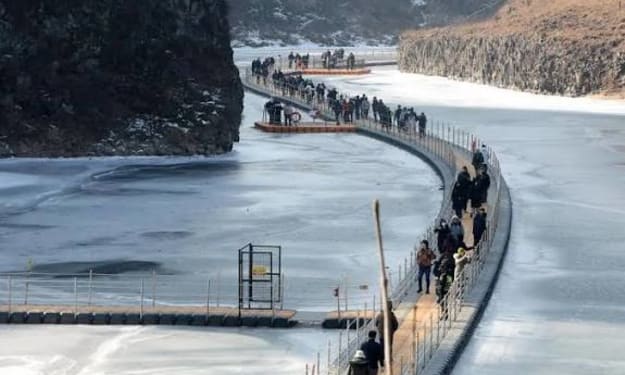
Cold Wave Tightens Grip in South Korea as Temperatures Hit Minus 24°C. AI-Generated.
South Korea is currently experiencing a severe cold wave, with temperatures plunging to as low as minus 24 degrees Celsius in some regions. This extreme weather has triggered alerts from authorities, disrupted daily life, and created dangerous conditions for residents, particularly the elderly and those living in rural areas. Meteorologists warn that the cold snap could continue for several days, and citizens are being urged to take precautions to protect their health and property. Record-Low Temperatures Sweep Across the Country The Korean Meteorological Administration (KMA) has reported record-low temperatures in northern and central regions, including areas such as Gangwon Province and Seoul. Frostbite and hypothermia risks are high as the bitter cold lingers, especially during the early morning hours. Residents have reported frozen pipes, heavy snow accumulation in some areas, and icy roads, making commuting and travel hazardous. Government Response and Safety Measures South Korean authorities have issued a range of emergency warnings and advisories to minimize the impact of the cold wave: Schools: Some schools have delayed opening or switched to online classes in affected areas. Transportation: Road authorities have warned drivers about icy roads and advised the use of snow tires and caution while driving. Public Services: Emergency shelters and warming centers have been opened for vulnerable populations. Utilities: Local governments are monitoring heating and electricity supplies to prevent outages. Officials are urging citizens to dress warmly, limit outdoor activities, and check on elderly neighbors or relatives. Health Risks Associated With Extreme Cold The extreme temperatures pose serious health risks, particularly for certain groups: Elderly people are more susceptible to hypothermia and cardiovascular problems. Children can experience cold-related illnesses such as frostbite. Outdoor workers face higher exposure to cold stress, requiring protective gear and frequent breaks. Medical professionals recommend layered clothing, staying indoors when possible, and maintaining proper hydration. Additionally, avoiding alcohol and smoking can help the body regulate temperature more effectively. Disruption to Daily Life The cold wave has already begun to affect daily routines and infrastructure: Transportation delays: Trains, buses, and flights have faced cancellations due to icy conditions. School closures: In some provinces, students are attending virtual classes to avoid travel in unsafe conditions. Economic impact: Small businesses, especially street vendors and markets, are reporting lower customer turnout and disruption of supply chains. Experts warn that prolonged cold waves could have a more significant economic effect, especially if essential services are interrupted. Meteorological Causes of the Cold Wave Meteorologists explain that the extreme cold in South Korea is being caused by a combination of factors: Arctic air mass: Cold air from Siberia has moved southward, bringing frigid temperatures. High-pressure system: A stable high-pressure system over East Asia has allowed cold air to settle and remain in place. Low sunlight hours: Short winter days reduce the warming effect of the sun, intensifying the cold. These conditions are expected to continue for several days, with some forecasts warning of temperatures remaining below minus 20°C in northern regions. Advice for Travelers and Residents Authorities and experts have issued several practical tips for staying safe during the cold wave: Stay indoors whenever possible, especially during early mornings and evenings. Wear layers of clothing, covering hands, feet, and head. Check heating systems at home and ensure proper ventilation for safety. Avoid driving on icy roads unless absolutely necessary. Keep emergency kits ready, including blankets, food, and water. Travelers in South Korea are advised to monitor local weather updates and plan their journeys accordingly. Broader Implications of Severe Cold This cold wave highlights the vulnerability of urban and rural populations to extreme weather events. Experts point out that climate variations can lead to: Increased energy consumption for heating Greater pressure on healthcare services Infrastructure challenges, such as frozen pipes and road hazards Residents are encouraged to prepare in advance and for policymakers to consider long-term strategies for cold-weather resilience. Conclusion As South Korea faces one of its harshest cold waves in recent years, temperatures hitting minus 24°C have raised alarms across the country. While authorities continue to provide guidance and emergency services, residents are urged to take personal precautions seriously to avoid health risks and accidents. This cold spell serves as a reminder of how extreme weather can disrupt daily life, affect health, and challenge infrastructure. With proper awareness, preparation, and caution, South Koreans can navigate this severe winter safely.
By Fiaz Ahmed 28 days ago in Longevity