
Why Yatagala Raja Maha Viharaya Is a Must-Visit Historical Site
Rock, Cave, and Temple as One Living Structure
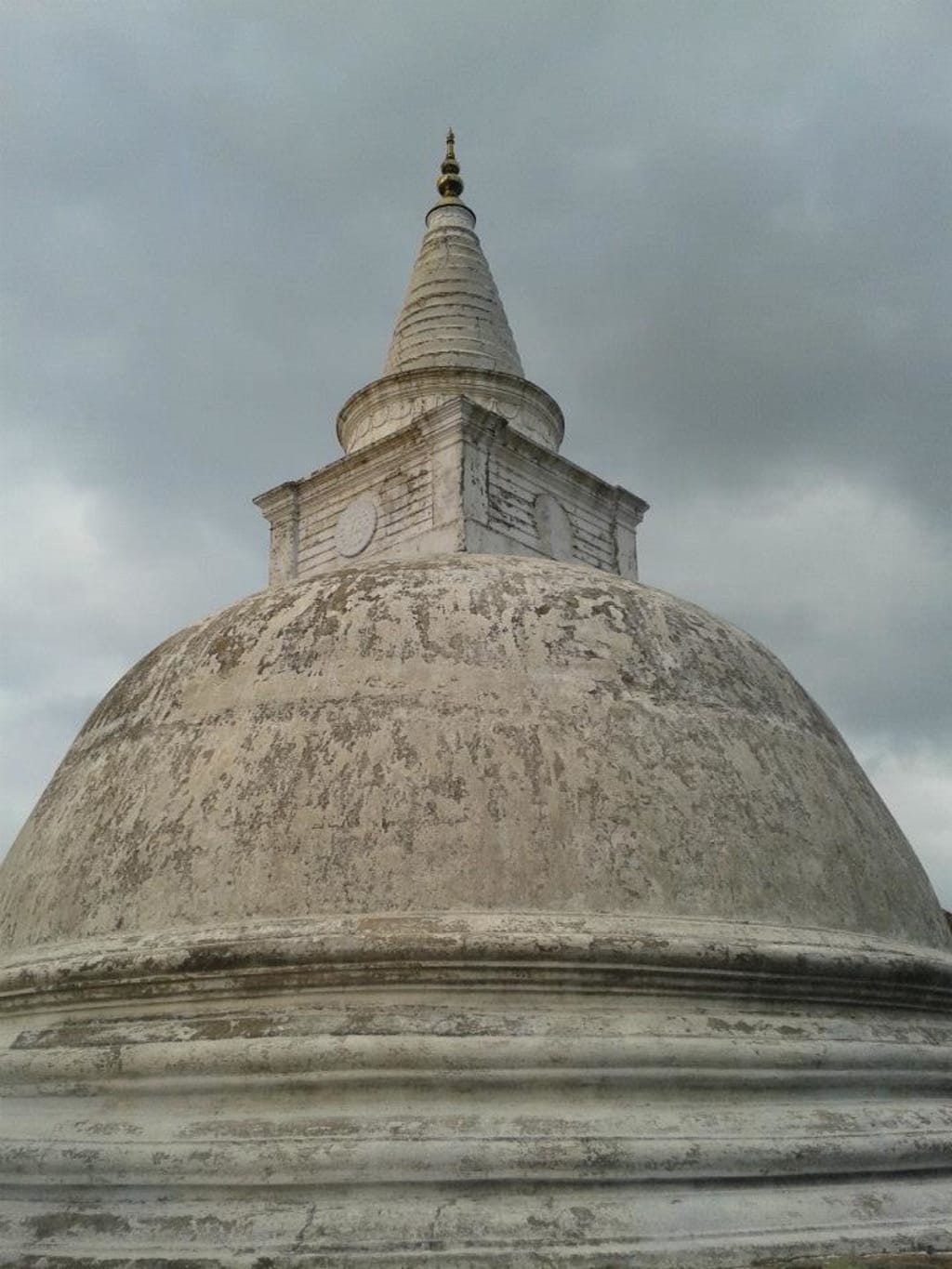
Tucked away just outside the coastal bustle of Galle, Yatagala Raja Maha Viharaya is one of Sri Lanka’s most quietly powerful religious and historical sites. Unlike grand temples that announce themselves with scale and ceremony, Yatagala reveals its significance slowly. Built around a massive rock outcrop and ancient cave system, the temple complex feels contemplative, grounded, and deeply connected to the land. Visitors often arrive expecting a short stop and leave with a lingering sense of calm and historical weight that few places manage to deliver so effortlessly.
What Makes Yatagala Historically Significant
Yatagala Raja Maha Viharaya dates back over 2,300 years, with origins traced to the reign of King Devanampiya Tissa during the early spread of Buddhism in Sri Lanka. According to historical tradition, the site was gifted to Buddhist monks following the introduction of Buddhism to the island. This places Yatagala among the earliest monastic settlements in the southern region, giving it immense archaeological and spiritual value. It has remained an active place of worship for centuries, bridging ancient history and living religious practice without interruption.
Rock, Cave, and Temple as One Living Structure
What immediately distinguishes Yatagala Rock Temple is how seamlessly architecture merges with nature. Rather than imposing construction onto the landscape, the temple is carved into and around the natural rock formations. Cave shrines shelter serene Buddha statues, while pathways wind organically between stone walls, trees, and shaded courtyards. This integration reflects early Buddhist monastic design, where simplicity, seclusion, and harmony with nature were essential. The rock itself feels like a guardian presence, anchoring the temple physically and symbolically. Visitors are not just observing history; they are walking through a space shaped by geological time and spiritual intention together.
Ancient Art and Subtle Symbolism
Inside the caves and shrine rooms, the artwork is understated yet deeply evocative. Seated and reclining Buddha statues reflect classical styles, marked by calm expressions and balanced proportions. Faded murals and inscriptions hint at artistic traditions that once flourished here, even if time has softened their clarity. The absence of excessive ornamentation allows focus to remain on form, posture, and presence. This restraint is precisely what gives the site its emotional resonance.
A Place of Worship That Still Breathes
Unlike many historical sites that function primarily as monuments, Yatagala remains a living temple. Monks reside here, rituals are performed daily, and local devotees visit regularly to offer flowers, light oil lamps, and sit in quiet meditation. This continuity of use adds depth to the experience. Visitors are not stepping into a preserved past, but into an ongoing spiritual rhythm that has flowed for generations. Observing or respectfully participating in this atmosphere offers insight into how Buddhism is lived, not just remembered, in Sri Lanka.
Tranquillity as Part of the Experience
One of Yatagala’s most compelling qualities is its atmosphere. Despite its proximity to Galle and major tourist hotspots like Mandara Resort Mirissa, the temple feels removed from noise and urgency. The surrounding trees, birdsong, and filtered light create an environment naturally conducive to calm. This tranquillity is not curated; it is inherent. For travellers accustomed to crowded heritage sites, Yatagala offers something rare — space to pause, absorb, and think.
Why It Matters in Sri Lanka’s Cultural Landscape
Yatagala Raja Maha Viharaya represents a crucial piece of Sri Lanka’s early Buddhist expansion beyond the ancient capitals. It shows how religious life took root organically across the island, adapting to regional landscapes while maintaining shared spiritual principles. The temple also reinforces the idea that Sri Lanka’s history is not confined to famous cities or monumental ruins. Some of its most meaningful heritage survives quietly, in places that continue to serve their original purpose with dignity.
A Visit That Offers Depth, Not Display
Yatagala is a must-visit because it offers something increasingly rare in heritage travel: authenticity without performance. It does not compete for attention, yet it rewards those who give it time. The experience is not about ticking off a landmark, but about engaging with a site where history, spirituality, and nature remain in balance. For travellers seeking understanding rather than spectacle, Yatagala Raja Maha Viharaya stands as one of southern Sri Lanka’s most quietly profound destinations.
About the Creator
Keep reading
More stories from ameliarosanna and writers in Viva and other communities.
What is the Ideal Length for a Maldives Getaway
The Maldives is not a destination designed for speed. Its appeal lies in isolation, rhythm, and the luxury of doing very little without guilt. Once you arrive on your island, the outside world effectively disappears — there are no cities to hop between, no attractions to tick off, and no schedules competing for attention. This means the “ideal” length of stay is less about efficiency and more about allowing enough time for your body and mind to recalibrate. The Maldives rewards patience, presence, and unstructured time in a way few destinations can.
By ameliarosanna14 days ago in Viva
Storm Chandra Set to Batter UK With Heavy Snow and 80mph Winds as Met Office Issues Warnings
The United Kingdom is preparing for one of the most severe winter storms of the season as Storm Chandra approaches, bringing the potential for heavy snowfall, gusty winds reaching 80mph, and hazardous conditions across much of the country. The Met Office has issued multiple weather warnings, urging residents, commuters, and businesses to take precautions as the storm moves in over the coming days.
By Salaar Jamali6 days ago in Viva
A Deep Dive Into Nattie Neidhart's Evil Motivations
It's amazing that this upcoming April will mark 18 years since Natalya Neidhart debuted on WWE's main roster, doing so on SmackDown. Wrestling is literally in her blood, coming from the prestigious and hallowed Hart family, and overall, Nattie's been displaying her immense talents for over a quarter-century. Her SmackDown debut was a villainous one, and to this day, I still say that her name being stylized to "Natalya" was done to make her more evil and sinister (it's an amazing touch).
By Clyde E. Dawkins6 days ago in Viva
Trouble at the Tea Leafing Café
The rain had started right around the time that Annie was buttering her second thick slice of homemade toast for breakfast, and hadn’t paused since. Not that anyone could tell. The windows of the café were fogged over, and with every seat filled with happy customers munching on fresh baked pastries or steaming bowls of the delicious soup of the day, it was hardly surprising. Annie looked around the room, finally taking a moment to breathe after the lunch time rush. Her old life already felt like a bad memory, a part of her history, always, but just that. History.
By Hannah Moore3 days ago in Fiction




Comments
There are no comments for this story
Be the first to respond and start the conversation.