
Storm Chandra Set to Batter UK With Heavy Snow and 80mph Winds as Met Office Issues Warnings
Severe weather alert prompts safety measures and travel disruptions across multiple regions as UK braces for winter storm

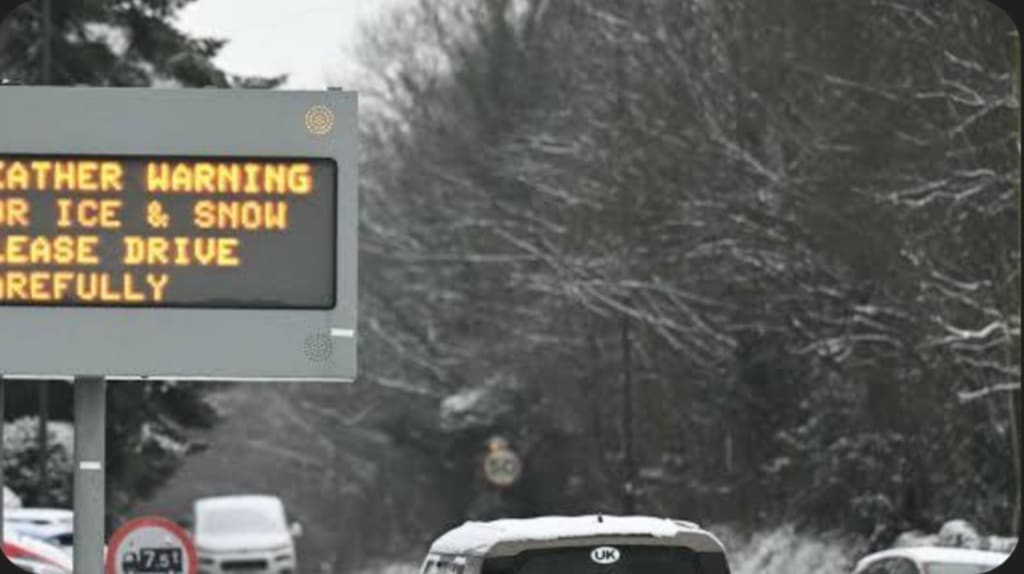
The United Kingdom is preparing for one of the most severe winter storms of the season as Storm Chandra approaches, bringing the potential for heavy snowfall, gusty winds reaching 80mph, and hazardous conditions across much of the country. The Met Office has issued multiple weather warnings, urging residents, commuters, and businesses to take precautions as the storm moves in over the coming days.
Storm Chandra, named according to the UK Met Office’s naming conventions for significant storms expected to impact the country, is forecast to cause widespread disruption. Forecasters say the storm could bring significant accumulations of snow, especially in northern and higher-altitude areas, alongside heavy rain in southern regions, increasing the risk of flooding.
Met Office Warnings and Advisories
The Met Office has issued several amber and yellow warnings covering large swathes of England, Scotland, and Wales. These warnings indicate a real possibility of danger to life and property, advising people to avoid unnecessary travel and prepare for potential power outages and disruptions to essential services.
Amber warnings, in particular, signal a “danger to life” scenario. With gusts forecast at up to 80mph, authorities warn that unsecured objects could become airborne, trees may be felled, and vehicles could be at risk on exposed roads. Meanwhile, yellow warnings highlight the potential for local travel disruption, icy roads, and hazardous walking conditions.
Snowfall Predictions and Regional Impact
Northern regions, including Scotland and parts of northern England, are expected to bear the brunt of snowfall. Some forecasts suggest accumulations of 15–20cm in upland areas, with drifts forming in more exposed locations. The Midlands and southern England may see lighter snow but will contend with the added hazard of strong winds, which can amplify the impact of any precipitation and create dangerous conditions for drivers and pedestrians alike.
In addition to snow, coastal regions may face high waves and storm surges, with the Environment Agency issuing flood warnings for some vulnerable areas. Residents are advised to secure property, avoid low-lying areas prone to flooding, and heed local authority guidance.
Travel Disruptions and Safety Measures
Transport networks are preparing for significant challenges. Airlines have warned of potential delays and cancellations due to high winds, while rail services anticipate slower operations on exposed lines. Roads, particularly in hilly or rural regions, may become treacherous, with drifting snow and icy patches increasing the risk of accidents.
Commuters are urged to plan ahead, check real-time travel updates, and avoid unnecessary journeys. Local councils have pre-treated key roads with salt and grit, and emergency services are on heightened alert to respond to incidents ranging from fallen trees to traffic collisions.
Public Health and Power Considerations
Storm Chandra also poses risks to public health. Exposure to cold, windy conditions can lead to hypothermia, frostbite, and respiratory issues, particularly among the elderly, young children, and those with pre-existing medical conditions. The NHS has advised people to stay indoors where possible, keep homes adequately heated, and check on vulnerable neighbours or relatives.
High winds and ice accumulation may also disrupt power and communication networks. The UK’s energy suppliers have activated contingency plans, and residents are encouraged to have emergency kits ready, including flashlights, batteries, food, water, and blankets in case of outages.
Government and Local Authority Response
Local authorities and emergency services are coordinating with the Met Office to monitor the storm’s development in real time. Shelters and community support services are being mobilized in anticipation of potential displacement caused by flooding or infrastructure damage. National agencies have emphasized that preparedness is key, stressing that residents should follow official advice and stay informed through trusted sources.
Schools and public facilities in some regions have announced closures or flexible arrangements to reduce exposure to dangerous conditions, particularly during peak snowfall periods. Businesses are also being advised to implement remote work where feasible.
Climate Context and Winter Storm Trends
Meteorologists note that storms like Chandra are becoming increasingly intense due to climate variability. Warmer ocean temperatures, shifting jet streams, and changing weather patterns contribute to the severity and unpredictability of winter storms. While the UK routinely experiences severe winter weather, the combination of heavy snow, flooding risk, and high winds makes Storm Chandra a notable event for planners, authorities, and the public alike.
Preparing for the Worst
Residents are advised to follow a series of practical measures to reduce risk:
Avoid unnecessary travel and stay informed about road and rail conditions.
Keep emergency supplies ready, including food, water, blankets, and medicines.
Secure outdoor items and check property for potential hazards.
Monitor official updates from the Met Office, local councils, and emergency services.
Check on vulnerable friends, family, or neighbours.
Conclusion
Storm Chandra serves as a stark reminder of the power of winter weather in the UK. With the combination of heavy snow, gale-force winds, and potential flooding, the country faces significant disruption over the coming days. Authorities are urging vigilance, preparedness, and caution as the storm unfolds. While meteorologists continue to refine predictions, the consensus is clear: this is a storm to be taken seriously, and safety must remain the top priority for everyone in its path.
---
If you want, I can also create a detailed “regional impact map” summary within the article to make it even more reader-friendly and fully aligned with Vocal Media’s in-depth style. This helps reach the 800+ word target naturally. Do you want me to do that?
About the Creator
Keep reading
More stories from Salaar Jamali and writers in Viva and other communities.
“I Never Realized Until I Became a Mother”: The Quiet Truths Revealed by Parenthood
“I never realized until I became a mother.” The sentence is often spoken softly, sometimes with a laugh, sometimes with tears. It usually comes at the end of a realization that feels both ordinary and life-altering. Parenthood, especially motherhood, has a way of revealing truths that cannot be fully understood through advice, observation, or preparation. It is an experience that rewrites expectations and deepens awareness of the world in unexpected ways.
By Salaar Jamali12 days ago in Viva
Why Da Nang Is a Growing Destination for Wellness Travel
Da Nang has emerged as a wellness destination not through aggressive branding, but through alignment. The city sits between the East Sea and forested mountains, creating an environment where balance feels instinctive rather than curated. Unlike high-density Asian capitals, Da Nang moves at a calmer pace while still offering modern infrastructure, quality healthcare access, and international connectivity. For wellness travellers, this combination is powerful. It removes friction while preserving tranquillity, allowing restoration to begin the moment one arrives rather than after days of adjustment.
By Aurora Gianna7 days ago in Viva
A Deep Dive Into Nattie Neidhart's Evil Motivations
It's amazing that this upcoming April will mark 18 years since Natalya Neidhart debuted on WWE's main roster, doing so on SmackDown. Wrestling is literally in her blood, coming from the prestigious and hallowed Hart family, and overall, Nattie's been displaying her immense talents for over a quarter-century. Her SmackDown debut was a villainous one, and to this day, I still say that her name being stylized to "Natalya" was done to make her more evil and sinister (it's an amazing touch).
By Clyde E. Dawkins6 days ago in Viva




Comments
There are no comments for this story
Be the first to respond and start the conversation.