
Taiwan Drones Market Size, Industry Trends, Share, Growth and Forecast to 2033
Explore the trends, growth drivers, challenges, and market forecast of Taiwan’s drone industry as technological innovation, commercial adoption, and government initiatives accelerate the development of unmanned aerial systems.

Market Overview
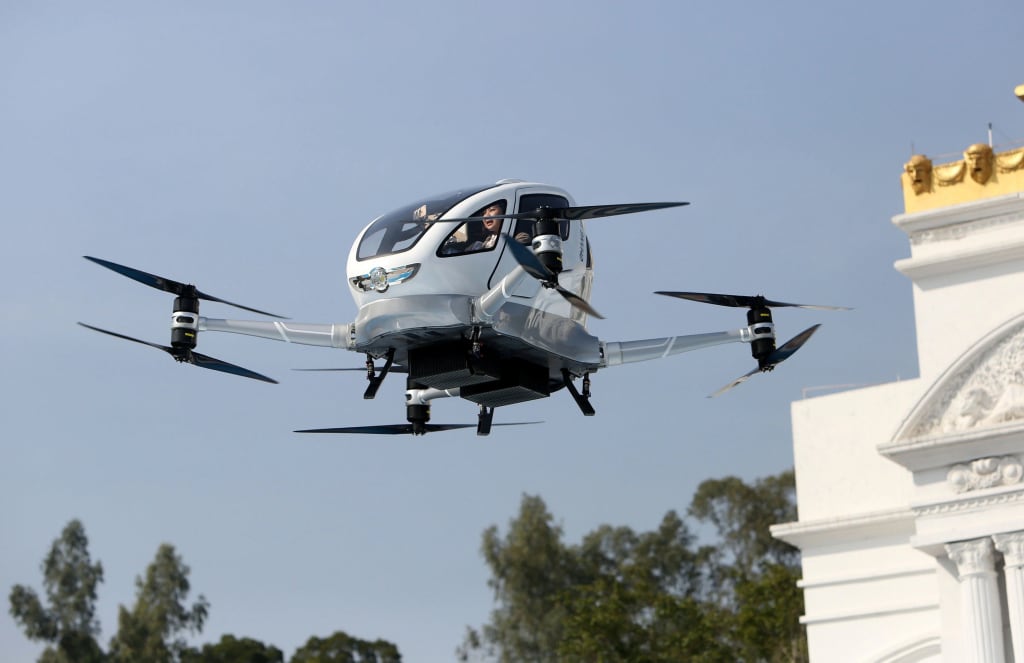
The Taiwan drones market has witnessed notable development in recent years, driven by advancements in technology, growing industrial applications, and increasing interest in unmanned aerial systems (UAS). Drones are becoming essential tools across various sectors, including agriculture, infrastructure inspection, logistics, public safety, and aerial photography.
Taiwan’s strong electronics manufacturing ecosystem provides a supportive environment for drone innovation. The country is recognized for its semiconductor expertise, precision manufacturing capabilities, and research-driven technology sector. These strengths help local companies design advanced drone components, sensors, and control systems.
As industries adopt digital transformation and automation, drones are increasingly used to improve efficiency, safety, and data collection. This trend has positioned Taiwan as a growing participant in the global drone ecosystem.
Request a Sample Report with Latest Data & Forecasts:
Market Growth Drivers
Several factors are contributing to the expansion of the Taiwan drones market. Technological progress, supportive industrial policies, and rising demand from commercial sectors all play important roles.
One key driver is the growing use of drones in agriculture. Farmers are adopting drone technology for crop monitoring, pesticide spraying, and soil analysis. These tools allow more precise farming practices, helping increase productivity while reducing resource consumption.
Infrastructure monitoring is another major driver. Drones are used to inspect bridges, buildings, power lines, and construction sites. Compared to traditional inspection methods, drones provide faster data collection and reduce safety risks for workers.
The logistics sector is also exploring drone technology for small-package delivery and warehouse management. Although large-scale drone delivery systems are still developing, pilot projects and research initiatives continue to expand.
Expanding Commercial Applications
The versatility of drones allows them to serve a wide range of industries.
Agriculture and Precision Farming
Agricultural drones help farmers analyze crop health using high-resolution cameras and sensors. They enable early detection of plant diseases, irrigation issues, and nutrient deficiencies. These capabilities support more efficient resource management and sustainable farming practices.
Infrastructure and Construction
Construction companies increasingly use drones for site mapping, progress tracking, and structural inspection. Aerial imaging helps engineers monitor large-scale projects and maintain accurate project documentation.
Public Safety and Emergency Response
Emergency response teams use drones to assess disaster zones, locate missing persons, and monitor wildfire activity. Their ability to quickly capture aerial footage provides valuable situational awareness for rescue teams.
Media and Creative Industries
Drones have become widely used in photography, filmmaking, and broadcasting. Aerial footage adds a dynamic perspective to media production and supports creative storytelling.
Technological Advancements
Innovation continues to shape the development of the Taiwan drones market. Manufacturers are focusing on improving flight stability, battery efficiency, navigation accuracy, and payload capabilities.
Artificial intelligence and machine learning technologies are increasingly integrated into drone systems. These tools allow drones to analyze captured data automatically, enabling applications such as crop analysis, surveillance monitoring, and industrial inspections.
Autonomous flight technology is another emerging area. Advanced navigation systems and obstacle detection sensors allow drones to operate with minimal human intervention.
Taiwan’s electronics sector contributes to advancements in sensors, semiconductors, and communication components used in drone systems. This integration of hardware and software capabilities strengthens the country's position in drone technology development.
Regulatory Environment
Government regulations play an important role in shaping the drone market. Authorities must balance innovation with safety, privacy, and airspace management considerations.
Taiwan has introduced regulatory frameworks to guide drone operations, including requirements for registration, pilot certification, and operational guidelines. These policies help ensure responsible drone use while supporting industry development.
Clear regulatory standards are essential for expanding commercial drone services such as aerial delivery, surveillance, and large-scale industrial inspections.
Market Challenges
Despite promising growth prospects, the Taiwan drones market faces several challenges.
One challenge involves airspace regulation and operational restrictions. Urban areas and sensitive locations may impose limitations on drone flights, which can affect commercial operations.
Another challenge is technological competition. Drone manufacturers worldwide continue to innovate rapidly, creating a highly competitive global market.
Battery limitations also remain a technical barrier. While drone capabilities are improving, flight duration and payload capacity are still constrained by battery performance.
Finally, concerns about privacy and data security must be addressed to maintain public trust in drone technology.
Market Forecast
The Taiwan drones market forecast indicates continued expansion as industries increasingly adopt drone technology for operational efficiency and data-driven decision-making. Demand from agriculture, infrastructure monitoring, and logistics sectors is expected to support steady growth in the coming years.
Technological innovations such as AI-powered analytics, improved battery technologies, and autonomous flight capabilities are forecast to enhance drone performance and expand potential applications.
Government support for advanced manufacturing and technology development may further strengthen Taiwan’s role in the global drone supply chain. Collaboration between research institutions, technology companies, and industrial partners is likely to accelerate innovation.
As drone technology becomes more integrated into commercial and industrial operations, the Taiwan drones market forecast reflects strong potential for long-term development and technological advancement.
About the Creator
Jackson Watson
I'm a market research analyst at Imarc group company delivering data-driven insights, industry analysis, and customized research solutions. We support businesses with market sizing, competitive analysis, and strategic decision-making.
Keep reading
More stories from Jackson Watson and writers in Trader and other communities.
AI in Education Market Size and Forecast 2026–2034: Transforming Global Learning Through Intelligent Technologies
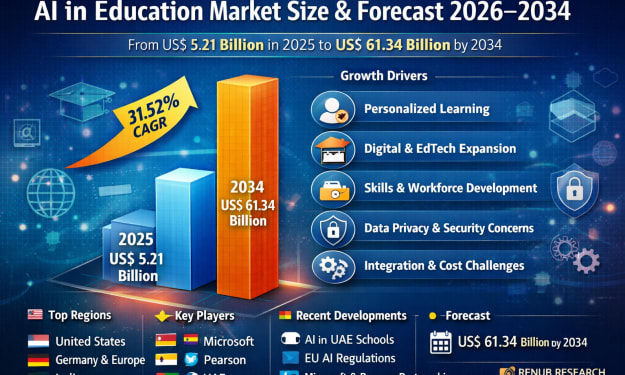
AI in Education Market: A Rapidly Expanding Global Industry The global AI in Education Market is entering a phase of remarkable expansion as digital transformation reshapes how knowledge is delivered, consumed, and managed. According to Renub Research, the market is expected to grow from US$ 5.21 billion in 2025 to US$ 61.34 billion by 2034, registering a robust compound annual growth rate (CAGR) of 31.52% from 2026 to 2034. This extraordinary growth reflects the rising role of artificial intelligence in making education more personalized, scalable, and efficient across the world.
By shibansh kumarabout 17 hours ago in Trader
Netherlands Diabetes Device Market Size and Forecast 2026–2034
Introduction: A Market Moving Toward Smarter Diabetes Care The Netherlands has long been recognized for its strong healthcare infrastructure, early adoption of medical technology, and emphasis on preventive care. These strengths are now clearly reflected in the country’s diabetes devices market, which is entering a phase of sustained and technology-driven growth. According to Renub Research, the Netherlands diabetes-care devices market is projected to expand from US$ 392.4 million in 2025 to US$ 737.3 million by 2034, registering a compound annual growth rate (CAGR) of 7.27% during 2026–2034.
By Sakshi Sharma2 days ago in Trader



Comments
There are no comments for this story
Be the first to respond and start the conversation.