
Australia Fuel Station Market: Navigating the Road Ahead Amid Energy Transition
The Australia Fuel Station Market is evolving from traditional refueling points into multifunctional mobility hubs, driven by infrastructure growth, rising vehicle use, and the transition to sustainable energy solutions.

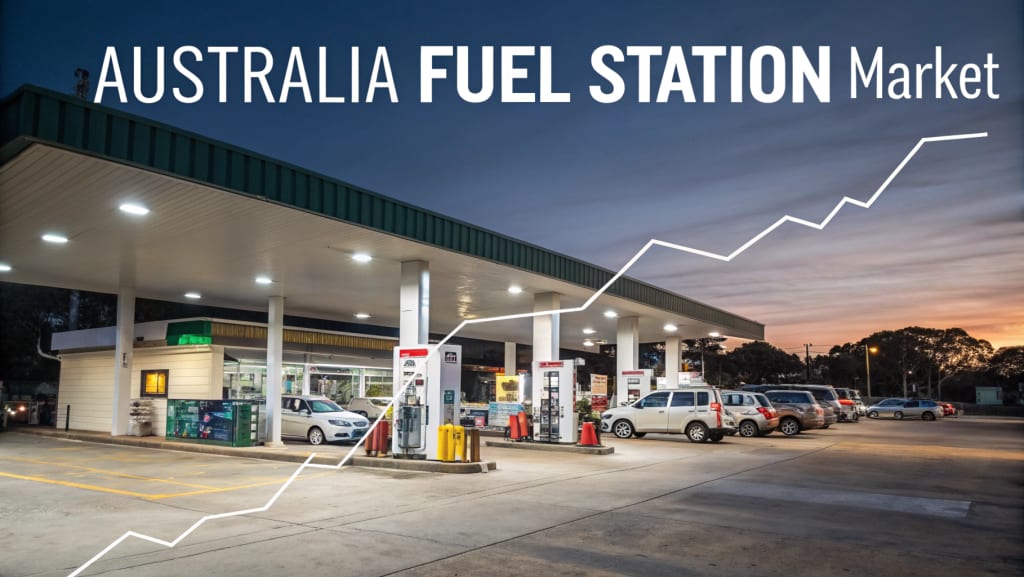
The Australia Fuel Station Market has demonstrated steady expansion in recent years, underpinned by changing consumer preferences, infrastructure development, and broader energy transitions. According to IMARC Group’s latest analysis, the market size reached USD 1.1 billion in 2025, is projected to grow to USD 1.5 billion by 2034, and is expected to expand at a compound annual growth rate (CAGR) of 3.46% between 2026 and 2034.
This growth reflects the enduring importance of fuel stations in Australia’s transport and mobility ecosystem — even as electrification and cleaner energy solutions gain traction. Increasing demand for convenience services, diversification of energy offerings (including EV charging and alternative fuels), and ongoing infrastructure investments are reshaping the industry’s size, scope, and strategic direction.
Why the Market Is Growing So Rapidly
1. Infrastructure Development and Vehicle Adoption
Australia’s expanding road networks and broader infrastructure projects are directly contributing to increased miles driven by both private and commercial vehicles. This translates to sustained demand for fuel stations across urban, suburban, and regional corridors. Growing vehicle ownership — particularly among freight, logistics, and passenger segments — supports a baseline level of fuel consumption that continues to underpin market growth.
2. Diversification into Convenience and Retail Services
Fuel stations in Australia are no longer just about selling fuel. To attract and retain customers, operators are increasingly integrating convenience retail, fresh food counters, parcel pickup services, and other on-site offerings. This transformation helps boost “dwell time” and transaction value per customer, positioning fuel stations as lifestyle-oriented service destinations rather than simple refueling points.
3. Renewable Fuel Infrastructure and Energy Transition
A shift toward cleaner fuels is gaining momentum across the market. Operators have started adding renewable fuel options such as biodiesel, ethanol blends, and even nascent hydrogen supply infrastructure to support hybrid and low-emission vehicles. These efforts are being driven by both regulatory measures and rising consumer consciousness about environmental impacts.
4. Integration of Electric Vehicle (EV) Charging Networks
Electric mobility adoption continues to shape the strategic direction of Australia’s fuel station market. The rollout of EV charging infrastructure at existing fuel station locations — particularly along highways and in metropolitan centres — addresses the rising number of electric vehicles on Australian roads. Charging networks are supported by partnerships between charging technology firms and traditional fuel retailers, strengthened by digital payment and real-time interface systems.
5. Consumer Demand for Digital and Convenient Experiences
Modern consumers expect seamless and technology-enabled experiences. Mobile payment systems, loyalty apps, and contactless services are becoming standard at many service stations, enhancing customer convenience and efficiency. These digital components help differentiate offerings and encourage repeat customer engagement, reinforcing growth prospects at a time of evolving consumer behaviour.
What the Opportunities Are
1. Expansion of Electric Vehicle Charging Infrastructure
As EV adoption accelerates, there’s a clear opportunity for fuel stations to establish high-speed charging facilities. Partnering with charging technology providers can enable stations to capture longer dwell times and ancillary revenue.
2. Growing Demand for Alternative Fuels
Investments in renewable and low-emission fuel distribution can help operators align with sustainability trends and regulatory goals, while also serving fleets and consumers committed to cleaner mobility.
3. Convenience-Focused Retail Models
Fuel stations that expand non-fuel offerings (grocery, food services, basic on-site retail) have a strong opportunity to boost revenue and improve customer loyalty, especially in high-traffic areas.
4. Technology-Driven Customer Engagement Tools
Implementing digital loyalty programs, mobile apps, and automated payment systems can enhance user experience and capture valuable data insights for personalised marketing and operational optimisation.
5. Strategic Partnerships with Logistics and Fleet Operators
Fuel retailers can diversify by collaborating with logistics companies to provide custom fuel solutions, fleet management services, and tailored energy packages that meet the demands of commercial fleets.
6. Infrastructure Upgrades in Regional Areas
Rural and regional markets offer untapped potential, particularly for service stations that combine energy offerings with essential travel and convenience services aimed at long-distance drivers.
7. Integration of Value-Added Services
Adding on-site vehicle services, electric bike charging, parcel lockers, and collaboration with quick-service restaurants creates a diversified revenue mix that helps offset fuelling market fluctuations.
• March 2025: The Australian Competition and Consumer Commission (ACCC) introduced new guidelines encouraging investment in renewable fuel distribution at service stations, aiming to support the country’s broader low-emission transport targets. This policy move includes incentives for biodiesel, ethanol blends, and hydrogen refueling infrastructure, helping to lower barriers for early adopters of clean energy solutions and create a roadmap for network-wide modernization.
• June 2025: Ampol completed its strategic acquisition of around 500 EG-branded petrol stations in a USD 1.1 billion deal, reinforcing its footprint as Australia’s largest fuel retailer. This expansion bolsters its retail network and accelerates investment in EV charging infrastructure and convenience services across metropolitan and regional sites.
• October 2025: Market adoption metrics revealed that electric vehicle charging usage at fuel station sites grew by over 15% year-on-year, driven by both domestic EV sales and increased charging access. This milestone highlights the dual energy landscape — traditional fuel alongside fast-charging solutions — and underscores strategic shifts by operators to meet diversified mobility demands.
Why Should You Know About the Australia Fuel Station Market?
The Australia Fuel Station Market represents a dynamic, evolving node of the nation’s broader mobility and energy ecosystem. While traditional fuel sales remain foundational, the sector’s growth is increasingly tied to diversified services, renewable fuel integration, and EV charging networks. For investors, this market offers multiple pathways to capture returns — from infrastructure upgrades to digital platforms and sustainability-oriented offerings. For businesses, fuel retailers and partners can leverage innovation to improve customer satisfaction and competitive positioning. And for policy makers, understanding this market is critical for shaping regulations that balance economic growth with environmental stewardship and energy security objectives.
About the Creator
Rashi Sharma
I am a market researcher.
Keep reading
More stories from Rashi Sharma and writers in Trader and other communities.
Australia Agricultural Machinery Market: Booming Mechanization and Smart Farming Growth 2026–2034
The Australia Agricultural Machinery Market continues to grow strongly, reflecting broad agricultural modernization trends across the country. According to the latest IMARC Group analysis, the market recorded a value of USD 4.2 billion in 2025 and is poised to expand to USD 6.5 billion by 2034, with a compound annual growth rate (CAGR) of 4.77% during 2026–2034.
By Rashi Sharma2 days ago in Trader
Procurement Software Market Size and Forecast 2026–2034
Procurement Software Market Outlook The global procurement software market is entering a phase of accelerated transformation as organizations across industries seek to modernize purchasing operations, enhance transparency, and strengthen cost control. According to industry estimates, the Procurement Software Market is expected to reach US$ 20.93 billion by 2034, up from US$ 9.31 billion in 2025, growing at a compound annual growth rate (CAGR) of 9.42% from 2026 to 2034.
By shibansh kumar5 days ago in Trader
How Corporate Partnerships and Open Innovation Drive Faster Business Growth
Corporate partnerships and open innovation have become essential strategies for organizations seeking to remain competitive in rapidly evolving markets. As technology advances and customer expectations shift, no company can rely solely on internal resources to keep up. By collaborating with external partners, businesses can access new ideas, expand their capabilities, and accelerate the development of innovative solutions.
By Greg Warnockabout 22 hours ago in Trader
When the Shelter Closes
Across the street from my house, a man slept under a tree, his dog by his side. My first, naive thought: he must be traveling through. But he kept coming back, often sleeping there during the day. Then it hit me—that person might not have a home.
By Bride of Sound6 days ago in Humans




Comments
There are no comments for this story
Be the first to respond and start the conversation.