Business + Education
Equipping you with the tools you need to succeed.





Yunus: The International Power Behind Bangladesh’s 2026 Election
By: Tuhin Sarwar। Dhaka । February 18, 2026 । Eight months after Bangladesh’s caretaker government assumed power following the collapse of the previous administration in August 2024, the nation experienced one of its most closely watched democratic transitions in recent memory. On 12 February 2026, the country concluded a general election that delivered a two-thirds parliamentary majority to the Bangladesh Nationalist Party (BNP), enabling Tarique Rahman to take office as Prime Minister. Yet an analysis by India Today reflected across global media outlets frames the story differently: the true strategic victor of Bangladesh’s 18‑month political transition was Muhammad Yunus, the Nobel laureate economist whose international stature and tactical maneuvering shaped the nation’s political landscape in ways no conventional politician has before.
By Tuhin Sarwarabout 14 hours ago in Journal
The Rise of Private Universities: A Hidden Growth Driver in the German Education Market
Germany has long stood as the global poster child for accessible higher education. For decades, the country has prided itself on a state-funded public university system that charges virtually zero tuition. However, a quiet yet powerful revolution is currently reshaping this academic landscape. Private universities are no longer just a niche alternative for the wealthy elite; they have evolved into a critical growth engine for the entire sector.
By Joey Mooreabout 16 hours ago in Education
Court Orders and Care: Why Medical Confidentiality Sometimes Ends
The Principle of Medical Confidentiality Medical confidentiality represents a foundational pillar of healthcare, enshrined to protect patient privacy and foster trust between provider and patient. It ensures that sensitive health information—ranging from mental health diagnoses to treatment histories—remains shielded from unauthorized eyes. This confidentiality encourages candid communication, which is essential for effective diagnosis and therapy. Without this assurance, patients may withhold vital details, undermining the therapeutic process. Yet, while robust, this principle is not absolute; legal frameworks can occasionally necessitate disclosure, presenting a complex interplay between patient rights and societal interests.
By Fida Hassainabout 17 hours ago in Journal
Wise & Unafraid
The truth is, we live in a shitty ass world—where our hearts and minds get tainted from the very beginning. Without much awareness, all of our worlds come together and collide… unifying our way of thinking, the thoughts that form, the views/beliefs of what’s important and what is not, the behaviors that we should have in order to fit in correctly. It all brings us to an intentional understanding of the standards that we should have so that we may be of value, of worth, living life as it should be lived.
By Marysol Ramosabout 18 hours ago in Journal
Over 250,000 Korean Cultural Artifacts Located Overseas: Heritage Agency. AI-Generated.
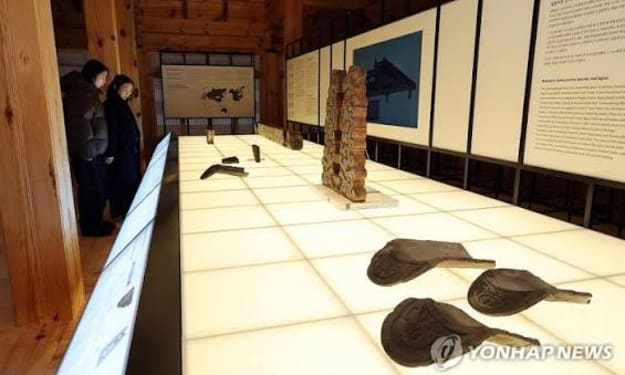
South Korea’s Cultural Heritage Administration (CHA) has reported that more than 250,000 Korean cultural artifacts are currently held outside the country, highlighting ongoing challenges related to heritage preservation, repatriation, and international cooperation. The announcement underscores the widespread dispersal of Korean cultural property across museums, private collections, and archaeological holdings worldwide. Scope of Korean Cultural Dispersal According to the CHA, the artifacts range from ancient pottery, calligraphy, and Buddhist statues to royal court objects and historical manuscripts. Many of these items were taken during periods of foreign occupation, colonial rule, or illicit trade, while others were legally acquired by international museums or collectors. The CHA emphasized that the dispersed nature of these artifacts complicates efforts to document, protect, and eventually repatriate them to South Korea. “Korean cultural heritage represents our national identity and history,” said a CHA spokesperson. “While many artifacts are preserved overseas, their absence from the homeland diminishes opportunities for Koreans to engage with their own cultural legacy.” Efforts Toward Repatriation South Korea has been actively pursuing repatriation initiatives for decades. These efforts include diplomatic negotiations, legal claims, and cooperative agreements with foreign institutions. Notable successes include the return of significant royal court artifacts from Japan and the United States in recent years. The CHA has established specialized task forces to track the location and ownership of Korean artifacts abroad. This includes digitizing records, collaborating with foreign museums, and conducting provenance research to strengthen claims for repatriation. International Challenges Repatriation, however, is a complex and often contentious process. Many foreign institutions argue that artifacts acquired legally cannot be reclaimed, while others cite cultural exchange and conservation benefits. Additionally, political considerations can influence negotiations, especially when dealing with countries that have historical claims or disputes with Korea. Experts also note the challenge of verifying authenticity and tracing provenance for items scattered over multiple centuries and locations. “It’s not just about asking for objects back,” said a cultural heritage scholar. “It requires thorough documentation, international legal frameworks, and cooperative relationships with the institutions holding these items.” Cultural and Educational Impact The dispersal of artifacts has implications beyond legal and diplomatic concerns. Cultural scholars argue that access to original works is critical for education, research, and public awareness. Museums and universities in Korea have long relied on replicas or digital images of key artifacts, limiting the depth of study available to students and researchers. By advocating for repatriation and international loans, South Korea aims to ensure that both domestic and international audiences can engage with the nation’s rich cultural history. The CHA also promotes temporary exhibitions abroad to raise awareness about Korea’s artistic and historical achievements. Strategic Plans and Digital Initiatives To address these challenges, the CHA is investing in digital heritage projects, including the creation of an online repository cataloging all known Korean artifacts worldwide. This platform allows scholars, policymakers, and the public to access detailed information about the artifacts’ history, condition, and current location. The agency has also proposed international agreements to facilitate temporary exhibitions, collaborative research, and long-term loans, fostering a cooperative approach rather than confrontational claims. This strategy aims to strengthen South Korea’s influence in global heritage circles while maximizing access to its cultural treasures. Looking Ahead The announcement of over 250,000 overseas artifacts serves as a reminder of both Korea’s rich historical legacy and the challenges of preserving and reclaiming it. Officials stress that continued international cooperation, legal advocacy, and public engagement are essential to ensure that Korean cultural heritage can be appreciated by future generations. “The preservation and return of cultural artifacts are not just a national priority—they are part of the global responsibility to protect humanity’s shared heritage,” the CHA said. “We will continue to work diligently with international partners to recover and safeguard these treasures.” The report also reinforces the need for awareness campaigns to highlight the significance of cultural heritage and the ongoing efforts to repatriate key artifacts.
By Fiaz Ahmed about 18 hours ago in Education
Bridging the Digital Gap: Community Efforts Supporting Older Adults. AI-Generated.
Technology and an Aging Population Digital tools shape nearly every aspect of modern life. From scheduling medical appointments to communicating with family, technology influences how people stay connected and informed. While many adapt quickly to new platforms, older adults often face barriers when navigating rapidly evolving devices and online systems.
By Frank Mongelluzziabout 18 hours ago in Journal