
Watershed moment as Russia's sporting exile ends
After years of bans following the Ukraine invasion, Russian athletes are set to return to major international competitions, reshaping global sport and reigniting debate over politics and fairness in athletics.

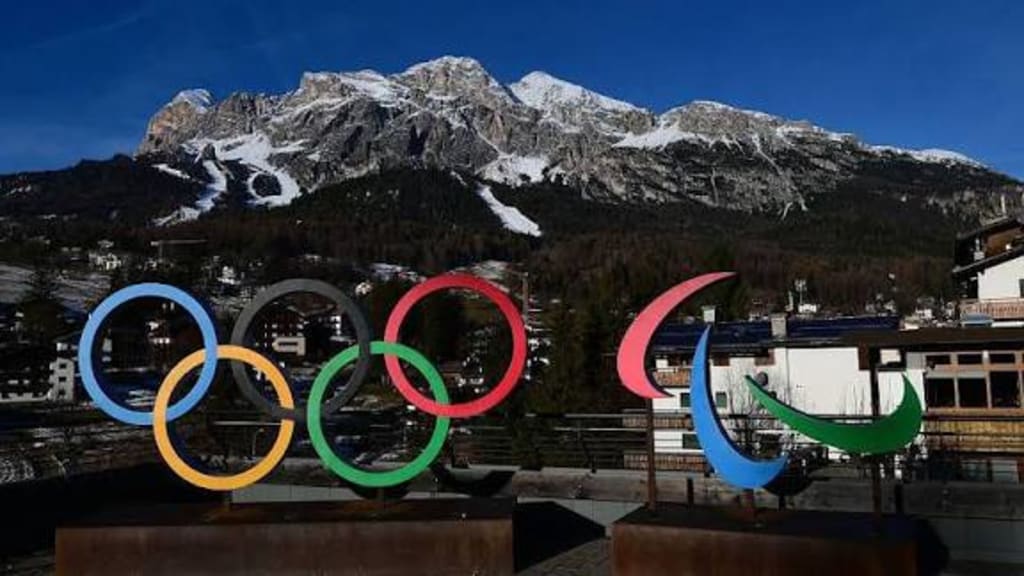
In a dramatic turn of events, Russia has formally ended its years-long isolation from major international sporting competitions, a development that marks a significant shift in global athletics and geopolitics. After being barred from many world championships and high-profile events following its invasion of Ukraine in 2022, Russian athletes and teams will now be permitted to compete again under the national flag, flagging a “watershed moment” for sports and diplomacy alike.
The decision comes after months of negotiation between Russian sporting authorities, international federations, and major events organisers. At the heart of this shift is a coordinated move by bodies such as the International Olympic Committee (IOC) and individual sport federations to reassess blanket bans in favour of more nuanced eligibility criteria. Supporters argue that athletes should not be punished indefinitely for the actions of governments and that sport has a unique capacity to build bridges even amid geopolitical tensions.
From Ban to Reinstatement
Russia’s sporting exile began soon after its full-scale invasion of Ukraine in February 2022. In response to global outrage and widespread condemnation, numerous international sports federations imposed sanctions on Russian competitors and teams. These included bans from high-profile events such as the FIFA World Cup qualifiers, World Athletics Championships, and numerous cycling, tennis, and gymnastics competitions.
In many instances, Russian athletes were required to compete as neutrals — without national anthems, flags, or official representation — provided they could demonstrate they opposed their country’s military actions and met strict eligibility criteria. These measures were intended to balance fairness to individual athletes with broader international pressure on Russia’s government.
However, the extended absence of Russian teams and athletes had profound implications. Russia has long been a powerhouse in many sports, from gymnastics and track and field to figure skating, hockey, and beyond. Their absence reshaped competition fields, affected sponsorships and broadcasting revenues, and prompted intense debate within sporting communities worldwide.
The Decision and Reactions
The recent shift emerged after intense dialogue between sporting bodies and national federations. Federations cited several reasons for the change, including legal challenges to protracted bans, concerns about the effectiveness of long-term exclusion, and a belief that sport should ultimately transcend politics.
At a press briefing announcing the change, an IOC official stated that allowing Russian athletes to compete again under their national flag was “a decision grounded in fairness, under clear and enforceable criteria designed to protect the integrity of sport.” The official also emphasised that individual federations would retain latitude to set specific rules for their competitions.
Reactions to the reinstatement have been mixed. In Russia, government officials and athletes hailed the decision as overdue and vindicated what they called the “spirit of athletic excellence.” Media coverage in Moscow has portrayed the return as a triumph of sport over politics and a validation of years of development and training.
International Response and Controversy
Elsewhere, the response has been more cautious. Some Ukrainian sporting officials condemned the decision, arguing that reinstating Russian competitors before a peaceful resolution in Ukraine sends the wrong signal and undermines solidarity efforts. “Sports can be a force for good,” one Ukrainian federation official said, “but not at the cost of ignoring ongoing aggression.”
Several Western athletes also voiced concern. A prominent European cyclist, who asked not to be named, said, “We all want inclusive competition, but this feels premature given the geopolitical context.” Others stressed the need for transparent criteria to ensure reinstated competitors uphold values of fairness and respect.
Legal analysts note that long-term bans faced potential challenges under international law, particularly in contexts where individual athletes had no direct role in political decision-making. At the same time, they add, federations must strike a delicate balance between inclusivity and maintaining global solidarity in response to conflict.
Implications for Future Competitions
With the return of Russian athletes and teams, the competitive landscape in many sports is poised to change dramatically. Events such as the upcoming Olympic Games, world championships in athletics, swimming, and team sports now face renewed interest and global viewership, as audiences anticipate the performance of Russian competitors who have been sidelined for years.
Sponsors, broadcasters, and event organisers have also reacted, with many welcoming the prospect of a more complete competitive field. Ticket demand for major events has reportedly risen in several markets since the reinstatement announcement.
Yet the path ahead remains complex. Federations will need to implement guidelines that address issues of eligibility, ensure the safety and fairness of competition environments, and respond to ongoing geopolitical tensions with sensitivity.
Looking Ahead
The end of Russia’s sporting exile stands as a landmark moment for international sport — one that underscores the challenges of balancing politics, ethics, and competition in a globalised world. As Russian athletes prepare to reenter arenas and stadiums around the world, the global sporting community faces a pivotal test: can sport serve as a unifying force even amid unresolved conflict, or will political fault lines continue to shape its outcomes?
The coming months and competitions will provide critical insight into how this “watershed moment” unfolds — for athletes, fans, and nations alike.
About the Creator
Fiaz Ahmed
I am Fiaz Ahmed. I am a passionate writer. I love covering trending topics and breaking news. With a sharp eye for what’s happening around the world, and crafts timely and engaging stories that keep readers informed and updated.
Keep reading
More stories from Fiaz Ahmed and writers in The Swamp and other communities.
US Military Launches Operation in Ecuador to Combat Drug Trafficking
In a significant escalation of U.S. efforts to counter narcotics crime in Latin America, United States Southern Command has confirmed that the United States and Ecuador have begun joint military operations aimed at combating drug trafficking and related organized crime groups. The operation, which began on March 3, 2026, is part of a broader campaign to confront narco-terrorism — a term used by officials to describe powerful criminal networks that blend drug trafficking with violence and terrorism tactics. Southern Command said in a statement that Ecuadorian and U.S. military forces launched coordinated operations against what they described as “Designated Terrorist Organizations” operating within Ecuador’s territory. Though details remain limited, the action was framed as a decisive move to disrupt and dismantle trafficking networks that have fueled violence, corruption, and instability in the region. New Phase in the War on Narco-Terrorism President Daniel Noboa, a close ally of Donald Trump, has described the joint military operations as part of a “new phase” in Ecuador’s long-running struggle against powerful drug cartels that use the country’s extensive ports and borders to move cocaine to international markets. Ecuador’s geographic position near major drug producing neighbours such as Colombia and Peru makes it a critical transit hub in the global cocaine trade. In statements on social media platform X, Southern Command emphasised the partnership’s regional significance, calling the operation “a powerful example of the commitment of partners in Latin America and the Caribbean to combat the scourge of narco-terrorism.” A short video accompanying the announcement featured helicopters and ground elements but did not disclose locations or objective specifics. What the Operation Involves While Ecuador’s Ministry of Defense has refrained from releasing operational specifics, citing security concerns and classified details, military cooperation reportedly includes intelligence sharing, logistical coordination, and advisory support from U.S. personnel. In similar anti-narcotics efforts, U.S. Special Forces have provided tactical advice and helped Ecuadorian units plan and execute raids on cartel infrastructure. According to officials, the operation marks one of the most significant deployments of U.S. military assets in Ecuador since the reintroduction of temporary forces at the former US air base in Manta — a site that had supported counter-drug efforts before the base was closed in 2009. Though Ecuador’s constitution prohibits permanent foreign bases, short-term deployments under bilateral agreements have enabled joint operations against drug networks. Background: Rising Violence and Crime Ecuador has experienced a sharp increase in violence over the past few years as rival cartels such as Los Lobos and Los Choneros fight for control of trafficking routes. Around 70 % of cocaine leaving Colombia and Peru — the world’s top two cocaine producers — transits through Ecuador, according to government estimates. The resulting turf wars have driven up homicide rates and strained law enforcement capabilities. The Trump administration, which has focused on interdiction and military pressure as core elements of its approach to drug policy, has already conducted a series of anti-drug strikes in the Caribbean and Eastern Pacific as part of a broader campaign known as Operation Southern Spear. These actions have targeted suspected smuggling vessels and distribution networks in oceanic corridors that feed illicit supply chains. Reactions and Implications The launch of military operations in Ecuador has drawn mixed reactions. Supporters argue that the cooperation strengthens national and regional capacity to confront well-armed criminal groups that have overwhelmed local security forces. They believe that increased U.S. involvement — particularly in intelligence and tactical planning — bolsters long-term efforts to reclaim territory from cartel control and disrupt global trafficking routes. Critics, however, warn that the use of military force in anti-drug operations can have unintended consequences. Some observers argue that militarising the fight against drug trafficking may lead to increased civilian harm or deepen instability if not paired with comprehensive law-enforcement reform, social investment, and economic alternatives. Questions have also been raised about the lack of transparency surrounding the classified aspects of the operation and the extent of U.S. involvement beyond advisory roles. Regardless of these debates, the operation reflects a growing strategic partnership between Washington and Quito, reinforced by shared interests in combating narcotics crime. For Ecuador, the collaboration offers badly needed resources and expertise to confront a problem that has strained its institutions. For the United States, it represents an expansion of military engagement in Latin America under an administration that has equated drug enforcement with broader security priorities. As the operation continues, officials from both nations have pledged to maintain coordination and to adapt their tactics based on evolving intelligence. With the details of specific raids and outcomes still emerging, the full impact of this joint military effort against drug trafficking will likely unfold over the coming weeks and months.
By Fiaz Ahmed about 9 hours ago in The Swamp
The Saddest Thing - The Billionaires Who Rule America Aren't Even Enjoying Themselves
This single post says more about our ruling class than a thousand policy papers. The saddest thing about today's system is that the men robbing the rest of us - sabotaging our economic prospects, our pensions, our access to affordable healthcare - are not even happy.
By Scott Christenson🌴26 days ago in The Swamp



Comments (1)
Lovely ♥️🙏