humanity
Humanity topics include pieces on the real lives of politicians, legislators, activists, women in politics and the everyday voter.
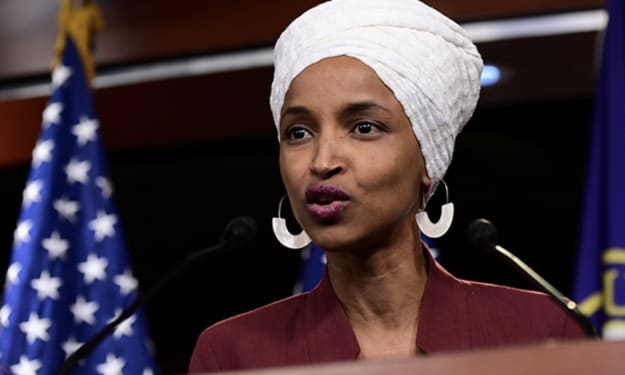
Democrats rally behind Ilhan Omar, rebuke Trump’s insults after Minnesota town hall attack
US Representative Ilan Omar was attacked. This must not stand. No political violence against anyone involved in the body politic should stand. It is a significant and repugnant sign of the country’s dissolution into a lawless republic.
By Skyler Saunders5 days ago in The Swamp
Shabana Mahmood: Teething Troubles with One in, One Out Deal.
Keir Starmer did a deal with French President Emmanuel Macron. The agreement is one in, one out. In other words, we send a migrant back to France, and we accept one from France. Or at least that's the basic theory of it. So illegal migrants can be removed from Britain, and an equal number can come to Britain via the legal route. However, some have questioned the logic of this. Surely a sound policy would be stop or at least deter migrants from crossing the English Channel in the first place. The Channel is the busiest or one of the busiest shipping lanes in the world, so dinghies stacked up with people are taking a hell of a risk. There have been no collisions with shipping as far as I know; however, dinghies have capsized with fatalities. Mr. Starmer was also supposed to be cracking down on the gangs exploiting migrants, but how well that has gone, I cannot say.
By Nicholas Bishop5 days ago in The Swamp
U.S. Government Invests $1.6 Billion in Rare Earths Firm: A Game-Changer for Domestic Supply Chains. AI-Generated.
Big news in the world of critical minerals! The U.S. government has just taken a $1.6 billion stake in USA Rare Earth, a company focused on developing domestic rare earth mineral production. This move isn’t just about investing in a company—it’s about securing America’s future in technology, defense, and clean energy.
By Ayesha Lashari6 days ago in The Swamp
Major Step: French MPs Vote to Ban Social Media for Under-15s,. AI-Generated.
Historic Vote in France French lawmakers recently took a major step in digital regulation by voting in favor of a bill that would ban social media platforms for children under 15. The measure, aimed at protecting young users from the risks of excessive screen time, online harassment, and exposure to inappropriate content, has been hailed as a significant move toward safeguarding youth in the digital age. The bill passed with broad parliamentary support, reflecting growing public concern over the impact of social media on children’s mental health and development. Why the Bill Was Proposed The proposed legislation comes amid increasing evidence linking social media use to negative outcomes in young people, including: Anxiety and depression caused by cyberbullying and social comparison Sleep disruption and reduced physical activity Exposure to harmful content, including violence and misinformation Potential addictive behaviors linked to excessive screen time French MPs argued that children under 15 may lack the maturity and judgment to navigate complex online environments safely, making a preventive measure necessary. Key Provisions of the Bill The new law, if enacted, will require social media platforms to implement age verification systems and ensure compliance with usage restrictions. Key provisions include: Prohibiting registration and active participation for users under 15 Enforcing parental consent mechanisms for older teenagers Imposing fines or penalties on platforms that fail to comply The bill aligns with a broader European effort to increase digital safety regulations, including stricter privacy rules and protection against harmful online content. Reaction from Parents and Educators Parents and educators have expressed strong support for the legislation. Many believe that social media can pose risks to children’s mental and emotional well-being and welcome government intervention. Parents appreciate the clarity and boundaries set by the law, seeing it as a tool to guide healthy online habits. Educators note that young children are increasingly distracted by social media, affecting learning and classroom focus. However, some critics argue that enforcing the ban may be challenging, given the widespread use of smartphones and access to apps through family devices. Social Media Companies Respond Major social media platforms have reacted cautiously to the legislation. Companies must now consider how to implement robust age verification systems without violating privacy laws or alienating users. Some platforms are exploring technological solutions, such as AI-driven age verification and parental control dashboards, but critics warn that children may find ways to bypass these measures. The law is also likely to influence social media regulation globally, as other countries watch France’s approach to protecting children online. Potential Challenges and Criticisms While the bill has been widely praised, several challenges remain: Technical enforcement: Ensuring children under 15 cannot create accounts or access content is complex. Privacy concerns: Age verification systems may require sensitive data, raising concerns about data protection. Social impact: Critics argue that limiting social media access may reduce digital literacy or social connection for young people. Despite these challenges, lawmakers insist that protecting mental health and safety takes precedence, emphasizing the long-term benefits of the legislation. Comparisons with Other Countries France is not the first country to consider restricting social media for minors, but it is among the most proactive in Europe. For example: United Kingdom: Proposals for age limits and parental consent have been debated but not fully implemented. United States: Social media platforms offer parental control features but no nationwide age ban exists. Australia: Initiatives focus on cyberbullying and digital literacy rather than full restrictions. France’s approach may serve as a model for other nations grappling with youth digital safety. Implications for Communities The law has far-reaching implications for families, schools, and digital communities: Parents may feel empowered to monitor and guide children’s online activity. Schools could integrate digital literacy programs alongside restrictions to ensure safe use. Communities may experience shifts in youth social interaction, as alternative offline activities are encouraged. Experts highlight that legislation alone cannot solve all issues, stressing the importance of education, dialogue, and community support in raising digitally responsible children. Public Debate and Future Steps The vote has sparked nationwide debate, with supporters emphasizing child protection and mental health, while opponents caution about freedom of choice and practical implementation. The next steps include: Final approval in the upper house of Parliament Collaboration with social media companies to develop compliant systems Public education campaigns to help families navigate the new regulations If enacted, the law would mark a historic shift in digital policy, reinforcing France’s commitment to protecting young users in an increasingly online world. Conclusion The decision by French MPs to vote in favor of banning social media for children under 15 is being hailed as a major step in child protection and digital safety. While challenges in enforcement and privacy remain, the legislation reflects growing societal concern over the impact of social media on youth mental health, education, and development. As the bill moves through further legislative processes, families, educators, and communities will need to adapt to new standards, ensuring that children can enjoy the benefits of technology without being exposed to unnecessary risks. France’s approach could also inspire global discussions about digital safety, serving as a potential blueprint for countries seeking to balance connectivity with child protection.
By Aarif Lashari6 days ago in The Swamp