finance
Money talks; reviewing the global economy, government spending, taxes, and economic policy that affect our social and political future.
Rs15 Billion Assistance for Rice Exporters: Government Vows to Ensure There Is No Misuse. AI-Generated.
In a bold move aimed at bolstering Pakistan’s rice sector, the government has announced Rs15 billion in financial assistance for rice exporters. The initiative comes at a crucial time as global demand for rice fluctuates due to supply chain challenges, inflation, and geopolitical tensions affecting trade. Officials have also emphasized that strict measures will be in place to prevent misuse of the funds, ensuring that the aid reaches its intended recipients.
By Muhammad Hassan14 days ago in The Swamp
Hyundai Motor to Recall Nearly 84,000 US Vehicles Over Instrument Panel Display Failure, NHTSA Says. AI-Generated.
Hyundai Motor Company has announced a major recall affecting nearly 84,000 vehicles in the United States, after the National Highway Traffic Safety Administration (NHTSA) flagged an issue with instrument panel displays. According to officials, the displays in certain models may fail unexpectedly, preventing drivers from seeing critical information such as speed, fuel level, and warning lights. The recall highlights the importance of vehicle safety oversight and timely responses to potential defects.
By Muhammad Hassan14 days ago in The Swamp
Exchange Firm’s Licence Cancelled: What It Means for Investors and the Market. AI-Generated.
In a move that has sent ripples across the financial sector, regulators recently cancelled the licence of a major exchange firm, citing violations of compliance and financial regulations. The decision has sparked concern among investors, raised questions about oversight in the trading industry, and highlighted the importance of transparency and accountability in financial operations.
By Muhammad Hassan14 days ago in The Swamp
New Zealand Landslide: Rescue Efforts Called Off for Six People Buried in Disaster. AI-Generated.
Rescue efforts have been officially called off for six people buried in a devastating landslide in New Zealand, as authorities confirmed that continued operations posed an unacceptable risk to emergency workers. The decision marks a painful turning point in a tragedy that has shaken the nation and reignited concerns over extreme weather, land stability, and disaster preparedness.
By Aarif Lashari14 days ago in The Swamp
Asbestos Found in Children’s Play Sand Sold in the UK. AI-Generated.
Safety fears grow as investigators uncover traces of the hazardous material in products marketed for young children Serious safety concerns have emerged in the UK after asbestos was found in children’s play sand sold through retailers and online marketplaces. The discovery has sparked alarm among parents, health experts, and consumer safety groups, raising urgent questions about product testing, regulation, and oversight in the children’s toy and play materials market.
By Aarif Lashari14 days ago in The Swamp
How Will the Finished 2 Line Impact Daily Commutes Across Lake Washington?. AI-Generated.
The long-awaited completion of the 2 Line light rail promises to significantly reshape daily commuting across Lake Washington, offering new travel options for thousands of residents in the Seattle–Eastside region. As the project moves closer to full operation, commuters, businesses, and city planners alike are assessing how the expanded transit line will change travel patterns, reduce congestion, and influence everyday life.
By Aarif Lashari14 days ago in The Swamp
Speculation Mounts: Japan to Buy Yen, Perhaps With US Help. AI-Generated.
Financial markets are abuzz with speculation that Japan may intervene to support the yen, potentially with coordination or assistance from the United States. The move would mark a rare but significant step in currency management, as Japan seeks to stabilize the yen amid volatility that has rattled investors and global trade.
By Aarif Lashari14 days ago in The Swamp
‘I Will Be Putting Families on the Dole’: Co Down Pub Owner Speaks of ‘Heartbreaking’ Rates Hike. AI-Generated.
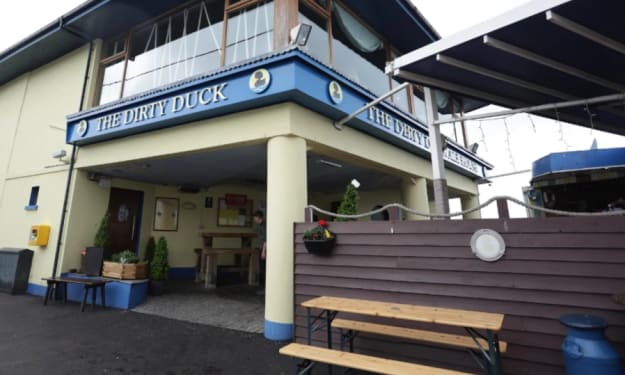
A County Down pub owner has spoken out about the devastating impact of a sharp business rates increase, warning that the rise could force him to lay off staff and put families “on the dole.” His emotional comments have struck a chord with small business owners across Northern Ireland, many of whom say they are being pushed to the brink by rising costs and shrinking margins.
By Aarif Lashari14 days ago in The Swamp
Poundland Shuts 149 Stores, Cuts 2,200 Jobs and Refocuses on £1 Items. AI-Generated.
Discount retailer Poundland has announced a major restructuring plan that will see 149 stores close, around 2,200 jobs cut, and a renewed focus on its original £1 price point. The move marks one of the most significant shake-ups in the company’s history as it attempts to adapt to changing consumer habits and rising operational costs.
By Aarif Lashari14 days ago in The Swamp
Glenfarne Announces Major Phase One Alaska LNG Milestones. AI-Generated.
The Alaska LNG Project has long been on the horizon as one of the most ambitious energy infrastructure projects in North America. On January 23, 2026, Glenfarne Alaska LNG, LLC, the lead developer of the project, officially announced major milestones for Phase One of the project, signaling tangible progress after years of planning. This phase includes construction readiness, line pipe supply agreements, and in-state gas arrangements — all critical for delivering natural gas to Alaskans and eventually to global markets. Understanding the Alaska LNG Project Alaska’s North Slope is home to vast natural gas reserves, but bringing that gas to market is no small feat. The Alaska LNG Project aims to connect these reserves to both domestic and international consumers through a massive pipeline and liquefaction terminal. To manage risks and costs, Glenfarne has divided the project into two main phases: Phase One focuses on building a 739-mile, 42-inch pipeline stretching from the North Slope to Alaska’s domestic market. This phase prioritizes delivering natural gas to in-state consumers, including homes, businesses, and industrial users. Phase Two adds the liquefaction and export facilities, enabling Alaska to supply global markets with LNG. This phase targets delivering up to 20 million tonnes per year to international buyers. The company has set an ambitious timeline: mechanical completion of the pipeline is expected by 2028, with first gas deliveries starting in 2029. Key Milestones in Phase One Glenfarne’s announcement highlighted three major achievements: 1. Pipeline Construction Agreements A cornerstone of any mega-infrastructure project is securing reliable construction partners. Glenfarne has issued conditional awards to major construction contractors to build the pipeline. These awards follow a competitive bidding process and cover both the main pipeline and lateral lines, paving the way for physical construction once final agreements are signed. Locking in construction partners early is crucial for keeping schedules on track and mitigating cost risks. For Alaska LNG, it ensures that one of the biggest logistical challenges — building a pipeline across harsh and remote terrain — can move forward without delay. 2. Line Pipe Supply The pipeline will require about 700,000 metric tonnes of API 5L X70 steel pipe for the main route, with an additional 25,000 tonnes for lateral pipelines like the Point Thomson branch. Glenfarne has already secured two-thirds of these supply needs through preliminary agreements. Early procurement of line pipe is a major milestone because it reduces the risk of supply chain disruptions and keeps the project on schedule — especially important for a project of this scale that spans hundreds of miles in remote areas. 3. In-State Gas Supply Agreements A pipeline is only as valuable as the gas it delivers. Glenfarne has announced agreements with major North Slope producers, including ExxonMobil and Hilcorp Alaska LLC, to supply natural gas to the pipeline. Previous arrangements also include commitments from other local producers. These agreements ensure a steady supply of gas for Alaskan communities once Phase One is operational. Additionally, Glenfarne has signed a non-binding letter of intent with ENSTAR Natural Gas Company to deliver natural gas long-term to in-state consumers. This focus on local distribution addresses Alaska’s high energy costs and supports residential and industrial users alike. By prioritizing domestic energy delivery first, Alaska LNG demonstrates a commitment not just to profit, but to energy security and local benefits. Strategic Global Partnerships While Phase One focuses on in-state gas, Glenfarne is also preparing for future exports. Strategic partnerships have been formed to support Phase Two and eventual LNG shipments to international markets. Danaos Corporation, a Greek shipping company, has invested $50 million and will provide LNG carrier support for exports. Baker Hughes is providing critical equipment for the project. POSCO International is supplying steel and has signed initial LNG offtake commitments. These partnerships integrate construction, supply, and export logistics, demonstrating Glenfarne’s methodical approach to scaling Alaska LNG from a domestic infrastructure project to a global energy player. Why This Announcement Matters Glenfarne’s Phase One milestones represent real progress, not just planning or proposals. After years of delays in the global energy market and the complexities of building in Alaska’s remote regions, these milestones indicate that the project is moving from concept to execution. For Alaska, the impact could be transformative: Energy Security: Local communities will gain access to reliable natural gas, potentially lowering energy costs for homes and businesses. Economic Growth: Construction and operation of the pipeline will create thousands of jobs, boost local suppliers, and stimulate investment in the state. Global Market Position: While domestic supply is prioritized first, Phase Two will allow Alaska to compete in the global LNG market, diversifying revenue streams and increasing U.S. LNG exports. In essence, Phase One is both a critical step for Alaskan energy independence and a foundation for international market expansion. What’s Next for Phase One Looking ahead, Glenfarne will focus on several key objectives: Finalizing construction contracts with pipeline builders. Completing the procurement of line pipe and essential equipment. Securing regulatory and environmental approvals, including federal and state permits. Advancing gas supply agreements with additional producers and finalizing long-term in-state delivery contracts. Building strategic partnerships for exports, ensuring that Phase Two can follow smoothly once Phase One is operational. If these steps are successfully executed, Alaska LNG could become one of the most significant energy projects in North America, benefiting local communities while securing a place in the global LNG market. Conclusion Glenfarne’s announcement marks a pivotal moment for the Alaska LNG Project. The combination of construction readiness, line pipe agreements, and in-state gas supply deals shows that the project is no longer just an ambitious plan — it is actively moving toward execution. For Alaskans, this could mean cheaper, more reliable energy. For global markets, it signals future LNG supply from a stable, strategic source. And for Glenfarne, these milestones are the first step in realizing a multi-billion-dollar infrastructure vision that spans miles of pipeline, partnerships, and global ambitions. The next few years will be crucial as the project transitions from planning to action. But with these milestones, Alaska LNG has proven that ambitious energy projects can still succeed, even in the face of logistical, financial, and environmental challenges.
By Muhammad Hassan14 days ago in The Swamp
Global Allies in a US (Trump) Vs Iran Crisis Who Stands With Whom?”
As tensions between the United States and Iran escalate in early 2026, global leaders and analysts are weighing the potential fallout of an outright war. Around January 23, 2026, Iran’s clerics publicly warned that any U.S. military action would prompt retaliation targeting U.S. investments across the region. At the same time, the United States deployed a naval “armada” — including an aircraft carrier strike group — toward Iranian waters while publicly hoping to avoid direct conflict.
By USA daily update 14 days ago in The Swamp