finance
Money talks; reviewing the global economy, government spending, taxes, and economic policy that affect our social and political future.
Frank & Louis Review – A Moving Drama of Dementia and Caregiving in Prison. AI-Generated.
An Unflinching Look at Life Behind Bars Frank & Louis is a powerful drama that explores the often-overlooked intersection of aging, illness, and incarceration. Set within the confines of a prison, the film centers on Frank, an elderly inmate grappling with dementia, and Louis, a fellow prisoner who becomes his caregiver. The story unfolds as both men navigate the harsh realities of prison life while forming an unexpected bond.
By Aarif Lashari9 days ago in The Swamp
Over 1,000 Retail Jobs at Risk as Claire’s Enters Insolvency. AI-Generated.
A Sudden Shock for Retail Workers More than 1,000 retail jobs are now in jeopardy following the appointment of insolvency practitioners at Claire’s, the UK’s popular accessories retailer, just four months after it was rescued from financial difficulties. The move, reported by Sky News, comes as a significant blow to employees, many of whom were still recovering from previous uncertainties at the company.
By Aarif Lashari9 days ago in The Swamp
“I Took a 25% Pay Cut to Dodge the £100k Tax Trap”. AI-Generated.
The Costly Tax Threshold For many high-earning professionals, navigating the UK tax system can be a minefield. One taxpayer recently revealed a bold decision: taking a 25% pay cut to avoid exceeding the £100,000 income threshold, which triggers a higher tax rate and reduces personal allowances. This move highlights how tax thresholds can influence life-changing financial decisions, sometimes in unexpected ways. The £100,000 mark in the UK tax code is a notorious tipping point. Once income exceeds this threshold, personal allowance is gradually withdrawn, effectively increasing the marginal tax rate and making each additional pound earned less worthwhile. For some, it’s more financially prudent to earn slightly less to maintain a better overall net income. Understanding the £100k Tax Trap The so-called “£100k tax trap” works like this: Every individual in the UK has a personal allowance, currently around £12,570, which is the portion of income not subject to tax. When income exceeds £100,000, the personal allowance is reduced by £1 for every £2 earned over the threshold. Effectively, the marginal tax rate in this range can reach 60%, considering income tax and national insurance combined. This creates a unique dilemma for high earners: earning more can actually leave less money in your pocket once the allowance is withdrawn. A 25% Pay Cut by Choice The worker in question—who requested anonymity—decided to reduce their salary by a quarter to remain below the £100,000 threshold. "It wasn’t an easy decision," they explained. "But I realised that by earning more, I’d actually lose a significant portion to taxes. Cutting my pay meant I kept more of what I earned overall and avoided the financial penalty." This choice highlights a surprising truth: sometimes less is more in a tax system with abrupt thresholds. By voluntarily reducing income, the individual maximized their net take-home pay and minimized exposure to the punitive tax band. The Human Side of Tax Planning While tax planning is often seen as a dry or technical topic, stories like this demonstrate the real-world impact on people’s lives and choices. Workers don’t make decisions solely based on ambition—they also consider financial stability, lifestyle, and the consequences of higher taxation. Choosing a pay cut may come with sacrifices, such as reduced retirement contributions, smaller bonuses, or lower savings capacity. Yet, for many, it is a calculated trade-off: keeping more of what they earn now versus chasing a gross figure that results in disproportionately higher taxes. How Common Is This Decision? High earners navigating the UK tax system often face this dilemma. Financial advisors report that the £100k threshold causes some professionals to: Delay promotions or bonus acceptance Reduce overtime or consultancy work Adjust freelance income or dividends It’s not necessarily about greed or mismanagement—it’s about adapting behavior to the system. People naturally respond to incentives, nand a steep marginal tax rate can discourage additional work, even if they are capable of earning more. Experts Weigh In Financial experts note that the £100k threshold is a classic example of a policy-created distortion in behavior. John Matthews, a tax adviser, explained: "This is an example of how the system unintentionally discourages income growth within certain ranges. Taxpayers respond rationally to high marginal rates, sometimes choosing to work less or restructure income to remain below the threshold." Economists argue that such tax cliffs can reduce productivity and distort career decisions. Instead of simply rewarding merit or experience, the system may inadvertently incentivize artificial reductions in income. The Broader Implications The story of taking a pay cut to avoid the £100k trap also raises questions about the fairness and design of tax policy: Are steep marginal rates discouraging growth or ambition? Do such thresholds push workers to make financial decisions that may not align with their career goals? How can policymakers design systems that are fair, predictable, and incentivize work without unintended consequences? The anecdote is a reminder that tax systems are not just numbers—they affect real choices and lifestyles. Individuals respond logically to rules, sometimes in ways policymakers never intended. Lessons for Workers For those approaching high-income thresholds, the key takeaway is planning and awareness: Understand the tax brackets and personal allowances to know when marginal rates spike. Consider net income, not just gross salary, when evaluating promotions, bonuses, or job offers. Explore alternatives such as pension contributions or charitable donations to reduce taxable income legally. Consult a financial adviser to make strategic decisions that maximize take-home pay and long-term benefits. Being proactive can help individuals avoid surprises and make informed career and financial choices. Conclusion The story of an individual taking a 25% pay cut to dodge the £100k tax trap illustrates a striking reality: tax thresholds can influence major life decisions, sometimes in counterintuitive ways. While it may seem unusual to sacrifice income intentionally, the choice is a rational response to a system that penalizes incremental earnings in a specific range. Beyond the individual case, this scenario highlights broader discussions about tax fairness, incentives, and policy design. For workers, it’s a reminder that careful planning and understanding of the tax system can be just as important as career advancement or salary increases. In the end, navigating the £100k tax trap isn’t just about numbers—it’s about strategy, foresight, and balancing ambition with financial sense. For some, earning less can indeed mean taking home more.
By Aarif Lashari10 days ago in The Swamp
British Banks to Follow European Rivals in Lifting Profit Targets, Sources Say. AI-Generated.
British banks are reportedly preparing to raise their profit targets, following a similar move by major European lenders. According to sources familiar with the matter, the shift reflects growing confidence in earnings resilience despite economic uncertainty, tighter regulations, and lingering concerns about inflation and growth. After several volatile years marked by the pandemic, rising interest rates, and market shocks, banks across Europe are beginning to signal a more optimistic outlook. For UK lenders, this moment represents a strategic recalibration—one that suggests they believe the worst pressures may be behind them. Why Profit Targets Matter Profit targets are more than internal benchmarks. They send a message to investors, regulators, and the wider market about how confident a bank is in its future performance. When banks lift these targets, it often signals expectations of: Stronger net interest income Improved cost control Stable credit quality Continued demand for lending and financial services For British banks, aligning with European rivals also helps maintain competitiveness in a global financial landscape where perception and confidence matter almost as much as balance sheets. The Role of Higher Interest Rates One of the main drivers behind rising profit expectations is the prolonged period of higher interest rates. While rate hikes have strained borrowers, they have also significantly boosted banks’ margins. Banks earn money from the difference between what they pay on deposits and what they charge on loans. Higher rates have widened this gap, improving profitability—particularly for institutions with large retail banking operations. Although rates may eventually fall, many banks now believe they can sustain healthier margins than they anticipated a year ago. This reassessment has encouraged management teams to revise their outlooks upward. Learning From European Peers Several large European banks have already raised profit targets or issued more optimistic forecasts. These lenders have benefited from diversified revenue streams, including investment banking, wealth management, and international operations. British banks, while more domestically focused, have been watching these developments closely. Sources suggest that UK lenders see enough similarities—particularly in rate dynamics and cost structures—to justify following suit. The move also reflects a desire to reassure investors who have long questioned whether banks can generate consistent returns in a heavily regulated environment. Improved Cost Discipline and Digital Efficiency Another factor supporting higher profit targets is improved cost control. Over recent years, British banks have invested heavily in digital transformation, closing branches, automating processes, and reducing operational expenses. These changes are beginning to show results. Leaner operations allow banks to absorb economic shocks more effectively while maintaining profitability. In an era where efficiency is critical, digital-first strategies have become a competitive advantage. Management teams increasingly believe they can keep costs under control even if revenue growth slows. Credit Risks Remain—but Are Manageable Despite the improved outlook, risks have not disappeared. Higher interest rates have increased pressure on households and businesses, raising concerns about loan defaults. However, so far, credit losses have remained lower than many analysts feared. British banks entered this period with stronger capital buffers than in past crises. This financial resilience has allowed them to absorb potential losses without significantly damaging profitability. As long as unemployment remains relatively stable and economic contraction is limited, banks believe credit risks can be managed within existing provisions. Investor Expectations and Shareholder Returns Raising profit targets is also closely tied to shareholder expectations. Investors have increasingly demanded that banks return excess capital through dividends and share buybacks. Stronger profit outlooks make it easier for banks to justify generous shareholder returns while still meeting regulatory capital requirements. For UK lenders, this could help improve share prices that have lagged behind broader markets in recent years. In this sense, lifting profit targets is as much about market confidence as it is about internal forecasting. Regulatory and Political Considerations British banks operate under close regulatory scrutiny, and any increase in profitability often attracts political attention. Issues such as mortgage costs, savings rates, and consumer fairness remain sensitive topics. Banks will need to balance higher profits with public expectations and regulatory demands. Demonstrating responsible lending practices and fair treatment of customers will remain essential to maintaining trust. Still, sources suggest that regulators are unlikely to oppose higher profit targets as long as capital standards and consumer protections are upheld. What This Means for the UK Economy A more confident banking sector can have wider economic implications. Profitable banks are better positioned to: Lend to businesses Support homebuyers Invest in innovation and infrastructure If British banks feel secure enough to expand lending, it could provide a modest boost to economic activity. However, this depends on broader conditions, including consumer confidence and government policy. Looking Ahead While optimism is growing, banks remain cautious. Economic uncertainty, geopolitical tensions, and the future path of interest rates all pose challenges. Profit targets may be lifted, but they are unlikely to return to the overly aggressive forecasts seen before past financial crises. Instead, this moment appears to mark a measured confidence—one rooted in stronger balance sheets, improved efficiency, and realistic expectations. Final Thoughts British banks preparing to lift profit targets alongside European rivals signals a shift in sentiment across the financial sector. After years of navigating uncertainty, lenders now see a path toward sustainable profitability. Whether this optimism proves justified will depend on economic stability, regulatory balance, and how well banks manage risks in the months ahead. For now, the move reflects a belief that resilience—not excess—is shaping the future of banking.
By Muhammad Hassan10 days ago in The Swamp
Low Pay and Boredom Led Me to Get a Secret Second Job. AI-Generated.
I never imagined I would become the kind of person who secretly works two jobs. Growing up, I believed hard work at one place should be enough. You show up on time, do your job well, stay loyal, and eventually life rewards you. At least, that’s what I was taught.
By Ayesha Lashari10 days ago in The Swamp
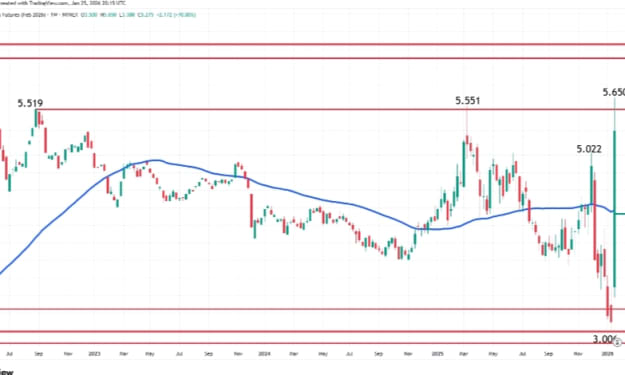
The Numbers: Both Contracts Soared, But February Doubled March’s Gain. AI-Generated.
WeFinancial markets are always under scrutiny, with investors closely watching contracts, futures, and gains to make informed decisions. Recent market reports indicate a fascinating development: both contracts saw significant gains, but February’s increase was double that of March. Understanding the dynamics behind these numbers can provide insight into market behavior, investor sentiment, and potential strategies for the coming months.
By Aarif Lashari10 days ago in The Swamp