
In Windsor, Some See Family Drama in the Andrew Accusations
Royal controversy sparks local reflection on loyalty, reputation, and the pressures of public life
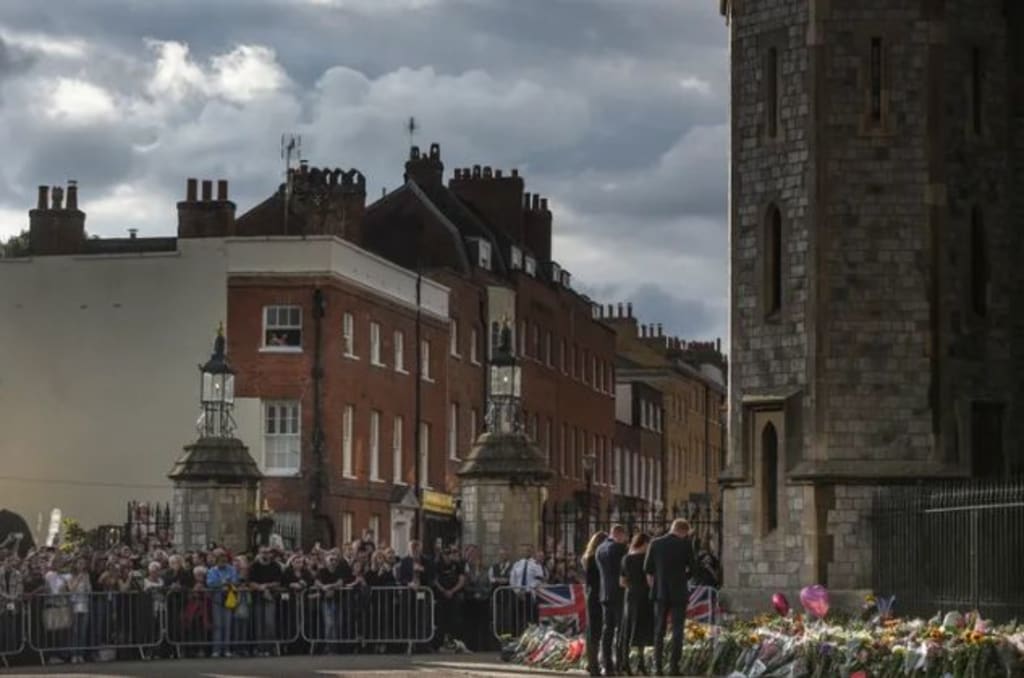
In the historic town of Windsor, royal news is rarely distant. With Windsor Castle towering over daily life, residents often experience developments involving the monarchy as something personal. That sense of proximity has resurfaced as accusations connected to Prince Andrew continue to shape public conversation.
For many locals, the story feels less like a traditional scandal and more like a family drama unfolding in real time — one that highlights the tension between personal loyalty and institutional responsibility.
📰 A Controversy That Changed a Royal Role
Prince Andrew’s public life shifted dramatically after allegations linked to his relationship with Jeffrey Epstein drew global attention. The fallout led to legal challenges, reputational damage, and a major step back from official royal duties.
Andrew denied wrongdoing, but the impact on his role within the monarchy was clear. Military titles were removed, public appearances became rare, and his presence in royal events diminished.
In Windsor, where royal activity is usually visible, that absence has been noticeable.
🏡 Windsor’s Local Lens
Windsor offers a unique perspective on royal controversies. Residents see royal life up close — ceremonies, security details, and occasional glimpses of family members. That proximity shapes how stories are interpreted.
Some locals describe the situation as proof that the royal family is ultimately a family, dealing with difficult situations under extraordinary pressure. Others view it as an institutional test, raising questions about accountability and how the monarchy protects its reputation.
Both perspectives reflect a broader national conversation.
👨👩👧 Family Dynamics in the Spotlight
Royal disagreements have long fascinated the public, but the Andrew accusations intensified scrutiny on internal family decisions. Questions about finances, living arrangements, and future roles became global talking points.
Those decisions inevitably involve private discussions behind palace walls. Observers note that balancing personal relationships with public expectations is one of the monarchy’s most difficult challenges.
The transition following the death of Queen Elizabeth II added another layer of complexity, as leadership and priorities within the royal household shifted.
📊 Reputation and the Modern Monarchy
The controversy arrived at a time when the monarchy was already navigating changing public expectations. Younger audiences often demand greater transparency from traditional institutions, and royal scandals amplify those pressures.
Prince Andrew’s reduced role signaled a strategic decision: protect the institution even if it means distancing from an individual family member. For some, that move showed adaptability. For others, it highlighted how fragile royal reputation can be.
Either way, the episode became a defining moment in how the monarchy manages crisis.
📺 Media Attention and Public Memory
In Windsor, reactions evolved as coverage stretched over years. Early shock gave way to fatigue, while new developments periodically revived discussion.
Royal stories tend to linger longer than typical celebrity controversies because the monarchy represents continuity and national identity. Each update becomes part of a larger narrative about tradition, responsibility, and change.
That sustained attention keeps the Andrew story alive in public consciousness.
💬 The Human Side of the Story
Beyond headlines, many observers focus on the emotional dimension. Families — regardless of status — face moments that test trust and relationships. The difference for the royal family is scale: every decision is scrutinized worldwide.
Some Windsor residents express sympathy for the broader family navigating a difficult situation. Others emphasize that public figures must accept intense accountability.
The coexistence of empathy and criticism illustrates how complex public opinion can be.
🔄 A Royal Family in Transition
Prince Andrew’s situation is part of a wider transformation. The monarchy has been moving toward a smaller group of working royals, clearer role definitions, and tighter control of public messaging.
The controversy accelerated that shift. It showed how quickly reputational risk can reshape responsibilities and how the institution adapts to protect long-term stability.
In Windsor, these changes are visible in subtle ways — fewer appearances and a quieter royal presence.
🔮 What the Future Might Hold
Whether Prince Andrew will return to a meaningful public role remains uncertain. Most analysts believe any comeback would be limited, reflecting the lasting impact of the allegations.
For the monarchy, the challenge is balancing continuity with accountability — moving forward while acknowledging the controversy’s effect on public trust.
That balance will likely shape royal strategy for years.
✍️ Final Thoughts
The accusations surrounding Prince Andrew have become more than a headline. In Windsor, they represent a lens through which people examine how the monarchy handles crisis, loyalty, and change.
The story underscores a fundamental reality: the royal family operates as both institution and family, meaning personal challenges can quickly become national conversations.
As the monarchy evolves, the Andrew controversy will remain a reference point — a reminder that even the world’s most famous families must navigate difficult chapters in full public view.
About the Creator
A Gathering of Evil Bosses
“I’m the queen of chin jutting while I smooth my hair, attacking, insulting, and deflecting to protect my appointer.” “Oh, please, Blondi, my hair is curled, highlighted, and longer than yours. I feature television commercials telling immigrants that we will give them a free plane ride home, and if they voluntarily turn themselves in, they will be allowed to legally apply for re-entry. It runs everywhere, and I look good in it! You can’t compete because of your blond hair. Mine is nicer, and my lips are prettier than yours.”
By Andrea Corwin 10 days ago in The Swamp
A British Special Election Could Hardly Have Come at a Worse Time for Starmer
Political pressure mounts as Labour faces an early electoral test amid economic uncertainty The timing of a special election can shape political momentum, influence public perception, and expose leadership vulnerabilities. For Keir Starmer, the United Kingdom’s Prime Minister and leader of the Labour Party, the arrival of a British special election could not have come at a more challenging moment. With economic pressures mounting, public expectations rising, and political opponents seeking opportunities to regain ground, the stakes of this election extend far beyond a single parliamentary seat.
By Jameel Jamalia day ago in The Swamp



Comments
There are no comments for this story
Be the first to respond and start the conversation.