
A British Special Election Could Hardly Have Come at a Worse Time for Starmer
Labour Faces Early Electoral Test as Economic Pressure and Political Expectations Rise
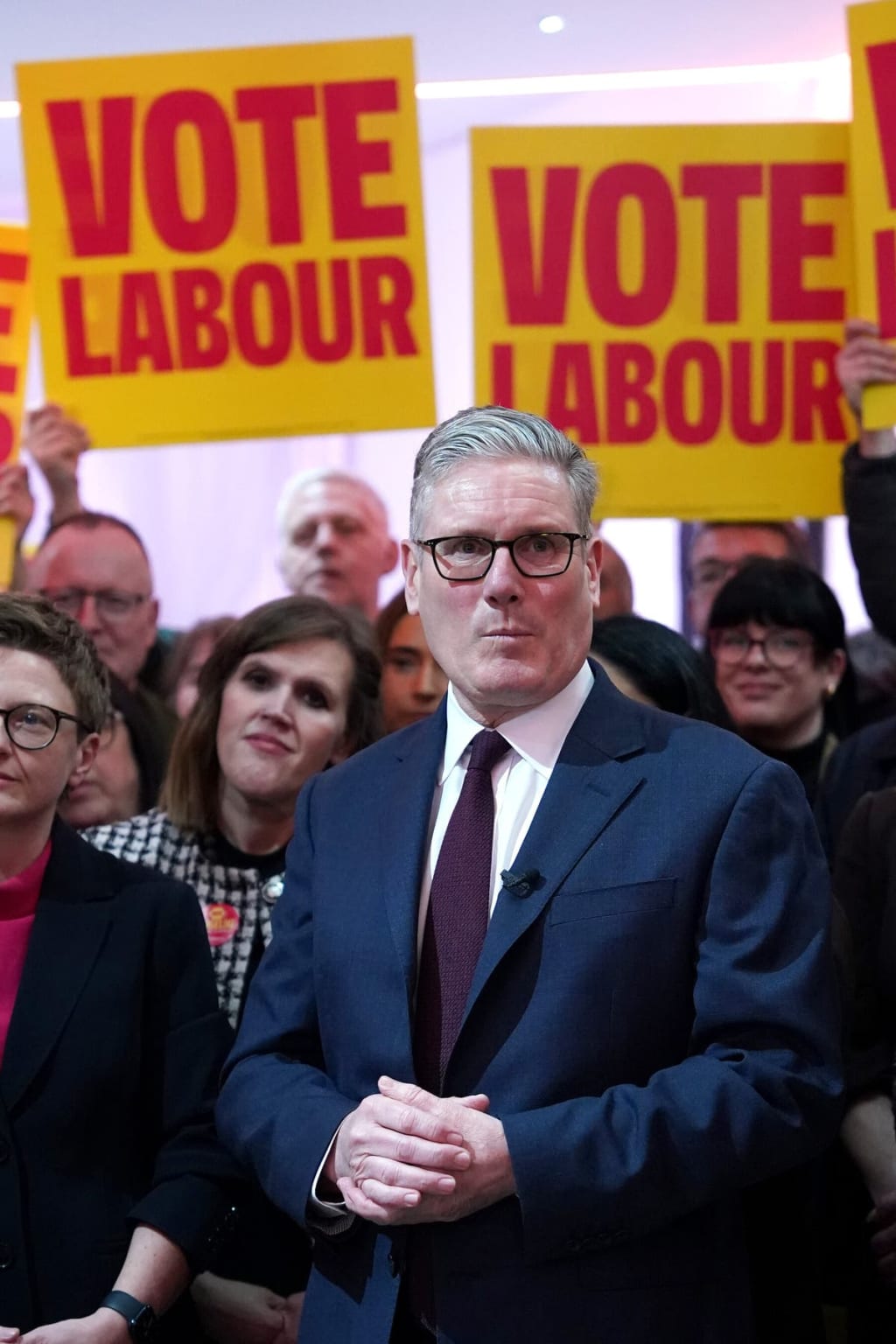
Political pressure mounts as Labour faces an early electoral test amid economic uncertainty
The timing of a special election can shape political momentum, influence public perception, and expose leadership vulnerabilities. For Keir Starmer, the United Kingdom’s Prime Minister and leader of the Labour Party, the arrival of a British special election could not have come at a more challenging moment. With economic pressures mounting, public expectations rising, and political opponents seeking opportunities to regain ground, the stakes of this election extend far beyond a single parliamentary seat.
This electoral test arrives during a period of delicate political transition. Starmer, who rose to power promising stability, integrity, and economic recovery, now faces the difficult task of governing amid persistent financial concerns, public frustration, and intense scrutiny from both allies and rivals.
A Test of Leadership at a Critical Moment
Special elections, often referred to as by-elections in the United Kingdom, can serve as powerful indicators of public sentiment. While they do not always determine national outcomes, they can signal whether voters are satisfied with the government’s direction or beginning to lose confidence.
For Starmer, this election represents more than a routine political event. It is an early measure of how voters perceive his leadership since taking office. Governments typically enjoy a brief period of goodwill after assuming power, but that grace period can quickly fade if economic conditions remain difficult or campaign promises appear slow to materialize.
Opposition parties, including the Conservative Party, are keenly aware of this dynamic. A strong performance against Labour would allow them to claim that Starmer’s political support is weaker than expected, potentially shifting momentum ahead of future national elections.
Economic Challenges Weigh on Public Opinion
One of the biggest challenges facing Starmer’s government is the economy. Rising living costs, pressure on public services, and concerns about long-term economic growth have created anxiety among voters. Many households continue to struggle with housing expenses, food prices, and energy costs.
Economic recovery takes time, but voters often expect immediate improvements. This gap between expectations and reality can create political risks. Even if structural reforms are underway, the absence of quick, visible results can lead to frustration.
Special elections amplify these frustrations. Voters sometimes use them as opportunities to send protest messages without changing the national government. This makes by-elections inherently unpredictable and politically sensitive.
Political Momentum and Public Perception
Momentum is one of the most valuable assets in politics. A victory can reinforce confidence in leadership, while a loss can fuel doubts and criticism. For Starmer, the outcome of this special election could shape media narratives and influence how both supporters and critics assess his government.
Political perception is often as important as political reality. Even a narrow loss could be portrayed by opponents as evidence of declining support. Conversely, a strong Labour performance could strengthen Starmer’s authority and reassure his party members.
The media plays a central role in shaping these narratives. Headlines, commentary, and public analysis can amplify the significance of a single electoral result, turning it into a symbol of broader political trends.
Internal Party Expectations and Pressure
Leadership brings not only external challenges but also internal expectations. Members of the Labour Party expect Starmer to deliver electoral success, maintain unity, and advance the party’s agenda.
A disappointing result in the special election could increase internal pressure. Party members may question campaign strategies, messaging, or policy priorities. Maintaining unity becomes especially important during periods of political uncertainty.
At the same time, Starmer must balance the demands of governance with the realities of electoral politics. Policy decisions designed for long-term national benefit may not always produce immediate political rewards.
Opposition Strategy and Opportunity
Opposition parties view special elections as opportunities to regain relevance and challenge government authority. A strong showing by opposition candidates can energize supporters, attract media attention, and build momentum.
The Conservative Party, seeking to rebuild after losing power, may use this election to reconnect with voters and present itself as a viable alternative. Even modest gains can carry symbolic importance.
Opposition leaders often frame special elections as referendums on government performance. This strategy allows them to capitalize on public dissatisfaction and position themselves as agents of change.
Broader Implications for British Politics
While special elections involve individual constituencies, their impact can extend nationwide. Political analysts, investors, and international observers closely monitor these contests for signs of stability or volatility.
Political stability influences economic confidence, investment decisions, and public trust. A government perceived as strong and secure can pursue its agenda more effectively. Conversely, signs of political weakness can complicate governance and slow reform efforts.
For Starmer, maintaining confidence is essential. His government’s ability to implement policies, manage economic challenges, and maintain public support depends in part on electoral performance.
Navigating Political Reality
Special elections are an unavoidable part of democratic systems. They test leadership resilience, reveal public sentiment, and shape political narratives. For Keir Starmer, this election represents an early challenge that could influence his leadership trajectory.
Success would strengthen his position, reinforce Labour’s authority, and provide momentum for future reforms. Failure, however, could embolden opposition parties and create new political obstacles.
Ultimately, the outcome will reflect not only campaign strategies but also broader public perceptions of leadership, economic conditions, and political direction.
The timing may be difficult, but it also offers an opportunity. Leadership is defined not only by victories but by how leaders respond to challenges. For Starmer, this special election is more than a political event—it is a defining moment that will help shape the future of his government and British politics.
About the Creator
Keep reading
More stories from Jameel Jamali and writers in The Swamp and other communities.
UN’s Türk Urges Dialogue After Deadly Clashes on Afghan-Pakistan Border
Deadly clashes along the volatile border between Afghanistan and Pakistan have once again exposed the fragility of regional stability, prompting urgent calls for restraint and diplomacy. Volker Türk, the United Nations High Commissioner for Human Rights, has urged both sides to engage in meaningful dialogue, warning that continued violence risks escalating tensions and worsening humanitarian conditions for civilians living in the conflict zone.
By Jameel Jamaliabout 15 hours ago in The Swamp
Why Black History Matters in America?
The United States of America is celebrating their 250th anniversary in 2026. I'm proud to be an American and as someone who was born here, I wouldn't imagine myself living anywhere else. This is a country where opportunities are possible. Where anyone can be successful in anything they desire to do. Equality, community, and togetherness are the backbones of what America is and should be about. However, we have an administration who wants to erase and disregard those who have made positive, meaningful impacts in our country, specifically Black figures, such as Martin Luther King, Jr., Rosa Parks, and Maya Angelou. President Trump and his administration have been constantly complaining and fighting against what they call the "Woke agenda". They use this excuse as a distraction from other issues they refuse to address, such as the high cost of living, climate change, and inflation. That equality is dividing America, when in reality, it's bringing us together. Being woke is not tied to a specific political party. No matter where you stand on the political spectrum, you can still care about other people and their plights. Compassion and empathy for others isn't tied to a political party, either. We were taught as children to treat others the way we want to be treated and not judge others because they're different from us. Caring about others isn't a personal attack on your beliefs. It doesn't make you any less of a person. People who are easily offended over African American figures, past or present, or anything related to it, are grasping at straws. Current and future generations need to know who people like Harriet Tubman and Shirley Chisholm were, especially in the classroom. Black History is part of American History. It should be recognized, not hidden or forgotten. Besides, you can't shield children from everything, just because your feelings are easily hurt.
By Mark Wesley Pritchard 25 days ago in The Swamp
At Least 10 Killed in Israeli Strikes on Lebanon, State Media Says
At least 10 people have been killed in a series of airstrikes carried out by Israel on southern Lebanon, according to reports from Lebanese state media. The attacks, which occurred overnight, also left several others injured and caused significant damage to civilian infrastructure, escalating tensions along the volatile border region. Details of the Strikes Lebanese authorities reported that the strikes targeted multiple sites in southern districts near the border with Israel. While the Israeli military has not confirmed the exact number of casualties or specific targets, officials cited “security operations” aimed at militant groups operating in the area. Eyewitnesses described explosions shaking residential neighborhoods, with smoke rising from several buildings. Hospitals in the region reported receiving numerous injured civilians, many of whom were women and children. Rescue teams continue to work to evacuate those trapped under debris. “The devastation is immense,” said a local resident. “Entire streets were damaged, and many families have lost their homes. People are in shock.” Political and Military Context The strikes come amid rising tensions between Israel and armed groups operating in southern Lebanon, particularly Hezbollah. In recent weeks, cross-border incidents, including rocket fire and military maneuvers, have heightened fears of a broader escalation. Analysts note that Israel has repeatedly emphasized its right to preemptively strike targets it perceives as threatening. Lebanese officials have condemned these operations as violations of sovereignty and warned of the potential for retaliation, raising the risk of renewed armed conflict along the border. “The pattern of airstrikes indicates a deliberate attempt to weaken infrastructure linked to hostile elements,” said a Middle East security analyst. “But the presence of civilians near these sites inevitably results in casualties and humanitarian crises.” Humanitarian Impact The Lebanese Red Cross and local aid organizations reported that dozens of families have been displaced by the strikes. Emergency shelters have been set up, but resources remain limited. Power outages and damage to water systems have further complicated relief efforts. International observers expressed concern about the impact on civilians, urging restraint from all parties. The United Nations Interim Force in Lebanon (UNIFIL) has called for “immediate measures to protect non-combatants and prevent further escalation.” International Response Global reactions have been mixed. Some governments reiterated Israel’s right to defend itself against militant threats, while others condemned the strikes and called for diplomatic solutions to prevent additional loss of life. Human rights organizations highlighted the disproportionate impact on civilian populations and stressed the need for accountability in military operations. “The killing of civilians, regardless of the target, is unacceptable under international law,” said a spokesperson for an international NGO monitoring conflicts in the region. “All parties must prioritize the protection of innocent lives.” Looking Ahead The situation along the Israel-Lebanon border remains tense, with both sides reportedly on heightened alert. Lebanese authorities have warned of possible retaliatory actions, and international mediators are reportedly engaging in urgent talks to de-escalate the situation. Observers caution that any further escalation could quickly spiral into a wider conflict, affecting not only border communities but also regional stability. Diplomatic channels are expected to play a critical role in the coming days, as the international community seeks to prevent additional civilian casualties. The latest strikes underscore the ongoing volatility in southern Lebanon and the fragile nature of the ceasefire arrangements in the region. As investigations continue and casualty reports are confirmed, the humanitarian and political ramifications of the attacks are likely to shape the trajectory of the conflict in the near term.
By Fiaz Ahmed 6 days ago in The Swamp
Echoes
I stepped carefully around the corner, the familiar sights and sounds hitting me like a brick to the face. My eyes watered. I could practically see us, all of us, back then, clustered around the outdoor tables in front of the pizza shop, the bar, the coffee shop. I could smell the various stalls from the events we’d been to on this street. I could taste the churros and nachos.
By Phoenixica245 days ago in Fiction


Comments
There are no comments for this story
Be the first to respond and start the conversation.