
UN’s Türk Urges Dialogue After Deadly Clashes on Afghan-Pakistan Border
UN Human Rights Chief Calls for Peaceful Resolution as Border Violence Threatens Regional Stability
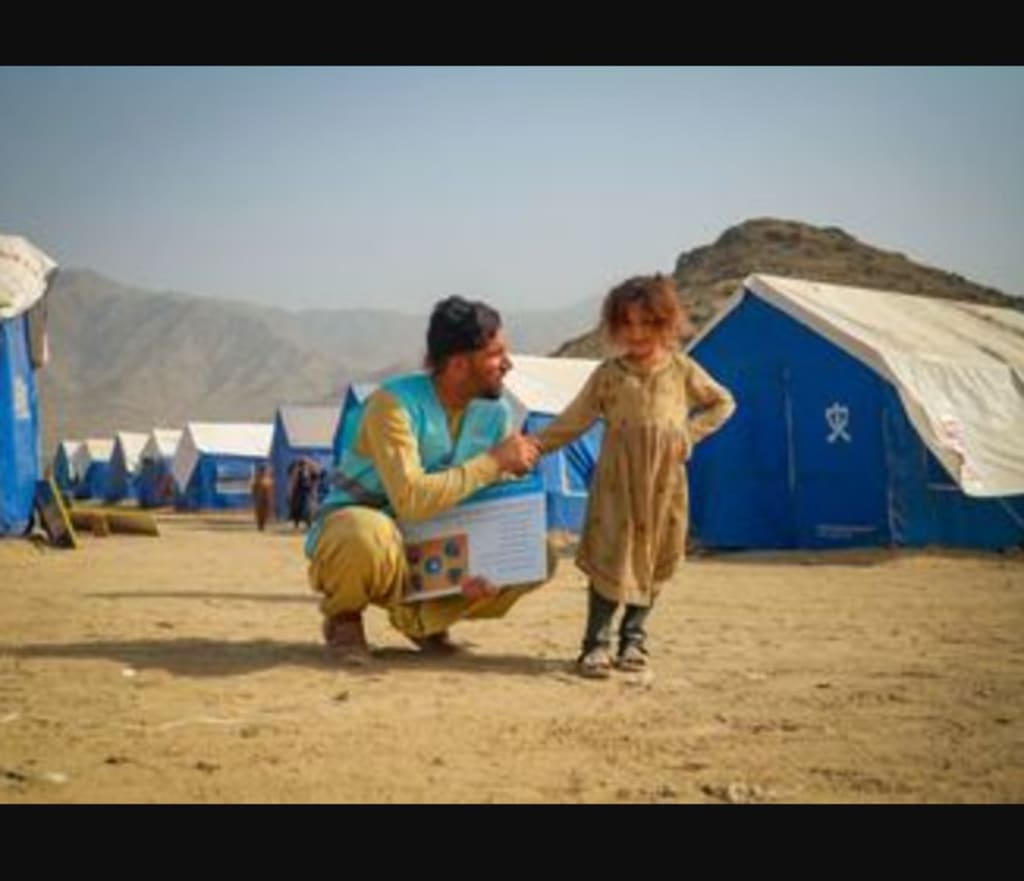
Deadly clashes along the volatile border between Afghanistan and Pakistan have once again exposed the fragility of regional stability, prompting urgent calls for restraint and diplomacy. Volker Türk, the United Nations High Commissioner for Human Rights, has urged both sides to engage in meaningful dialogue, warning that continued violence risks escalating tensions and worsening humanitarian conditions for civilians living in the conflict zone.
The appeal comes amid reports of fatalities, injuries, and displacement caused by recent armed confrontations near contested sections of the border. These clashes, which involved heavy weapons and cross-border fire, have not only claimed lives but also heightened fears of a broader conflict between two neighboring countries already grappling with political and economic challenges.
A Long-Standing and Volatile Frontier
The border separating Afghanistan and Pakistan, often referred to as the Durand Line, has been a source of dispute for decades. Originally demarcated during British colonial rule in the late 19th century, the boundary has never been fully accepted by successive Afghan governments. This disagreement has contributed to periodic skirmishes, accusations, and mistrust between the two nations.
One of the most sensitive flashpoints is the crossing near Torkham, a vital transit point for trade, travel, and humanitarian aid. When clashes erupt in such areas, they disrupt not only military stability but also civilian life, as thousands depend on these crossings for their livelihoods.
Recent violence has forced families to flee their homes, damaged infrastructure, and deepened insecurity in already vulnerable communities. Residents often find themselves trapped between armed forces, with limited access to medical care, food supplies, and safe shelter.
UN Raises Alarm Over Human Rights Risks
The United Nations, through its human rights leadership, has expressed deep concern over the potential consequences of continued hostilities. According to Türk, the use of force in densely populated border areas increases the likelihood of civilian casualties and human rights violations.
The UN Human Rights Office has emphasized that both countries have obligations under international law to protect civilians and avoid disproportionate military actions. Türk’s call for dialogue reflects growing international concern that without diplomatic engagement, localized clashes could spiral into a wider confrontation.
He stressed that communication channels must remain open, particularly during moments of crisis. Constructive dialogue, confidence-building measures, and cooperation on security concerns are essential to prevent misunderstandings that could trigger further violence.
Political and Security Complexities
Relations between Islamabad and Kabul have been strained since the return of the Taliban to power in Afghanistan in 2021. Pakistan has repeatedly expressed concerns about cross-border militant activity, while Afghan authorities have accused Pakistani forces of violating Afghan territory.
Officials in Islamabad argue that security operations and border enforcement are necessary to protect national sovereignty and prevent militant infiltration. Afghan authorities, meanwhile, insist that civilian areas should not be targeted and that disputes must be resolved through diplomatic mechanisms rather than military force.
These competing narratives highlight the complexity of the situation. Both countries face internal security threats, economic pressures, and political sensitivities, making border stability a critical national priority.
Civilian Impact and Humanitarian Concerns
For ordinary civilians living near the border, geopolitical disputes translate into immediate and often devastating consequences. Families have been displaced, businesses disrupted, and access to education and healthcare interrupted.
Local residents frequently report living in constant fear of sudden violence. Children miss school, farmers abandon their fields, and traders suffer financial losses when border crossings close unexpectedly.
Humanitarian organizations warn that repeated cycles of violence could deepen poverty and instability in the region. Without sustained peace and cooperation, communities already struggling with economic hardship may face even greater suffering.
The Urgent Need for Dialogue
Türk’s call for dialogue underscores a broader truth: lasting stability cannot be achieved through force alone. Diplomatic engagement, transparency, and mutual respect are essential to resolving disputes and preventing future bloodshed.
Dialogue offers an opportunity to address underlying concerns, clarify misunderstandings, and establish mechanisms to manage tensions peacefully. Confidence-building measures such as joint border monitoring, communication hotlines, and cooperative security frameworks could help reduce the risk of accidental escalation.
International observers note that both Afghanistan and Pakistan share a common interest in regional stability. Peace along their shared border would benefit trade, economic development, and humanitarian access.
Regional and Global Implications
The stability of the Afghan-Pakistan border has implications far beyond the immediate region. Instability can disrupt trade routes, fuel refugee movements, and complicate international efforts to support economic recovery and humanitarian assistance in Afghanistan.
The international community continues to monitor developments closely, recognizing that peaceful relations between neighboring countries are essential for broader regional security.
The UN’s intervention reflects the seriousness of the situation. Calls for restraint and dialogue serve as reminders that diplomacy remains the most effective path toward lasting peace.
A Critical Moment for Peace
The recent clashes represent more than isolated incidents; they are symptoms of deeper tensions that require careful and sustained diplomatic attention. Türk’s appeal highlights the urgent need for both sides to prioritize dialogue over confrontation.
Peace along the Afghan-Pakistan border will not be achieved overnight. It requires trust, patience, and a commitment to peaceful resolution. However, continued violence risks undermining stability and causing further harm to civilians who have already endured decades of conflict.
The coming weeks will be critical. Whether leaders choose escalation or engagement will shape the future of millions living along this fragile frontier.
For now, the message from the United Nations is clear: dialogue is not just an option—it is a necessity.
About the Creator
Keep reading
More stories from Jameel Jamali and writers in The Swamp and other communities.
Epstein Files and the Mystery of Missing Records: Transparency, Power, and Public Trust
The enduring controversy surrounding the late financier Jeffrey Epstein continues to cast a long shadow over the legal system, political institutions, and public confidence in accountability. Years after his 2019 death in federal custody, questions remain—not only about the network of powerful individuals associated with him, but also about gaps in documentation, missing records, and claims that have yet to be fully explained. One issue drawing renewed attention involves reports that files connected to a woman who allegedly made claims against former U.S. President Donald Trump may be incomplete or missing from certain Epstein-related archives.
By Jameel Jamaliabout 20 hours ago in The Swamp
A Gathering of Evil Bosses
“I’m the queen of chin jutting while I smooth my hair, attacking, insulting, and deflecting to protect my appointer.” “Oh, please, Blondi, my hair is curled, highlighted, and longer than yours. I feature television commercials telling immigrants that we will give them a free plane ride home, and if they voluntarily turn themselves in, they will be allowed to legally apply for re-entry. It runs everywhere, and I look good in it! You can’t compete because of your blond hair. Mine is nicer, and my lips are prettier than yours.”
By Andrea Corwin 8 days ago in The Swamp
Missile Strike Destroys Galvanic Shop at Russia’s Iskander Missile Plant
A missile strike has reportedly destroyed a critical galvanic processing workshop at a facility connected to Russia’s Iskander missile production network, dealing a significant blow to one of the country’s most important weapons manufacturing centers. Satellite imagery and preliminary intelligence assessments indicate that the targeted building housed equipment essential for electroplating and chemical treatment of missile components, a step vital to ensuring durability and precision in modern guided weapons. The damaged facility is part of a larger industrial complex supporting Russia’s tactical missile forces. While authorities in Russia have not officially named the plant or confirmed the scale of destruction, multiple defense observers say the strike appears deliberate and carefully planned to disrupt production rather than cause mass casualties. Why the Galvanic Shop Is Critical Galvanic workshops play a central role in missile manufacturing. They are responsible for coating metal components with protective layers that prevent corrosion and ensure proper functioning of guidance systems, fuel tanks, and electronic housings. Without galvanic treatment, many parts cannot pass quality control or withstand the stress of storage and launch conditions. Military industry specialists explain that these facilities are difficult to replace quickly. The equipment requires controlled chemical environments, specialized waste-handling systems, and trained personnel. Rebuilding or relocating such a workshop can take months, even under emergency conditions. “Destroying a galvanic shop creates a bottleneck in the entire production chain,” said one defense analyst familiar with Russian manufacturing infrastructure. “Even if other sections of the plant remain intact, output drops sharply because the process cannot be bypassed.” Extent of the Damage Post-strike imagery shows extensive structural damage to a large industrial building, with portions of the roof collapsed and heavy burn marks visible across the complex. Secondary explosions were reported shortly after impact, likely caused by chemicals stored inside the workshop for electroplating and surface treatment. Local emergency services were deployed to contain fires and prevent toxic substances from spreading beyond the site. Residents in nearby districts were reportedly advised to remain indoors for several hours, though no official casualty figures have been released. Russian officials described the incident as an attack on “industrial infrastructure” without confirming its connection to missile production. Strategic Implications The Iskander missile system has been a cornerstone of Russia’s long-range strike capability and has been used extensively during the conflict in Ukraine. Western analysts believe Russia has faced growing pressure on its missile stockpiles due to sustained usage and supply chain constraints. Damage to a specialized production facility could further slow replenishment efforts. Targeting industrial nodes rather than frontline forces reflects a shift in modern warfare strategy. Instead of focusing only on battlefield positions, attackers aim to weaken the enemy’s ability to manufacture and repair advanced weapons. “This is industrial warfare,” said a European security researcher. “It’s about degrading the capacity to fight over time, not just winning a single battle.” Environmental and Safety Risks Galvanic plants store hazardous chemicals such as acids and heavy metals used in electroplating processes. A direct strike on such a facility raises serious environmental concerns, including soil and water contamination. Independent environmental observers warned that long-term damage could occur if chemical runoff is not properly contained. There has been no confirmation of toxic leaks, but the incident highlights the broader risks associated with strikes on industrial military infrastructure located near civilian areas. Information Control and Propaganda As with many attacks involving sensitive defense sites, information remains tightly restricted. Russian state media has provided minimal coverage, while unofficial channels have circulated unverified videos and images showing smoke rising from the complex. Analysts caution that both sides may use the incident for propaganda purposes—either to claim operational success or to minimize the scale of damage. What is clear is that the strike demonstrates the vulnerability of even heavily guarded weapons facilities in the current phase of the conflict. Conclusion The destruction of a galvanic shop linked to Russia’s Iskander missile production represents more than a single tactical blow. It strikes at a crucial link in the country’s defense manufacturing chain, potentially delaying missile output and repairs for months. As the war increasingly targets logistics and industry rather than just troops and territory, such attacks signal a deeper transformation in how modern conflicts are fought—one that reaches into factories as much as battlefields.
By Fiaz Ahmed 4 days ago in The Swamp




Comments
There are no comments for this story
Be the first to respond and start the conversation.