
Iran, U.S. Resume Nuclear Negotiations as Trump’s War Clock Ticks Down
Diplomacy races against rising military pressure as Washington and Tehran seek a breakthrough
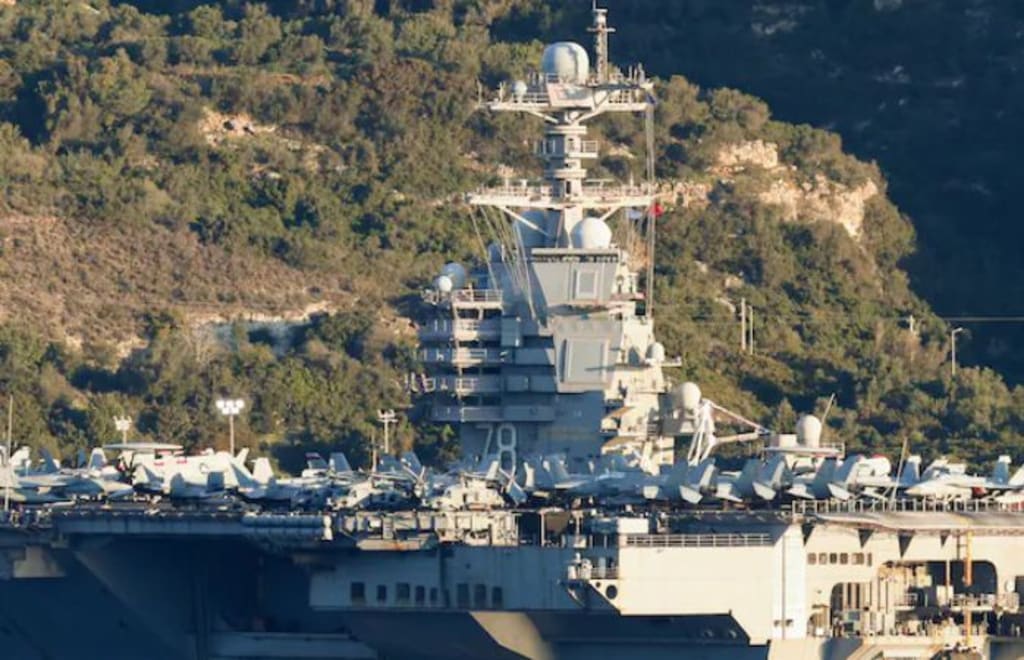
Diplomacy between Iran and the United States has re-entered a critical phase as both sides resume nuclear negotiations under growing pressure. The talks — unfolding in Geneva — come at a moment when political rhetoric, military positioning, and global economic concerns are converging.
At the center of the urgency is Donald Trump, whose administration has signaled that diplomacy has a limited timeline. The message is clear: negotiations must produce meaningful results soon or the policy direction could shift toward confrontation.
This blog explores why the talks matter, what both sides want, and whether diplomacy can outrun escalation.
Why These Talks Matter Now
Nuclear negotiations between Washington and Tehran are not new, but the context has changed dramatically. Years of sanctions, regional tensions, and nuclear advances have raised the stakes higher than previous rounds of diplomacy.
For the United States, preventing nuclear weapon capability remains the primary objective. For Iran, economic survival and political sovereignty are equally central. The talks therefore sit at the intersection of security, economics, and national identity.
Unlike earlier negotiations, these discussions are happening under a tighter deadline. That time pressure is shaping both strategy and tone.
The Pressure of a Political Deadline
Trump’s warnings about a shrinking diplomatic window have transformed routine negotiations into a high-stakes countdown. Military deployments and public statements suggest Washington is using pressure as leverage — a strategy often described as diplomacy backed by deterrence.
Supporters argue that pressure forces compromise. Critics warn it can harden positions and increase the risk of miscalculation.
For Iran, the deadline creates a dilemma: make concessions quickly or risk deeper economic isolation and potential military escalation. Neither option is politically easy.
Who Is Leading the Negotiations
Iran’s negotiating team is led by Abbas Araghchi, a veteran diplomat familiar with previous nuclear talks. His role is to secure sanctions relief while protecting Iran’s right to nuclear technology.
On the American side, envoys are pushing for stronger restrictions than earlier agreements offered. Their goal is not only limits on enrichment but also long-term guarantees that Iran cannot rapidly shift toward weaponization.
The challenge lies in balancing technical nuclear details with political realities at home.
The Biggest Issues on the Table
1. Uranium Enrichment Limits
Iran insists enrichment is a sovereign right tied to civilian energy and research. The United States wants stricter caps, broader inspections, and reduced stockpiles.
2. Sanctions Relief Timing
Tehran prefers immediate economic relief. Washington favors a phased approach tied to compliance milestones. This sequencing dispute is one of the hardest problems to resolve.
3. Duration of Any Deal
A major difference from past agreements is the U.S. push for a longer — possibly indefinite — framework. Iran prefers time-limited arrangements that can be revisited.
4. Broader Security Concerns
The U.S. often links nuclear issues with regional military activity and missile development. Iran rejects this linkage, arguing the talks should focus strictly on nuclear policy.
The Shadow of Past Agreements
Any new negotiation carries the weight of history. Previous deals collapsed amid political changes, deepening mistrust on both sides. Iranian leaders worry that a future U.S. administration could abandon another agreement, while Washington questions whether Iran would fully comply.
This mutual skepticism means negotiators are not only drafting technical rules but also searching for guarantees — something diplomacy rarely provides easily.
Trust, in this context, is as important as verification.
Domestic Politics Complicate Diplomacy
Inside the United States, voters remain wary of new Middle East conflicts, yet concerns about nuclear proliferation remain strong. This creates a narrow political space where leaders must appear tough while still pursuing diplomacy.
In Iran, economic hardship from sanctions increases pressure for a deal, but nationalist sentiment limits how far leaders can compromise. Hardliners warn against concessions that appear to weaken sovereignty.
These domestic constraints explain why progress can be slow even when both sides want an agreement.
Global Stakes Beyond Washington and Tehran
The outcome of these negotiations extends far beyond two countries.
A successful agreement could stabilize oil markets, reduce regional tensions, and reopen diplomatic channels across the Middle East. It could also strengthen global nonproliferation efforts at a time when nuclear risks are rising worldwide.
Failure, however, could lead to renewed confrontation — potentially involving regional powers and affecting global trade routes. Even limited military escalation could have ripple effects on energy prices and financial markets.
That global impact is why European governments and Gulf states are closely watching the talks.
Signs of Progress — and Warning Signals
There are cautious signs of movement. Both sides acknowledge technical discussions are advancing, and neither has walked away from the table. That alone suggests diplomacy still has momentum.
But warning signals remain. Short timelines, political messaging, and military positioning all increase volatility. Negotiations under pressure can produce breakthroughs — or breakdowns.
The difference often depends on whether leaders are willing to accept imperfect compromise.
Can Diplomacy Beat the Clock?
The central question is simple but difficult: can negotiations deliver results before political patience runs out?
Diplomacy is rarely linear. Breakthroughs often occur after periods of stalemate, and deadlines can either force solutions or end talks prematurely. The current moment contains both possibilities.
What makes this round unique is the sense of urgency. Instead of open-ended dialogue, negotiators are operating within a countdown that shapes every meeting and message.
Final Thoughts: A Fragile Window
The resumed nuclear negotiations represent one of the most consequential diplomatic efforts of the year. They reflect both the limits of pressure and the necessity of dialogue between long-time adversaries.
Whether a deal emerges will depend on political will as much as technical detail. Compromise is possible, but it requires both sides to accept outcomes that fall short of ideal goals.
For now, diplomacy remains alive — fragile, pressured, and racing against time. The coming weeks will determine whether this moment becomes a turning point toward stability or another missed opportunity in one of the world’s most persistent geopolitical conflicts.
About the Creator
Why Black History Matters in America?
The United States of America is celebrating their 250th anniversary in 2026. I'm proud to be an American and as someone who was born here, I wouldn't imagine myself living anywhere else. This is a country where opportunities are possible. Where anyone can be successful in anything they desire to do. Equality, community, and togetherness are the backbones of what America is and should be about. However, we have an administration who wants to erase and disregard those who have made positive, meaningful impacts in our country, specifically Black figures, such as Martin Luther King, Jr., Rosa Parks, and Maya Angelou. President Trump and his administration have been constantly complaining and fighting against what they call the "Woke agenda". They use this excuse as a distraction from other issues they refuse to address, such as the high cost of living, climate change, and inflation. That equality is dividing America, when in reality, it's bringing us together. Being woke is not tied to a specific political party. No matter where you stand on the political spectrum, you can still care about other people and their plights. Compassion and empathy for others isn't tied to a political party, either. We were taught as children to treat others the way we want to be treated and not judge others because they're different from us. Caring about others isn't a personal attack on your beliefs. It doesn't make you any less of a person. People who are easily offended over African American figures, past or present, or anything related to it, are grasping at straws. Current and future generations need to know who people like Harriet Tubman and Shirley Chisholm were, especially in the classroom. Black History is part of American History. It should be recognized, not hidden or forgotten. Besides, you can't shield children from everything, just because your feelings are easily hurt.
By Mark Wesley Pritchard 25 days ago in The Swamp
Sinokor Snaps Up Wah Kwong VLCC in $70 Million Deal
South Korean shipping company Sinokor Merchant Marine has acquired a very large crude carrier (VLCC) from Hong Kong-based owner Wah Kwong Maritime Transport in a deal valued at approximately $70 million, according to shipping market sources. The transaction highlights renewed confidence in the tanker sector as global oil trade patterns continue to evolve amid geopolitical and economic uncertainty. The vessel, a modern VLCC built in recent years, is expected to be delivered to Sinokor later this year after completion of standard inspections and regulatory approvals. While neither company has officially disclosed the ship’s name or exact specifications, industry analysts say the tanker is likely to be deployed on long-haul crude routes between the Middle East and Asia. Strategic Expansion for Sinokor For Sinokor, the purchase represents a strategic move to strengthen its presence in the crude oil transportation market. Traditionally known for its container and bulk carrier operations, the company has been steadily expanding its tanker fleet to diversify revenue streams and take advantage of strong charter rates in recent months. Shipping analysts note that VLCC earnings have improved significantly due to longer voyage distances and tighter vessel availability. Sanctions on Russian oil and shifts in supply chains have forced crude shipments to travel farther, increasing demand for large-capacity tankers. “This acquisition suggests Sinokor is positioning itself to benefit from sustained tanker market strength,” said a Seoul-based maritime consultant. “Buying a modern VLCC at this point could prove profitable if current trade patterns persist.” Wah Kwong’s Portfolio Adjustment For Wah Kwong, the sale appears to be part of a broader strategy to rebalance its fleet and unlock capital for new investments. The Hong Kong company has long maintained a diversified portfolio of tankers, bulk carriers, and offshore vessels, and has recently focused on renewing its fleet with more fuel-efficient ships. Market observers say the $70 million price tag reflects both the quality of the vessel and the favorable conditions in the tanker market. Asset values for VLCCs have risen over the past year as demand outpaced supply and shipyards remained constrained by limited newbuilding slots. A person familiar with the deal said Wah Kwong may use the proceeds to finance new eco-design vessels or to reduce debt, strengthening its balance sheet amid volatile freight markets. Market Context The VLCC segment has benefited from global energy disruptions following Russia’s invasion of Ukraine, which reshaped crude oil flows worldwide. Europe’s reduced imports from Russia and increased reliance on suppliers in the Middle East, the United States, and West Africa have boosted ton-mile demand for tankers. At the same time, stricter environmental regulations have led to the gradual retirement of older vessels, tightening supply further. This combination has pushed both charter rates and secondhand vessel prices upward. “Shipowners with modern tonnage are in a strong position,” said a London-based shipbroker. “Buyers like Sinokor are willing to pay a premium for fuel-efficient ships that can meet upcoming environmental standards.” Financing and Risk Despite the positive outlook, the tanker market remains cyclical and sensitive to global economic trends. A slowdown in industrial activity or a major shift in oil demand could quickly impact freight rates and vessel values. Sinokor’s decision to invest heavily in a VLCC also signals confidence in long-term oil transport needs, even as many governments push for renewable energy and decarbonization. Industry experts argue that crude oil will remain a major component of the global energy mix for decades, ensuring continued demand for large tankers. The deal also reflects the growing role of Asian shipowners in shaping global shipping markets. With access to regional financing and strong trade links, companies in South Korea, China, and Japan are increasingly active buyers of high-value assets. Looking Ahead Following delivery, the newly acquired VLCC is expected to enter either the spot market or a time-charter agreement, depending on Sinokor’s commercial strategy. Analysts believe the vessel could generate strong returns if current market conditions persist through the next few years. Meanwhile, Wah Kwong’s move reinforces a broader trend of fleet optimization among traditional shipowners seeking to balance profitability with sustainability. As tanker markets remain buoyant and asset prices continue to attract investors, the $70 million transaction between Sinokor and Wah Kwong stands as another sign of confidence in the global crude shipping sector — and of the shifting strategies of major maritime players adapting to a changing energy landscape.
By Fiaz Ahmed about 12 hours ago in The Swamp
It's 2026. Songs Turning 10 This Year
In 2016, we saw the rise of short form videos and what would lead to the birth of TikTok. We cannot forget the Snapchat filters no matter how cringe worthy some of them might have been. It was also the year in which the hit series Stranger Things debuted.
By Jasmine Aguilar4 days ago in Beat



Comments
There are no comments for this story
Be the first to respond and start the conversation.