
A Complete Guide to American Whiskey
Learn about all the different styles of whiskey from the USA and get recommendations based on your favorite flavors

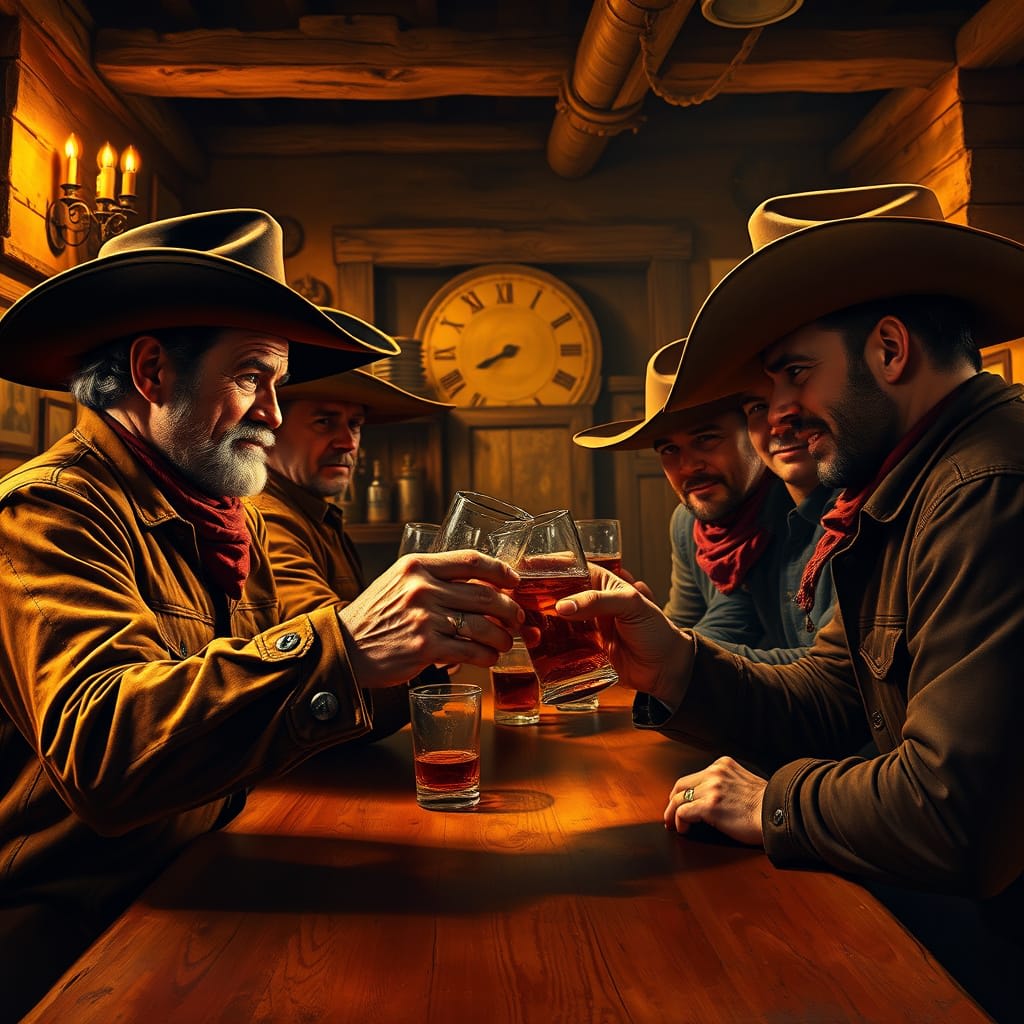
In a previous article I offered readers a guide to whisky's from around the world, exploring the differences in distillation technique and flavor of drinks from all the main whiskey producing regions.
Today I'd like to take a more in-depth dive into my favorite whiskey region: the United States of America!
American whiskey boasts a rich and diverse tradition, with each style offering unique characteristics shaped by ingredients, production methods, and regional influences. From the boldness of Kentucky bourbon to the smoothness of Tennessee whiskey, this guide explores the major types of American whiskey, comparing their ingredients, flavor profiles, and regional distinctions.
Here are some of the main styles:
1. Bourbon
Primary Region: Kentucky (though it can be made anywhere in the U.S.)
Key Ingredients: At least 51% corn, with rye, wheat, or barley making up the remainder.
Flavor Profile:
Bourbon is known for its sweet, full-bodied character, with prominent notes of caramel, vanilla, oak, and spice. The high corn content lends a natural sweetness, while aging in new charred oak barrels imparts rich toffee and smoky undertones.
High-rye bourbon: Spicier, with black pepper and cinnamon notes.
Wheated bourbon: Softer, with a smoother, more mellow profile (e.g., Maker’s Mark).
Notable Brands:
- Buffalo Trace
- Wild Turkey
- Woodford Reserve
2. Tennessee Whiskey
Primary Region: Tennessee
Key Ingredients: Similar to bourbon (51%+ corn), but undergoes the Lincoln County Process—charcoal filtering before aging.
Flavor Profile:
Tennessee whiskey is smoother and slightly mellower than bourbon due to the charcoal mellowing process. Expect flavors of caramel, toasted oak, and a subtle smokiness.
Notable Brands:
- Jack Daniel’s
- George Dickel
3. Rye Whiskey
Primary Region: Historically Pennsylvania and Maryland, now nationwide.
Key Ingredients: At least 51% rye, with corn and malted barley.
Flavor Profile:
Rye whiskey is bold, spicy, and drier than bourbon, with notes of black pepper, clove, and dried fruit. It can be either:
Maryland-style: Softer, with a balance of spice and sweetness.
Pennsylvania/Monongahela-style: Spicier and more robust.
Notable Brands:
- Rittenhouse Rye
- Sazerac Rye
- WhistlePig
4. Corn Whiskey
Primary Region: Southern U.S. (traditionally moonshine country)
Key Ingredients: At least 80% corn, often unaged or aged in used barrels.
Flavor Profile:
Corn whiskey is sweet and grainy, with a raw, fiery character if unaged. Aged versions develop subtle caramel and vanilla notes.
Notable Brands:
- Mellow Corn
- Georgia Moon
5. Wheat Whiskey
Primary Region: Nationwide, but less common.
Key Ingredients: At least 51% wheat, with corn or barley.
Flavor Profile:
Softer and more approachable than rye or bourbon, with gentle notes of honey, vanilla, and baked bread.
Notable Brands:
- Bernheim Original
- Dry Fly Wheat Whiskey
6. American Single Malt
Primary Region: Emerging nationwide, with strongholds in Oregon, Colorado, and Texas.
Key Ingredients: 100% malted barley (similar to Scotch, but with American terroir).
Flavor Profile:
Varies widely but often features rich maltiness, dark chocolate, dried fruit, and a touch of smoke. Some are peated like Scotch, while others are fruitier.
Notable Brands:
- Westland
- Stranahan’s
- Balcones
7. Bottled-in-Bond Whiskey
Primary Region: Nationwide (a designation, not a style)
Key Requirements: Must be aged at least 4 years, bottled at 100 proof, and produced at one distillery in one season.
Flavor Profile:
Depends on the base style (bourbon, rye, etc.), but generally robust and high-proof, with intense flavors.
Notable Brands:
- Old Grand-Dad Bonded
- Evan Williams Bottled-in-Bond
8. Blended American Whiskey
Primary Region: Nationwide
Key Ingredients: A mix of straight whiskeys and neutral grain spirits.
Flavor Profile:
Lighter and less complex than straight whiskeys, often with a grainy sweetness.
Notable Brands:
- Seagram’s 7
- Kessler
Regional Influences on Flavor
Kentucky: The limestone-filtered water enhances fermentation, contributing to bourbon’s smoothness.
Tennessee: Charcoal mellowing creates a distinct, silky texture.
Texas & Southwest: Extreme temperature swings accelerate aging, leading to deeper oak influence.
Pacific Northwest: American single malts often showcase local barley and innovative techniques.
Looking for some more specific advice on which bottle of American whiskey you should try next? Here are some tips based on your favorite flavor profile:
1. If You Like Sweet & Smooth:
Bourbon: Maker’s Mark (wheated, caramel, vanilla)
Tennessee Whiskey: Jack Daniel’s Single Barrel (honey, oak, mellow)
Wheat Whiskey: Bernheim Original (soft, bready, gentle spice)
2. If You Like Bold & Spicy:
High-Rye Bourbon: Four Roses Single Barrel (pepper, cinnamon, dried fruit)
Rye Whiskey: Rittenhouse Rye (black pepper, clove, robust)
Bottled-in-Bond: Old Grand-Dad Bonded (high-proof, intense spice)
3. If You Like Rich & Oaky:
Long-Aged Bourbon: Elijah Craig 18-Year (deep caramel, tobacco, leather)
Texas Whiskey: Balcones Lineage (dark chocolate, toasted nuts)
Single Malt: Westland Sherry Wood (dried fruit, molasses, spice)
4. If You Like Smoky & Unique:
Peated American Single Malt: Westland Peated (campfire, dark fruit)
Char-Heavy Bourbon: Old Forester 1920 (burnt sugar, espresso, char)
5. If You Like Light & Easy-Drinking:
Corn Whiskey: Mellow Corn (sweet, grainy, approachable)
Blended Whiskey: Seagram’s 7 (smooth, mild, mixable)
6. If You Want Something Rare & High-End:
Pappy Van Winkle 15-Year (ultra-premium bourbon, vanilla, butterscotch)
WhistlePig Boss Hog (luxury rye, complex spice, layered fruit)
Please enjoy your whiskey, but do so responsibly!
About the Creator
Dean Walsh
Some days I'm the most hopeless fool you'd ever have the misfortune to meet. Most days I'm an emotional trainwreck. But very occasionally I'm an unsung genius. I write in the hopes of sharing that last part.
Also for money.
Keep reading
More stories from Dean Walsh and writers in Proof and other communities.
A Complete Guide to Whisky From Around the World
Whisky (or whiskey, depending on the region) is one of the world’s most beloved spirits, with a rich history and diverse production methods across different countries. Each style has unique characteristics shaped by local traditions, ingredients, and aging processes. Below, we explore the major types of whisky from around the world, comparing their flavors, production techniques, and cultural significance.
By Dean Walsh9 months ago in Proof
Prohibition Cocktails: Classic Speakeasy Drinks and Historic Recipes
Step back in time to the roaring 1920s, when the Prohibition era in the United States outlawed the sale and production of alcohol. But where there's a will, there's always a way. Hidden behind secret doors and whispered passwords, speakeasies flourished, serving up cocktails that have become timeless classics today. These prohibition cocktails are more than just drinks; they are liquid history, blending ingenuity, bold flavors, and a touch of rebellion.
By Sofia Mertinezzabout 8 hours ago in Proof
The Indescribable Drink: A Cocktail Experience Beyond Words
Have you ever sipped a cocktail and found yourself grasping for words to describe its magic? That’s the essence of the Indescribable Drink—a cocktail that defies easy definition, blending flavors and sensations into a unique experience that teases your palate and imagination. It’s not just a drink; it’s a moment, a mood, a mystery in a glass.
By Sofia Mertinezz4 days ago in Proof




Comments
There are no comments for this story
Be the first to respond and start the conversation.