
The Strange Reason Japanese People Stay Fit Without Ever Going To The Gym
How Everyday Habits, Not Gyms, Keep Japan’s People Healthy and Fit

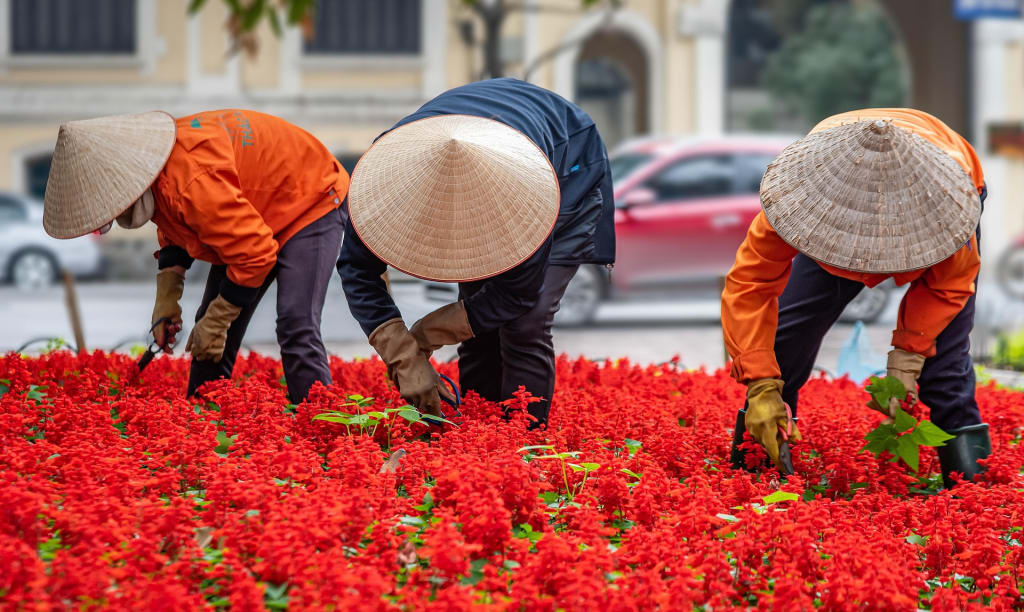
When you think about fitness, images of clanging dumbbells, spinning classes, and high‑intensity workouts probably come to mind. In Japan, however, the story of health and longevity looks very different. Yes, Japan consistently ranks near the top of global life expectancy charts — but the secret isn’t found in flashy fitness studios. Instead, it’s woven into everyday life: in habits, culture, community, and small daily movements that add up.
A Culture Built for Movement
In many Western countries, physical activity is often thought of as something you have to do — a scheduled hour at the gym, or a fitness class squeezed between work and dinner. In Japan, movement is a natural part of life. People walk — a lot. Sidewalks and public transit lines are designed with pedestrians first in mind. Cities like Tokyo, Kyoto, and Osaka are built in a way that encourages walking, cycling, and navigating small neighborhoods on foot. Rather than hopping in a car for short trips, many Japanese walk to shops, train stations, restaurants, and errands — sometimes multiple times a day.
This isn’t exercise by the book. It’s just life. And because it doesn’t require special commitment, gym memberships, or workout gear, it’s sustainable.
Public Transit: A Built‑In Fitness Tool
Here’s one thing many visitors to Japan notice immediately: trains and buses are packed — and packed with people who walk briskly to catch them. Most Japanese commuters walk to their nearest station, climb stairs to platforms, and then walk to work after getting off the train. It’s estimated that the average urban commuter in Japan takes around 7,000–10,000 steps a day — comparable to what many fitness experts recommend to stay healthy.
In a culture where convenience often means less movement, Japan flips the script: public transit becomes a fitness engine.
Daily Rituals That Don’t Feel Like Workouts
Traditional Japanese lifestyle habits are another key piece of the puzzle. Simple, practical movements — such as cleaning, gardening, and even squatting while cooking or doing dishes — naturally strengthen muscles and improve balance. These activities may seem mundane, but they keep the body engaged for hours each day.
Older generations often practice radio taiso — light group exercise routines broadcast on national radio and TV since the 1920s. It’s a ritual in schools, workplaces, and community events. Performed in the morning with gentle stretches and rhythmic movements, it builds flexibility and habit more than intensity — and it’s done not because it’s trendy, but because it’s a part of daily life.
Diet: Light, Seasonal, Social
Being fit isn’t just about moving more — it’s also about eating well. Traditional Japanese meals are built around vegetables, fish, rice, tofu, and fermented foods like miso and pickles. Portions are modest. Meals are slow, social, and intentional.
This diet is naturally lower in processed foods and saturated fats compared to Western standards. Combined with regular movement, it creates a metabolic environment where the body doesn’t hang on to excess weight. Add to this the cultural habit of eating until 80% full — a practice called hara hachi bu — and you begin to see how Japanese lifestyle actively minimizes overeating without dieting.
A Social Approach to Health
Fitness in Japan isn’t an individual battle; it’s communal. Children walk to school in groups. Neighbors participate in local clean‑ups or exercise sessions together. Older adults join community clubs or local parks for regular meet‑ups and stretching routines. This sense of shared movement keeps motivation high and loneliness low — and research shows strong social bonds support both physical and mental health.
It’s Not Magic — It’s Habit
So what’s the “one thing” Japanese people do differently? They don’t view fitness as something extraordinary to fit into life. Instead, movement is part of life itself — a natural consequence of how cities are built, how meals are shared, and how communities operate.
It’s not about extreme workouts or gym memberships. It’s about walking more, eating simply, and living in ways that allow the body to stay engaged every day.
In Japan, fitness isn’t something you add — it’s something you live.
About the Creator
Zakir Ullah
I am so glad that you are here.
Keep reading
More stories from Zakir Ullah and writers in Longevity and other communities.
Of Being Alone
There’s a difference between being alone and being lonely—though it took me years to truly understand it. I used to think they were one and the same, that the absence of people in my life meant something was missing, or worse, that something was wrong with me. I filled silence with noise: background music, meaningless conversations, social media feeds. I ran from stillness as if it might swallow me whole.
By Zakir Ullah10 months ago in Longevity
Benefits of Hyperbaric Oxygen Therapy
In recent years, hyperbaric oxygen therapy (HBOT) has gained significant interest from both the medical community and wellness enthusiasts. Originally developed to treat deep-sea divers suffering from decompression sickness, hyperbaric chambers are now used for a wide range of medical conditions and recovery purposes. As research continues to expand, many people are discovering how powerful oxygen therapy can be when delivered in a controlled, pressurized environment.
By AnthonyBTV2 days ago in Longevity
The Physical and Mental Benefits of Helping Others
In the neverending pursuit toward longevity, one thread stands out time and time again: the connections we build with other people are the key healthy aging. Community involvement and volunteering play a significant role in improving both physical and mental health. When individuals actively participate in helping their communities—whether through local organizations, charities, schools, or neighborhood projects—they often experience meaningful benefits that extend beyond the act of service itself. By fostering social connections, encouraging active lifestyles, and providing a sense of purpose, volunteering can contribute to overall well-being and a healthier society.
By Andrew Elsoffera day ago in Longevity




Comments
There are no comments for this story
Be the first to respond and start the conversation.