
Taking these seven types of medicine may cause constipation
constipation


Few people have never suffered from constipation. There are many reasons for constipation. In addition to digestive system diseases, diet, and mental factors, drug-induced constipation is also very common. Drug-induced constipation refers to the decrease in the frequency of bowel movements due to the use of drugs, or the lack of smooth, laborious, dry stools and small amounts of stools. The common drugs that easily cause constipation mainly include the following categories, friends must pay more attention.
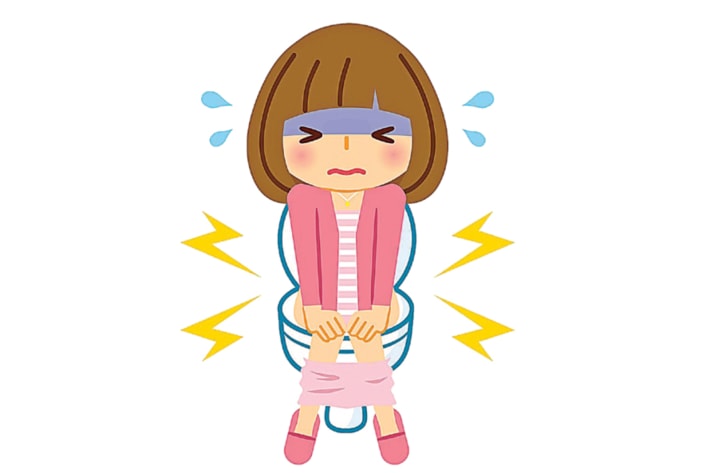
Opioids: morphine, fentanyl, codeine, methadone, etc. Mainly reduce intestinal peristalsis and delay the transit time of intestinal contents in the intestine; some substances can reduce the secretion of intestinal fluid and increase the absorption of part of the intestinal water and electrolytes; opioids increase the absorption surface area of intestinal villi and increase the absorption of liquid The absorption of feces will cause the stool to become dry; it will also delay the emptying of the stomach and cause gastroparesis. The above conditions can cause constipation.
Non-steroidal anti-inflammatory drugs: ibuprofen, naproxen, indomethacin, indomethacin, etc. It mainly inhibits mucus secretion, makes the intestine dry, and loses lubrication on the surface of stool, causing constipation.
Diuretic antihypertensive drugs: such as thiazides. It can cause dehydration of the body, allowing excess fluid to be absorbed from the colon. Central antihypertensive drugs such as clonidine can stimulate the intestinal nerves, increase the absorption of fluids and electrolytes, limit the secretion of digestive juices, and cause constipation.

Irritating laxatives: castor oil, phenolphthalein, rhubarb, rectal suppositories, etc. Long-term use will reduce rectal reflex and cause delayed constipation, which can be reversed after stopping the drug. Long-term use of irritating laxatives may also cause black colon disease and aggravate constipation.
Anticholinergic drugs: tricyclic antidepressants (such as amitriptyline, doxepin), monoamine oxidase inhibitors, antipsychotic drugs (such as clozapine, phenothiazines), antiparkinsonian drugs (Bromocriptine), antispasmodics (atropine, anisodamine), etc. These drugs will reduce intestinal motility, prolong the transit time in the intestines, and may cause severe intestinal obstruction.
Some metal-containing preparations: barium sulfate, ferrous sulfate, calcium carbonate, etc. This type of medicine will combine with inabsorbable substances in the intestinal tract to form insoluble solids, causing the stool to become hard and difficult to pass.
Chemotherapy drugs: vincristine, cyclophosphamide, etc. Such drugs can damage the enteric nervous system and autonomic nervous system, affect the intestinal mucosa, and cause diarrhea or constipation.

For drug-induced constipation, the following measures can be taken: 1. If the constipation is severe, you should seek medical treatment as soon as possible, and adjust the medication plan according to the doctor's advice to minimize the side effects; 2. For the symptoms of constipation, perform general treatment. Ensure adequate water, fiber and physical exercise; 3. If it is fecal block embolism, you can enema or use rectal suppositories, or oral laxatives; 4. Massage can also be used as an auxiliary treatment.
In order to prevent the occurrence of constipation, it is necessary to develop good living habits and bowel habits, maintain adequate water intake, 1500~2500ml daily; increase dietary fiber, such as fruits, vegetables, oats, corn, soybeans, etc., can improve Stool traits and bowel habits; proper physical exercise, especially the exercise of the abdominal muscles, is conducive to the recovery of gastrointestinal function. Finally, it is reminded that when using laxatives, the dosage should be adjusted appropriately to achieve a laxative effect. Generally, it only takes a few days and should not be abused.
About the Creator
Keep reading
More stories from writers in Longevity and other communities.
Tourism is booming in 2026 - just not where you think
As the world enters 2026, global tourism is experiencing a significant surge, yet the hotspots capturing travelers’ attention may surprise industry observers. Traditional tourist destinations such as Paris, New York, and Tokyo are seeing steady recovery from pandemic-related declines, but a combination of shifting preferences, economic factors, and emerging travel trends has redirected much of the growth to less conventional locales. Analysts say these trends are reshaping the travel industry and redefining what it means to be a “popular” destination in the modern era. Unexpected Winners Countries and regions that were previously overlooked are now enjoying unprecedented tourist interest. Smaller cities, remote natural landscapes, and destinations offering unique cultural experiences are attracting visitors seeking alternatives to crowded landmarks and mainstream itineraries. According to recent reports from the World Tourism Organization, destinations in Southeast Asia, parts of Eastern Europe, and select islands in the Pacific have seen visitor numbers climb by double digits compared to pre-pandemic levels. Travel experts suggest that tourists are increasingly motivated by authenticity, personalized experiences, and safety. “People are looking for destinations that combine natural beauty with cultural immersion, away from the conventional tourist trail,” said a senior analyst at a global travel consultancy. “This shift is redefining tourism growth patterns.” Economic and Social Drivers Several economic and social factors are contributing to the unexpected tourism boom. Rising fuel costs and fluctuating currency exchange rates have influenced travelers to explore destinations that offer value without compromising quality. At the same time, the growing prevalence of remote work and flexible schedules has enabled longer stays in less-traditional locales, providing local economies with a boost from both spending and seasonal employment. Tourism boards in these regions have responded by investing in infrastructure, hospitality training, and marketing campaigns. Digital promotion and social media influencers have played a key role in raising awareness, with viral posts highlighting scenic landscapes, local cuisine, and cultural festivals sparking interest among international travelers. Health, Safety, and Sustainability Health and safety remain major considerations for travelers in 2026. Destinations with strong healthcare systems, low population density, and effective pandemic preparedness protocols have seen a distinct advantage in attracting visitors. In addition, sustainable tourism is becoming a priority, with eco-conscious travelers favoring destinations that prioritize environmental protection, responsible wildlife interaction, and low-impact lodging. Local governments have responded by promoting ecotourism, creating protected zones, and encouraging community-led initiatives. Travelers are increasingly seeking experiences that combine leisure with environmental awareness, creating economic opportunities while preserving natural and cultural heritage. Challenges and Opportunities While the surge in tourism brings significant benefits, it also presents challenges. Remote areas face pressure on infrastructure, housing, and public services. Rapid influxes of visitors can strain water, transportation, and waste management systems. Experts stress that careful planning and sustainable management are critical to ensuring that tourism growth does not come at the expense of local communities or ecosystems. At the same time, smaller or less-developed destinations have opportunities to diversify their economies, attract international investment, and create jobs. Local artisans, tour operators, and service providers benefit directly from the influx of tourists seeking unique experiences, fostering community engagement and cross-cultural exchange. The Future of Tourism The 2026 tourism boom illustrates that travelers’ priorities are evolving. Rather than simply visiting iconic landmarks, people are seeking immersive, personalized, and sustainable experiences. Technology, including mobile booking platforms, augmented reality tours, and virtual previews, is enabling tourists to explore and plan trips to destinations previously off the radar. As the year progresses, analysts anticipate that the tourism landscape will continue to diversify. Destinations that can balance accessibility, authenticity, and sustainability are likely to see the strongest growth. Meanwhile, traditional tourist hubs may need to adapt to shifting preferences, investing in new experiences and marketing strategies to remain competitive. In short, 2026 is a year in which tourism is booming—but not always in the cities and countries that come first to mind. The unexpected winners are rewriting the map of global travel, showing that in today’s world, adventure, culture, and sustainability can be just as important as fame and history when it comes to attracting visitors.
By Fiaz Ahmed 5 days ago in Longevity
Goodbye, Mr. Duvall
It is turning out to be an interesting year. I was in the middle of teaching a class when a pop-up appeared on the screen announcing the death of Mr. Robert Seldon Duvall (yes, that was his full name). I was in the middle of a discussion on the obsession we have with winning when it comes to sports (the Winter Olympics was a theme), and I felt as though things were coming full circle. We had already lost Gene Hackman last year, and along with that titan, it feels though one particular golden age has closed off to be replaced by...?
By Kendall Defoe 3 days ago in Geeks
Unofficial Challenge: What would you do if you were rich?
I love the kind of work I get to do in my career, but as I job search and browse apartments again due to another understaffed and unsustainable work environment that I did not intend to get into, my daydreams of better days consistently lean into the same question: What would I do if I didn't have to worry about my basic needs being met?
By Kay Husnick2 days ago in Writers



Comments
There are no comments for this story
Be the first to respond and start the conversation.