lifestyle
Living your life - the health and wellness way.
Official and Confirmed: Heavy Snow Is Set to Begin Late Tonight, With Alerts Warning of Major Disruptions and Widespread Travel Chaos. AI-Generated.
Winter is about to make its presence felt in a big way. Official weather agencies have confirmed that heavy snow will begin late tonight, and authorities are issuing alerts warning of major disruptions and widespread travel chaos. This sudden surge in winter weather is expected to affect millions of people, from daily commuters to travelers and local businesses. What to Expect Meteorologists predict that snowfall will intensify overnight, particularly in mountainous and northern regions. Some areas are likely to see several inches of accumulation, while plains and valleys may experience wet, slippery conditions. According to the latest reports: Snow is expected to begin late tonight and continue into the early morning hours. Major disruptions are expected on roads, highways, and airports. Travel authorities have issued alerts for all commuters, urging caution and preparedness. Officials warn that this is not just a light dusting of snow — the intensity and coverage could significantly affect travel and daily life. Travel Chaos Ahead Heavy snow often brings immediate disruptions, and experts are advising the public to plan ahead. 1. Road Travel Roads in affected regions are likely to become icy and slippery. Traffic jams and accidents are expected as drivers struggle with reduced visibility and slick surfaces. Authorities recommend avoiding unnecessary travel and using public transportation only if essential. 2. Air Travel Airlines have issued flight delays and cancellations for affected airports. Snow accumulation on runways can lead to safety hazards, forcing longer delays and rescheduled flights. Travelers are advised to check flight status frequently and allow extra time for airport procedures. 3. Rail and Bus Services Trains and buses may also face delays or temporary suspensions due to snow-covered tracks and roads. Commuters should plan alternative routes and stay updated with local transit authorities. Safety Alerts and Preparedness Emergency services and local authorities are stepping up to ensure public safety. Alerts include: Snow warnings in all major affected regions. Travel advisories for drivers and commuters. Recommendations to stock up on essential supplies, such as food, water, and warm clothing. Advice to prepare homes for potential power outages due to snow-laden trees or lines. Authorities emphasize that prevention is key. Staying off the roads and following official guidance can prevent injuries and accidents. How Residents Can Stay Safe Winter weather like this can be dangerous, but preparation can make a big difference. Here are some tips for residents: Check Weather Updates Frequently – Use official channels for the most accurate information. Limit Travel – Avoid driving unless absolutely necessary. Prepare Vehicles – Equip cars with snow chains, keep windshields clear, and check brakes and tires. Emergency Supplies – Keep flashlights, batteries, and warm blankets at home. Stay Informed – Follow local news, traffic alerts, and emergency services for updates. Simple precautions can prevent many common winter accidents and reduce stress during snow emergencies. Impact on Daily Life Heavy snow affects more than travel. Businesses, schools, and public services may face disruptions: Schools may close or delay opening to ensure student safety. Local businesses might see lower customer turnout due to travel difficulties. Healthcare services could face challenges as roads become harder to navigate. Communities are encouraged to prepare for temporary disruptions and support vulnerable populations, including the elderly and those with medical conditions. The Science Behind the Storm This winter system is caused by a combination of cold air moving south and moisture from the surrounding regions. Meteorologists explain that: Cold air from the north interacts with moisture-laden winds, producing heavy snow and strong winds. The snow is expected to accumulate quickly, especially in hilly and mountainous areas. Visibility may drop drastically, making travel dangerous even for short distances. Experts note that such snow events are becoming more frequent due to shifting climate patterns, emphasizing the importance of awareness and preparedness. How Authorities Are Responding Government agencies and emergency services are taking proactive measures to minimize damage and disruption: Road crews and plows are being deployed to keep highways clear. Sand and salt trucks are treating icy roads to prevent accidents. Airports and railways are increasing manpower to handle delays and maintain safety protocols. Public advisories are being sent through TV, radio, and social media to ensure residents stay informed. This coordinated response aims to prevent major accidents and ensure essential services remain operational. Key Takeaways for the Public Heavy snow will begin late tonight, with potential for widespread disruption. Travel is expected to be dangerous, so avoid unnecessary journeys. Residents should prepare homes, vehicles, and supplies to face the storm. Stay updated through official weather channels and local authorities. By staying informed and taking precautions, individuals can reduce risks and stay safe during this severe winter event. Conclusion The confirmation of heavy snow starting late tonight signals a challenging night and morning for residents and travelers alike. Authorities are emphasizing caution, preparation, and awareness to mitigate the effects of this major winter storm. As the snow falls, roads become treacherous, flights are delayed, and daily routines are disrupted. Yet, with proper preparation and vigilance, communities can navigate the chaos safely. This winter event serves as a reminder that nature’s forces can disrupt even the best-laid plans, and staying prepared is the most effective way to face the storm head-on.
By Fiaz Ahmed 13 days ago in Longevity
Retirement Is No Longer Enough Today
For a long time, retirement was seen as a promise. A promise of rest after a lifetime of work, of minimum financial stability, and of time finally freed from professional constraints. This reassuring vision was deeply rooted in the collective imagination. You worked, you contributed, and then you enjoyed.
By Bubble Chill Media 14 days ago in Longevity
Which City Is Called the Queen of the Arabian Sea: Discover Its History, Trade Legacy, and Multicultural Heritage. AI-Generated.
The “Queen of the Arabian Sea” is a title that evokes images of bustling harbors, golden sunsets over tranquil waters, and centuries of cultural exchange. This title belongs to Mumbai, India’s financial capital and one of the most iconic cities on the western coast of the country. From its strategic location on the Arabian Sea to its rich history and vibrant multicultural society, Mumbai’s story is as fascinating as it is complex.
By Fiaz Ahmed Brohi15 days ago in Longevity
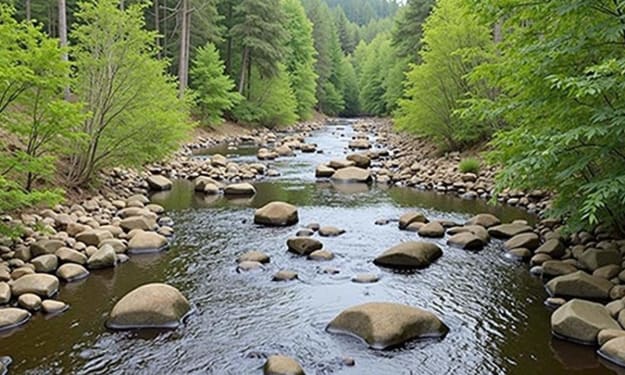
More Than 300,000 River Obstacles Removed Worldwide Are Reconnecting Streams, Reviving Fish Migration And Restoring Freshwater Life. AI-Generated.
Freshwater ecosystems around the world are undergoing a quiet revolution. For decades, rivers and streams have been obstructed by dams, weirs, and other barriers, fragmenting habitats and preventing fish from completing essential migrations. Now, a global initiative to remove these obstacles is transforming waterways, reviving fish populations, and restoring the delicate balance of freshwater life. More than 300,000 river barriers have been removed worldwide, and the results are already evident.
By Fiaz Ahmed Brohi18 days ago in Longevity
Etihad Cancels, Delays Flights to Pakistan Amid Poor Weather. AI-Generated.
Travelers between the United Arab Emirates and Pakistan faced significant disruptions this week as Etihad Airways canceled and delayed multiple flights due to severe weather conditions. The airline, known for its extensive network connecting Abu Dhabi to destinations across the world, cited poor visibility, strong winds, and storm warnings as the primary reasons for the operational setbacks. Passengers reported last-minute cancellations and rescheduling challenges, prompting calls for greater clarity and contingency measures during extreme weather events.
By Fiaz Ahmed Brohi18 days ago in Longevity
The Second Brain: How the Nervous System Affects Digestion
Listen, something I don’t think we talk about enough on this platform is digestion - and it’s not for lack of desire to talk about it! Obviously all dietitians are trained in digestive function and medical nutrition therapy for concerns regarding digestion, but not all of us develop special focus in this area (although given how much work the gut does for us, it’s hard not to have some sort of daily discussion around it). So let’s expand on this, and talk about an area I have been loving working in lately - neurogastroenterology!
By Emily the Period RD18 days ago in Longevity
More Retirees Are Working Past Retirement Age—Not by Choice, but Necessity: The Rise of “Involuntary Encore Careers”. AI-Generated.
In an era of rising living costs and financial uncertainty, retirement is no longer the carefree stage of life it once was for many. Across the globe, an increasing number of retirees are returning to the workforce—not because they want to stay busy or pursue passions, but because they must. Economists, policymakers, and sociologists have a term for this phenomenon: “involuntary encore careers.” It reflects a growing reality where older adults work past traditional retirement age out of financial necessity rather than choice. Historically, retirement represented the culmination of decades of labor. People would step away from their careers, enjoy the fruits of their labor, and focus on hobbies, travel, or family. Today, this vision is increasingly under threat. In the United States, the Bureau of Labor Statistics reports that the employment rate among individuals aged 65 to 74 has risen steadily over the past twenty years. Similar trends are emerging in Canada, the United Kingdom, and parts of Europe and Asia, signaling a global shift in how retirement is experienced. Financial necessity is the primary driver of this trend. Despite years of employment, many retirees find their savings insufficient to cover day-to-day expenses, rising healthcare costs, and debt obligations. Pension systems have struggled to keep pace with inflation, and social security programs in many countries provide only modest support. As a result, retirees are often forced to re-enter the workforce to maintain basic financial stability. Healthcare costs, in particular, loom large. In countries without universal healthcare coverage, retirees may need to work to afford insurance premiums, prescription medications, and potential hospitalizations. Even in nations with public healthcare systems, supplemental coverage and out-of-pocket expenses can be significant. For some, continuing to work is as much about accessing healthcare benefits as it is about earning money. Another factor facilitating this trend is the changing nature of work. The rise of flexible, part-time, and remote employment has made it easier for older adults to rejoin the labor market. Consulting roles, freelance work, and gig economy opportunities allow retirees to contribute their expertise without the physical demands of traditional employment. For some, these arrangements offer a sense of independence while supplementing income, though for many, financial pressure remains the primary motivator. While working past retirement age can provide some benefits, such as social interaction and mental engagement, it also comes with challenges. Older workers often face age-related discrimination, limited career advancement, and lower wages compared to younger colleagues. Moreover, working out of necessity rather than choice can be psychologically taxing, turning what should be a period of rest and reflection into a stage of stress and obligation. This trend has profound societal implications. The rise of involuntary encore careers highlights gaps in retirement planning, financial literacy, and social safety nets. It raises important questions about how governments and employers can better prepare older adults for retirement and ensure a dignified life for aging populations. Solutions may include stronger pension systems, incentives for retirement savings, phased retirement programs, and policies that support continued employment without forcing economic hardship. Interestingly, not all retirees who work past retirement age view it negatively. Many find purpose, structure, and social connection in their continued employment. For those who can pursue flexible roles aligned with personal interests, working beyond traditional retirement can be enriching. Yet, the distinction remains critical: when work is a choice, it can enhance life; when it is a necessity, it underscores financial vulnerability. Experts emphasize the importance of early planning to mitigate the need for involuntary work in later life. Diversifying investments, contributing to retirement accounts, and managing debt prudently can help ensure that retirement is a period of choice rather than financial survival. Furthermore, policymakers and financial institutions must consider the impact of inflation, healthcare costs, and changing demographics to provide meaningful support for future retirees. The rise of involuntary encore careers reflects both economic pressures and evolving life expectancies. Retirement is no longer a rigid milestone but a flexible stage shaped by circumstance, resilience, and the realities of modern life. As societies grapple with this shift, understanding the motivations, challenges, and opportunities associated with working past retirement age is essential. It highlights the complex interplay between economics, social policy, health, and individual well-being in shaping how people experience the later stages of life. Ultimately, the growing number of retirees returning to work out of necessity signals a need for reflection and action. Ensuring that future generations can retire with dignity, financial security, and freedom of choice requires foresight, planning, and policies that address the economic realities of an aging world. Involuntary encore careers may be rising, but with the right strategies, retirement can still become a time of fulfillment, rest, and purpose—rather than obligation.
By Fiaz Ahmed Brohi18 days ago in Longevity
How to Read More: 12 Book-ish Things to Help Clear Your To-Read List. AI-Generated.
If your to-read list keeps growing faster than you can turn pages, you’re not alone. Many book lovers dream of reading more, yet struggle to find the time, focus, or momentum to actually do it. Between busy schedules, digital distractions, and reading slumps, even the most enthusiastic readers can feel stuck. The good news? Reading more isn’t about speed or pressure—it’s about building habits that fit naturally into your life. Here are 12 book-ish, practical ways to finally start clearing that to-read list and rediscover the joy of reading. 1. Ditch the Guilt Around Unfinished Books Not every book is meant for you at this moment. If a title isn’t clicking after a fair try, give yourself permission to stop. Letting go of unread or half-read books creates mental space—and motivation—for books you’ll truly enjoy. 2. Read Multiple Books at Once Contrary to popular belief, reading several books simultaneously can boost your reading life. A novel for bedtime, a non-fiction book for mornings, and a short story collection for quick breaks allow you to read according to your mood and energy level. 3. Always Carry a Book (or E-Reader) Idle moments add up. Waiting in lines, commuting, or sitting between appointments can become reading time if you always have a book handy. Even 10 minutes a day can translate into dozens of finished books over a year. 4. Set a Daily Page Goal—Not a Time Goal Instead of saying “I’ll read for 30 minutes,” try “I’ll read 10 pages.” Page goals feel more achievable and measurable, helping you maintain consistency without feeling overwhelmed. 5. Replace Doom-Scrolling With Page-Turning Social media often steals reading time without us realizing it. Try a simple rule: read for 10 minutes before opening any social app. This small habit shift can dramatically increase your reading hours. 6. Create a Reading Ritual Rituals train your brain to associate reading with comfort. Whether it’s reading with morning tea, before bed, or during lunch breaks, attaching books to a routine makes reading automatic rather than optional. 7. Make Your To-Read List Work for You An endless list can feel intimidating. Break it into smaller categories like “Read This Month,” “Quick Reads,” or “Comfort Books.” Prioritizing makes the list motivating instead of stressful. 8. Embrace Audiobooks Without Shame Audiobooks count. Whether you’re driving, cooking, or exercising, listening to books keeps stories flowing through your life. Many readers find audiobooks help them finish more titles than print alone. 9. Read What Excites You—Not What You “Should” Read Reading isn’t a competition. If thrillers, romance, or fantasy excite you, read them proudly. Enjoyment is the strongest motivator for consistency, not literary prestige. 10. Join a Reading Community Book clubs, reading challenges, or online communities create accountability and excitement. Discussing books with others can reignite enthusiasm and introduce you to titles you might never pick up otherwise. 11. Track Your Reading Progress Seeing progress is powerful. Whether through a reading journal, app, or simple checklist, tracking books read reinforces your habit and gives a sense of accomplishment that fuels momentum. 12. Reread Old Favorites When motivation is low, return to a beloved book. Rereading reminds you why you fell in love with reading in the first place and often acts as a gateway back to new books. Reading More Is About Kindness, Not Discipline Clearing your to-read list doesn’t require superhuman focus or massive lifestyle changes. It’s about removing pressure, choosing joy, and building small habits that last. When reading becomes something you look forward to—rather than another task—it naturally finds its place in your day. Books aren’t meant to be conquered; they’re meant to be experienced. Start small, stay curious, and let stories meet you where you are. Your to-read list will shrink—not through force, but through love.
By Fiaz Ahmed Brohi19 days ago in Longevity
Why Minimal Skincare Routines Are Winning in 2026. AI-Generated.
If you had told me a few years ago that my skincare routine would shrink to just three or four steps, I probably wouldn’t have believed you. Like many of us, I went through the ten-step routine phase, the acid-everything phase, and yes — the “TikTok made me buy this” phase too.
By Veronica Bennett19 days ago in Longevity
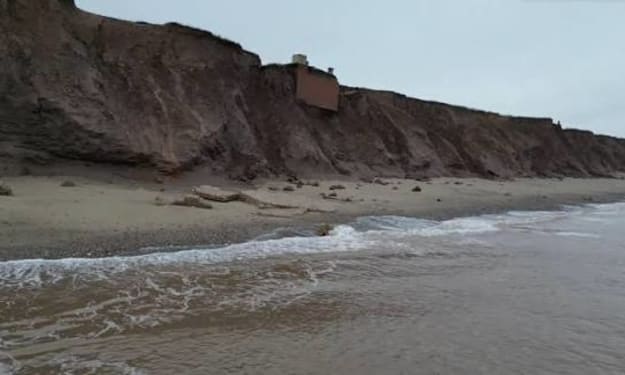
Nuclear Bunker Nears Collapse Due to Erosion: A Cold War Relic at Risk. AI-Generated.
A once-formidable nuclear bunker, built during the height of Cold War tensions, now faces an unexpected and insidious threat: erosion. Experts warn that without urgent intervention, the structure could collapse entirely, posing safety risks and highlighting the fragility of even the most heavily fortified human constructions. Constructed decades ago to withstand nuclear attacks, the bunker features thick concrete walls, reinforced steel frameworks, and subterranean chambers. It was a symbol of security during an era defined by the fear of global conflict. However, while designed to resist bombs and blasts, it was not engineered to endure the gradual, relentless forces of nature over half a century. Recent inspections have revealed alarming signs of structural degradation. Cracks snake along the concrete walls, corroded steel beams are exposed, and the surrounding soil has been washed away in sections. Environmental engineers attribute the deterioration to a combination of heavy rainfall, fluctuating groundwater levels, and repeated freeze-thaw cycles. These factors have compromised the bunker’s foundation, leaving it vulnerable to potential collapse. “The irony is stark,” said Dr. Elena Kostova, a structural engineer specializing in Cold War architecture. “This facility was designed to survive nuclear war, yet it’s threatened by rain and wind. Immediate action is essential to prevent a catastrophic failure.” The location of the bunker compounds the problem. Often sited in remote or elevated areas for strategic advantage, these sites were difficult to maintain even during active use. Since the end of the Cold War, many bunkers were abandoned or decommissioned, leaving them exposed to natural elements. Without regular maintenance, erosion has quietly and progressively weakened the structure over decades. While long out of operational use, the bunker still holds potential hazards. Some chambers contain remnants of chemicals, outdated fuel, or other toxic substances. A sudden collapse could release these materials into the surrounding environment, contaminating water sources and soil. Authorities caution that the public should stay away from the site until stabilization measures are implemented. Local governments and heritage organizations are currently debating the best course of action. Proposed solutions include reinforcing the walls with modern concrete and steel supports or diverting water away from the site to reduce further erosion. However, these interventions are expensive and technically complex. Preservationists also emphasize the need to maintain the bunker’s historical integrity while implementing safety measures. The erosion of this nuclear bunker is not an isolated issue. Across Europe, Asia, and North America, thousands of Cold War-era facilities—including missile silos, fallout shelters, and command centers—face similar risks. Many of these structures were abandoned, underfunded, or neglected, allowing nature to take its toll. In some cases, aging infrastructure could harbor hazardous materials, posing dangers to nearby communities. Climate change is exacerbating the problem. Unpredictable weather patterns, increased rainfall, and extreme temperature fluctuations are accelerating erosion. Processes that might have taken decades in the past are now occurring within a few years. Engineers and environmental scientists are increasingly concerned that these forces could overwhelm older structures, creating both safety hazards and a loss of historical heritage. The dilemma highlights the tension between heritage preservation and public safety. On one hand, bunkers are tangible reminders of the Cold War era, offering insight into historical geopolitics, engineering ingenuity, and global fears. On the other, they are potential environmental and structural hazards, especially as erosion weakens their foundations. Authorities face the difficult task of balancing these priorities while securing funding for stabilization projects. Some experts argue that the bunker’s collapse would be a symbolic loss as much as a physical one. It represents a period in global history marked by nuclear brinkmanship, civil defense planning, and technological advancement under pressure. Losing such structures erases a part of collective memory, making it harder for future generations to understand the stakes of that era. The erosion of this nuclear bunker serves as a stark reminder of the impermanence of human constructions. Even those designed to withstand humanity’s most extreme threats are vulnerable to the slow, persistent forces of nature. Immediate intervention could preserve the site for safety and historical purposes, but without decisive action, the collapse of the bunker may become inevitable. As engineers, historians, and policymakers weigh options, the coming months will determine whether this Cold War relic can survive as a historical monument—or whether it will crumble, leaving only memories of an era defined by fear, preparedness, and human ingenuity.
By Fiaz Ahmed Brohi20 days ago in Longevity
Bacterial Skin Infections
Introduction: When it comes to skin irritation, not every one of them is a simple rash. There are some bacteria that can enter the skin through tiny cuts and hair follicles. These bacteria include Staphylococcus aureus (Staph) or Streptococcus pyogenes (Strep) that can cause infections ranging from irritation and bothersome to dangerous.
By benjamin taylor21 days ago in Longevity