health
Keeping your mind and body in check - popular topics in health and medicine to maintain a long and healthy life.
When Zebras Fight Back. Content Warning.
Ever since I was a child I was told my strange symptoms of joint pain, fatigue, headaches, and breathlessness and light-headedness on exertion were "all in my head", "stress", "attention-seeking" and from "laziness", and I just needed to get more exercise.
By Skye Bothmaabout a month ago in Longevity
Salt Bricks: A Wellness Solution for Modern Spaces
Salt has been used as an alternative healing method for a long time, but has gained much more popularity recently due to the beautiful pink color of the stones and the wide variety of wellness uses. Most people know about salt lamps made from Himalayan salt, but now, salt bricks are even more popular. These can be used to make your home, office, or spa a wellness sanctuary and can last a long time for a one-time use. These are an excellent, low-effort option for a long-lasting solution to improve your space.
By Emily Rosieabout a month ago in Longevity
The Second Brain: How the Nervous System Affects Digestion
Listen, something I don’t think we talk about enough on this platform is digestion - and it’s not for lack of desire to talk about it! Obviously all dietitians are trained in digestive function and medical nutrition therapy for concerns regarding digestion, but not all of us develop special focus in this area (although given how much work the gut does for us, it’s hard not to have some sort of daily discussion around it). So let’s expand on this, and talk about an area I have been loving working in lately - neurogastroenterology!
By Emily the Period RDabout a month ago in Longevity
20 Lessons from Dr. Peter Attia That Actually Extend Your Life
Dr. Peter Attia doesn't talk about health the way most doctors do. He's not optimizing for "normal labs," comfort, or what keeps people compliant. He's optimizing for not dying early and not living your last decades weak, dependent, and fragile.
By Destiny S. Harrisabout a month ago in Longevity
Foods to Avoid After Whitening Teeth
A professional teeth whitening treatment can dramatically boost your confidence, whether you’re heading to a business meeting downtown, enjoying a night out in the Blue Dome District, or getting ready for a family event in Broken Arrow. Right after whitening, however, your teeth are more porous and vulnerable to staining. What you eat and drink during the first few days plays a huge role in how long your results last.
By Good health to everyoneabout a month ago in Longevity
7 Soups That Won't Spike Your Blood Sugar
Key Takeaways: Most blood-sugar-friendly soups have a base of protein and non-starchy vegetables, with beans or whole grains as the slow-digesting carb. Legume-based soups (lentils, beans) are especially reliable for more stable post-meal glucose levels compared with more refined starches. If your favorite soup is pasta- or potato-heavy, you do not have to ditch it altogether. Simply reduce the starchy portion and add protein, fiber, and healthy fat.
By Good health to everyoneabout a month ago in Longevity
How Breathing Became Easier Without Me Noticing When
I cannot point to the exact moment it happened. There was no sudden breath of freshness. No noticeable shift in temperature. No sound of ventilation kicking on. If you had asked me that day whether anything had changed in the room, I would have said no.
By illumipureabout a month ago in Longevity
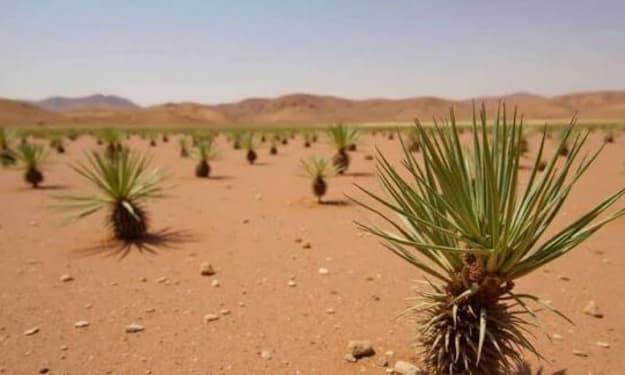
More Than 5 Million Native Plants Reintroduced in Deserts Are Slowing Land Degradation and Rebooting Arid Ecosystems. AI-Generated.
Deserts are often seen as barren, unforgiving landscapes, but they are far from lifeless. These ecosystems, while harsh, support unique biodiversity and provide critical environmental services, from carbon sequestration to regulating local climates. Yet, decades of overgrazing, unsustainable land use, and climate change have taken their toll, leaving many arid regions struggling with soil erosion, loss of native vegetation, and diminished ecological resilience. Now, a bold rewilding effort is turning the tide: over five million native plants have been reintroduced into deserts worldwide, and the early results are promising. The scale of the initiative Across regions from the deserts of the Middle East and North Africa to the arid plains of Australia and North America, conservation organizations, local communities, and governments have collaborated to replant native species that were once nearly wiped out. These plants range from hardy shrubs and grasses to iconic desert flowers, all carefully selected for their ability to survive in extreme conditions and restore ecological balance. The numbers are staggering: more than 5 million individual plants have been transplanted over the last five years, covering thousands of hectares. While this effort is labor-intensive, involving soil preparation, irrigation during establishment phases, and ongoing monitoring, the environmental payoff has been remarkable. Slowing land degradation One of the primary goals of these reintroductions is to combat land degradation, a process that affects over 40% of the planet’s land surface. In deserts, degradation is particularly acute because soil erosion occurs rapidly in the absence of stabilizing vegetation. Without plants to anchor the soil, wind and water can strip away fertile topsoil, creating a feedback loop of declining vegetation and worsening erosion. Early monitoring reports suggest that reintroduced native plants are helping to stabilize sandy soils and reduce the spread of desertification. In some areas of the Middle East, for instance, wind erosion rates have decreased by up to 30% in regions where shrubs and grasses were replanted. This stabilization not only benefits the environment but also local communities that rely on the land for grazing, agriculture, and other livelihoods. Rebooting arid ecosystems Beyond slowing soil loss, these plant reintroductions are rebooting entire desert ecosystems. Deserts are home to a diverse array of wildlife, including insects, birds, and mammals that rely on native plants for food and shelter. By re-establishing vegetation cover, these efforts have triggered a cascade of ecological benefits. In parts of the Sonoran Desert in North America, researchers observed a noticeable increase in pollinator populations, such as bees and butterflies, following the reintroduction of native flowering plants. Similarly, small mammals and reptiles that had disappeared from degraded areas are gradually returning, attracted by improved habitat structure and food availability. Climate resilience Another key advantage of reintroducing native plants is enhancing climate resilience. Many desert plants are adapted to survive extreme heat, drought, and poor soils. By re-establishing these species, ecosystems can better withstand climate-related stresses, such as prolonged droughts or extreme heatwaves. Additionally, some species improve soil moisture retention and reduce surface temperatures, creating microclimates that further support biodiversity. Community engagement and knowledge transfer What makes these rewilding efforts particularly successful is the integration of local communities. Indigenous knowledge about native species, planting techniques, and seasonal cycles has been invaluable. In some regions, schools and community groups participate in planting days, turning conservation into a source of pride and education. This engagement ensures that restored areas are maintained, monitored, and valued over the long term. Looking ahead While the reintroduction of five million native plants is a significant achievement, experts caution that long-term success requires continued investment, monitoring, and protection from overgrazing, development, and climate pressures. However, the initiative provides a compelling example of how targeted, science-backed restoration can reverse environmental damage. For arid ecosystems, these efforts are more than just planting trees and shrubs—they represent hope. They demonstrate that even the most fragile landscapes can recover when humans actively collaborate with nature, restoring not only plants but the entire web of life that depends on them. As the world grapples with climate change and land degradation, the lessons from these desert rewilding projects offer a blueprint for action: by investing in native biodiversity, we can slow degradation, rebuild ecosystems, and create landscapes that are resilient, productive, and teeming with life once again.
By Fiaz Ahmed Brohiabout a month ago in Longevity
The Hidden Power of the Nerve Endings in Your Feet
Most people don’t give much thought to their feet unless they’re uncomfortable or tired. Yet beneath the surface, the nerve endings in the feet are constantly working, sending vital information to the brain that influences balance, posture, and movement. These signals operate quietly in the background, but they play a far greater role in daily life than many people realize.
By AhmedFitLifeabout a month ago in Longevity