health
Keeping your mind and body in check - popular topics in health and medicine to maintain a long and healthy life.
Resistance Is Not the Enemy
Iron sharpens iron. Brakes save lives. Friction preserves form. Modern culture treats resistance as failure. Anything that slows momentum is framed as obstruction, anything that introduces friction is assumed to be opposition, and anything that interrupts progress is labeled a setback. But this instinct misunderstands how both physical systems and human growth actually work. Resistance is not inherently hostile. In many cases, it is the only thing preventing collapse.
By Peter Thwing - Host of the FST Podcast20 days ago in Longevity
The Refiner’s Fire Is Not the Whetstone
There is a difference between being sharpened and being transformed, and confusing the two leads to frustration when growth does not feel productive. Sharpening implies refinement of existing form. Fire implies change in composition. Both processes are uncomfortable, but they operate on different levels and for different purposes. When people expect sharpening and receive fire instead, they often assume something has gone wrong, when in reality something deeper is taking place.
By Peter Thwing - Host of the FST Podcast20 days ago in Longevity
You See From Where You Stand
"The room remains full whether you can see it or not." One of the most persistent misunderstandings about perception is the assumption that seeing is the same as knowing. People often believe that if something feels clear, it must be complete, and if something feels obscure, it must be absent. But awareness does not work that way. What you perceive at any moment is not a measure of what exists. It is a measure of what your current position allows to pass through.
By Peter Thwing - Host of the FST Podcast20 days ago in Longevity
10 Traits of Overweight Gym Goers
I don't know about you all, but when I go to the gym, I notice many of the people there are in shape or somewhat in shape, which makes sense, but for those who want to get in shape, being overweight in this setting could potentially feel overwhelming, intimidating, de-motivating, and flat out uncomfortable.
By Destiny S. Harris20 days ago in Longevity
‘Our Children’s Brains Are Not for Sale’: Macron Says France to Fast-Track Social Media Ban for Under-15s. AI-Generated.
How France is taking a stand to protect children from social media risks French President Emmanuel Macron has announced plans to fast-track a ban on social media for children under 15, citing growing concerns about the effects of digital platforms on young minds. Macron’s statement, “Our children’s brains are not for sale,” underscores the urgency of protecting children from potential harm caused by excessive screen time, data exploitation, and online manipulation. This initiative reflects broader debates worldwide about children’s mental health, privacy, and the role of technology in daily life. Why the Ban? Macron’s decision comes amid mounting evidence that social media can negatively affect children’s mental and emotional development. Key concerns include: Mental health risks: Studies link excessive social media use to anxiety, depression, and low self-esteem in children. Addictive design: Platforms use algorithms that maximize engagement, often keeping children hooked for hours. Data exploitation: Children’s personal information is collected for targeted advertising, raising ethical and privacy concerns. Cyberbullying and online harassment: Younger users are particularly vulnerable to negative interactions and online threats. Macron’s plan aims to shield under-15s from these risks while promoting safer digital habits. Details of the Fast-Track Proposal While the legislation is still under development, initial reports indicate: Age restriction: Social media platforms will be legally restricted for users under 15. Parental verification: Platforms may need parental consent and verification mechanisms for teens aged 13–15. Stricter oversight: French regulators will monitor compliance and impose fines on companies that fail to protect young users. Educational programs: Schools will likely include digital literacy and safe internet use in the curriculum to help children navigate online spaces responsibly. The law is expected to move quickly through Parliament, reflecting Macron’s priority on child protection. Global Context France is not alone in addressing the impact of social media on children. Other countries have taken or are considering similar measures: United Kingdom: Parliament has debated legislation requiring age verification and safety features for social media platforms. United States: Discussions focus on protecting children from targeted ads and harmful content. European Union: Proposed regulations aim to increase platform accountability and strengthen online child protection. France’s move represents one of the most assertive actions in Europe to limit children’s exposure to social media. Support and Criticism The proposal has received mixed reactions: Supporters say: It prioritizes children’s mental health over corporate profit. Early intervention can prevent long-term psychological harm. It sets a global example for child protection in the digital era. Critics argue: Age restrictions may be difficult to enforce, especially with global platforms. Some fear it could limit freedom and access to educational resources online. Tech companies warn of logistical and technical challenges in verifying ages and implementing restrictions. Despite criticism, Macron insists that protecting children outweighs corporate convenience or profit. The Science Behind the Decision Research supports concerns about social media’s impact on young brains: Cognitive development: The prefrontal cortex, responsible for decision-making and impulse control, continues to develop into adolescence. Excessive social media can affect attention and emotional regulation. Sleep disruption: Late-night screen use can reduce sleep quality, further impacting brain function and mood. Self-image and social comparison: Exposure to curated images and peer comparisons can lower self-esteem and increase body image concerns. By restricting access, the French government aims to protect developmental stages and encourage healthier offline activities. Implementation Challenges Rolling out a social media ban for under-15s will require careful planning: Verification systems: Platforms will need robust age-checking mechanisms without infringing on privacy. Parental involvement: Parents may require guidance on monitoring digital habits. Global cooperation: International social media companies must adapt policies to comply with French law. Monitoring and enforcement: Regulators will need constant oversight to ensure compliance and address loopholes. Successful implementation will depend on collaboration between government, tech companies, parents, and schools. Potential Long-Term Impact If implemented effectively, the ban could: Reduce exposure to harmful content among younger children Encourage offline social interactions and physical activity Foster better sleep patterns, emotional regulation, and cognitive development Serve as a model for other nations considering similar protective measures The law also signals a shift in societal values, emphasizing the well-being of children over commercial interests in the digital marketplace. Conclusion France’s decision to fast-track a social media ban for under-15s highlights a growing recognition that digital spaces must be safe and age-appropriate. Macron’s statement, “Our children’s brains are not for sale,” captures the essence of a policy focused on protecting mental health, fostering healthy development, and preparing children for life in a complex digital world. As social media continues to influence daily life, the French initiative may inspire global conversations about ethics, regulation, and responsibility in the tech industry, ensuring that the next generation can thrive both online and offline.
By Fiaz Ahmed 20 days ago in Longevity
Samurai Mindful Walking Part 1: Deep Breathing Increases Metabolism and Lung Capacity🔥
✅It Starts with love. . .Ninja Breathing Is Coming. . . . . 🔥I have the Lung Capacity of a Marathon Runner: One deep long breath and 10 slow steps. . .. .not easy….. samurai breathing: Try It
By SAMURAI SAM AND WILD DRAGONS20 days ago in Longevity
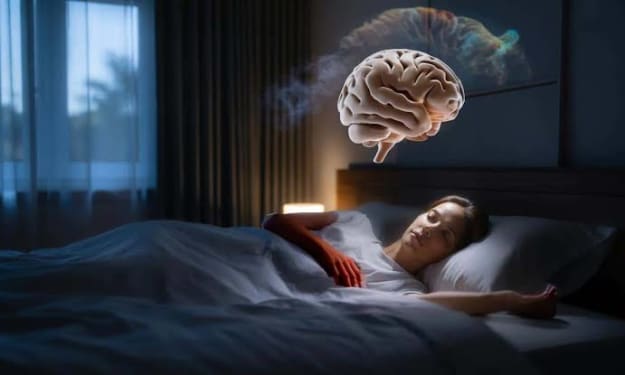
Sleeping in Total Darkness: The Simple Nightly Habit That Strengthens Your Brain and Protects Mental Health. AI-Generated.
How turning off the lights at night can improve sleep, memory, and overall well-being Sleep is essential for physical health, mental clarity, and emotional balance. While most people know that getting enough sleep is important, new research suggests that sleeping in complete darkness—without nightlights, electronic screens, or ambient light—can have profound benefits for your brain and mental health. This simple nightly habit may enhance memory, reduce stress, and protect against cognitive decline, making it a powerful yet overlooked tool for overall wellness. Why Darkness Matters for Sleep The human body relies on circadian rhythms, an internal clock that regulates sleep and wake cycles. Light, particularly blue light from screens, can disrupt melatonin production, the hormone responsible for inducing sleep. Key points include: Melatonin regulation: Darkness signals the body to produce melatonin, helping you fall asleep faster and sleep more deeply. Hormone balance: Proper sleep in darkness supports cortisol regulation, reducing stress and improving emotional stability. Circadian alignment: Sleeping in darkness keeps your internal clock synced with natural day-night cycles, enhancing overall health. Even low levels of light, such as streetlights or electronics, can interfere with these natural processes, reducing the quality of sleep and mental restoration. Brain Benefits of Sleeping in Darkness Sleeping in total darkness is not just about feeling rested—it has direct effects on brain function. Studies suggest that complete darkness during sleep can: Improve memory and learning Deep sleep phases, particularly slow-wave sleep, are critical for memory consolidation. Darkness supports longer periods of uninterrupted deep sleep, which enhances problem-solving and information retention. Boost cognitive performance Sleep in darkness allows the brain to clear toxins accumulated during the day. Improved brain detoxification can reduce mental fog and increase focus. Protect against mental decline Poor sleep and exposure to light at night are linked to higher risks of neurodegenerative diseases such as Alzheimer’s. Maintaining complete darkness during sleep may slow cognitive decline over time. Mental Health Advantages Mental health is closely tied to sleep quality and circadian rhythms. Sleeping in total darkness can help: Reduce anxiety and depression: Better melatonin regulation supports mood stabilization and reduces stress hormones. Improve emotional resilience: Quality sleep strengthens the prefrontal cortex, which manages emotional responses. Enhance stress management: Darkness promotes deeper restorative sleep, which helps the body recover from daily stressors. Even small improvements in sleep quality can have significant effects on mental health and overall emotional balance. Practical Steps to Achieve Total Darkness Implementing this habit is easier than it may seem. Here are some tips: Eliminate electronic light sources Turn off phones, tablets, TVs, and laptops at least 30 minutes before bed. Consider using blue light filters if devices are unavoidable. Block external light Use blackout curtains or blinds to prevent streetlights from entering the room. Sleep masks can be helpful for travelers or those in brightly lit areas. Dim or remove nightlights Even small LED nightlights can interfere with melatonin production. If necessary, use motion-activated red lights, which have minimal impact on sleep. Create a bedtime routine Go to bed at the same time every night to support circadian rhythms. Avoid caffeine or stimulating activities close to bedtime. Consistency is key; sleeping in darkness becomes more effective when paired with regular sleep schedules and healthy lifestyle habits. Research Highlights Several studies highlight the benefits of total darkness during sleep: Sleep and brain health: Research shows that melatonin levels are significantly higher when sleeping in darkness, supporting memory consolidation and brain detoxification. Mental health impact: A 2020 study found that individuals exposed to low light at night had higher rates of depression and anxiety symptoms. Cognitive performance: Participants who slept in complete darkness scored better on memory and attention tasks compared to those exposed to ambient light. These findings underscore that darkness is a critical yet often overlooked factor in restorative sleep. Beyond Sleep: Lifestyle Benefits Adopting total darkness at night may also improve: Energy levels: Quality sleep increases morning alertness and productivity. Metabolism: Proper melatonin and circadian regulation support healthy weight management and metabolic function. Overall wellness: Better sleep contributes to immune system strength, reduced inflammation, and longer lifespan. In short, turning off the lights at night is a low-effort, high-impact habit with benefits far beyond just feeling rested. Conclusion Sleeping in total darkness is a simple yet powerful nightly habit that strengthens the brain, protects mental health, and improves overall well-being. By eliminating even small sources of light, individuals can enhance memory, emotional resilience, and long-term cognitive health. In a world filled with screens, artificial lighting, and constant stimulation, returning to natural darkness during sleep is a small change that can yield lasting benefits. For anyone looking to improve mental health, boost brain function, and enjoy restorative sleep, turning off the lights is a habit worth embracing tonight.
By Fiaz Ahmed 20 days ago in Longevity
The Overlooked Role of Sensory Input in Balance and Movement Stability
Why Balance Is a Sensory Skill—Not Just a Strength Issue How sensory-motor awareness influences stability. Most people assume balance problems come from weak muscles or lack of exercise. While strength plays a role, balance is actually driven by something much deeper: how well your body senses itself in space.
By AhmedFitLife21 days ago in Longevity
Nothing Magic About the Grapefruit Diet
When proponents of a diet plan use the word “magic” to describe how the system they champion works, warning flags need to go up. The diet in question is the Grapefruit Diet. It is one of the oldest, and most imitated, fad diets in existence.
By Dean Traylor21 days ago in Longevity