Latest Stories
Most recently published stories in Longevity.
The New Food Pyramid. AI-Generated.
For decades, the food pyramid has been a familiar symbol of healthy eating in American households. From classroom posters to nutrition labels, it shaped how generations understood balanced diets. However, as science advances and public health challenges grow more complex, nutrition experts and policymakers are rethinking old assumptions. The conversation around the new food pyramid reflects this shift, especially as discussions around the dietary guidelines for Americans 2026 begin to take shape. This evolving model is not just a visual update—it represents changing priorities in health, sustainability, and chronic disease prevention. A Brief Look at the Old Food Pyramid The old food pyramid, introduced in the early 1990s, emphasized carbohydrates as the foundation of daily nutrition. Bread, rice, cereal, and pasta dominated the base, while fats and oils were placed at the very top, signaling they should be consumed sparingly. While well-intentioned, critics argue that the model oversimplified nutrition. It did not distinguish between refined and whole grains, nor did it adequately address added sugars or ultra-processed foods. Over time, rising rates of obesity, diabetes, and heart disease led experts to question whether the old food pyramid vs new approach needed a fundamental rethink. Why the Food Pyramid Is Being Reimagined The push for a new food pyramid 2025 and beyond comes from several factors: New research on metabolic health and inflammation Increased awareness of processed food risks Greater focus on food quality over calorie counting Public demand for transparency in dietary guidelines Nutrition science now recognizes that not all carbohydrates, fats, or proteins are created equal. This understanding has influenced proposals for the food pyramid 2026, which aim to reflect real-world eating patterns rather than idealized charts. The New Food Pyramid 2026: Core Principles The new food pyramid 2026 shifts emphasis from quantity to quality. Instead of focusing solely on food groups, it highlights food sources, preparation methods, and long-term health outcomes. At its foundation, the new model prioritizes whole foods—vegetables, fruits, legumes, nuts, seeds, and high-quality proteins. Refined grains and added sugars move further up the pyramid, signaling moderation rather than daily staples. This structure aligns closely with broader new dietary guidelines 2026, which encourage personalized nutrition rather than one-size-fits-all advice. RFK Jr and the Dietary Guidelines Debate Public discussions around nutrition have gained attention due to high-profile voices. RFK Jr dietary guidelines proposals, for example, emphasize reducing ultra-processed foods and increasing transparency around food additives. While not official policy, the RFK new food pyramid concept has influenced online debate about the future of American nutrition standards. Supporters of the RFK Jr food pyramid argue that modern guidelines should address food industry practices and long-term health risks. Critics caution that any new model must be grounded in peer-reviewed science rather than ideology. Regardless of political perspective, these discussions have helped renew public interest in how dietary guidelines are formed and updated. The Role of Media Figures in Nutrition Conversations Public figures such as Dr Oz have also contributed to discussions about food, wellness, and prevention. While media personalities do not set policy, their influence reflects a growing public desire for clearer, more practical nutrition advice. This cultural shift has played a role in shaping conversations around new food guidelines 2026, especially among audiences seeking alternatives to outdated models. Old Food Pyramid vs New: What’s Changed? The contrast between the old food pyramid vs new is striking: Old model: High emphasis on refined grains New model: Focus on whole, minimally processed foods Old model: Limited distinction between fat types New model: Encourages healthy fats from natural sources Old model: Generic serving sizes New model: Flexibility based on lifestyle and health needs The food pyramid 2025 and food pyramid 2026 concepts are designed to be adaptable, reflecting the diversity of modern diets and cultural preferences. Dietary Guidelines for Americans 2026: What to Expect The upcoming dietary guidelines for Americans 2026 are expected to continue moving away from rigid structures. Instead, they may emphasize patterns of eating rather than strict daily targets. Key themes likely include: Reduced intake of ultra-processed foods Greater emphasis on nutrient density Sustainable food systems Prevention of chronic illness through diet These ideas are consistent with the broader vision behind the new food pyramid, which seeks to educate rather than dictate. Why the New Food Pyramid Matters Nutrition guidance shapes school lunches, healthcare advice, and public health policy. A clearer, more evidence-based new food pyramid could help individuals make better-informed decisions without confusion or guilt. As food environments grow more complex, updated models like the rfk food pyramid discussions—whether adopted or not—highlight the importance of ongoing dialogue. The goal is not perfection, but progress toward healthier populations. Final Thoughts The evolution of the food pyramid reflects more than changing science—it mirrors society’s growing awareness of how food impacts long-term health. While debates around rfk jr dietary guidelines and public figures will continue, the broader movement toward updated dietary guidelines for Americans 2026 signals a meaningful shift. The new food pyramid 2026 is not about rejecting the past, but learning from it. By focusing on whole foods, balance, and sustainability, the next generation of dietary guidance aims to meet modern health challenges with clarity and compassion.
By Saboor Brohi 2 months ago in Longevity
Chilly Robins in the Garden? Put This Out Today and They’ll Start Coming Back Every Single Morning. AI-Generated.
As winter tightens its grip and frost coats the edges of your garden, you might notice that the familiar chirps of robins have become far less frequent. These charming, bright-breasted birds, often symbols of the festive season, are not disappearing; they are simply seeking food and warmth elsewhere. Yet, with a few thoughtful steps, you can turn your garden into a welcoming haven that keeps these delightful visitors returning day after day.
By Fiaz Ahmed Brohi2 months ago in Longevity
Why Your Heart Needs an MRI Even When You “Feel Fine”
Feeling Fine Isn’t the Same as Seeing Fine Your heart doesn’t send push notifications when something small starts to change. It doesn’t flash a warning light for subtle inflammation or tiny areas of scar tissue. It just keeps beating, politely, while problems can develop backstage. That’s why doctors sometimes suggest imaging even when nothing feels off. A heart MRI works like turning on the house lights after a party—suddenly, you see what’s actually there, not just what felt fine in the dark.
By Amelia Grant2 months ago in Longevity
NHS Doctors Dismissed Cancer Symptoms as ‘Women’s Problems’: A Stark Wake-Up Call. AI-Generated.
The National Health Service (NHS), long considered the cornerstone of the United Kingdom’s healthcare system, is facing growing scrutiny after reports emerged that doctors repeatedly dismissed cancer symptoms in women as mere “women’s problems.” For many, this revelation is more than just an administrative failing; it highlights a persistent gender bias in medicine that continues to put lives at risk. A Pattern of Neglect For decades, women have reported experiencing a troubling lack of attention when presenting symptoms of serious illnesses such as ovarian, breast, or pancreatic cancer. Common complaints—abdominal pain, fatigue, unexplained weight loss, and persistent bloating—were often attributed to menstrual cycles, stress, or anxiety. Patients have recounted stories of being told that “it’s just a woman’s thing” or “hormones are probably causing it,” even when their symptoms were severe and persistent. Medical experts now warn that such dismissals are not only negligent but dangerous. Early detection of cancer is crucial for successful treatment. A delay of even a few months can significantly reduce survival rates. When symptoms are minimized or misattributed to gender-specific issues, women are disproportionately at risk of late-stage diagnoses and more aggressive treatments. The Human Cost The impact of these dismissals is deeply personal and devastating. Women often spend months, and sometimes years, trying to convince healthcare providers that their concerns are legitimate. Many have shared stories of repeatedly visiting general practitioners, undergoing inconclusive tests, and returning home without answers. For some, the delay in diagnosis meant the cancer had already advanced to a stage where treatment options were limited and outcomes bleak. Consider the case of Claire Johnson (name changed for privacy), a 42-year-old mother of two, who repeatedly sought help for persistent stomach pain and fatigue. She was told by her GP that her symptoms were “stress-related” and “just part of being a woman.” Only after a severe hospitalization did imaging reveal advanced ovarian cancer. Today, Claire is undergoing intensive treatment, but the delay significantly reduced her chances of full recovery. Gender Bias in Healthcare Medical studies suggest that women’s symptoms are more likely to be dismissed or misdiagnosed than men’s, particularly for diseases that do not present in textbook fashion. Historically, clinical research has often focused on male subjects, leaving gaps in understanding of how illnesses manifest differently in women. This systemic oversight contributes to misdiagnosis, underestimation of risk, and inadequate treatment planning. Dr. Samantha Green, a prominent oncologist, explains, “There’s a long-standing bias where women’s health concerns, particularly pain or vague symptoms, are often minimized. The assumption is that these are ‘women’s problems,’ not serious medical conditions. This mindset is deadly when it comes to cancer.” The NHS Response Following public outcry, NHS officials have acknowledged the problem and emphasized efforts to improve early detection protocols. Initiatives include increasing awareness among general practitioners, revising diagnostic guidelines to consider gender-specific symptom variations, and expanding access to rapid referral pathways for suspected cancer cases. However, advocacy groups argue that awareness campaigns alone are insufficient. They are calling for mandatory training on gender bias in healthcare, systematic audits of diagnostic delays, and stronger accountability mechanisms to ensure that patient complaints are treated seriously. Moving Toward Change The stories emerging from these cases are not just about healthcare failures—they are about societal attitudes toward women’s health. By dismissing symptoms as trivial or gender-related, the medical system perpetuates a culture where women’s suffering is undervalued. Addressing this requires more than protocol adjustments; it demands a fundamental shift in how doctors listen to, assess, and validate patients’ experiences. Some medical practices are already taking steps in the right direction. Clinics are implementing patient-centered diagnostic procedures, ensuring follow-up on persistent complaints, and prioritizing communication training that highlights empathy and attentiveness. These changes, while gradual, signal hope for a system where women’s health concerns are treated with the seriousness they deserve. A Call to Action For women experiencing unexplained symptoms, the message is clear: trust your instincts and advocate for your health. Seek second opinions, ask for thorough investigations, and insist that your concerns are taken seriously. For the NHS and the wider medical community, the mandate is equally clear: dismantle outdated biases, improve diagnostic vigilance, and treat every patient’s concerns as potentially life-saving information. The dismissal of women’s cancer symptoms as mere “women’s problems” is more than a medical oversight—it is a societal failure with life-or-death consequences. By acknowledging the bias, reforming medical practices, and prioritizing early detection, the NHS has the opportunity to save countless lives and restore trust in a system millions rely on every day.
By Fiaz Ahmed Brohi2 months ago in Longevity
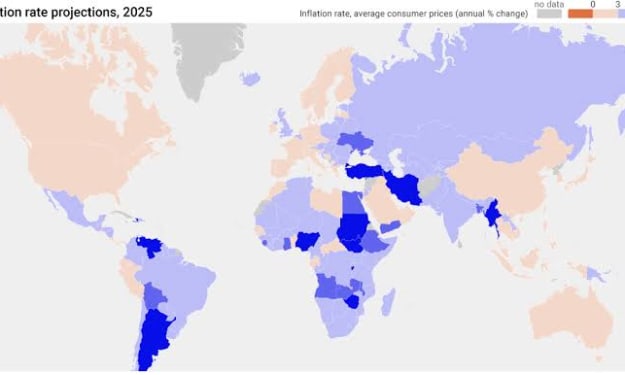
Mapped: Global Inflation by Country in 2025. AI-Generated.
As the world enters 2025, inflation remains a pressing concern, reshaping economies, influencing policymaking, and affecting the daily lives of millions. From soaring grocery bills to rising energy costs, global inflation continues to be a topic of intense scrutiny. Mapping inflation by country provides a revealing snapshot of the economic health of nations and highlights the uneven impact of monetary and fiscal policies worldwide. A Patchwork of Inflation Rates Inflation is far from uniform. While some countries are experiencing moderate price increases, others face alarming surges that threaten economic stability. According to recent global data, the highest inflation rates in 2025 are concentrated in countries grappling with political instability, currency devaluation, or supply chain disruptions. For instance, several emerging markets in Africa and South America report inflation exceeding 50%, reflecting deep structural challenges. Conversely, advanced economies like the United States, the Eurozone, and Japan have managed to keep inflation relatively contained, typically within the 2–4% range. Central banks in these regions continue to employ monetary tools, such as interest rate adjustments and quantitative easing measures, to balance growth with price stability. Yet even here, consumers notice subtle shifts in daily costs—from housing to transport—demonstrating that even moderate inflation has tangible effects. Drivers of Global Inflation in 2025 Several key factors have driven inflation patterns this year. One major contributor is energy prices. The global energy market has been volatile, with oil, gas, and renewable energy infrastructure costs impacting both production and household expenses. Countries heavily reliant on energy imports, particularly in Asia and Europe, have felt these effects acutely. Supply chain disruptions also play a role. While pandemic-related bottlenecks have eased compared to recent years, geopolitical tensions—such as conflicts in Eastern Europe and trade disputes in Asia—continue to create uncertainty. Industries from electronics to food production face challenges in sourcing materials, which in turn drives up prices for consumers. Currency fluctuations are another significant factor. Countries experiencing rapid depreciation of their national currencies see imported goods become more expensive, fueling domestic inflation. Venezuela and Zimbabwe remain extreme examples, where currency crises exacerbate the cost-of-living crisis. Regional Patterns and Surprises Mapping global inflation reveals intriguing regional trends. Latin America continues to experience high inflation, with countries like Argentina and Brazil witnessing double-digit increases due to fiscal deficits and volatile currencies. In contrast, neighboring Chile and Peru maintain relatively stable prices, reflecting stronger monetary frameworks and proactive policy responses. In Africa, inflation hotspots such as Nigeria and Sudan reflect both political instability and rising food costs, while South Africa and Kenya maintain moderate inflation thanks to more effective economic management. Asia presents a mixed picture: India and China have seen manageable inflation, while Pakistan and Sri Lanka confront higher rates due to energy and currency pressures. Europe largely benefits from coordinated policy responses through the European Central Bank and other regional mechanisms, though Eastern European nations face elevated costs due to energy dependence and geopolitical risks. North America remains relatively stable, but the U.S. Federal Reserve continues to weigh inflation control against potential economic slowdown. Implications for Policy and Consumers Global inflation data has profound implications for policymakers. Central banks must balance the need to curb inflation without triggering a recession, often requiring a careful mix of interest rate adjustments, monetary tightening, and stimulus measures. Fiscal policies, including taxation and government spending, also play a crucial role in influencing price levels. For consumers, inflation impacts purchasing power, savings, and lifestyle choices. High inflation erodes income, making essentials like food, housing, and healthcare less affordable. Countries with persistent inflation may also experience social unrest as citizens react to declining living standards. The Path Ahead The 2025 global inflation map underscores the importance of understanding both macroeconomic trends and local contexts. While advanced economies leverage sophisticated monetary tools, developing nations remain vulnerable to external shocks and internal inefficiencies. Economists argue that long-term solutions require structural reforms, improved governance, and diversified economies to withstand price pressures. As the year progresses, monitoring inflation by country provides valuable insight into global economic health. While challenges remain, data-driven strategies offer hope for stabilizing prices and ensuring that economies can grow without imposing unbearable burdens on citizens. In a world of interconnected markets, no nation is immune from the ripple effects of global inflation. By mapping these trends, policymakers, investors, and consumers gain a clearer understanding of where the risks lie—and how to respond to them effectively.
By Fiaz Ahmed Brohi2 months ago in Longevity
Day 4 of Quitting. Top Story - January 2026.
If this is how sobriety feels, maybe it’s better to go through life a little buzzed… this, along with other hits like, I want to kill myself, I wish I was dead, and I’m going to throw myself off a bridge have been the only thoughts on rotation these past few days. I promise myself that if, in a month, I still feel like this (‘this’ meaning despondent, full of rage, and simultaneously numb) I can go back to smoking. Until mid-February though? Nicotine is off the table.
By sleepy drafts2 months ago in Longevity
Ice and Snow Warning for Most of Scotland as Hundreds of Schools Closed. AI-Generated.
Here’s a 700-word article for your requested topic, crafted to be unique, informative, and suitable for Vocal Media readers: Ice and Snow Warning for Most of Scotland as Hundreds of Schools Closed Scotland is bracing for a significant spell of winter weather as meteorologists issue widespread ice and snow warnings across the country. The harsh conditions have prompted authorities to close hundreds of schools, disrupt transportation networks, and urge the public to take extreme caution over the coming days. A Widespread Winter Alert The Met Office has placed most of Scotland under a yellow warning for snow and ice, signaling potentially dangerous conditions. Heavy snowfall is expected in the Highlands, Grampian, and northern coastal areas, with accumulations of up to 20 centimeters in some regions. Authorities warn that icy patches will form on roads, pavements, and rail tracks, increasing the risk of accidents and making travel treacherous. The Scottish government has already confirmed the closure of hundreds of schools, particularly in areas forecasted to receive the heaviest snow. Local councils are advising parents to keep children at home where possible and have promised that remote learning options will be made available. Impact on Transport and Travel Transport services across Scotland are also facing disruptions. Rail operators have warned of potential delays and cancellations, especially on lines running through the northern and central Highlands. Bus services in rural and elevated regions have been scaled back, and ferry services may be affected by high winds and rough seas. Motorists are being urged to avoid unnecessary travel and to equip vehicles with winter essentials such as snow chains, blankets, and food supplies. Police Scotland has issued warnings to drivers to adjust speeds and take extra precautions when driving on icy or snow-covered roads. Airports, including Edinburgh and Glasgow, have prepared for flight delays and cancellations, advising travelers to check with airlines before heading to terminals. Public Safety Measures Emergency services are preparing for a surge in incidents related to the cold snap. Hospitals and health centers have been alerted to anticipate a rise in weather-related injuries, including slips and falls on ice, hypothermia cases, and accidents due to hazardous driving conditions. The Scottish Environment Protection Agency (SEPA) has also issued warnings about potential flooding in areas where heavy snow may melt rapidly. Residents living near rivers and low-lying areas are advised to stay vigilant and follow guidance from local authorities. School Closures and Community Response The closure of schools has prompted a swift response from parents and educators. Many schools are shifting to online learning platforms to ensure continuity of education despite the extreme weather. Headteachers have emphasized that safety is the primary concern and have thanked staff, students, and families for their cooperation. Community centers and local councils are mobilizing volunteers to check on vulnerable residents, particularly the elderly and those living alone. Warm shelters are being opened in areas heavily affected by the snow, providing heated spaces, hot meals, and medical assistance where needed. Economic and Daily Life Implications The extreme weather is expected to have broader implications beyond immediate safety concerns. Retail businesses, transport operators, and service industries may face disruptions due to reduced footfall and logistical challenges. Farmers and livestock owners are advised to take preventive measures to protect animals and crops from freezing temperatures. Energy companies are on high alert as increased demand for heating places additional strain on the power grid. Residents are encouraged to conserve energy where possible and to report any outages immediately. Weather Experts Weigh In Meteorologists say that Scotland is experiencing one of the most severe winter weather patterns of the decade. Dr. Fiona MacKenzie of the Met Office explained: “The combination of low temperatures, heavy snowfall, and icy winds creates hazardous conditions that can affect every aspect of daily life. Residents should treat warnings seriously and limit travel unless essential.” Experts also highlight that climate variability is contributing to the unpredictability and severity of winter weather, underscoring the need for robust preparedness measures. Staying Safe During the Cold Snap Authorities continue to urge the public to follow safety guidance during the extreme weather period. Key recommendations include: Avoid traveling unless absolutely necessary. Keep warm and check on vulnerable neighbors and family members. Use public transport where possible, and follow updates from transport operators. Prepare emergency kits for vehicles and homes, including food, water, blankets, and medical supplies. Conclusion As ice and snow sweep across Scotland, the focus remains on public safety and preparedness. The closure of schools, disruption to transport networks, and activation of community support systems highlight the seriousness of the situation. Residents are advised to stay informed, follow official guidance, and take all necessary precautions to weather the storm safely. The coming days will test Scotland’s resilience to winter extremes, but coordinated efforts between authorities, communities, and individuals aim to mitigate the impact of this severe cold snap, keeping lives and property as safe as possible.
By Fiaz Ahmed Brohi2 months ago in Longevity
Why Some Rooms Drain You Before the Day Is Over
Some rooms leave you tired without you realizing why. You walk in feeling fine. You work, meet, talk, move through the space. And by the time you leave, you feel depleted. Not dramatically exhausted. Just worn down in a way that feels out of proportion to what you actually did.
By illumipure2 months ago in Longevity