Latest Stories
Most recently published stories in Longevity.
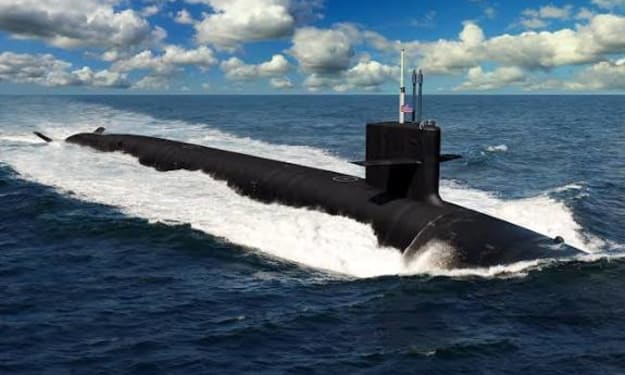
New Naval Power and Propulsion Facility Opens in South Carolina. AI-Generated.
Major investment strengthens US naval readiness, technology, and local economy A new naval power and propulsion facility has officially opened in South Carolina, marking a major milestone for the United States Navy and the country’s defense infrastructure. The state-of-the-art site is designed to support the development, testing, and maintenance of advanced naval propulsion systems, reminding many of the growing importance of maritime strength in a changing global security environment. Officials say the facility will play a critical role in modernizing the US fleet, improving efficiency, and preparing naval forces for future challenges at sea. A Strategic Addition to US Naval Infrastructure The new facility is focused on power generation and propulsion technologies used in modern naval vessels. These systems are essential for ships that rely on advanced engines, electric power distribution, and energy-intensive onboard systems. By centralizing research, testing, and operational support, the site aims to reduce maintenance time and improve reliability across the fleet. Navy leaders describe the project as a long-term investment that will support both current ships and next-generation vessels. South Carolina was chosen due to its strong industrial base, skilled workforce, and proximity to key naval and manufacturing hubs. Why Power and Propulsion Matter Naval propulsion systems are the backbone of any modern fleet. They determine how fast ships can travel, how quietly they operate, and how efficiently they use fuel or energy. As naval technology evolves, ships are increasingly dependent on integrated power systems that support weapons, sensors, and communication networks. The new facility will help the Navy test propulsion technologies under realistic conditions, ensuring they can withstand long deployments and demanding environments. Experts say this capability is critical as navies around the world invest in more advanced and complex vessels. Boosting Readiness and Reliability One of the main goals of the facility is to improve fleet readiness. Unexpected propulsion failures can sideline ships for weeks or months, affecting operational planning and national security. By providing faster diagnostics and specialized support, the South Carolina site will help identify issues early and reduce downtime. Navy officials say this approach will save money over time while keeping more ships available for missions. Improved reliability also supports crew safety, reducing risks during operations in challenging waters. Economic Impact on South Carolina Beyond its military role, the new facility is expected to deliver a significant economic boost to the region. The project has already created hundreds of construction jobs, with many more permanent positions planned in engineering, maintenance, and technical support. Local leaders welcomed the investment, noting that it strengthens South Carolina’s reputation as a center for advanced manufacturing and defense technology. Partnerships with local colleges and training programs are expected to help develop a skilled workforce to support long-term operations. Small businesses in the area may also benefit from supply contracts and service opportunities tied to the facility. Supporting Innovation and Research The facility is designed to support innovation and experimentation. Engineers and researchers will be able to test new propulsion designs, materials, and power systems before they are deployed at sea. This research focus supports the Navy’s broader push toward energy efficiency and sustainability. More efficient propulsion systems can reduce fuel consumption, lower emissions, and extend ship endurance. Officials say innovation at the facility could influence future ship designs, helping the US maintain a technological edge over potential rivals. Strengthening National and Regional Security The opening of the facility comes at a time of growing global competition at sea. Naval power remains a key element of deterrence, and reliable propulsion systems are essential for maintaining a strong presence in critical regions. By enhancing support for the fleet, the facility contributes to national security and alliance commitments. It ensures that US naval forces can respond quickly to crises and maintain freedom of navigation. Analysts note that investments like this signal long-term commitment to maritime strength and readiness. Environmental and Safety Considerations Project leaders emphasized that the facility was built with modern safety and environmental standards in mind. Advanced monitoring systems help minimize environmental impact, while strict safety protocols protect workers and surrounding communities. Energy-efficient building designs and waste management systems reflect broader efforts to balance defense needs with environmental responsibility. Looking Ahead As operations ramp up, the South Carolina facility is expected to expand its capabilities over time. Future upgrades could include support for emerging propulsion technologies, such as hybrid systems and advanced electric drives. Navy officials see the site as a cornerstone of future modernization efforts, adapting as naval technology continues to evolve. Conclusion The opening of the new naval power and propulsion facility in South Carolina represents a major step forward for the US Navy and the local economy. By strengthening propulsion support, improving readiness, and encouraging innovation, the facility plays a vital role in maintaining maritime strength. As global challenges grow more complex, investments in infrastructure like this ensure that naval forces remain prepared, reliable, and ready to meet future demands—both at sea and beyond
By Fiaz Ahmed 20 days ago in Longevity
India and the EU Announce a Landmark Trade Deal. AI-Generated.
India and the European Union have announced a landmark trade deal that could reshape economic ties between two of the world’s most influential markets. The agreement, long in the making, signals a renewed commitment to cooperation at a time when global trade is being tested by geopolitical tensions, supply chain disruptions, and shifting economic priorities. Rather than focusing on short-term gains, this deal reflects a broader strategic vision. Both sides are looking to strengthen resilience, diversify partnerships, and reduce overdependence on any single market. For India, the agreement marks another step in its effort to position itself as a global manufacturing and services hub. For the EU, it offers access to one of the world’s fastest-growing large economies. A Deal Years in the Making Trade discussions between India and the EU have spanned many years, often slowing due to differences over tariffs, market access, labor standards, and environmental regulations. The latest announcement represents a breakthrough, suggesting that both sides were willing to compromise to reach common ground. While the full legal text is expected to be finalized over time, the announcement outlines a shared framework aimed at reducing trade barriers, encouraging investment, and deepening cooperation across key sectors. Officials from both sides have described the deal as forward-looking, emphasizing sustainability, innovation, and inclusive growth. This approach reflects a shift from traditional trade agreements that focused narrowly on tariffs. Instead, the India-EU deal seeks to align economic growth with long-term social and environmental goals. Economic Opportunities for India For India, the agreement opens the door to expanded access to European markets for a wide range of goods and services. Sectors such as textiles, pharmaceuticals, information technology, engineering goods, and agriculture are expected to benefit from smoother trade processes and improved regulatory cooperation. Indian service providers, particularly in technology and professional services, stand to gain from clearer rules and improved mobility frameworks. This could help Indian firms scale operations in Europe while strengthening India’s reputation as a global talent hub. The deal also supports India’s broader economic strategy of attracting foreign investment. European companies, many of which are seeking alternatives to traditional manufacturing centers, may see India as a more attractive destination for production and innovation. Benefits for the European Union From the EU’s perspective, the agreement offers access to a massive consumer market with a growing middle class. European exporters in sectors such as automobiles, renewable energy, luxury goods, and advanced manufacturing are likely to find new opportunities in India. The deal also strengthens the EU’s presence in the Indo-Pacific region, which has become increasingly important in global trade and geopolitics. By deepening ties with India, the EU diversifies its economic partnerships and reinforces its role as a key global trade actor. Additionally, European businesses may benefit from greater regulatory transparency and improved investment protections, making long-term planning in India more predictable. Sustainability and Standards at the Core One of the defining features of the India-EU trade deal is its emphasis on sustainability. Both sides have highlighted commitments related to environmental protection, climate action, and responsible business practices. The agreement is expected to encourage cooperation in clean energy, green technologies, and sustainable supply chains. This aligns with the EU’s broader climate goals and India’s increasing focus on renewable energy and environmental resilience. Labor standards and inclusive growth have also been emphasized. While implementation will take time, the inclusion of these elements reflects a growing recognition that trade agreements must address social concerns alongside economic interests. Strategic Implications Beyond Trade Beyond economics, the deal carries significant strategic weight. In a world where trade is increasingly influenced by politics, the India-EU partnership sends a message about the value of multilateral cooperation and open markets. Both India and the EU have expressed interest in reducing vulnerabilities exposed by recent global crises. Strengthening bilateral trade ties is one way to build more resilient supply chains and reduce exposure to economic shocks. The agreement also complements India’s expanding network of trade partnerships and the EU’s efforts to engage more deeply with emerging economies. Challenges Ahead Despite the optimism surrounding the announcement, challenges remain. Translating a political agreement into practical outcomes requires careful implementation, ongoing dialogue, and trust between stakeholders. Differences in regulatory systems, compliance requirements, and domestic priorities could still create friction. Small businesses, in particular, may need support to fully benefit from new opportunities created by the deal. However, the willingness shown by both sides to reach this point suggests a shared understanding of the long-term value of cooperation. A Step Toward a New Trade Era The India-EU landmark trade deal represents more than just an economic agreement. It reflects a shift in how major economies approach trade in an uncertain world. By focusing on sustainability, strategic partnership, and mutual growth, the deal sets a tone for future international agreements. As details continue to emerge and implementation begins, the true impact of the agreement will become clearer. What is certain, however, is that India and the European Union have signaled their intent to work together more closely, shaping a trade relationship that responds to both present challenges and future opportunities.
By Saboor Brohi 20 days ago in Longevity
The Punishment of Murder
It was one o’clock at night, and Kamran was awake. Sleep had abandoned him, as if it had parted from him forever. His life had become a torment; he was alive, yet not truly living. His body was merely breathing—his mind trapped in despair. He sat in the jail cell, staring at the walls, which seemed to radiate terror. Loneliness gnawed at him from all sides.
By Sudais Zakwan20 days ago in Longevity
When Kindness Turned into a Burden
Some people are so cruel that they snatch trust, confidence, love, and sincerity from others. I have been very sensitive since childhood. My heart has always been extremely soft. Whenever I see someone sad, I become sad myself—whether it is a real person or even a scene from a film or TV drama. Sometimes I become so emotional that I start sobbing uncontrollably. Because of this weakness, I have suffered many losses in life.
By Sudais Zakwan20 days ago in Longevity
Amazon Layoffs. AI-Generated.
Over the past few years, Amazon has been widely recognized as one of the world’s most influential technology and retail companies. From cloud computing through Amazon Web Services (AWS) to global e-commerce and digital entertainment, the company has touched nearly every corner of modern consumer life. However, despite its massive scale and continued relevance, Amazon has also faced a challenging period marked by multiple rounds of layoffs. These workforce reductions have raised questions about the company’s long-term strategy, the health of the tech industry, and the broader future of work. Why Amazon Implemented Layoffs The primary reason behind Amazon’s layoffs can be traced to rapid expansion during the pandemic years. As online shopping surged and remote work became the norm, Amazon significantly increased its workforce to meet growing demand. Warehouses expanded, corporate teams grew, and new projects launched at an accelerated pace. When global conditions shifted—marked by inflation, rising interest rates, and changing consumer behavior—Amazon, like many tech giants, was forced to reassess its spending. Demand stabilized, operational costs increased, and investors began pushing for greater efficiency. Layoffs became a strategic response aimed at balancing growth with long-term sustainability rather than a sign of immediate financial distress. Departments Most Affected Amazon’s layoffs were not limited to a single area. Several divisions experienced workforce reductions, including human resources, recruiting, devices, retail operations, and even parts of AWS. Corporate roles were hit more heavily than frontline warehouse positions, reflecting a broader trend in the tech industry where administrative and project-based teams were scaled back. This approach allowed Amazon to maintain its core logistics and fulfillment operations while trimming roles considered less essential to immediate revenue generation. While this decision made sense from a business perspective, it had a significant emotional and professional impact on employees who had contributed to the company’s growth. Impact on Employees For many workers, Amazon layoffs came as an unexpected and difficult experience. Employees reported feelings of uncertainty, stress, and disappointment, especially those who had relocated or made long-term career plans around their roles. Although Amazon offered severance packages, extended benefits, and job placement support in many cases, the transition was still challenging. Layoffs also affected company morale. Remaining employees faced increased workloads and concerns about job security, leading to discussions around workplace culture and communication. Transparency became a key expectation, with workers seeking clearer explanations about future restructuring and leadership decisions. How Amazon Responded Publicly Amazon leadership framed the layoffs as a necessary adjustment following years of extraordinary growth. Executives emphasized the importance of operating more efficiently and prioritizing projects that directly serve customers and long-term innovation. Public statements highlighted that difficult decisions were made to protect the company’s future and maintain competitiveness in a rapidly changing market. At the same time, Amazon acknowledged the human cost of layoffs and expressed gratitude for employee contributions. This balance between corporate responsibility and business realism was central to the company’s messaging. The Bigger Picture: Tech Industry Trends Amazon’s layoffs were not an isolated event. Major technology companies across the globe implemented similar workforce reductions during the same period. The broader tech industry faced a correction after years of aggressive hiring, fueled by low interest rates and high investor confidence. This shift revealed a new reality: sustainable growth matters more than rapid expansion. Companies began focusing on profitability, operational efficiency, and strategic clarity. In this context, Amazon’s layoffs reflected a larger industry recalibration rather than a unique internal crisis. Effects on Innovation and Growth One concern surrounding layoffs is their potential impact on innovation. Amazon has long been known for experimentation and long-term thinking, often investing in projects that may not generate immediate returns. Reducing staff can limit risk-taking and slow creative development. However, Amazon continues to invest heavily in artificial intelligence, cloud infrastructure, automation, and logistics optimization. By reallocating resources toward high-impact areas, the company aims to remain innovative while operating within tighter financial constraints. What This Means for Job Seekers For professionals in the tech sector, Amazon layoffs serve as a reminder that even the most successful companies are not immune to change. Job seekers are increasingly prioritizing adaptable skills, such as data analysis, cloud computing, cybersecurity, and AI development. Additionally, workers are placing greater value on flexibility, remote opportunities, and diversified career paths. The era of lifelong employment at a single tech giant is fading, replaced by a more dynamic and skills-focused labor market. Looking Ahead: Amazon’s Future Workforce Strategy Despite layoffs, Amazon remains one of the world’s largest employers and continues to hire in key areas. The company’s future workforce strategy appears focused on targeted hiring rather than broad expansion. Roles that support core services, emerging technologies, and customer experience are likely to see continued demand. Amazon’s leadership has indicated that workforce decisions will remain data-driven, with an emphasis on long-term resilience. This suggests that while layoffs may continue periodically, they will be part of a more disciplined approach to growth. Conclusion Amazon layoffs represent a complex intersection of economic reality, corporate strategy, and human impact. While difficult, these decisions reflect a broader shift in how major companies approach growth in an uncertain global environment. For employees, job seekers, and industry observers, Amazon’s experience offers valuable lessons about adaptability, transparency, and the evolving nature of work. As Amazon moves forward, its ability to balance efficiency with innovation—and business goals with employee well-being—will shape not only its own future but also the direction of the global tech industry.
By Saboor Brohi 20 days ago in Longevity
Nipah Virus Outbreak in India Puts Asia on Alert as Airports Reinstate Health Screenings
A recent outbreak of the Nipah virus in India’s West Bengal state has triggered renewed public health measures across Asia, prompting countries to enhance surveillance, reinstate airport screenings reminiscent of the COVID-19 era, and strengthen disease tracking frameworks. Although cases remain limited so far, health officials remain vigilant due to Nipah’s high fatality rate and its potential for human-to-human transmission.
By Raviha Imran20 days ago in Longevity
A Slow Collapse - What Actually Happens When You Ignore Your Body for Decades
Nobody wakes up one day suddenly broken. That's not how it works. What happens is slower. Quieter. More insidious. You wake up at 45 and realize you can't remember the last time you felt actually good. Not "fine." Not "managing." Good. Light. Strong. Capable.
By Destiny S. Harris20 days ago in Longevity
Indonesia Receives Rafale Advanced Fighter Jets From France in Major Upgrade
Southeast Asia strengthens air power with next-generation combat aircraft Indonesia has officially received Rafale advanced fighter jets from France, marking a significant upgrade for its air force. This move strengthens Indonesia’s defense capabilities and reflects its growing commitment to modernizing its military fleet. The Rafale jets, renowned for their speed, agility, and cutting-edge technology, will play a central role in the country’s air defense strategy. The delivery comes amid a region of rising tensions and increasing security challenges, where advanced military technology is critical to maintain balance and deterrence. About the Rafale Fighter Jet The Rafale is a multirole fighter jet developed by France’s Dassault Aviation. It is considered one of the most advanced aircraft in the world, combining speed, maneuverability, and advanced weapons systems. Some key features include: Delta wing design for superior aerodynamics State-of-the-art radar and avionics for detection and targeting Multirole capabilities, able to perform air-to-air combat, air-to-ground strikes, reconnaissance, and nuclear deterrence High precision weaponry and advanced missile systems The Rafale’s versatility allows it to operate in diverse combat scenarios, making it an ideal addition to Indonesia’s growing air force fleet. Indonesia’s Defense Modernization Indonesia’s acquisition of the Rafale jets is part of a broader military modernization program. The country has been upgrading its armed forces to respond to regional security concerns, including territorial disputes in the South China Sea, maritime security threats, and transnational crimes. The introduction of Rafale jets will: Enhance air defense capabilities with superior radar, speed, and weapon systems Boost deterrence against potential threats in Southeast Asia Strengthen Indonesia’s ability to conduct joint military operations with regional allies Provide technology transfer and training opportunities for the Indonesian Air Force Experts say these jets will help Indonesia maintain strategic parity with neighboring nations and improve the country’s overall military readiness. Collaboration Between Indonesia and France The Rafale deal reflects strong defense cooperation between Indonesia and France. Beyond selling the aircraft, France provides training, maintenance support, and technology integration to ensure smooth operations. French officials emphasized that this delivery: Strengthens bilateral relations between the two countries Offers opportunities for joint exercises and knowledge sharing Ensures Indonesia can fully utilize the capabilities of the Rafale fleet The partnership also signals France’s growing role as a key defense partner in Southeast Asia, offering advanced military technology and expertise. Regional Security Implications The delivery of Rafale jets to Indonesia is closely watched by defense analysts across Asia. Southeast Asia is seeing an arms modernization trend, with countries investing in advanced fighter jets, naval vessels, and missile systems to secure their territories. For Indonesia, the Rafale: Sends a clear message of strengthened national defense Enhances the country’s air superiority in potential conflict zones Contributes to maritime security in the region, including the South China Sea Analysts believe that the jets will also allow Indonesia to participate more actively in joint military drills with allies, increasing regional stability and preparedness. Training and Operational Readiness Acquiring the jets is only part of the process. The Indonesian Air Force is undergoing intensive pilot training and technical preparation to operate and maintain the Rafale fleet effectively. Training programs include: Simulated combat exercises to familiarize pilots with advanced avionics Maintenance and repair courses for ground crews Integration of weapons and radar systems into operational routines This ensures that the jets will reach their full operational potential while minimizing risks and maximizing efficiency. Economic and Technological Benefits Beyond military capabilities, the Rafale acquisition has economic and technological benefits for Indonesia. The deal includes technology transfers and joint maintenance programs, which can: Enhance local aerospace and defense skills Create high-skilled jobs in aviation and defense sectors Provide opportunities for future collaboration in defense technology development Experts argue that such acquisitions not only improve defense readiness but also contribute to long-term industrial growth and innovation in the country. Conclusion Indonesia’s receipt of Rafale advanced fighter jets from France marks a major milestone in its military modernization journey. The jets provide cutting-edge capabilities, versatile combat options, and strategic deterrence. By partnering with France, Indonesia gains not only the aircraft but also training, technological support, and operational expertise that ensure the fleet’s effectiveness. In a region with growing security challenges and competitive military modernization, these jets enhance Indonesia’s defense posture while fostering international cooperation. For the Indonesian Air Force, the Rafale is not just an upgrade—it is a strategic leap toward advanced, reliable, and globally competitive air power.
By Fiaz Ahmed 21 days ago in Longevity
Essence, Embodiment, and Relational Reality
The Failure of Reduction and the Need for Synthesis There is a persistent failure in many modern attempts to explain what a human being is. Some frameworks reduce the person entirely to matter, insisting that identity, consciousness, morality, and meaning are nothing more than emergent properties of physical processes. Other frameworks move in the opposite direction, detaching spirit from reason and grounding belief in intuition alone, often at the cost of coherence or accountability. Both approaches fail because both misunderstand essence. One denies that essence exists at all. The other treats it as something vague and undefinable.
By Peter Thwing - Host of the FST Podcast21 days ago in Longevity