Latest Stories
Most recently published stories in Longevity.
Stay on This Stunning Island for Free… If You're Willing to Count Puffins. AI-Generated.
An unforgettable adventure awaits wildlife enthusiasts and travelers alike Imagine waking up to the sound of waves crashing against rugged cliffs, seabirds calling overhead, and endless stretches of untouched nature — all while staying on a stunning island for free. This isn’t a dream or an ad for a luxury resort. It’s a real opportunity offered to travelers willing to take part in a unique conservation project: counting puffins. Yes, you read that right. Some islands in the North Atlantic and Europe are inviting visitors to help monitor puffin populations in exchange for free accommodation, meals, and an unforgettable experience in nature. Why Puffins Need Your Help Puffins, those iconic seabirds with colorful beaks, are more than just cute creatures. They are an important part of coastal ecosystems, acting as indicators of ocean health. In recent years, puffin populations have faced challenges including: Climate change, which affects the availability of fish they feed on Overfishing, reducing their food supply Predators and habitat changes, impacting nesting areas Conservation groups and wildlife organizations need accurate population counts to track trends, plan protections, and understand the effects of environmental changes. This is where volunteer travelers come in. How the Program Works Many islands that host puffin colonies offer programs where visitors can stay for free or at a reduced cost, provided they contribute to conservation work. Responsibilities typically include: Counting puffins during nesting season Recording observations about behavior, nests, and population trends Helping maintain trails or shelters to minimize human impact on the birds Some programs are flexible, allowing volunteers to enjoy free time for hiking, photography, or simply relaxing in stunning surroundings. Others may require more structured participation, depending on the needs of the research team. The Islands Offering This Opportunity Several islands have become popular among conservation-minded travelers: Islands in Iceland – Puffins nest along the cliffs of islands like Vestmannaeyjar. Volunteers can stay in research stations and help count puffins during the summer months. Skomer Island, Wales – Famous for its puffin colonies, the island allows volunteers to assist with population monitoring while experiencing breathtaking coastal scenery. Faroe Islands – Remote and picturesque, these islands host programs where visitors can stay in eco-lodges in exchange for wildlife observations. Norwegian islands – Some local conservation groups welcome volunteers to help track puffins and other seabirds in the Arctic region. Each location offers stunning landscapes, unique wildlife, and a chance to make a real difference in conservation efforts. What You’ll Experience Volunteering to count puffins is more than just work; it’s a life-changing experience. Here’s what you can expect: Close encounters with wildlife – Watching puffins up close, hearing their calls, and observing their behavior in natural habitats. Breathtaking scenery – Rugged cliffs, sparkling waters, and panoramic views that feel straight out of a travel magazine. Cultural immersion – Many islands have local communities, offering the chance to learn about traditions, food, and history. Skill development – Volunteers gain experience in wildlife monitoring, research methods, and ecological awareness. Participants often describe the experience as both relaxing and rewarding, combining adventure with a meaningful contribution to science. Who Can Participate? These programs are generally open to anyone over 18, though some locations may have age limits or physical requirements. Ideal participants: Nature enthusiasts who enjoy outdoor activities Amateur bird watchers or photography enthusiasts Students or researchers interested in ecology or conservation Travelers seeking unique, budget-friendly experiences No previous experience is typically required. Organizations provide training and guidance to ensure accurate data collection and safety on rugged terrain. Benefits Beyond Free Accommodation While staying on a beautiful island for free is an amazing perk, there are other benefits too: Meaningful contribution – You’ll help scientists understand and protect puffin populations. Networking opportunities – Meet other like-minded volunteers from around the world. Personal growth – Living in remote locations fosters resilience, patience, and adaptability. Memorable adventure – Few travel experiences compare to sleeping on an island surrounded by wildlife and ocean views. It’s a unique blend of vacation and volunteering, making it an ideal choice for travelers seeking something different from typical tourist experiences. How to Get Involved If you’re interested in participating, here’s how to start: Research locations – Check websites of conservation organizations and local tourism boards. Check availability – Many programs require advance registration, especially during puffin nesting season. Prepare for conditions – Remote islands can be cold, windy, or wet; pack suitable clothing and gear. Follow guidelines – Respect wildlife rules, stay safe, and ensure you record accurate data. Some programs may provide meals and transportation, but it’s wise to check details in advance. Volunteers who commit fully often have the most rewarding experience. Conclusion Staying on a stunning island for free while counting puffins offers a rare combination of adventure, education, and meaningful contribution. It’s an opportunity to connect with nature, contribute to conservation, and experience landscapes few travelers ever see. Whether you’re a wildlife enthusiast, a student, or just someone looking for a budget-friendly adventure, volunteering for puffin counting can create memories that last a lifetime. So, if you’ve ever dreamed of living on a remote island surrounded by seabirds, this could be your chance — all it takes is a willingness to look closely, count carefully, and enjoy the beauty of the natural world.
By Fiaz Ahmed 15 days ago in Longevity
Why Mental Health Is True Wealth
At 29, I had everything I thought I wanted. The six-figure salary. The corner office with the city view. The luxury apartment, the designer clothes, the envious looks from old classmates at reunions. I'd climbed the ladder fast, sacrificed everything to get there, and finally made it.
By Fazal Hadi15 days ago in Longevity
Child-Free Spaces on Trains? This Isn’t the Family-Friendly. AI-Generated.
The debate over designated quiet zones and child-free train areas Public transportation is meant to serve everyone — commuters, travelers, families, and tourists alike. But in recent months, some train operators in the UK and other countries have explored “child-free” or quiet zones on certain trains, sparking debate among passengers and the wider public. These areas, designed to offer peace and quiet to adults, have left some questioning whether public transit should really segregate passengers by age or family status. What Are Child-Free or Quiet Zones? Child-free or quiet zones are train carriages or compartments where children under a certain age are not allowed, or where noise must be kept to a minimum. Typically, these zones are meant for: Business travelers working on laptops Adults seeking quiet on long commutes Passengers wishing to rest or read without disruption Many train companies also offer “quiet carriages”, where phones, music, and loud conversations are discouraged, but these are different from officially child-free spaces, which explicitly restrict children from boarding. Why Some People Support Child-Free Spaces Supporters of these zones argue that they provide necessary relief for adult passengers who need quiet or focus. Some points in favor include: Improved productivity – Adults traveling for work can complete tasks without distraction. Stress reduction – Quiet zones help reduce anxiety or stress for those who prefer calm environments. Choice and fairness – Just as there are family-friendly trains, supporters argue, adults deserve spaces tailored to their needs. For example, a business traveler on a long train ride may welcome the option to work uninterrupted or take a nap without worrying about loud children nearby. The Controversy Despite the arguments in favor, child-free zones have drawn criticism from parents and child advocates. Opponents claim these areas: Exclude families from public spaces – Public trains are meant to be inclusive for everyone, including children. Encourage segregation – Critics say it creates a sense of “othering,” implying that children are disruptive or unwelcome. Ignore practicality – Many parents point out that children need to travel, sometimes for long distances, making it unreasonable to limit access. The debate often intensifies on social media, with heated discussions over whether quiet zones are necessary or discriminatory. The Impact on Families For families traveling with children, the introduction of child-free zones can feel restrictive and exclusionary. Parents often say they already face limited seating and amenities on trains, and losing access to specific carriages makes travel more stressful. Some parents also argue that teaching children social norms and acceptable behavior in public spaces is part of growing up, and removing them from quiet areas sends the wrong message about public etiquette. Rail Companies Respond Rail operators have taken various approaches to balance both perspectives: Designated quiet carriages – Some companies encourage quiet behavior without banning children outright. Flexible policies – Notices remind passengers that children are welcome but should behave considerately. Family carriages – Conversely, trains may include family-friendly carriages equipped with space for strollers and play areas, so families have options without disrupting others. Operators emphasize that the goal is passenger satisfaction, not exclusion. Surveys suggest that most travelers value having both quiet spaces and family areas, creating a compromise rather than a conflict. Global Perspective This debate isn’t limited to the UK. Across Europe and Asia, train companies have experimented with quiet cars, adult-only coaches, or premium compartments: Japan – Many Shinkansen bullet trains have quiet cars where phone calls are prohibited. France – TGV trains include “silence zones” that restrict phone use but not children. Germany – ICE trains promote quiet compartments but rely on etiquette rather than age restrictions. These examples suggest that quiet spaces can exist without excluding children, offering a balanced approach that serves both adults and families. What Passengers Think Opinions among passengers are divided: Adults seeking peace often say quiet zones are essential for comfort. Parents argue that public transport is not a luxury space, and children have a right to travel without being restricted. Some rail users advocate for better enforcement of existing quiet zones rather than banning children entirely. Polls indicate that while quiet spaces are popular, the idea of completely child-free zones is more controversial, with strong feelings on both sides. Finding a Middle Ground Experts suggest compromise solutions that respect all passengers: Enforced quiet zones – Adults and children are welcome, but rules around noise are strictly applied. Family-friendly carriages – Clearly designated spaces for parents and children reduce conflicts. Optional reservation systems – Passengers can choose quiet or family areas when booking, giving everyone control. Public awareness campaigns – Remind passengers to behave considerately without resorting to bans. The key is to balance adult needs for calm with the rights of children and families to access public transport. Conclusion The discussion around child-free spaces on trains is more than just about noise — it’s a reflection of how public spaces balance the needs of diverse passengers. While adults may value quiet areas for work or relaxation, families also deserve access to public transport without feeling unwelcome. Rather than outright bans, flexible solutions like quiet zones with clear rules, family-friendly carriages, and reservation systems may provide the best compromise. Ultimately, public transportation must remain inclusive, respectful, and adaptable, serving everyone from parents with toddlers to business travelers seeking peace. Finding this balance is essential for making trains a truly family-friendly and adult-friendly space at the same time.
By Fiaz Ahmed 15 days ago in Longevity
The UK’s Oldest Rollercoaster to Close Permanently After 106 Years. AI-Generated.
A historic ride ends as the amusement park landscape continues to evolve After more than a century of thrilling rides, the UK’s oldest rollercoaster is set to close permanently, marking the end of an era for enthusiasts and visitors alike. The iconic attraction, which has been a fixture of British amusement parks since the early 20th century, has welcomed generations of thrill-seekers, families, and tourists. Its closure is part of a broader trend in the amusement park industry, where historic rides are increasingly being replaced by modern attractions designed to appeal to new audiences. A Century of Thrills The rollercoaster first opened 106 years ago, at a time when amusement parks were emerging as a popular form of leisure. For decades, it has been a symbol of fun, innovation, and family entertainment, surviving wars, economic changes, and evolving entertainment trends. For many, the ride is more than just a coaster—it is a cultural landmark, evoking memories of childhood summers, school trips, and local festivals. Its unique wooden structure and classic design have made it instantly recognizable and a favorite for photography and nostalgia enthusiasts. Why the Closure is Happening Park management cites several reasons for the permanent closure: Rising maintenance costs: Older rides require constant upkeep to meet modern safety standards. Structural concerns: Wood and metal wear over time, and renovations would be costly. Changing visitor expectations: Modern audiences seek faster, more high-tech experiences. Space for new attractions: Parks need to innovate to remain competitive and attract visitors. While the closure may disappoint loyal fans, park officials stress that safety and sustainability are top priorities. A Look Back at Its History Over its 106-year history, the rollercoaster has survived many challenges: Weather damage and storms Economic recessions affecting park attendance Technological changes in ride engineering Shifts in amusement park design and themes Despite these hurdles, the coaster remained operational until now, a testament to its engineering durability and the dedication of park staff. Community and Visitor Reactions News of the closure has triggered strong reactions from the public: Longtime visitors have shared personal stories and memories online. Local historians have highlighted the rollercoaster’s cultural and architectural significance. Amusement park enthusiasts expressed sadness over losing a ride that represents a link to the early days of British leisure culture. Some fans have organized farewell visits, taking one last ride and commemorating the coaster’s place in UK history. The Significance of Historic Rides Historic amusement rides are more than entertainment—they are living museums, reflecting social change, engineering evolution, and community tradition. Rides like this rollercoaster show how leisure, innovation, and family culture intersected over a century. Preserving the memory of these attractions often involves: Archival photographs and blueprints Museum exhibitions Documentaries and local heritage projects Even if the ride itself closes, its legacy can inspire future generations of engineers, designers, and history enthusiasts. The Future of the Park The park has announced plans to replace the rollercoaster with new attractions, aiming to attract younger audiences while maintaining safety and modern standards. Upcoming developments may include: High-speed rollercoasters with advanced technology Interactive rides and VR experiences Family-friendly zones with immersive storytelling While nostalgia plays an important role, amusement parks are businesses that must adapt to changing demands. The closure is part of a careful balance between heritage and progress. A Farewell to a Legend For many, the rollercoaster will always represent the heart of the park, symbolizing over a century of laughter, excitement, and community moments. Its closure is a reminder that time changes even the most beloved attractions, but memories endure. Visitors are encouraged to celebrate the coaster’s long run, share stories, and reflect on how much amusement parks have shaped leisure culture in the UK. Conclusion The UK’s oldest rollercoaster may close after 106 years, but its legacy of thrills, nostalgia, and cultural significance will remain in the hearts of those who rode it. As amusement parks continue to modernize, this historic ride serves as a reminder of the power of simple joy, engineering ingenuity, and community connection. While the structure may no longer operate, the memories and stories of generations of visitors will ensure that the coaster’s place in UK history is never forgotten.
By Fiaz Ahmed 15 days ago in Longevity
Pakistan Becomes Latest Asian Country to Introduce Checks for Deadly Nipah Virus. AI-Generated.
Health authorities step up surveillance as regional concerns over virus spread grow Pakistan has become the latest Asian country to introduce health screening and monitoring measures to guard against the deadly Nipah virus. The move follows rising regional concern as neighboring countries strengthen their disease surveillance systems to prevent potential outbreaks. Health officials say the checks are precautionary but necessary. Nipah virus infections, while rare, have a high fatality rate and no specific cure, making early detection and prevention critical. What Is the Nipah Virus? Nipah virus is a zoonotic disease, meaning it can spread from animals to humans. It was first identified in the late 1990s and has since caused sporadic outbreaks in South and Southeast Asia. The virus is commonly linked to: Fruit bats, which are natural carriers Contaminated food or drink Close contact with infected individuals Symptoms can range from mild fever and headache to severe respiratory illness and brain inflammation, which can be fatal in many cases. Why Pakistan Is Taking Action Now Pakistan’s decision to introduce checks reflects growing regional awareness of the virus’s potential impact. Recent alerts from international health organizations have urged countries to remain vigilant, especially those with: Dense populations Shared borders High levels of regional travel Pakistani health authorities have emphasized that no outbreak has been confirmed in the country, but preventive measures are essential to protect public health. What the New Checks Include The newly introduced measures focus on early detection and containment. These include: Health screening at airports and border crossings Monitoring of travelers arriving from affected regions Increased hospital preparedness Awareness campaigns for healthcare workers Officials say these steps will help identify potential cases quickly and prevent local transmission. Lessons From Past Outbreaks Previous Nipah outbreaks in Asia have shown how quickly the virus can spread if not detected early. In some cases, delays in diagnosis led to: Overwhelmed healthcare systems High death rates Fear and misinformation Learning from these experiences, Pakistan aims to act before any suspected cases escalate. Public Health Preparedness Health experts stress that preparedness goes beyond screening. Hospitals and clinics across Pakistan are being advised to: Recognize early symptoms Follow strict infection control protocols Report suspected cases promptly Training sessions and updated guidelines are being shared with medical professionals to ensure a coordinated response. Regional Cooperation Matters The Nipah virus does not respect borders. Public health specialists highlight the importance of regional cooperation, including: Information sharing between countries Coordinated surveillance efforts Joint research and response planning Pakistan’s move aligns it with other Asian nations that have already increased monitoring and preparedness. Public Awareness Is Key Authorities are also urging the public to remain informed without panic. Health officials recommend: Avoiding consumption of uncovered or contaminated food Practicing good hygiene Seeking medical attention if unusual symptoms appear after travel Clear communication, experts say, helps prevent fear while encouraging responsible behavior. Challenges Ahead While the new checks are a positive step, challenges remain. These include: Limited healthcare resources in rural areas Need for consistent training across regions Managing misinformation on social media Officials acknowledge that sustained investment and public cooperation are essential for long-term success. Why Vigilance Matters Nipah virus outbreaks are rare, but their consequences can be severe. With no vaccine currently available, prevention and early response remain the strongest defenses. By introducing checks now, Pakistan aims to reduce risks and reassure the public that health authorities are taking proactive steps. Conclusion Pakistan’s decision to introduce checks for the deadly Nipah virus reflects a growing understanding of the importance of early prevention and preparedness. While no confirmed cases have been reported, the measures show a commitment to safeguarding public health amid regional concerns. As global travel and regional movement continue to increase, vigilance against emerging diseases is more important than ever. Pakistan’s proactive approach sends a clear message: when it comes to public health threats, prevention is better than reaction.
By Fiaz Ahmed 15 days ago in Longevity
Catherine Joins Wellbeing Walk in the Peak District. AI-Generated.
A public moment that highlights the power of nature, recovery, and mental health Catherine’s recent wellbeing walk in the Peak District has drawn widespread attention, not just because of who she is, but because of what the moment represents. Taking part in a gentle walk through one of Britain’s most scenic national parks, Catherine highlighted the growing importance of mental health, recovery, and the healing role of nature in everyday life. The event was calm and understated, yet deeply symbolic. It showed how time outdoors, simple movement, and connection with others can support wellbeing—messages that resonate strongly with people across the UK and beyond. A Walk With a Purpose The wellbeing walk was designed to promote the benefits of physical activity and time in nature for mental and emotional health. Rather than focusing on performance or distance, the walk emphasized mindfulness, reflection, and shared experience. Catherine’s participation added visibility to the initiative, encouraging people of all ages to consider how small, manageable activities can make a meaningful difference to overall wellbeing. Her presence reinforced the idea that wellness is not about perfection, but about balance and consistency. Why the Peak District Matters The Peak District, known for its rolling hills, open landscapes, and quiet trails, provided an ideal setting for the event. As the UK’s first national park, it has long been associated with: Accessibility to nature Mental clarity and stress reduction Physical activity for all ability levels Studies have shown that spending time in green spaces can reduce anxiety, improve mood, and support long-term mental health. By choosing the Peak District, the walk highlighted how local natural spaces can be powerful tools for wellbeing. The Link Between Nature and Mental Health Mental health professionals often emphasize the value of nature-based activities. Walking outdoors offers several benefits: Gentle exercise that supports heart and joint health Reduced stress through fresh air and natural surroundings Improved focus and emotional balance Opportunities for social connection Catherine’s involvement helped bring these benefits into public conversation, encouraging people to prioritize their mental health in simple, practical ways. A Message of Balance and Recovery While the walk itself was modest, its message was significant. Catherine’s participation reflected a broader shift toward open conversations about health, recovery, and self-care. Public figures increasingly use their platforms to normalize rest, reflection, and gradual healing. By choosing a low-pressure, nature-focused event, Catherine demonstrated that wellbeing does not require dramatic gestures. Sometimes, progress comes through small steps, taken consistently and with intention. Public Response and Awareness The public response to the wellbeing walk was largely positive. Many people praised the focus on mental health and the reminder that: Wellness looks different for everyone Recovery is not linear Taking time for oneself is not a weakness Social media discussions reflected appreciation for the walk’s simplicity and authenticity. For many, it served as a reminder to slow down and reconnect with both nature and personal wellbeing. Encouraging Community Participation Beyond the symbolic value, the event also encouraged community engagement. Wellbeing walks are accessible, low-cost activities that can be organized by: Local councils Health organizations Community groups Schools and workplaces Catherine’s involvement helped raise awareness of how communities can support mental health through inclusive outdoor activities. The Role of Public Figures in Mental Health Advocacy Public figures have a unique ability to shape conversations around health. When they participate in events like wellbeing walks, they help: Reduce stigma around mental health Encourage early self-care Promote healthier lifestyle choices Catherine’s presence sent a clear message that mental health deserves attention and care, regardless of status or background. Looking Ahead The wellbeing walk in the Peak District may seem like a small moment, but its impact extends beyond a single day. It reinforces the importance of: Staying active in gentle, sustainable ways Using nature as a source of healing Supporting open dialogue about mental health As more people seek balance in a fast-paced world, events like this offer a reminder that wellbeing often begins with simple actions and mindful choices. Conclusion Catherine joining a wellbeing walk in the Peak District was more than a public appearance—it was a statement about the value of nature, movement, and mental health. The event highlighted how small, intentional activities can support recovery and emotional wellbeing. By choosing a peaceful walk in one of the UK’s most beautiful landscapes, Catherine helped amplify a message that resonates widely: taking care of mental health starts with slowing down, stepping outside, and taking one step at a time.
By Fiaz Ahmed 15 days ago in Longevity
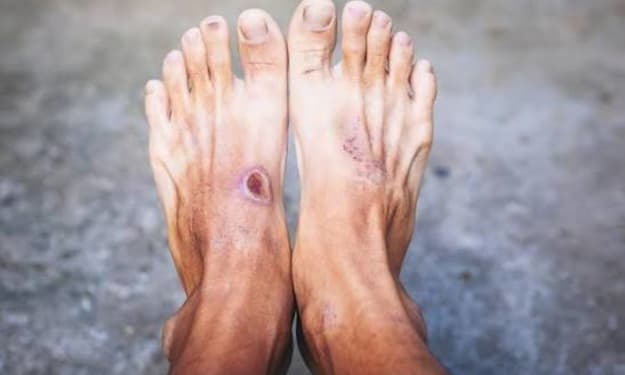
Diabetic Foot Ulcer
A diabetic foot ulcer (DFU) is one of the most serious and common complications of long-standing diabetes mellitus. These open wounds, usually located on the sole of the foot or toes, occur due to a combination of nerve damage, poor circulation, and impaired wound healing. If left untreated, diabetic foot ulcers can lead to severe infections, hospitalization, and even lower-limb amputation. Understanding early symptoms, appropriate treatment, and long-term management is essential for improving outcomes and quality of life in people with diabetes.
By benjamin taylor15 days ago in Longevity
How a Cut on the Foot Led to a Dangerous Infection While Pregnant. AI-Generated.
Small injuries can become serious health risks during pregnancy Pregnancy is a time when even minor injuries can have significant consequences. A simple cut on the foot, often seen as trivial, can sometimes lead to dangerous infections, particularly during pregnancy. The combination of changes in the immune system, circulation, and hormonal shifts can make pregnant individuals more vulnerable to complications. Medical professionals emphasize that prompt attention to cuts, scrapes, and wounds is essential to prevent infections that could threaten both the mother and the baby. The Case of a Cut That Escalated Consider the story of Emma, a 28-year-old pregnant woman. While gardening, she accidentally cut her foot on a thorn. Initially, she cleaned the wound, applied a bandage, and thought little of it. However, within a few days, she noticed: Redness spreading around the cut Swelling and warmth Increasing pain Mild fever By the time she sought medical care, the infection had progressed significantly. Tests revealed a bacterial infection that required immediate treatment to prevent more severe complications. Why Pregnancy Increases Risk During pregnancy, the body undergoes several changes that make infections more dangerous: Weakened Immune Response The immune system adapts to support the developing fetus, which can reduce the body’s ability to fight off bacteria effectively. Changes in Blood Circulation Increased blood volume and changes in circulation can sometimes slow the healing process and allow infections to spread more easily. Hormonal Shifts Hormones like progesterone affect skin elasticity and tissue repair, which may make cuts more susceptible to bacteria. These factors combined mean that a small cut can quickly escalate into a serious infection if not treated promptly. Signs of Infection to Watch For Medical experts recommend that pregnant individuals pay close attention to any wound, even if it seems minor. Common warning signs include: Redness and swelling beyond the cut itself Pus or unusual discharge Warmth or throbbing pain Fever or chills Rapid spreading of the affected area If any of these symptoms appear, seeking immediate medical attention is critical to prevent further complications. Potential Complications Left untreated, infections during pregnancy can lead to serious issues for both mother and baby, including: Sepsis: A life-threatening systemic infection that can spread through the body Preterm labor: Infections can trigger early contractions Low birth weight: Maternal infections may affect fetal growth Necrotizing infections: Severe bacterial infections that destroy tissue These risks underscore the importance of treating even small injuries seriously. Steps to Prevent Infection Pregnant individuals can take practical steps to reduce the risk of infection from minor cuts: Clean the Wound Immediately Use mild soap and water to remove dirt and debris. Avoid harsh chemicals that can irritate the skin. Apply an Appropriate Dressing Cover the wound with a clean bandage and change it regularly to keep the area protected. Monitor Closely Check the cut daily for redness, swelling, or discharge. Seek Prompt Medical Advice If signs of infection appear, consult a healthcare provider immediately. Antibiotics may be prescribed, and certain medications are safe to use during pregnancy under medical supervision. Maintain General Health A balanced diet, good hydration, and proper prenatal care strengthen the immune system and support wound healing. When to Contact a Doctor Even if a cut seems minor, pregnant individuals should contact a healthcare provider if: The wound does not start healing within a couple of days Redness or swelling spreads quickly There is pus, foul odor, or discharge Fever or chills develop Early treatment can prevent serious complications and ensure both mother and baby remain safe. Lessons From Real Cases Emma’s story is not unique. Healthcare providers report numerous cases where minor injuries escalated during pregnancy due to delayed care or underestimating the risks. These examples highlight the importance of awareness and taking even small injuries seriously. Pregnancy requires extra caution because the body’s natural defenses are temporarily altered, and infections can progress more rapidly than in non-pregnant individuals. Conclusion A cut on the foot may seem minor, but during pregnancy, even small wounds can lead to dangerous infections. Changes in the immune system, circulation, and hormones increase susceptibility and can make complications more severe. Pregnant individuals should treat every cut seriously, monitor for warning signs, and seek medical attention promptly. Early action can prevent serious health risks and ensure the safety of both mother and baby. This case serves as a reminder that vigilance, care, and prompt medical consultation are essential during pregnancy—even for seemingly small injuries.
By Fiaz Ahmed 15 days ago in Longevity
Major Study Links Being a Night Owl to Higher Heart Attack and Stroke Risk. AI-Generated.
New research suggests late-night habits may affect heart health A recent major study has revealed a significant link between being a night owl—someone who prefers staying up late and waking up late—and a higher risk of heart attack and stroke. The findings add to a growing body of research suggesting that sleep patterns can have a major impact on cardiovascular health, beyond just the number of hours slept. Researchers analyzed the health outcomes of tens of thousands of participants, tracking their sleep habits, lifestyle, and medical histories. The results suggest that people who go to bed late and rise late may face increased cardiovascular risks, even when controlling for factors like age, diet, and physical activity. What the Study Found The study observed participants over several years, examining the relationship between sleep timing and cardiovascular events. Key findings include: Night owls were more likely to suffer heart attacks and strokes compared to early risers. The risk was especially pronounced among those who consistently stayed up past midnight. Late sleepers often had higher levels of stress, disrupted circadian rhythms, and poorer metabolic health, which could contribute to heart problems. The research does not suggest that staying up late automatically causes heart disease, but it highlights a strong correlation between late-night habits and cardiovascular risk. Why Night Owls May Be at Greater Risk Experts point to several factors that may explain why night owls are more vulnerable: Circadian Rhythm Disruption The body’s internal clock regulates sleep, hormone release, and metabolic functions. Late-night habits can disrupt this rhythm, affecting heart rate, blood pressure, and inflammation levels. Lifestyle Factors Night owls may engage in behaviors that increase cardiovascular risk, such as irregular eating patterns, late-night snacking, or reduced physical activity during daylight hours. Sleep Quality and Duration Even when night owls get enough total sleep, their sleep may be less restorative due to misalignment with natural light-dark cycles. Poor-quality sleep is a known risk factor for heart disease. Stress and Hormonal Imbalance Irregular sleep schedules can increase stress hormones like cortisol, which can raise blood pressure and contribute to heart disease over time. Health Implications for Night Owls For those who naturally prefer staying up late, the study emphasizes the importance of proactive heart health management. Recommendations include: Regular Check-Ups: Monitoring blood pressure, cholesterol, and blood sugar can help detect early signs of cardiovascular risk. Consistent Sleep Schedule: Even night owls can benefit from gradually aligning their sleep with natural circadian rhythms. Healthy Lifestyle Choices: Regular exercise, a balanced diet, and limiting late-night snacking can reduce risk factors. Stress Management: Meditation, mindfulness, and relaxation techniques can counter the effects of disrupted sleep on stress hormones. Medical professionals stress that small adjustments can make a meaningful difference for long-term heart health. Broader Research Context This study adds to a growing recognition that chronotype—whether someone is a morning or evening person—matters for health outcomes. Previous research has linked night owl tendencies to: Higher rates of obesity and diabetes Increased risk of depression and anxiety Lower overall life expectancy in some population studies By focusing specifically on heart attack and stroke risk, this study provides more targeted insight into the cardiovascular consequences of late-night habits. Not All Night Owls Are at Equal Risk It’s important to note that not all night owls face the same level of risk. Factors such as genetics, overall health, diet, and exercise habits play a significant role. Additionally, occasional late nights are unlikely to cause serious heart problems; the risk is more associated with consistent late-night behavior over years. Experts encourage people to assess their overall lifestyle rather than focus solely on sleep timing. Adjusting habits gradually can help mitigate risk without completely changing natural sleep preferences. Advice for Individuals and Employers The findings have implications not just for individuals but also for workplaces: Employers may consider flexible scheduling to accommodate natural chronotypes, helping employees get restorative sleep. Public health campaigns could raise awareness about the link between sleep patterns and cardiovascular health. Individuals can take control by tracking sleep patterns and making incremental changes to improve alignment with natural rhythms. Small shifts, such as going to bed 30 minutes earlier or limiting late-night screen exposure, can improve sleep quality and support heart health over time. Conclusion The study linking night owl habits to higher heart attack and stroke risk highlights the importance of sleep timing as a key factor in cardiovascular health. While staying up late is a natural preference for many, consistent late-night routines may contribute to increased heart risks over time. Experts recommend monitoring overall health, maintaining a consistent sleep schedule, and adopting healthy lifestyle habits. By making small, informed adjustments, night owls can protect their hearts and reduce the risk of serious cardiovascular events. This research underscores a simple yet powerful message: when you sleep may be just as important as how long you sleep.
By Fiaz Ahmed 15 days ago in Longevity
Most People Don't Feel Unhealthy ...Until Their Body Starts Limiting Their Life
Most people don't wake up one day and feel unhealthy. That's the problem. Decline doesn't announce itself. It blends in. It feels like stress. Like being busy. Like getting older. Like a phase that will pass once things calm down.
By Destiny S. Harris15 days ago in Longevity