
Creatine Side Effects: What Gym-Goers Need to Know
Unpacking Risks and Benefits of This Popular Supplement

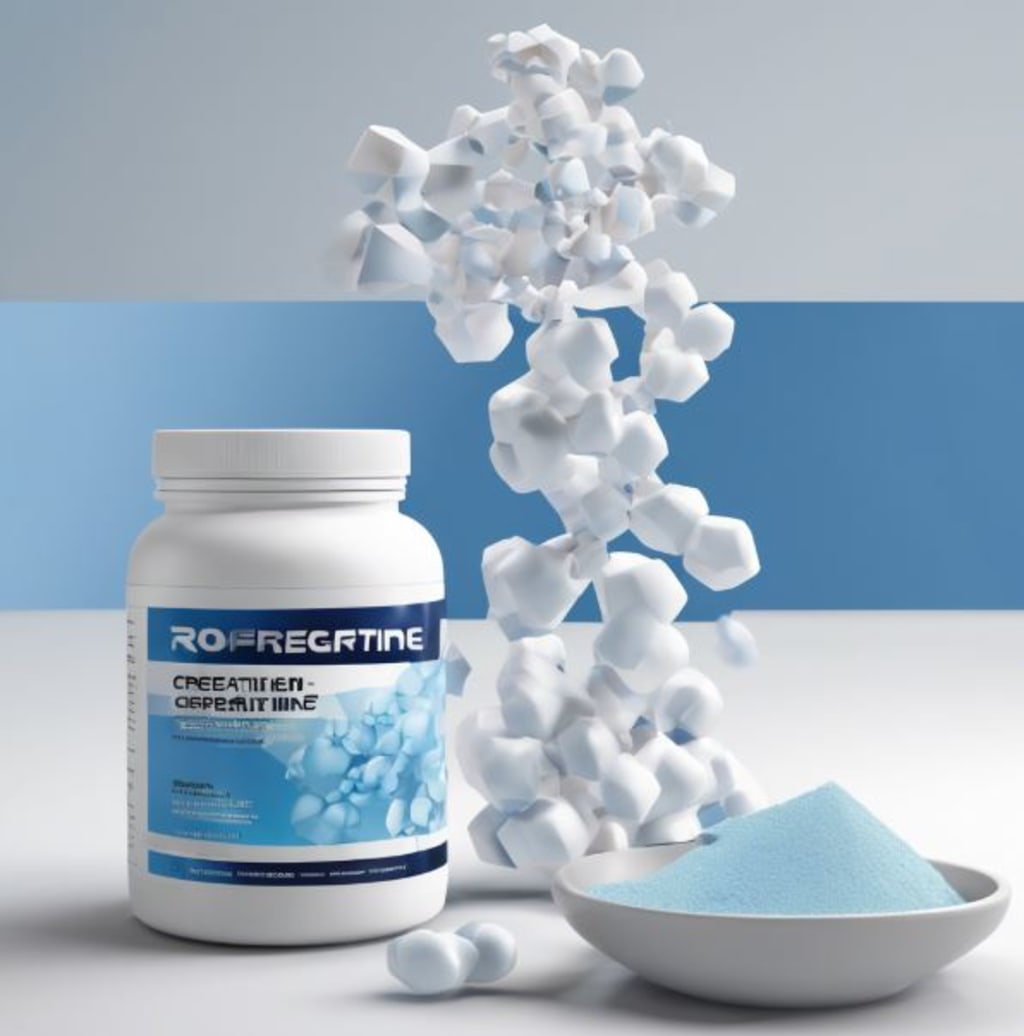
Creatine ranks as one of the most studied supplements in sports nutrition, with over 1,000 research studies backing its safety and effectiveness. While many gym-goers worry about creatine side effects, research shows that this supplement is generally safe when used correctly. Understanding proper usage, from choosing quality products to following recommended protocols, helps maximize benefits while minimizing potential issues. This guide examines what current creatine supplement research reveals about side effects, proper supplementation strategies, and how to optimize your results safely.
Identifying Quality Supplements
Selecting high-quality creatine supplements requires understanding several key factors that determine product safety and effectiveness. The supplement industry's light regulation makes it crucial to know how to evaluate products properly.
Choosing Reliable Brands
Quality manufacturers demonstrate commitment to excellence through transparent production processes and consistent testing protocols. When evaluating brands, focus on those with established reputations and clear quality control measures. Reputable manufacturers invest in rigorous testing procedures and maintain detailed documentation of their production processes. Look for companies that openly share information about their ingredient sourcing and manufacturing standards.
Reading Labels Effectively
Understanding supplement labels helps ensure you receive the intended benefits while avoiding potential risks. Key components to examine include:
• Serving size and recommended dosage
• Active ingredient amounts
• Additional ingredients or fillers
• Storage requirements
• Expiration dates
• Manufacturing facility information
The supplement facts panel provides crucial information about the product's composition. Pay particular attention to the percentage of pure creatine monohydrate, which should be at least 99% in quality products.
Third-Party Testing Importance
Third-party testing provides independent verification of supplement quality and safety. Major certification organizations include:
Organization Testing Focus Key Benefits
NSF
Product purity and safety
Comprehensive contaminant screening
USP
Quality standards
Annual facility audits
Informed Choice
Monthly blind testing
Ongoing quality assurance
BSCG
Drug-free certification
Protection against prohibited substances
These organizations conduct various tests to verify:
1. Label claim accuracy
2. Product formulation safety
3. Absence of contaminants
4. Ingredient purity levels
Quality supplements typically display certification seals from these organizations on their packaging. However, simply claiming "third-party tested" without providing specific certification details should be viewed with caution. Legitimate certifications can be verified through the testing organizations' databases.
Products that undergo third-party testing may cost more, but this additional expense reflects the manufacturer's commitment to quality and safety. When considering creatine side effects, choosing certified products helps minimize risks associated with contamination or mislabeling. Recent creatine supplement research emphasizes the importance of selecting products that have undergone rigorous quality testing to ensure both safety and efficacy.
Proper Loading Protocols
Understanding proper loading protocols is crucial for maximizing creatine effectiveness while minimizing potential side effects. Research demonstrates multiple approaches to achieving optimal creatine saturation in muscle tissue.
Gradual vs Rapid Loading
Creatine supplementation offers two primary loading approaches, each with distinct advantages. The rapid loading protocol involves consuming 20-25 grams daily, divided into four equal doses of 5 grams, for 5-7 days. This method accelerates muscle saturation, potentially showing performance improvements within one week.
Loading Method DailyDose DurationTime to Saturation
Rapid Loading
20-25g
5-7 days
~1 week
Gradual Loading
3-5g
28-30 days
~4 weeks
Research indicates that by day three of rapid loading, muscles reach maximum storage capacity. However, this aggressive approach may cause minor gastrointestinal discomfort in some individuals.
Timing Considerations
The effectiveness of creatine uptake relates significantly to muscle activity and cellular transport mechanisms. Exercise enhances creatine storage through increased muscle blood flow and Na+-K+ pump activity. Pre-exercise supplementation may optimize uptake by aligning peak circulating creatine levels with enhanced muscle absorption during workout sessions.
Key timing factors include:
• Spacing doses throughout the day during loading
• Taking maintenance doses consistently
• Coordinating intake with exercise sessions
• Allowing 48-hour post-exercise windows for enhanced absorption
Hydration Requirements
Proper hydration plays a vital role in creatine supplementation effectiveness. Each 5-gram dose requires minimum 12 ounces (375 mL) of water for optimal absorption. During the loading phase, daily water requirements increase significantly due to creatine's cell-volumizing effects.
Total daily water intake recommendations vary based on supplementation phase:
• Maintenance phase: 3-4 liters (12-16 cups) daily
• Loading phase: Up to 4 liters (1 gallon) daily
• Additional 750 mL beyond normal intake when supplementing
Monitor hydration status through urine color, frequency, and physical indicators like skin elasticity. Adequate hydration supports not only creatine effectiveness but also helps prevent potential side effects like muscle cramping or digestive discomfort.
The body's limited capacity to store creatine means excess supplementation beyond these protocols provides no additional benefit. After the initial loading or gradual saturation period, maintaining elevated creatine stores requires only 3-5 grams daily, supported by proper hydration and consistent timing.
Optimizing Daily Usage
Maximizing creatine's benefits requires strategic timing and consistent implementation of research-backed protocols. Recent studies have revealed optimal approaches for daily supplementation that enhance muscle uptake and performance outcomes.
Meal Timing Strategies
Research demonstrates that consuming creatine with carbohydrates significantly improves muscle absorption. Studies show that taking 5 grams of creatine with approximately 100 grams of carbohydrates increases total muscle creatine by 60%. This synergistic effect occurs through enhanced insulin response, which facilitates better cellular uptake.
Meal Component Optimal Amount Timing
Creatine
3-5g
With meals
Carbohydrates
50-100g
Same meal
Protein
20-30g
Same meal
Workout Synchronization
Exercise timing significantly influences creatine's effectiveness. Blood flow increases during workouts enhance creatine transport to muscle cells through elevated Na+-K+ pump activity. Post-workout supplementation shows particular promise, with studies indicating greater muscle hypertrophy and strength gains compared to pre-workout consumption.
Key timing benefits include:
• Enhanced muscle blood flow for improved absorption
• Increased Na+-K+ pump activity lasting up to 48 hours post-exercise
• Better creatine transport during muscle recovery phase
• Improved glycogen resynthesis when combined with carbohydrates
Cycling Protocols
Strategic cycling of creatine supplementation helps maintain its effectiveness while managing potential side effects. The approach involves alternating between supplementation periods and breaks to optimize muscle response and minimize adaptation plateaus.
Effective cycling typically follows this structure:
5. Loading Phase: 20-25g daily for 5-7 days (if choosing rapid loading)
6. Maintenance Phase: 3-5g daily for 8-12 weeks
7. Break Period: 2-4 weeks without supplementation
8. Repeat Cycle: Resume with maintenance dose
Athletes often coordinate these cycles with their training periodization, adjusting supplementation based on competition schedules and performance demands. Research indicates that cycling helps maintain muscle sensitivity to creatine's effects while providing adequate recovery periods for the body's natural creatine synthesis mechanisms.
During maintenance phases, consistent daily supplementation proves more important than specific timing once muscle saturation is achieved. However, maintaining regular intake patterns helps stabilize creatine stores and supports ongoing performance benefits. For optimal results, synchronize supplementation with regular meal times or workout sessions, ensuring adequate hydration throughout the day.
Preventing Common Issues
Preventing potential side effects from creatine supplementation requires attention to specific protocols and understanding common physiological responses. Research indicates that most issues can be effectively managed through proper supplementation strategies.
Digestive Comfort Tips
Digestive discomfort often stems from improper dosing or timing of creatine intake. Studies show that high doses during the loading phase can lead to bloating and gastrointestinal issues. To minimize these effects, consider spreading doses throughout the day rather than consuming all at once.
Key Prevention Strategies:
• Take creatine with meals to improve absorption
• Divide daily doses into smaller portions
• Avoid consuming more than 5 grams in a single serving
• Consider skipping the loading phase if experiencing persistent discomfort
Managing Water Balance
Proper hydration plays a crucial role in preventing creatine-related issues. Research demonstrates that creatine's osmotic properties influence cellular water retention, making adequate fluid intake essential.
Activity Level Daily Water Intake Additional Requirements
Moderate Exercise
3 liters
+500ml during workouts
Intense Training
4 liters
+750ml during workouts
Hot Environment
4-5 liters
+1 liter for heat exposure
Monitor hydration status through these indicators:
9. Urine color (pale yellow indicates proper hydration)
10. Regular fluid intake throughout the day
11. Increased consumption during exercise
12. Additional intake in hot environments
Avoiding Muscle Cramps
Contrary to common misconceptions, research indicates that creatine supplementation does not increase the risk of muscle cramps. Studies have shown that proper creatine use may actually help prevent cramping through improved hydration and electrolyte balance.
Prevention Protocol:
• Maintain consistent electrolyte balance
• Ensure adequate magnesium and potassium intake
• Time creatine intake around workouts
• Monitor body response during exercise
The American College of Sports Medicine notes that athletes exercising in hot environments should pay particular attention to hydration status while using creatine supplements. Research indicates that proper supplementation combined with adequate hydration can reduce cramping frequency by up to 60%.
For optimal results, maintain consistent water intake throughout the day rather than consuming large amounts at once. This approach helps prevent both dehydration and overhydration, which can impact creatine's effectiveness. Athletes should particularly focus on hydration during intense training periods or when exercising in elevated temperatures.
Monitoring body response remains crucial during supplementation. Watch for early signs of dehydration such as dry mouth, reduced urine output, or unusual fatigue. These indicators suggest the need for increased fluid intake. Additionally, timing creatine consumption away from evening hours can help prevent potential nighttime dehydration issues.
Monitoring Your Response
Successful creatine supplementation requires careful monitoring of both physical and performance changes. Research demonstrates that tracking specific markers helps optimize benefits while ensuring safety throughout the supplementation period.
Tracking Body Changes
Initial body changes typically occur within the first few weeks of supplementation. Research shows a characteristic weight gain of 1-3 pounds during the saturation phase, primarily due to increased intracellular water retention. This cellular hydration effect often results in muscles appearing fuller and more volumized.
Monitor these physical changes:
• Daily weight fluctuations during the first month
• Muscle fullness and appearance
• Overall body composition changes
• Hydration status through urine color
• General energy levels throughout the day
Performance Markers
Performance improvements serve as key indicators of effective creatine supplementation. Studies demonstrate significant enhancements across multiple metrics:
Performance Area Expected Improvement Timeframe
Strength Gains
8-30% increase
4-8 weeks
Rep Performance
14% more reps
2-4 weeks
Recovery Time
20-40% faster
1-2 weeks
Cognitive Function
10% improvement
4-6 weeks
Strength Progression Tracking Track your lifting performance across major compound movements. Research indicates that trained athletes typically experience an 8% strength increase, while newer lifters may see up to 30% improvement. Document both working weights and maximum lifts to measure progress accurately.
Recovery Monitoring Studies show that 81% of NCAA athletes report faster recovery when supplementing with creatine. Monitor your recovery by tracking:
13. Time needed between intense training sessions
14. Muscle soreness duration
15. Energy levels during subsequent workouts
16. Overall training volume capacity
Red Flags to Watch
While creatine supplement research confirms its safety, certain indicators warrant attention. Understanding these markers helps maintain optimal supplementation practices while ensuring health and safety.
Blood Markers Creatinine levels may show slight elevation during supplementation. While this increase is normal, regular monitoring through routine blood work provides valuable health insights. Consult healthcare providers about:
• Baseline creatinine levels
• Regular monitoring intervals
• Individual threshold values
• Interpretation of results
Physical Response Monitoring Watch for unusual responses that may indicate the need for protocol adjustment:
17. Excessive water retention beyond initial adaptation
18. Persistent digestive discomfort
19. Unusual muscle cramping
20. Unexpected weight fluctuations
21. Changes in blood pressure
Cognitive Function Research indicates that creatine can increase brain creatine levels by up to 10%. Monitor cognitive performance through:
• Short-term memory capacity
• Mental clarity during tasks
• Focus during workouts
• Overall cognitive endurance
Maintain detailed records of these markers throughout your supplementation journey. This data helps optimize dosing strategies and identify potential areas for protocol adjustment. Regular monitoring enables early detection of any adverse reactions while confirming the effectiveness of your supplementation approach.
Adjusting for Maximum Benefits
Optimizing creatine supplementation requires strategic adjustments based on individual response and scientific research findings. Recent studies demonstrate that personalizing protocols significantly enhances effectiveness while minimizing potential side effects.
Fine-tuning Dosage
Research confirms that optimal creatine dosage varies based on individual factors including body weight, muscle mass, and activity level. The standard maintenance dose of 3-5 grams daily proves effective for most users, but individual adjustments may enhance results.
Weight-Based Calculations:
Body Weight (kg)Daily Maintenance Dose
50-70
3 grams
70-90
4 grams
90+
5 grams
Studies indicate that combining creatine with simple carbohydrates increases absorption by up to 60%. The optimal ratio shows 5 grams of creatine with:
• 50 grams of protein and 50 grams of carbohydrates, or
• 100 grams of carbohydrates alone
Lifestyle Modifications
Maximizing creatine benefits extends beyond basic supplementation protocols. Research demonstrates that specific lifestyle adjustments significantly enhance creatine's effectiveness while reducing potential side effects.
Hydration Requirements: Daily water intake recommendations vary based on supplementation phase and activity level. Studies suggest consuming 3-4 liters daily during maintenance phases, with additional requirements during:
22. High-intensity training periods
23. Hot weather conditions
24. Loading phases
25. Extended exercise sessions
Meal Timing Optimization: Research indicates that strategic meal timing enhances creatine absorption. The most effective approach combines supplementation with post-workout nutrition, specifically within the anabolic window. This timing capitalizes on increased insulin sensitivity and muscle cell receptivity.
Training Synchronization: Creatine supplementation shows enhanced effectiveness when synchronized with resistance training programs. Studies demonstrate optimal results when coordinating intake with:
• Primary resistance training days
• Post-workout recovery periods
• High-intensity interval sessions
• Strength-focused training blocks
Supplement Stacking Safety
Creatine supplement research emphasizes the importance of safe stacking protocols. While combining supplements can enhance results, careful consideration prevents adverse interactions and maximizes benefits.
Safe Stacking Guidelines:
Supplement Timing with Creatine Research-Backed Benefits
Whey Protein
Post-workout
Enhanced muscle recovery
Beta-Alanine
Any time
Improved endurance
BCAAs
During workout
Better protein synthesis
Caffeine
4-hour separation
Maintained effectiveness
Quality Control Measures: Third-party testing becomes increasingly important when stacking multiple supplements. Research indicates that certified products demonstrate:
26. Consistent purity levels
27. Accurate ingredient listings
28. Absence of contaminants
29. Verified potency claims
Long-term Considerations: Studies support creatine's safety for extended use, but monitoring becomes crucial when combining supplements. Regular assessment should include:
• Kidney function markers
• Hydration status
• Performance metrics
• Body composition changes
Research demonstrates that proper supplement stacking can enhance overall results when following evidence-based protocols. However, introducing new supplements gradually allows for better monitoring of individual responses and potential interactions.
Optimization Strategies: The most effective approach to maximizing benefits involves systematic adjustments based on personal response. Key factors include:
30. Regular performance assessments
31. Body composition monitoring
32. Hydration status tracking
33. Recovery quality evaluation
Studies indicate that individuals who maintain detailed supplementation logs and adjust protocols based on documented responses achieve superior results. This systematic approach enables fine-tuning of dosage, timing, and stacking strategies while maintaining safety and effectiveness.
Creatine side effects remain minimal when following research-backed protocols and making informed adjustments. Regular monitoring combined with strategic modifications ensures optimal results while maintaining long-term safety. The key lies in personalizing approaches based on individual response while adhering to established scientific guidelines.
Conclusion
Research confirms creatine as one of the safest and most effective supplements available when used correctly. Proper supplementation requires attention to several key factors: selecting quality products, following research-backed loading protocols, maintaining adequate hydration, and monitoring individual response.
Success with creatine supplementation depends largely on consistent implementation of proven strategies while making necessary adjustments based on personal response. Regular monitoring of physical changes, performance markers, and potential red flags helps optimize benefits while ensuring safety throughout the supplementation period.
Scientific evidence continues to support creatine's role as a valuable tool for enhancing athletic performance and muscle development. Users who follow proper protocols, maintain adequate hydration, and pay attention to their body's response can expect significant improvements in strength, recovery, and overall training results with minimal side effects.
About the Creator
Steve - positivevibesSPS
Aiming bring a little light / insight to your day, sharing positive vibes on navigating life’s ups and downs. Focus on health generally & taking care of your body + any of my interests, thoughts, tips & ideas (no professional advice!) .
Keep reading
More stories from Steve - positivevibesSPS and writers in Longevity and other communities.
Is Calorie Counting Bad?
Despite its widespread acceptance, calorie counting might be doing more harm than good. While tracking calories seems like a logical approach to health and weight management, mounting evidence suggests this practice could negatively impact both our physical and mental well-being.
By Steve - positivevibesSPSabout a year ago in Longevity
What the Avalanches in the Alps Mean for Your Ski Holiday
As winter sports enthusiasts flock to the European Alps, a series of recent avalanches has prompted renewed safety warnings and raised questions about how these events may affect ski holidays in the region. Authorities in Switzerland, France, Austria, and Italy have all reported increased avalanche activity following heavy snowfall and fluctuating temperatures, making it critical for travelers to understand the implications for their plans. Recent Avalanche Activity Over the past two weeks, multiple avalanches have been recorded across popular ski regions in the Alps. Swiss authorities reported several incidents in the Valais region, while Austria’s Tyrol area saw a series of small to medium-scale avalanches triggered naturally or by skiers. French ski resorts in Chamonix and the Savoie region have also issued alerts, warning that conditions remain unstable in off-piste areas. Meteorologists attribute the uptick in avalanche activity to a combination of heavy snowfall, rapid temperature changes, and wind drift, which create unstable layers of snow on slopes. Ski resorts have responded by closing high-risk areas, deploying controlled avalanche measures, and increasing monitoring, but the risk persists, particularly for those venturing off marked trails. Impact on Ski Resorts and Tourists For visitors planning ski holidays, these developments may mean restricted access to certain slopes or temporary resort closures. Many ski resorts are enforcing stricter safety protocols, such as mandatory avalanche gear for off-piste skiing, guided tours only in certain areas, and enhanced signage to warn of dangerous zones. Resorts emphasize that on-piste skiing remains relatively safe for visitors who follow posted guidance. However, ski instructors and guides advise that off-piste adventures should only be undertaken with professional accompaniment and proper equipment, including avalanche transceivers, probes, and shovels. Safety Recommendations Travelers are encouraged to check daily avalanche bulletins, which are updated by national weather services and local ski authorities. The European Avalanche Warning Services provide region-specific risk ratings, from low to extreme, helping skiers and snowboarders make informed decisions. Experts advise several key precautions: Stay on marked trails whenever possible. If skiing off-piste, go with an experienced guide. Carry and know how to use avalanche safety equipment. Monitor weather forecasts and slope conditions daily. Respect all resort warnings and closures. Broader Implications Beyond immediate safety concerns, the avalanches may also affect ski tourism revenue and travel planning. Tour operators report that some travelers have postponed trips, particularly those seeking off-piste experiences or advanced slopes. Conversely, resorts with lower-risk runs are seeing increased bookings from tourists prioritizing safety. Insurance policies are another factor to consider. Many travel insurers now require proof of safety compliance for off-piste skiing and may limit coverage in areas identified as high-risk for avalanches. Travelers are advised to review policy terms carefully to ensure protection in case of accidents or trip interruptions. Environmental and Climatic Considerations Scientists note that avalanche frequency in the Alps has been influenced by climate variability. Warmer temperatures and inconsistent snowfall patterns can create unstable snow layers, increasing avalanche hazards. Authorities stress the importance of respecting natural conditions and adapting recreational activities accordingly. Looking Ahead Skiers planning holidays in the Alps should remain flexible and prioritize safety. Resorts are expected to continue implementing controlled avalanche measures, including preemptive detonations to reduce snow buildup, while monitoring weather and snowpack stability closely. While avalanches are a natural risk in alpine regions, awareness, preparation, and adherence to safety guidance allow visitors to enjoy skiing and snowboarding responsibly. Travelers who stay informed and respect local advice can still experience a fulfilling ski holiday, even amidst increased avalanche activity.
By Fiaz Ahmed 5 days ago in Longevity
A Gathering of Evil Bosses
“I’m the queen of chin jutting while I smooth my hair, attacking, insulting, and deflecting to protect my appointer.” “Oh, please, Blondi, my hair is curled, highlighted, and longer than yours. I feature television commercials telling immigrants that we will give them a free plane ride home, and if they voluntarily turn themselves in, they will be allowed to legally apply for re-entry. It runs everywhere, and I look good in it! You can’t compete because of your blond hair. Mine is nicer, and my lips are prettier than yours.”
By Andrea Corwin 5 days ago in The Swamp




Comments
There are no comments for this story
Be the first to respond and start the conversation.