
Why Bread Never Spoils Like It Used To
Inside the quiet science preserving modern food
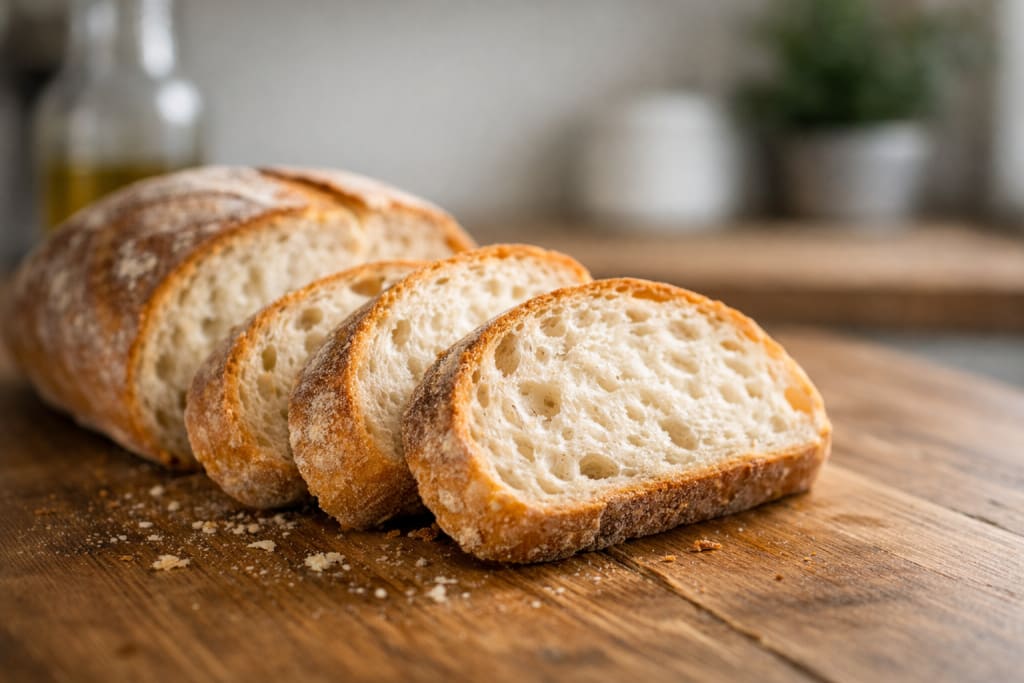
The bread looks innocent.
Soft crust. Perfect crumb. Days later, it’s still untouched by mold. Not luck—design.
Behind every loaf that outlasts expectations is a carefully engineered system built to fight time itself. What once felt miraculous is now routine: bread that survives a workweek, a long commute home, or a forgotten corner of the kitchen counter without collapsing into green fuzz.
As packaged foods expanded globally, the need for safe, consistent preservation grew alongside them. Shelf life became a promise, not a suggestion. According to Mordor Intelligence, the Calcium Propionate Market is growing steadily, driven largely by bakery demand and rising expectations around longer-lasting packaged foods, recording a measured CAGR during the forecast period.
Food preservation rarely makes headlines, yet it quietly shapes how modern society eats, wastes less, and trusts what’s on the shelf. Somewhere between the wheat field and your breakfast plate, science steps in—subtle, precise, and almost invisible. One ingredient, in particular, sits at the center of this transformation, doing its job without asking for attention.
The Invisible Line Between Fresh and Failed
Food spoilage isn’t dramatic. It doesn’t announce itself with sirens. It creeps in slowly—microbial, relentless, inevitable. Mold spores exist everywhere, waiting patiently for moisture, warmth, and time. Bread, rich in carbohydrates and water, is a perfect target.
For bakeries operating at scale, this isn’t a philosophical problem—it’s a financial one. Even a 1% spoilage rate can translate into tons of wasted product every year. That loss ripples outward: higher costs, inefficient logistics, increased environmental burden, and reduced food availability.
This pressure forced food science to evolve. Preservation shifted from rough methods like excessive drying or heavy salting to precise interventions that could protect food without changing how it tastes, smells, or feels. Consumers didn’t want “longer-lasting” bread if it meant sacrificing softness or flavor. The challenge was clear: stop mold without reminding people it was ever a threat.
That’s where targeted preservatives entered the picture.
Calcium propionate became essential because it addresses mold growth at the microbial level while respecting flavor profiles. It doesn’t overpower bread; it stabilizes it. Especially in baked goods consumed daily across cultures, that balance is everything. Bread isn’t an occasional indulgence—it’s a staple. Any change, even subtle, would be noticed immediately.
How the Market Reflects Changing Eating Habits
The way people eat has changed quietly but completely. Fewer households bake daily. Grocery trips are less frequent. Urbanization has stretched supply chains, pushing food farther from production to consumption. Convenience is no longer a luxury—it’s an expectation.
This growth mirrors consumer behavior. Shoppers trust that bread bought today will still be edible tomorrow—or next week. That trust isn’t emotional; it’s systemic. It’s built on supply chains that work, ingredients that perform consistently, and food systems that minimize failure.
In many ways, calcium propionate’s market stability reflects its role as infrastructure. It’s not trendy. It doesn’t surge and crash. It grows because the modern food system depends on predictability more than novelty.
Why This Matters Beyond Food
Preservation isn’t just chemistry—it’s economics, sustainability, and public health woven together.
Longer shelf life reduces food waste, one of the largest hidden contributors to global environmental strain. Every loaf that doesn’t spoil represents saved water, energy, labor, and transportation emissions. For retailers, it means fewer losses. For consumers, fewer discarded purchases. For cities, less pressure on waste management systems.
There’s also a public health dimension. Consistent preservation lowers the risk of unsafe food consumption and stabilizes access to everyday staples. When bread behaves the same way every time—regardless of season, distance, or scale—people stop worrying about it. That mental ease is part of food security, even if it rarely gets labeled as such.
What’s striking is how unnoticed this entire system remains. Calcium propionate doesn’t appear in viral debates or dominate food trends. It simply works, quietly extending the life of something deeply ordinary.
And maybe that’s the point. The most successful technologies aren’t always the loudest. Sometimes, they’re the ones that disappear into daily life so completely we forget the problem ever existed.
What ingredient do you trust every day without ever thinking about it—and should you start paying attention?
About the Creator
Keep reading
More stories from writers in Journal and other communities.
Sugarcane Boom Threatens Cotton Production
A rapid expansion in sugarcane cultivation is beginning to threaten cotton production in several key agricultural regions worldwide. Farmers, agronomists, and industry experts are raising the alarm as the boom in sugarcane — driven by rising demand for sugar, ethanol, and biofuels — begins to compete with cotton for land, water, and resources. The shift carries implications for global textile markets, local economies, and agricultural sustainability.
By Salaar Jamali6 days ago in Journal




Comments
There are no comments for this story
Be the first to respond and start the conversation.