
Hajj Ministry Suspends Three Umrah Companies for Violating Pilgrim Housing Commitments
Regulatory action underscores growing focus on accountability and service standards during Umrah season
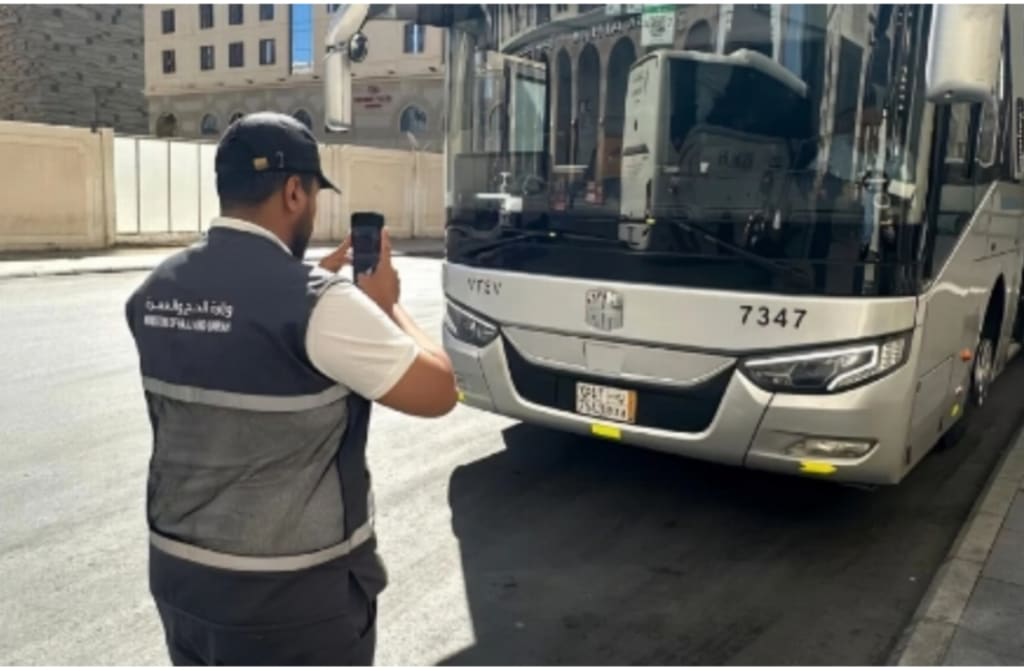
Saudi Arabia’s Ministry of Hajj and Umrah has suspended three Umrah service companies for failing to meet their contractual housing commitments to pilgrims. The move signals a stronger enforcement approach by authorities as the Kingdom continues efforts to enhance service quality, transparency, and accountability in religious tourism.
The decision comes at a time when Saudi Arabia is expanding its religious tourism infrastructure under Vision 2030, aiming to host millions of pilgrims annually for both Hajj and Umrah. Ensuring proper accommodation and service standards has become a key priority as visitor numbers increase.
The Alleged Violations
According to official statements, the suspended companies reportedly failed to provide housing arrangements that matched agreed contractual standards. Violations may include inadequate accommodation conditions, overcrowding, location discrepancies, or failure to deliver promised facilities.
Housing is one of the most critical components of the Umrah experience. Pilgrims often travel long distances and rely heavily on licensed service providers to arrange hotels close to the holy sites in Makkah and Madinah. When housing commitments are not fulfilled, it can cause serious inconvenience, financial stress, and emotional distress for pilgrims.
Authorities emphasized that the suspensions are part of regulatory oversight designed to protect pilgrims and maintain the integrity of religious services.
Protecting Pilgrim Rights
Saudi authorities have increasingly focused on protecting the rights of pilgrims by strengthening monitoring systems and introducing digital platforms to track service compliance. The Ministry of Hajj and Umrah has repeatedly stated that service providers must adhere strictly to approved standards.
Key objectives of regulatory enforcement include:
Ensuring safe and comfortable accommodation
Preventing overcrowding
Guaranteeing contract transparency
Protecting pilgrims from exploitation
Maintaining service quality standards
The ministry has also encouraged pilgrims to report complaints through official digital channels to improve accountability.
Vision 2030 and Religious Tourism Reform
Saudi Arabia’s Vision 2030 reform plan places strong emphasis on expanding religious tourism. The Kingdom aims to host up to 30 million Umrah pilgrims annually in the coming years.
To support this goal, authorities have:
Expanded infrastructure in Makkah and Madinah
Introduced digital visa platforms
Improved crowd management systems
Modernized licensing procedures for service providers
Strengthened monitoring of travel agencies
With higher visitor numbers, maintaining service quality becomes more challenging, making regulatory enforcement essential.
Impact on Umrah Companies
The suspension of three companies sends a clear message to other operators that compliance is mandatory. Umrah service providers must meet housing, transportation, and logistical commitments as outlined in their licenses.
Failure to comply may result in:
Temporary suspension
Financial penalties
Permanent license cancellation
Blacklisting from future operations
Industry analysts suggest that stricter enforcement may ultimately improve service quality and increase trust in Saudi Arabia’s religious tourism system.
Importance of Housing in the Pilgrimage Experience
Accommodation plays a central role in the comfort and safety of pilgrims. Many visitors include elderly individuals or families traveling with children, making proper housing arrangements essential.
Ideal housing standards typically include:
Clean and safe facilities
Proximity to the Grand Mosque or Prophet’s Mosque
Adequate space and amenities
Transparent pricing
Reliable customer service
When housing expectations are not met, it can negatively impact the spiritual focus of pilgrims during their journey.
Digital Monitoring and Transparency
Saudi authorities have increasingly relied on digital systems to manage pilgrim services. Platforms now allow authorities to monitor contracts, track housing bookings, and verify service compliance in real time.
Digital oversight reduces the risk of:
Contract fraud
Misleading advertising
Overbooking accommodations
Unauthorized service providers
Pilgrims are also encouraged to use official applications to verify licensed companies before booking.
International Travel Agencies and Responsibility
Many Umrah pilgrims book packages through travel agencies in their home countries. These agencies partner with licensed Saudi service providers. When housing commitments fail, it can affect both local and international operators.
This incident may prompt:
Stronger coordination between Saudi regulators and foreign travel agencies
Increased scrutiny of international Umrah operators
Enhanced contract verification procedures
Ensuring smooth cooperation between international and domestic providers is essential for maintaining service reliability.
Economic and Reputational Considerations
Religious tourism is a significant contributor to Saudi Arabia’s economy. Maintaining a positive reputation for service quality is critical for long-term growth.
Strict enforcement helps:
Strengthen global trust
Improve service standards
Prevent exploitation
Protect the Kingdom’s international image
Experts note that consistent regulation builds credibility and reassures pilgrims that their welfare is prioritized.
Broader Implications for Religious Tourism
As global travel rebounds, demand for Umrah services continues to grow. Increased competition among service providers can sometimes lead to overpromising and underdelivering.
The ministry’s actions demonstrate that:
Service quality is non-negotiable
Pilgrim rights are protected by law
Regulatory compliance is closely monitored
Other religious tourism destinations may observe Saudi Arabia’s regulatory approach as a model for managing large-scale pilgrim services.
Conclusion
The suspension of three Umrah companies for violating pilgrim housing commitments reflects Saudi Arabia’s growing emphasis on accountability and service excellence. As religious tourism expands under Vision 2030, maintaining high accommodation standards will remain essential to ensuring positive pilgrim experiences.
By enforcing regulations and strengthening oversight systems, the Hajj Ministry aims to protect pilgrims, improve service transparency, and reinforce trust in the Kingdom’s religious tourism sector.
As millions of Muslims continue to travel for Umrah each year, reliable service delivery remains central to preserving both the spiritual and logistical integrity of the pilgrimage journey.
About the Creator
Keep reading
More stories from Aarif Lashari and writers in Journal and other communities.
Major Layoffs Force Newspaper to Scrap Sports Section, Foreign Bureaus, and Books Coverage
A major newspaper has announced sweeping layoffs and the elimination of several key departments, including its sports section, multiple foreign bureaus, and its books coverage team. The decision reflects growing financial pressure across the global media industry as traditional revenue models continue to struggle in the digital age.
By Aarif Lashari23 days ago in Journal
~ Fired ~
— Ai Intrusion ~ Are you Next ~ Is Ai Evolution after your job? — Few workplaces haven't been affected. Ai is in supermarkets, at doctors' offices, and even monitoring farms. I just can't think of anything this machine is not getting into, can you? For instance: Education ~ Law and Tech jobs will one day have a major influence or be taken over by these inanimate machines, with accuracy and vigor. From mechanics' diagnoses to a wide variety of everyday jobs, including fast food workers, with this input having the ability to cut their unnecessary work hours. I'm certain all of us have been touched by this with our short stories and colorful headings, have you? Even comments are very questionable 'Non-Robot' insertions.
By Jay Kantor27 days ago in Journal
Why Retail Store Maintenance Is Essential for Reducing Long Term Repair Costs
People often assume that running a retail store is all about stocking products, selling them, and further repeating the same procedure. However, the reality is completely different from what common people think. Operating a retail store also includes taking care of the space and preserving it. Many store owners pay complete attention to daily sales but often skip taking regular care of their spaces.
By D'Art Design3 days ago in Journal



Comments
There are no comments for this story
Be the first to respond and start the conversation.