
Cost, Aesthetics, and Performance: Analyzing Veneer and PVC Edgebanding Choices
Furniture
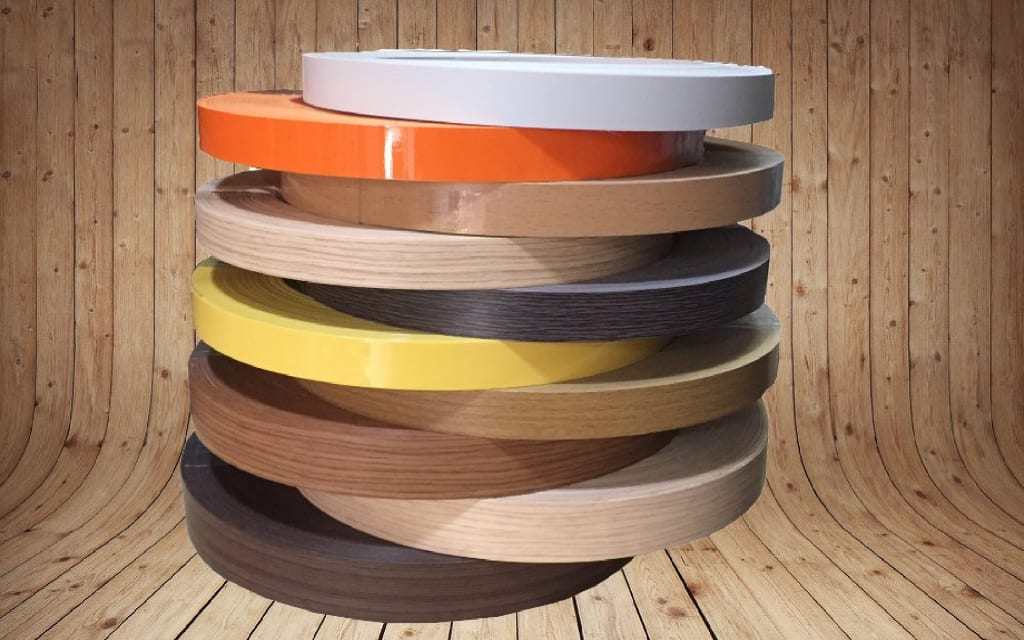
In furniture manufacturing and interior design, edgebanding plays a crucial role in enhancing durability and aesthetics. Two popular options for edgebanding are veneer and PVC. This article explores their cost, aesthetic appeal, and performance to help you make an informed decision for your project.
Cost
Veneer Edgebanding: Veneer edgebanding is crafted from thin slices of natural wood, making it slightly more expensive than PVC. The cost reflects its premium look and the processes involved in production. While veneer is ideal for high-end projects, its price may not fit tight budgets.
PVC Edgebanding: PVC is a synthetic material, and its affordability makes it a popular choice for cost-sensitive projects. It offers excellent value for money without compromising on essential performance features like durability.
Verdict: PVC is the more economical choice, but veneer’s added cost is justified for projects requiring a natural, luxurious aesthetic.
Aesthetics
Veneer Edgebanding: Veneer provides a rich, natural wood appearance that blends seamlessly with wood-based furniture. It’s available in various species and finishes, ensuring a sophisticated look. Veneer is the go-to choice for projects aiming to maintain an authentic, high-end wood finish.
PVC Edgebanding: PVC offers versatility in design, with options for solid colors, patterns, and even woodgrain effects. While it mimics wood fairly well, it doesn’t achieve the authenticity of real wood. However, for modern or minimalist designs, its clean and consistent look can be advantageous.
Verdict: Veneer excels in projects requiring a natural and luxurious aesthetic, while PVC suits modern and versatile designs.
Performance
Veneer Edgebanding: Veneer is less resistant to moisture, scratches, and heat compared to PVC. It requires proper sealing and maintenance to maintain its appearance. Over time, it may wear down faster in high-traffic or heavy-use environments.
PVC Edgebanding: PVC is highly durable, offering excellent resistance to moisture, impact, and wear. It’s easy to clean and requires minimal maintenance, making it ideal for environments like kitchens, offices, and schools.
Application and Installation
The installation process differs between veneer and PVC edgebanding. Veneer edgebanding is typically applied using heat-activated adhesives and may require additional finishing, such as sanding and staining. This process can be time-consuming and requires skilled labor.
In contrast, PVC edgebanding is easier to apply using hot-melt adhesives and automated edgebanding machines. It does not require additional finishing, making it a quicker and more convenient choice for large-scale production.
Verdict: PVC edgebanding provides seamless edge coverage with minimal waste, making it an environmentally friendly choice for manufacturers focused on sustainability. Many manufacturers are opting for eco-friendly PVC solutions that meet regulatory standards while offering a durable and cost-effective alternative. With advancements in technology, modern PVC options can closely replicate the texture and grain of natural wood, providing an attractive yet practical solution for furniture applications.
Conclusion
Choosing between veneer and PVC edge banding depends on your project’s priorities:
The choice between veneer and PVC edgebanding depends on specific project requirements. If you prioritize a natural, high-end appearance and are willing to invest in maintenance, veneer edgebanding is a great option. However, if durability, affordability, and ease of application are your primary concerns, PVC edgebanding is the better choice.
By weighing the cost, aesthetics, and performance of each material, you can select the edgebanding solution that best aligns with your furniture design and functional needs.
Cost-conscious projects or high-traffic areas: PVC edgebanding is the better choice for durability and affordability.
Premium designs or natural aesthetics: Veneer edge banding adds elegance and authenticity that PVC can’t fully replicate.
By balancing cost, aesthetics, and performance, you can select the edgebanding material that best aligns with your needs and project goals.
About the Creator
Keep reading
More stories from 1 tec solutions and writers in Journal and other communities.
~ Fired ~
— Ai Intrusion ~ Are you Next ~ Is Ai Evolution after your job? — Few workplaces haven't been affected. Ai is in supermarkets, at doctors' offices, and even monitoring farms. I just can't think of anything this machine is not getting into, can you? For instance: Education ~ Law and Tech jobs will one day have a major influence or be taken over by these inanimate machines, with accuracy and vigor. From mechanics' diagnoses to a wide variety of everyday jobs, including fast food workers, with this input having the ability to cut their unnecessary work hours. I'm certain all of us have been touched by this with our short stories and colorful headings, have you? Even comments are very questionable 'Non-Robot' insertions.
By Jay Kantor21 days ago in Journal
Why Finding Trusted IOP Programs Near Me Matters
When someone decides to seek help for substance use or co-occurring mental health challenges, that decision can feel both hopeful and overwhelming. With so many treatment options available, choosing the right program becomes one of the most important steps in the recovery journey. Finding trusted iop programs near me is not just about convenience, it's about quality, safety, and long-term success.
By Jordan Blake5 days ago in Journal
📢 Raise Your Voice Thread: 02/19/2026
Our “Raise Your Voice Threads” are hosted most alternating Thursdays at 12PM ET to offer creators more avenues to uncover exceptional stories on Vocal. As we are continuously searching for fresh creators and inspiring stories, this thread provides an opportunity to exchange and discuss the stories that have moved and motivated us on Vocal.
By Raise Your Voice by Vocal3 days ago in Resources




Comments
There are no comments for this story
Be the first to respond and start the conversation.