
Xenophobia: Why We Fear Strangers – and Why It’s Worse in the East Europe Than in the West
Imagine walking down the street and meeting someone who looks completely different from you. They speak a foreign language, have a different skin color, dress “strangely.” A slight tension appears in your mind. You might not even notice it, but it’s there. That’s xenophobia in practice.

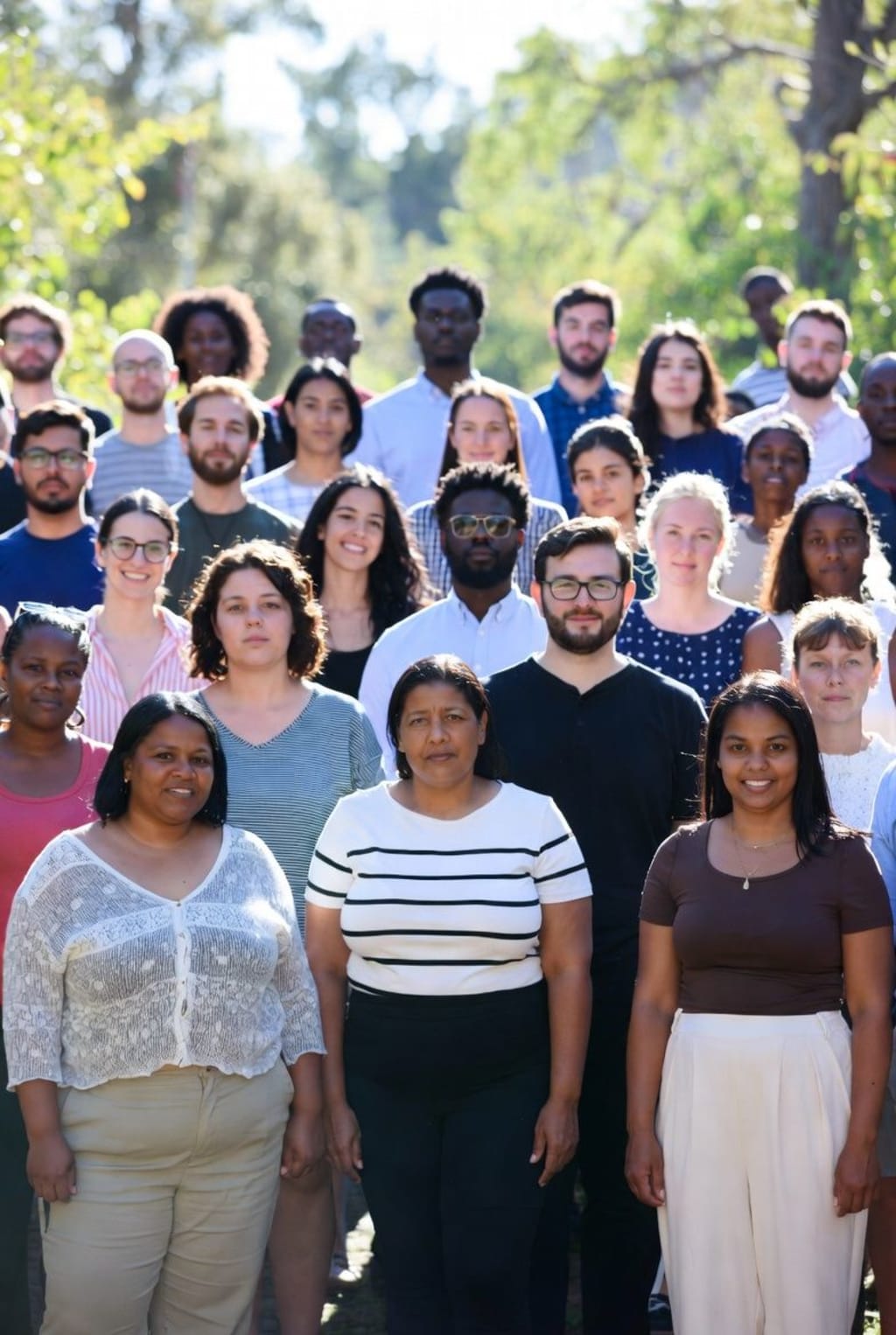
It’s not just some complicated term from books—it’s a common human feeling with deep roots inside us. In this article, we’ll look at where this fear comes from and why, in the countries of the former Eastern Bloc—including the Czech Republic—xenophobia is stronger than in Western Europe.
Where does the fear of strangers come from?
Xenophobia is as old as humanity itself. Picture our distant ancestors in caves. They lived in small groups, and every stranger could mean danger—perhaps stealing food, bringing disease, or launching an attack. This natural instinct of “us vs. them” helped us survive.
We no longer live in caves, but our brains haven’t changed much. Unfamiliar things still trigger uncertainty in us. Different food, culture, traditions. Different behavior, different opinions. And when a crisis hits—economic, political, or security-related—people start looking for someone to blame. Foreigners become the perfect target for statements like: “They’re taking our jobs!” “They’re destroying our culture!” “They’re dangerous!”
Anthropologists say this behavior is as old as humanity, but today it’s driven more by social pressures than by real threats.
The media often amplify it further with sensational headlines and a selective focus on negative stories. And what about national pride? Nationalism frequently acts like a match that ignites xenophobia by emphasizing how “we” are better than “they.” Fear then turns into contempt.
Why is it worse in the East Europe? And how does the Czech Republic compare?
When you look across Europe, the differences are clear. In the West—in countries like Sweden, the Netherlands, or Germany—people are generally more open toward foreigners and the LGBTQ+ community. In the East, rejection tends to dominate. Surveys show that in some Eastern countries, up to 90% of people would disagree with a homosexual couple raising a child. In Iceland, only a tiny percentage feel the same way.
The Czech Republic, as part of the former Eastern Bloc, sits somewhere in the middle ideologically—though it still leans somewhat closer to Eastern attitudes.
Here, xenophobia mainly shows up in attitudes toward migrants. A Harvard study found that Czechs have some of the highest levels of implicit bias in Europe, meaning they subconsciously distrust “others,” especially those from countries with religions and cultures very distant from Europe. During the 2015 migration crisis, it became obvious how quickly fear of Muslims could turn into a hot political topic for certain far-right groups. The same applies to homophobia: homosexuality is legal in the Czech Republic, but same-sex marriage is still not. For many people, it continues to be seen as a “threat to the traditional family.”
Compared with the East, the West is considered more progressive—largely thanks to longer experience with migration, stronger social programs, modern education, and a tradition of upholding human rights. The East is often labeled “racist,” even though the reality is not so simple or black-and-white. Even Western countries like France or Britain have their own restrictions on migrants, and xenophobia exists across the whole of Europe.
So why the difference?
History plays the main role.
Eastern Europe went through communism, which suppressed freedom and difference. Everyone was supposed to be the same, think the same, live the same. Above all—don’t stand out. After the fall of the regimes, strong conservatism returned in many countries, often tied to the church. In Poland or Russia the church has enormous influence, and homosexuality is frequently portrayed as a sin or even a threat to the state.
Fortunately, the situation in the Czech Republic is not as extreme, but the legacy of World War II, occupation, and the communist era remains. People here are distrustful and cautious toward change and foreign influences. On top of that, economic problems, unemployment, and poverty make people more prone to looking for scapegoats outside themselves.
Conclusion: What can we do about it?
Xenophobia is an ancient reflex. It once protected us; today it mostly harms us. In Eastern Europe, including the Czech Republic, it is stronger because of history, economics, and culture, while the West is more open mainly because it has had more time to learn to live with diversity. But change is possible. Education, direct contact with “others,” and open dialogue all help. In the Czech Republic we’re already seeing progress—especially among young people, who increasingly see “difference” as normal. Still, there is a lot left to catch up on.
If we want a better world, it starts with ourselves. The next time you feel tension toward someone “different,” try asking:
Am I afraid because they are actually dangerous—or just because they are different?
You might realize the fear isn’t justified at all.
About the Creator
Keep reading
More stories from Elvira Diggory and writers in Humans and other communities.
The Volunteer from Auschwitz No. 4859 – The Story of Witold Pilecki
Witold Pilecki (1901–1948) is rightly regarded as one of the greatest Polish heroes of World War II. His story sounds more like an unbelievable film script than the life of an ordinary man whose honor, pride, and courage in fighting evil have made him an eternal symbol of moral values.
By Elvira Diggory2 days ago in History



Comments
There are no comments for this story
Be the first to respond and start the conversation.