
Debunking Myths About the Human Brain
Video games rot your brain? Fact or Fiction
Debunking Myths About the Human Brain
The human brain is a complex organ that is still not fully understood. As a result, there are many myths about the brain that have been circulating for years. In this article, we will debunk some of the most common myths about the brain.
Myth #1: The bigger the brain, the smarter the creature.
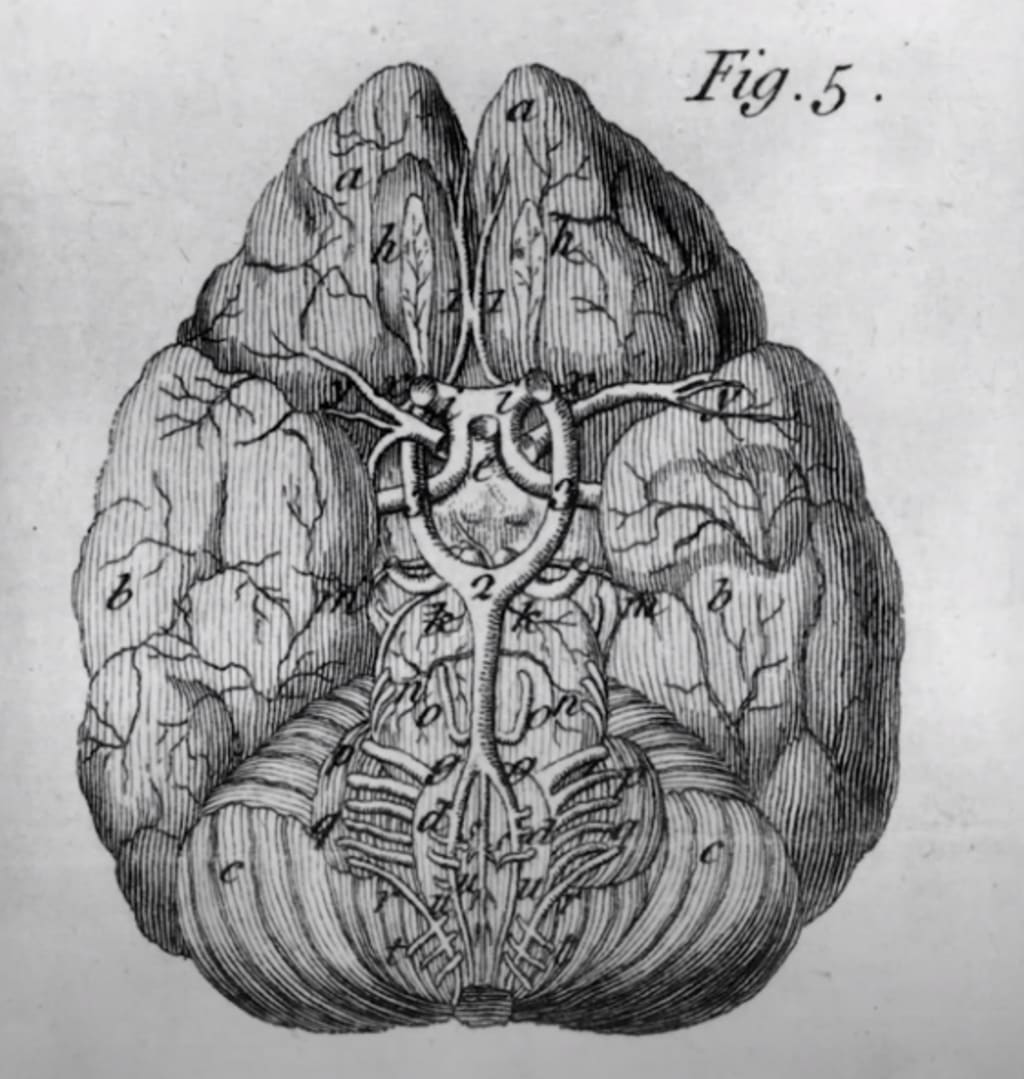
This is a common myth that is often used to explain why humans are considered to be the most intelligent species on Earth. However, the size of a creature's brain does not necessarily correlate with its intelligence. For example, a blue whale has a much larger brain than a human, but it is not considered to be as intelligent.
There are many factors that contribute to intelligence, including the number of neurons in the brain, the complexity of the neural connections, and the way that the brain is wired. The size of the brain is just one factor, and it is not the most important factor.
Myth #2: IQ tests are always an accurate measure of intelligence.
IQ tests are a measure of a person's cognitive abilities, but they are not always an accurate measure of intelligence. IQ tests can be influenced by factors such as a person's educational background, cultural background, and mood on the day of the test.
In addition, IQ tests only measure a small portion of what we consider to be intelligence. There are many other aspects of intelligence, such as creativity, emotional intelligence, and social intelligence, that are not measured by IQ tests.
Myth #3: We only use 10% of our brains.
This is a myth that has been around for centuries. However, there is no scientific evidence to support it. In fact, studies have shown that we use all of our brains, but not all of the time. Different parts of the brain are used for different tasks, and we only use the parts of the brain that are needed for the task at hand.
For example, when we are reading, we use the parts of the brain that are involved in vision, language, and comprehension. However, when we are not reading, these parts of the brain are not active.
Myth #4: Video games rot your brain.
This is another myth that has been around for a long time. However, there is no evidence to support it. In fact, studies have shown that video games can actually be beneficial for the brain. They can improve hand-eye coordination, problem-solving skills, and strategic thinking.
Of course, not all video games are created equal. Some video games are more beneficial for the brain than others. For example, video games that require problem-solving and strategic thinking are more beneficial than video games that are simply based on reflexes.
Myth #5: Memory gets worse as you age.
This is not always true. Some types of memory, such as semantic memory (our vocabulary and knowledge of the world), actually improve with age. However, other types of memory, such as episodic memory (our memory of recent events), may decline.
The decline in episodic memory is often due to changes in the hippocampus, a part of the brain that is involved in memory formation. However, the decline in episodic memory is not inevitable. There are things that you can do to improve your memory as you age, such as staying mentally active and getting enough sleep.
Myth #6: Left-brain people are logical and right-brain people are creative.
This is also a myth. There is no clear distinction between left-brain and right-brain dominance. In fact, most people use both sides of their brain for different tasks.
The left brain is often associated with logic and analytical thinking, while the right brain is often associated with creativity and intuition. However, both sides of the brain are involved in both logic and creativity.
Myth #7: You can't prevent a stroke.
This is not true. There are many things you can do to reduce your risk of having a stroke, such as controlling your blood pressure, cholesterol, and diabetes. You can also quit smoking and eat a healthy diet.
If you think you are having a stroke, it is important to seek medical attention immediately.
The bottom line is that there are many myths about the human brain that are simply not true. It is important to be aware of these myths so that you can make informed decisions about your health.
I hope this article has helped to debunk some of the most common myths about the human brain. If you have any questions, please feel free to ask.
About the Creator
Keep reading
More stories from Peter Chiron and writers in Humans and other communities.
The Monty Hall Problem
The Monty Hall Problem: A Probability Puzzle With a Surprising Solution The Monty Hall Problem is a classic probability puzzle that has been puzzling people for decades. In the puzzle, you are presented with three doors, behind one of which is a car and behind the other two are goats. You choose a door, and the host, who knows what is behind each door, opens one of the other two doors to reveal a goat. The host then asks you if you want to switch your choice to the other unopened door. Should you switch?
By Peter Chiron3 years ago in Humans
The Angry Man in Your House
"If you grow up with an angry man in your house, there will always be an angry man in your house" This statement has caused plenty of controversy online, people say its a statement that blames victims while also undermining those who break traumatic cycles to form health relationships... but if I'm honest now that I'm in my 30s it makes more sense to me than ever, and I'd argue that its not just about fathers and uncles.
By S. A. Crawfordabout 21 hours ago in Humans
A Dying Voice
I could be writing this differently. In fact, I contemplated structuring it as a letter to myself when I first joined Vocal, filling it with warnings and a list of all the ways I’d come to regret publishing here. Then, I considered the tone of such an address and saw it bursting with sarcasm and bite. I don’t want to write that.
By Mackenzie Davis3 days ago in Humans
📢 Raise Your Voice Thread: 02/05/2026
Our “Raise Your Voice Threads” are hosted most alternating Thursdays at 12PM ET to offer creators more avenues to uncover exceptional stories on Vocal. As we are continuously searching for fresh creators and inspiring stories, this thread provides an opportunity to exchange and discuss the stories that have moved and motivated us on Vocal.
By Raise Your Voice by Vocal3 days ago in Resources


Comments
There are no comments for this story
Be the first to respond and start the conversation.