science
The Science Behind Relationships; Humans Media explores the basis of our attraction, contempt, why we do what we do and to whom we do it.
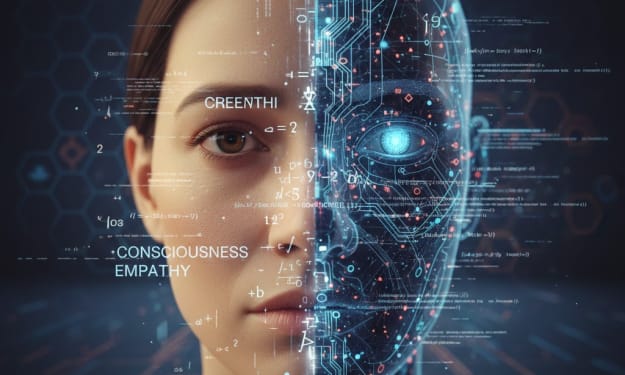
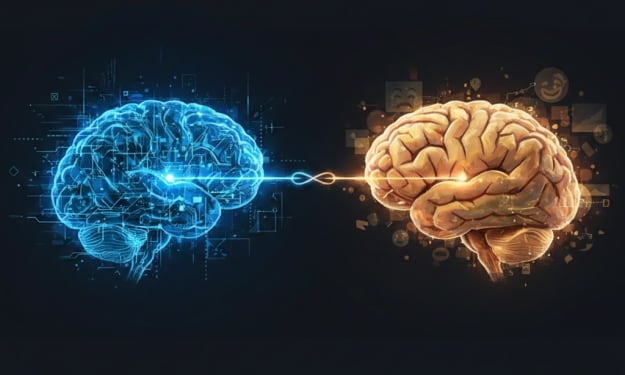
Are We Letting AI Think for Us — or Teaching It to Think Like Us?
Not long ago, thinking was considered the last truly human frontier. Machines could calculate faster than us, store more information than us, and repeat tasks endlessly—but thinking? That was ours. Messy, emotional, biased, creative, flawed. Human.
By Mind Meets Machineabout an hour ago in Humans
Cabin Fever Because of Snow, Sleet, and Freezing Rain That Turned to Icy Roads. Top Story - February 2026.
What Is Cabin Fever? The short answer is that cabin fever is restlessness from being in a confined area. Cabin fever is the distressing irritability or restlessness experienced when a person or group is stuck at an isolated location or in confined quarters for an extended time. Research shows that prolonged cold, gray skies, and being stuck indoors can trigger mood shifts similar to “winter blues.”
By Margaret Minnicksa day ago in Humans
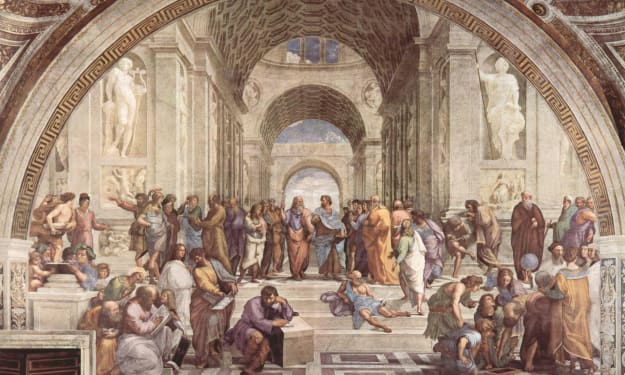
Why the First Philosophers Still Matter.
When we think of philosophy, we usually think of its original founders as three great figures: Socrates, Plato and Aristotle - in that exact order. They were indeed major players, and without them the game wouldn’t be the same. Their combined influence shaped Western culture and determined much of the direction philosophy would take.
By Eva Smitte2 days ago in Humans
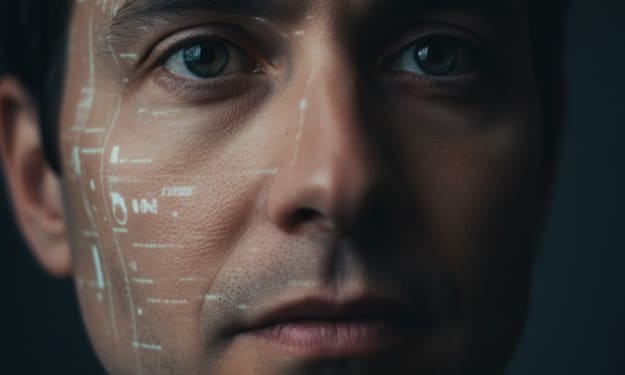
Talking to AI Taught Me More About My Own Mind Than Any Therapist
I didn’t start talking to artificial intelligence because I needed answers. I started because I needed to think. At first, the interaction was transactional—questions in, responses out. A tool, nothing more. But over time, something unexpected emerged. The machine wasn’t revealing new insights about the world. It was revealing patterns in me.
By Mind Meets Machine4 days ago in Humans
Why Machines Make Decisions Faster—But Humans Still Matter
Machines are fast. They process millions of data points in seconds, recognize patterns invisible to the human eye, and deliver decisions with astonishing efficiency. From recommending what we watch to approving loans and diagnosing diseases, machines are increasingly trusted to decide for us.
By Mind Meets Machine4 days ago in Humans
Missing Brit Tourist, 23, Found Dead on Beauty-Spot Beach After Tripping Off Cliff. AI-Generated.
A 23-year-old British tourist was tragically found dead on a picturesque tourist beach after reportedly tripping and falling off a cliff, local authorities have confirmed. The young woman had been reported missing several days earlier, sparking search efforts from both emergency services and volunteers in the area.
By Aarif Lashari5 days ago in Humans
Essence, Embodiment, and Relational Reality
The Failure of Reduction and the Need for Synthesis There is a persistent failure in many modern attempts to explain what a human being is. Some frameworks reduce the person entirely to matter, insisting that identity, consciousness, morality, and meaning are nothing more than emergent properties of physical processes. Other frameworks move in the opposite direction, detaching spirit from reason and grounding belief in intuition alone, often at the cost of coherence or accountability. Both approaches fail because both misunderstand essence. One denies that essence exists at all. The other treats it as something vague and undefinable.
By Peter Thwing - Host of the FST Podcast7 days ago in Humans
Resistance Is Not the Enemy
Iron sharpens iron. Brakes save lives. Friction preserves form. Modern culture treats resistance as failure. Anything that slows momentum is framed as obstruction, anything that introduces friction is assumed to be opposition, and anything that interrupts progress is labeled a setback. But this instinct misunderstands how both physical systems and human growth actually work. Resistance is not inherently hostile. In many cases, it is the only thing preventing collapse.
By Peter Thwing - Host of the FST Podcast7 days ago in Humans