
Altadena Wildfires
A Story of Resilience, Unity and the Need for DEI Action
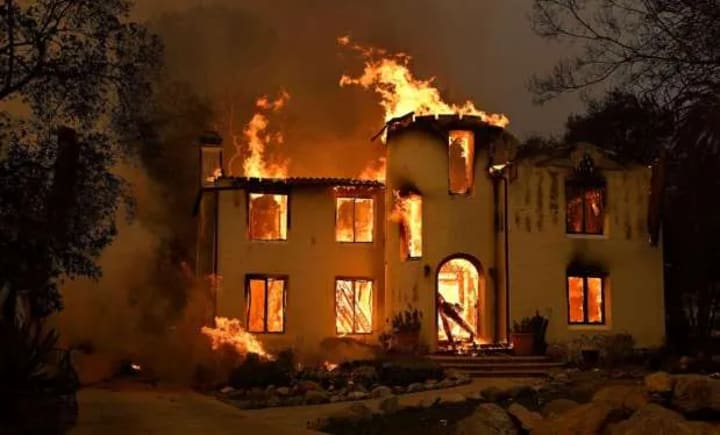
The destructive wildfires raging across Los Angeles County have taken a devastating toll on communities, with one historic neighborhood hit particularly hard. As of Friday (January 10), the Palisades and Eaton fires have collectively burned over 30,000 acres of land. The Eaton fire, located just east of Los Angeles near Pasadena, has caused widespread destruction in Altadena, a historic Black neighborhood.
Altadena is more than just a geographical location; it is a symbol of resilience and progress. Established during the Great Migration, this area became a haven for Black Americans fleeing the oppressive Jim Crow South. Here, they found a place to build homes, acquire land, and create generational wealth — a sanctuary free from redlining and systemic oppression. By 2000, Altadena’s Black population had grown to 31 percent, cementing its status as California’s first middle-class Black community.
As someone who lived in the Los Angeles basin for over 20 years and worked as a consultant for the City of Pasadena, I spent quality time in Altadena and almost purchased a home there. Witnessing this historic city burn is deeply painful. Altadena is a vibrant, resilient community that embodies the best of what Southern California has to offer. Sharing its story and its struggle during this crisis feels personal and essential.
Today, wildfires fueled by relentless Santa Ana winds and dry conditions threaten to erase this cultural and historical treasure. While mainstream media focuses on the celebrities affected by these disasters, social media has shed light on the impact these fires have had on the Black community of Altadena. This article explores how the tragedy in Altadena underscores the importance of diversity, equity, and inclusion (DEI), the unifying values displayed by Los Angeles residents, and the lessons we can take from this disaster to foster a more connected and empathetic society.
The Legacy of Altadena: A Beacon of Hope and Progress
Altadena’s story began with Black families seeking refuge from systemic oppression. During the Great Migration, millions of Black Americans moved from the rural South to urban centers in the North, West, and Midwest. In California, Altadena stood out as a unique enclave where Black families could thrive without facing the pervasive housing discrimination prevalent elsewhere. The community became a hub for Black excellence, fostering generations of homeowners, entrepreneurs, and leaders.
The neighborhood’s significance lies not only in its historical importance but also in the values it represents. Altadena symbolizes resilience against adversity, the pursuit of equity, and the power of community. These values are now being tested as the wildfires wreak havoc, displacing families and threatening to obliterate decades of progress.
Unity Amidst Tragedy: How Los Angeles Responds
Disasters often reveal the best in people, and the wildfires in Los Angeles County are no exception. Amid the destruction, stories of neighbors helping neighbors have emerged as a testament to human compassion. Residents of Altadena and surrounding areas have rallied together, providing shelter, food, and emotional support to those affected. Social media platforms have become conduits for organizing relief efforts, amplifying the voices of marginalized communities, and ensuring that the plight of Altadena’s residents is not overlooked.
This collective response underscores the interconnectedness of humanity. Disasters remind us that our fates are intertwined and that unity is our greatest strength. In the face of adversity, the people of Los Angeles have demonstrated the values of equity and inclusion by prioritizing the needs of the most vulnerable. This spirit of solidarity serves as a powerful example of what DEI principles look like in action.
The Role of DEI in Disaster Response
Diversity, equity, and inclusion are more than corporate buzzwords; they are principles that can guide communities toward resilience and recovery. The situation in Altadena highlights several key aspects of DEI:
Representation Matters: The unique challenges faced by Altadena’s Black community must be acknowledged and addressed. Representation in disaster planning and response ensures that the needs of all communities are met.
Equitable Resources: Recovery efforts should prioritize equity, ensuring that marginalized communities receive adequate support. Historical inequities, such as those Altadena was designed to combat, must not be perpetuated during disaster recovery.
Inclusion in Planning: Community voices must be included in planning and decision-making processes. Altadena’s residents should have a say in how their neighborhood rebuilds and recovers.
By applying DEI principles to disaster response, we can create systems that not only address immediate needs but also build long-term resilience.
Lessons from Altadena: Embracing Our Shared Humanity
The wildfires in Altadena are a stark reminder of the fragility of our lives and the interconnectedness of our experiences. Natural disasters do not discriminate based on race, class, or geography; they affect everyone. However, the impact of these disasters is often felt most acutely by marginalized communities, who may lack the resources to recover fully.
This tragedy challenges us to reflect on our shared humanity. It is a call to action to embrace values of empathy, solidarity, and justice — not just during times of crisis but in our daily lives. The unity displayed by the people of Los Angeles demonstrates that when we come together, we can overcome even the greatest challenges. Imagine the progress we could achieve if this spirit of cooperation were a permanent fixture in our society.
A Call to Action: Beyond Disasters
While disasters often bring out the best in people, we should not wait for tragedy to act with compassion and inclusivity. The values that drive disaster response — empathy, equity, and unity — should be woven into the fabric of our everyday lives. This includes:
Advocating for DEI: Support policies and initiatives that promote diversity, equity, and inclusion in all sectors.
Building Resilient Communities: Invest in infrastructure and programs that prepare communities for future challenges, ensuring that no one is left behind.
Fostering Connections: Strengthen bonds within and between communities to create a culture of mutual support.
As we rebuild Altadena and other affected areas, let us carry forward the lessons of this tragedy. Let us honor the legacy of communities like Altadena by committing to a future rooted in justice, equity, and inclusion.
Conclusion
The destruction in Altadena is a heartbreaking reminder of the challenges we face as a society. Yet, it is also a testament to the strength of human spirit and the power of unity. By embracing DEI principles, we can ensure that recovery efforts are equitable and inclusive, setting the stage for a brighter future.
Disasters may be inevitable, but the way we respond to them is a choice. Let us choose empathy over indifference, unity over division, and action over complacency. As we work together to rebuild Altadena, let us also rebuild our commitment to creating a just and inclusive society for all.
#DEI #Altadena #Wildfires #SocialJustice #CommunityResilience
About the Creator
Dr William M White
William M. White, Ed D MLE, earned a Doctorate in Leadership from Fielding Graduate University and Harvard's MLE certificate. He is a leadership researcher, professor, executive, author, and co-founded of National Diversity Collaborative.
Keep reading
More stories from Dr William M White and writers in Humans and other communities.
Advent's Call for Peace
Advent’s Call for Peace: Restoring Justice in a Fractured America The second Sunday of Advent, marked by the lighting of the Peace Candle, calls for restoration and healing—a message urgently needed in our divided society. As America continues to experience cultural clashes exacerbated by the erosion of rights and discriminatory rhetoric, the path toward justice and peace requires collective action.
By Dr William M Whiteabout a year ago in Humans
Love Between Two Enemies Part Seven
The Cost of Saving Her Ethan Ashford became a ghost overnight. Not officially—his name was still on buildings, still whispered in financial circles—but something fundamental had shifted. The man who once walked into rooms and bent them to his will now moved through the city like someone marked.
By Ahmed aldeabella3 days ago in Humans



Comments (1)
Wow! Fascinating. Good work