
Why We Crave the Shadows?
The Architecture of Fear
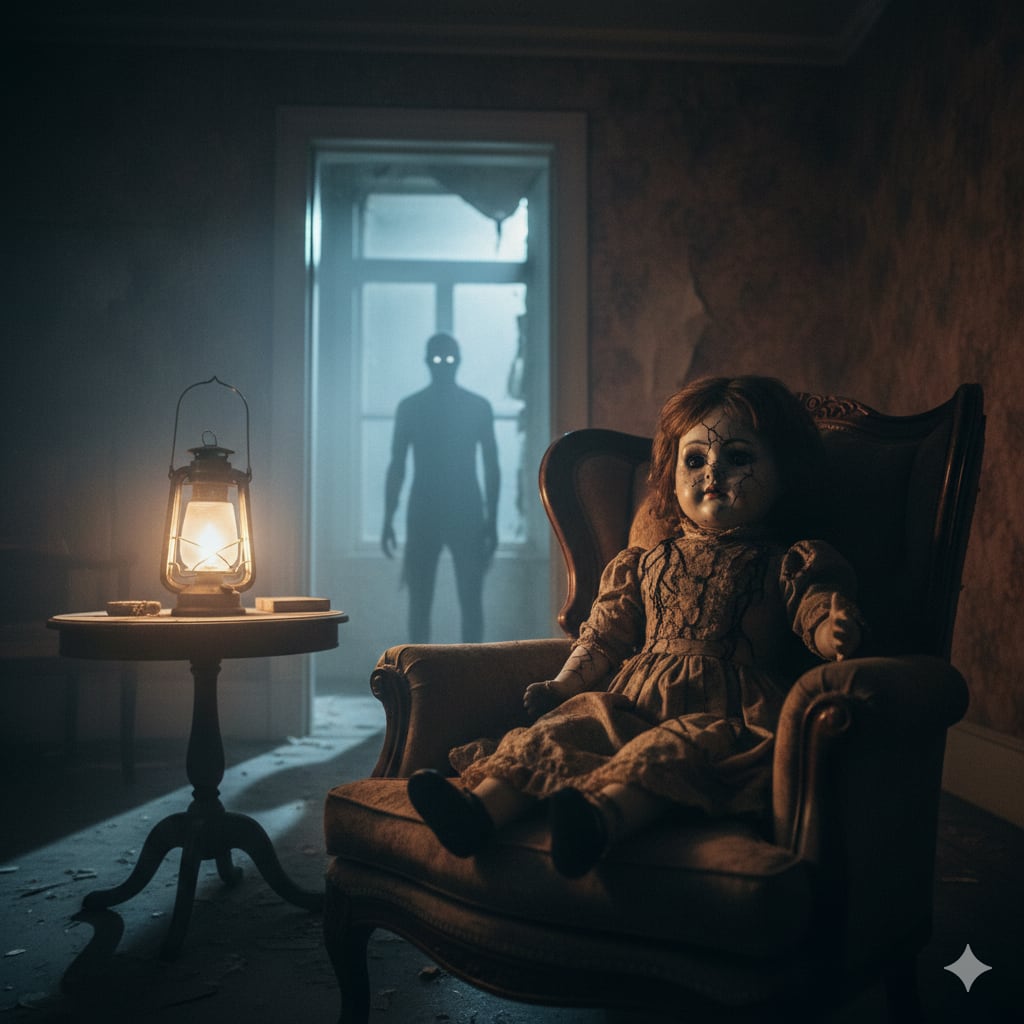
Horror is often dismissed as a "cheap thrill"—a collection of jump scares and visceral shocks designed to elicit a scream. However, the most enduring horror stories are not about what hides under the bed, but what hides inside the human psyche. At its core, horror is a sophisticated psychological tool that allows us to explore our deepest anxieties within the safety of a narrative.
This article examines why we are drawn to the macabre and how horror acts as a mirror to our societal and personal shadows.
1. The Anatomy of a Scaring: Why It Works
Horror functions through a biological "safe-fail" mechanism. When we read a chilling tale, our brain triggers the amygdala, the center for the "fight or flight" response. Our heart rate increases, and adrenaline floods our system.
- The Paradox: Because we know the monster on the page or screen isn't real, the brain eventually releases endorphins and dopamine. This creates the "high" that follows a scare—a sense of relief and accomplishment.
- Deep Thought: Horror is a form of "emotional rehearsal." By facing a ghost or a slasher in fiction, we are practicing how to handle overwhelming fear in a controlled environment.
2. The Uncanny Valley: Familiarity Turned Sour
The most "deep thought" horror often utilizes the concept of the Uncanny. This is the feeling of unease that arises when something is almost human, but not quite.
- The Strategy: Think of a doll with eyes that seem to follow you, or a doppelgänger that looks exactly like a friend but lacks their warmth.
- Why it works: The Uncanny exploits our evolutionary need to recognize "friend vs. foe." When the familiar becomes distorted, our internal radar goes haywire, creating a profound, lingering dread that stays with the reader long after the story ends.
3. Societal Monsters: Horror as Social Commentary
Monsters are rarely just monsters; they are embodiments of what a culture fears most at a specific point in time.
- Examples: The 1950s gave us "Giant Insect" movies, reflecting anxieties about nuclear radiation. The modern "Zombie" craze is often interpreted as a fear of global pandemics or the loss of individuality in a hyper-consumerist society.
- Deep Thought: If you want to know what a society is struggling with, look at what they find scary. Horror allows us to externalize abstract fears—like death, isolation, or loss of control—into a physical form we can "defeat."
Q&A: Deciphering the Dark
Q1: What is the difference between "Horror" and "Terror"?
A1: As the legendary Gothic writers defined it, Terror is the dread and apprehension you feel before something happens (the creak on the stairs). Horror is the revulsion and shock you feel when the monster is finally revealed. Terror is psychological; horror is visceral.
Q2: Why do some people hate horror while others love it?
A2: It often comes down to "protective frames." People who love horror are better at maintaining the mental frame that "this isn't real." Those who hate it often have a higher sensitivity to empathy or find it harder to switch off the brain's alarm system once the story ends.
Q3: How do I write a scary story without using blood and gore?
A3: Focus on Atmosphere and Isolation. Take away your character’s sense of safety—cut their phone lines, put them in a thick fog, or have them notice a small, impossible change in their environment (like their front door being wide open when they know they locked it).
Q4: Is there such a thing as "Good" horror for mental health?
A4: For some, horror provides a "catharsis." It allows for a release of pent-up stress. Seeing a protagonist survive a nightmare can provide a sense of vicarious resilience and empowerment.
Q5: What is a "Creepypasta" and why is it so popular?
A5: Creepypastas are internet-born urban legends. They work because they mimic the way folklore used to spread—person to person, often blurring the lines between reality and fiction through "found footage" styles or first-person accounts
About the Creator
Being Inquisitive
Blogging can provide a creative outlet for expressing your thoughts, feelings, and ideas. It can be a way to share your passion and interests with others and to engage with like-minded individuals.
Keep reading
More stories from Being Inquisitive and writers in Horror and other communities.
Redefining Health in a High-Performance World
In the modern era, "Health and Fitness" is often reduced to a series of aesthetic milestones—six-pack abs, a specific number on a scale, or the ability to run a marathon. However, true vitality is far more profound. It is the synergy between physical capability, nutritional wisdom, and mental resilience. This article moves beyond the surface-level trends to provide a practical, deep-thought guide to sustainable well-being.
By Being Inquisitiveabout 7 hours ago in Education
10 Melancholic Horror Movies That Will Surprise You
The horror genre is famous for generating astonishment, insomnia, and a lot of adrenaline. This film genre often evokes fear and suspense, but some also delve into deep emotional themes, leaving viewers with a sense of sadness. Here are ten sad horror movies that explore the darker aspects of human experience.
By Ninfa Galeano7 days ago in Horror


Comments
There are no comments for this story
Be the first to respond and start the conversation.