Events
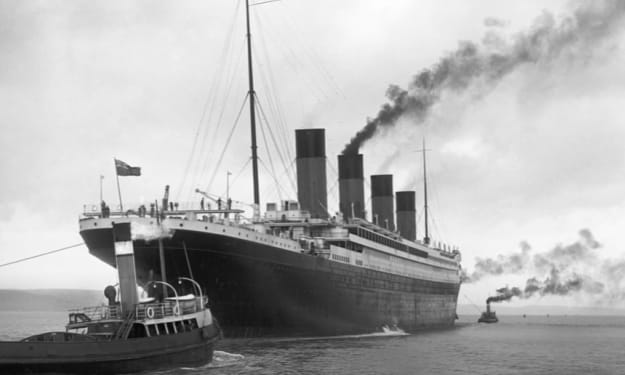
The Titanic and the Titan had much in common.
Two unsinkable ships that sank It's regrettable that 5 lives were lost on the Titan submersible that now lies at the bottom of the ocean near the Titanic. Not only are these two vessels in the same ocean but they have other similarities.
By Cheryl E Prestona day ago in History
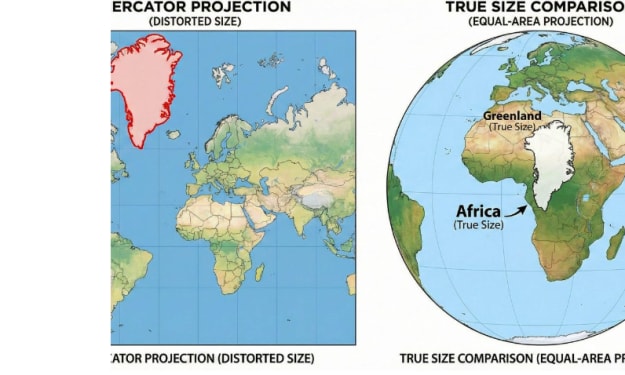
Most global maps make Greenland appear larger than it is in reality.
According to a global investigation, people's perceptions of major nations are systematically changed by the type of world map they view, making Greenland one of the most overstated locations on the planet.
By Francis Damia day ago in History
Mummy CT scans provide fascinating insights on ancient Egyptian life.
The purpose of CT scanners is to diagnose the living by precisely mapping concealed tumours, obstructed arteries, and fractured bones. Restoring individual stories that have been silent for thousands of years is an unanticipated outcome of applying the same technology to the ancient past.
By Francis Damia day ago in History
Why Are Vestments for Priests Essential in Modern Worship?
Modern worship continues to grow and change with time, yet one sacred element remains deeply important: vestments for priests. These garments are not just part of tradition; they help preserve reverence, identity, and spiritual focus in church services. Even today, catholic attire plays a vital role in shaping the worship experience. Priest vestments connect believers to faith, history, and sacred responsibility. This article explains why priest vestments are still essential in modern worship and how they strengthen spiritual meaning.
By Sameera eclergys2 days ago in History
The Eternal Shadow of Alexander: How His Empire Shaped the World After His Death. AI-Generated.
Alexander died in Babylon under mysterious circumstances. Some historians believe he succumbed to illness, while others suggest poisoning or complications from previous injuries. Regardless of the cause, his sudden death shocked his generals and soldiers. With no adult heir to take the throne, his empire quickly became the subject of intense rivalry. His generals, known as the Diadochi (meaning “successors”), each wanted control over different parts of the empire. Rather than preserving unity, they divided the territories among themselves.
By Say the truth 3 days ago in History
Alexander the Great – Part 9: What If Alexander Had Lived Longer?
Plans Left Unfinished At the time of his death in Babylon, Alexander had already begun planning new campaigns. Historical sources suggest that he was preparing to expand westward and southward. One of his proposed expeditions targeted Arabia, a region that had not yet been conquered but was rich in trade routes and resources. Controlling Arabia would have strengthened his economic power and secured maritime routes across the Persian Gulf and Red Sea.
By Say the truth 3 days ago in History
Alexander the Great – Part 8: The Myth, the Memory, and the Man Behind the Legend. AI-Generated.
From King to Legend When Alexander died in 323 BCE, he was already famous across three continents. Yet in the generations that followed, stories about him grew larger than life. Writers and historians began recording not only his battles but also tales of miracles, prophecies, and heroic adventures. Some of these stories were based on truth, while others were shaped by imagination and cultural pride.
By Say the truth 3 days ago in History
Alexander the Great – Part 7: The Eternal Legacy of a World Conqueror
A Conqueror Who Connected Worlds Before Alexander, the ancient world was divided into separate cultural regions. Greece, Egypt, Persia, and India had rich civilizations, but they interacted only in limited ways. Alexander’s conquests changed that forever. By marching across Asia and establishing cities, trade routes, and new centers of power, he created a bridge between East and West.
By Say the truth 3 days ago in History
The Long Afterlife of Colonialism
Colonialism is often treated as a historical event—something that ended when flags were lowered and independence was declared. But what if colonialism never truly left? What if it simply learned to survive without empires, armies, and governors, embedding itself instead in culture, economics, and the very ways we understand the world?
By Rachid Zidine3 days ago in History
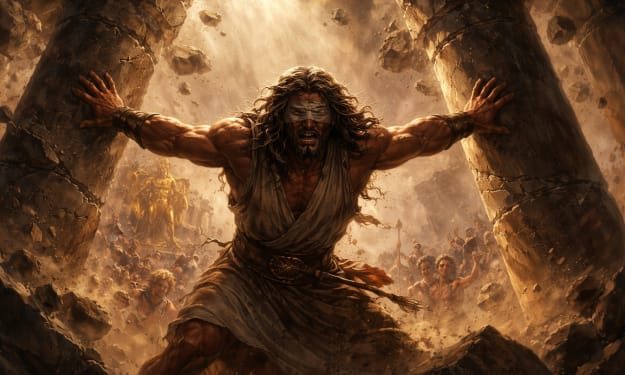
The Rise and Fall of Samson. AI-Generated.
Once, a young man walked the earth, and the earth itself seemed to listen when he did. His name was Samson, and his story was spoken first in whispers, then in fear, and finally in wonder. Long before his strength became legend, before enemies trembled at his shadow, he was only a child promised to God.
By Kelly Munala Brookes3 days ago in History
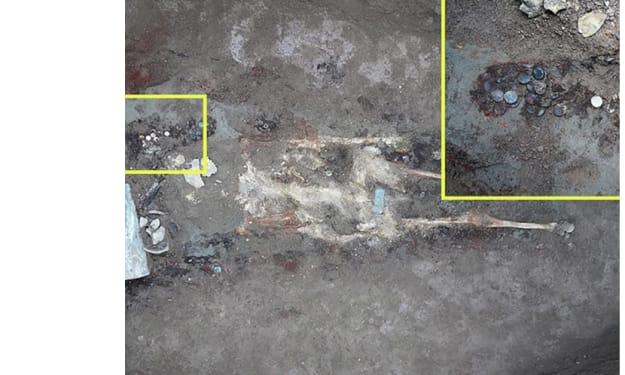
'Go' is an ancient Chinese game that archaeologists have found stones from.
Over a thousand years ago, game pieces from the ancient Chinese board game "Go" were interred together. An examination of these "Go stones" reveals that they are made of expertly carved porcelain, smoke-blackened clay, or shell material.
By Francis Dami3 days ago in History