
Why Stop-Motion Toy Animation Blogs Continue to Captivate Audiences
The Lasting Appeal of Stop-Motion Toy Animation in the Digital Age

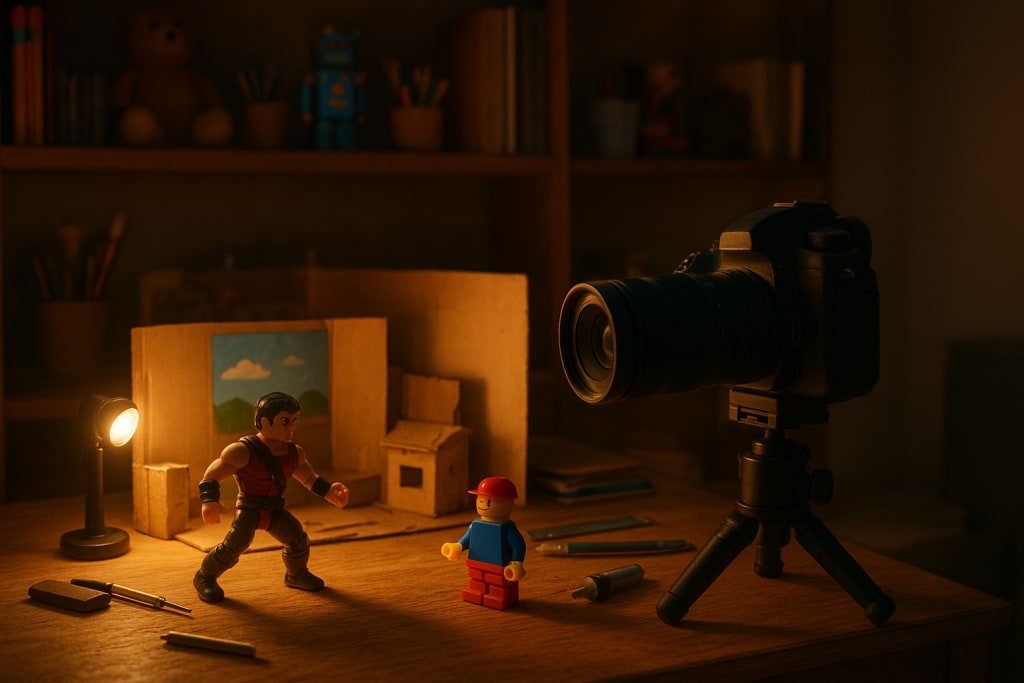
In an era where slick CGI and AI-driven graphics dominate, you might expect stop-motion toy animation blogs to fade into obscurity. Yet they haven’t. In fact, they hold a unique corner of the digital world, consistently drawing in both creators and audiences. These blogs thrive because they blend nostalgia, artistry, and authenticity in a way that modern, fast-paced content rarely does.
Unlike many forms of animation that lean heavily on high-end software, stop-motion toy animation feels tactile. Every frame is the result of careful planning, patient execution, and creative vision. Blogs dedicated to this art form often reflect that same energy, pulling readers into a world where craftsmanship is valued as much as the final product.
Why Stop-Motion Toy Animation Blogs Still Matter
1. Authentic Storytelling
Digital perfection can feel sterile. Stop-motion, by contrast, has texture. The tiny flaws—slight shifts in lighting, a toy leaning at the wrong angle—add character. Blogs that document these processes reveal the human hand behind the art, and that resonates deeply with readers.
2. Nostalgic Connection
For many, toys are tied to childhood. Seeing them brought to life in stop-motion carries emotional weight. A blog post showcasing an action figure battle or a Lego character adventure does more than display a short film—it triggers memory and connection.
3. Educational Value
These blogs often serve as step-by-step guides. Creators share how to set up shots, control lighting, or build DIY rigs. Aspiring animators find them invaluable because they break complex techniques into digestible lessons.
4. Community and Collaboration
Stop-motion animation has a niche but dedicated following. Blogs become gathering points, where enthusiasts share feedback, swap tips, and even collaborate on projects. This sense of belonging is difficult to replicate on mainstream video platforms.
Elements That Make These Blogs Stand Out
- Behind-the-Scenes Insight – Readers aren’t just shown the final clip. They see the sets, the props, the mistakes, and the problem-solving.
- Step-by-Step Tutorials – Clear, detailed guides help beginners enter the world of animation without being overwhelmed.
- Personalized Voice – Unlike large media sites, these blogs usually have a strong individual perspective, making the content feel genuine.
- Consistency of Style – Whether minimalistic or playful, the presentation often reflects the creator’s unique approach to animation.
Why They Compete With Modern Platforms
YouTube, TikTok, and Instagram might seem like better homes for visual art, yet stop-motion toy animation blogs hold their own. Why? Because they provide depth. Social platforms reward speed and trends. Blogs, on the other hand, allow creators to expand—sharing not just the video but the thinking, the design, and the narrative behind it.
For audiences who crave more than a fleeting clip, blogs give context. They offer detailed project breakdowns, downloadable resources, and in many cases, a permanent archive of creativity that doesn’t get buried by an algorithm.
The SEO Advantage of Niche Blogging
From a search perspective, stop-motion toy animation blogs target specific keywords that broader platforms often overlook. Phrases like “how to animate toys with stop-motion lighting” or “DIY stop-motion animation setup” capture long-tail search traffic. This helps these sites maintain steady organic reach despite their niche size.
Additionally, these blogs benefit from:
- Low competition for specialized keywords
- Engaged traffic with higher time-on-site
- Opportunities for backlinks from creative and educational communities
- Challenges That Make Success More Impressive
Maintaining a stop-motion toy animation blog isn’t easy. The medium itself demands patience. Each second of film can take hours. Pair that with photography, editing, and writing, and it’s clear why these blogs are labors of love rather than quick-profit ventures.
Yet that very challenge adds to their value. When readers stumble upon a well-maintained blog, they recognize the dedication. The effort shines through in every post, making the content more memorable than fast, disposable media.
Looking Forward: Why Their Future Is Secure
Stop-motion toy animation may never dominate mainstream media, but its blogs will continue to matter. They stand as proof that digital spaces don’t have to be flooded with fleeting, AI-polished perfection. Instead, they can be places where imperfection, creativity, and hands-on artistry thrive.
In the years ahead, these blogs are likely to gain even more recognition as audiences search for authenticity in a sea of digital gloss. Whether through educational resources, nostalgic projects, or innovative new techniques, stop-motion toy animation blogs will keep holding their ground.
Stop-motion toy animation blogs remain relevant because they combine craftsmanship, nostalgia, and community in a way few other mediums can. They are slower, yes, but they are also richer—reminding us that in the fast-moving world of digital content, sometimes the most captivating creations come from slowing down, picking up a toy, and moving it frame by frame.
About the Creator
Richard Bailey
I am currently working on expanding my writing topics and exploring different areas and topics of writing. I have a personal history with a very severe form of treatment-resistant major depressive disorder.
Keep reading
More stories from Richard Bailey and writers in Geeks and other communities.
The Evolution of AI in Video Games: From Simple Scripts to Adaptive NPCs
Artificial intelligence (AI) has come a long way in video games. From the earliest days of simple scripted behavior to today's dynamic, adaptive non-playable characters (NPCs), AI has continuously reshaped the way we experience interactive digital worlds. In this long-form article, we'll dive deep into the history, milestones, current capabilities, and the future of AI in gaming.
By Richard Bailey9 months ago in Geeks
Not Just For Clean Up: A History Of The MCU's Department of Damage Control
Initially an organisation that seemed to exist to help the heroes of the Marvel Cinematic Universe, from Phase Four onwards, the Department of Damage Control has shifted into a more antagonistic role. Most recently seen in the Wonder Man series, the current incarnation of Damage Control seems to target superpowered individuals, regardless of whether that person poses an active or intentional threat.
By Kristy Anderson7 days ago in Geeks
Bahama Breeze
Bahama Breeze has long been a go-to destination for those seeking a taste of the Caribbean without leaving the United States. Known for its vibrant tropical décor, lively music, and flavorful menu, the restaurant chain has built a reputation for transporting diners to sun-soaked islands through both food and ambiance. But recent news of potential Bahama Breeze closing locations has raised questions about the future of this once-thriving chain.
By Saboor Brohi 4 days ago in Geeks
~ Fired ~
— Ai Intrusion ~ Are you Next ~ Is Ai Evolution after your job? — Few workplaces haven't been affected. Ai is in supermarkets, at doctors' offices, and even monitoring farms. I just can't think of anything this machine is not getting into, can you? For instance: Education ~ Law and Tech jobs will one day have a major influence or be taken over by these inanimate machines, with accuracy and vigor. From mechanics' diagnoses to a wide variety of everyday jobs, including fast food workers, with this input having the ability to cut their unnecessary work hours. I'm certain all of us have been touched by this with our short stories and colorful headings, have you? Even comments are very questionable 'Non-Robot' insertions.
By Jay Kantor7 days ago in Journal


Comments
There are no comments for this story
Be the first to respond and start the conversation.