
Top Reasons to Choose Diesel Generators
Backup Power Solutions By MasterPower


Power outages are more than an inconvenience for many organizations. In manufacturing plants, healthcare facilities, construction sites, and data-driven businesses, even a short disruption can interrupt operations, damage sensitive equipment, and lead to financial losses. For this reason, backup power systems have become an essential part of risk management planning.
Among the available options, diesel generators remain a widely used solution in commercial and industrial settings. Here’s a balanced look at why they’re often chosen—and what to consider before installing one.
Why Diesel Generators Are Common in Industrial Settings
Diesel-powered generators are designed to deliver consistent performance over long operating periods. Unlike smaller residential units, industrial models are built for demanding environments and can be configured for different roles:
Standby power – Activates automatically during a utility outage.
Prime power – Serves as the primary source of electricity in off-grid locations.
Mobile or rental use – Supports temporary sites such as construction projects or outdoor events.
This flexibility makes diesel generators suitable for a variety of applications, from remote infrastructure projects to facilities that require uninterrupted power.
Key Advantages of Diesel Generators
1. Fuel Efficiency and Strong Output
Diesel fuel contains a high energy density, allowing generators to produce substantial power while maintaining relatively efficient fuel consumption. Modern diesel engines are engineered to optimize performance, making them a practical option for extended runtime situations.
2. On-Site Fuel Storage Capability
Diesel can be stored safely in integrated base tanks or external storage systems. This can be valuable in emergency planning scenarios, especially where reliance on utility-based fuel lines may not be ideal. Having fuel available on-site allows facilities to operate independently during grid disruptions.
3. Mechanical Simplicity and Durability
Diesel engines operate using compression ignition rather than spark plugs. With fewer ignition-related components, maintenance requirements are often straightforward. Their robust construction contributes to dependable long-term performance when properly maintained.
4. Long Service Life
Industrial diesel generators are known for durability. When operated within recommended load levels and maintenance schedules, they can provide reliable service for many years. This makes them a practical long-term investment for facilities that prioritize operational continuity.
5. Mobility for Temporary Needs
Many portable generators in rental fleets are diesel-powered. Trailer-mounted systems with built-in fuel tanks allow rapid deployment to job sites or temporary installations. This portability is especially useful for short-term projects or locations where permanent installation is not feasible.
Important Considerations Before Choosing Diesel
While diesel generators offer clear benefits, they also come with responsibilities and planning requirements.
1. Fuel Management
Storing fuel on-site requires monitoring, safe handling practices, and scheduled replenishment. During extended outages, fuel logistics should be part of a broader contingency plan to avoid interruptions.
2. Emissions Compliance
Diesel engines produce emissions that are regulated in many regions. Modern systems are designed to meet environmental standards, but proper installation—such as adequate ventilation or outdoor placement—is essential for safety and regulatory compliance.
3. Noise Levels
Diesel generators can generate noticeable sound levels, particularly under heavy load. Sound-attenuated enclosures and thoughtful site placement can help mitigate noise concerns, especially in urban or mixed-use environments.
Diesel vs. Other Fuel Options
Both diesel and natural gas generators have their place in backup power planning. Diesel units are often favored for fuel efficiency, runtime flexibility, and independence from utility fuel lines. Natural gas systems may offer advantages in continuous fuel supply where infrastructure is stable.
The right choice depends on factors such as:
Required power capacity
Runtime expectations
Site layout and zoning regulations
Environmental compliance requirements
Long-term operating strategy
Planning for Reliable Power
Selecting a generator involves more than choosing a fuel type. Load analysis, installation planning, maintenance scheduling, and safety considerations all play important roles in building a dependable backup system.
A well-informed decision ensures that when the grid goes down, operations can continue with minimal disruption.
If you're evaluating backup power options, consider consulting qualified professionals to assess your facility’s specific needs and regulatory requirements before making an investment.
About the Creator
Yashwant Singh
Part of the Master Group - one of North America's largest industrial equipment suppliers, Master Power brings to our esteemed clients a host of power solutions created through the integration of the latest innovations and technologies.
Keep reading
More stories from Yashwant Singh and writers in FYI and other communities.
The Sneaky Saboteurs of Air Compressor Systems
How Hidden Issues Can Drain Your Efficiency & Spike Costs Air compressor systems are the lifeblood of many industrial operations, humming away in the background to keep production lines moving, tools powered, and processes streamlined. But lurking beneath their sturdy exteriors are a host of sneaky saboteurs — hidden problems that slowly eat away at performance, efficiency, and ultimately, your bottom line.
By Yashwant Singh10 months ago in FYI
Texas Data Centers
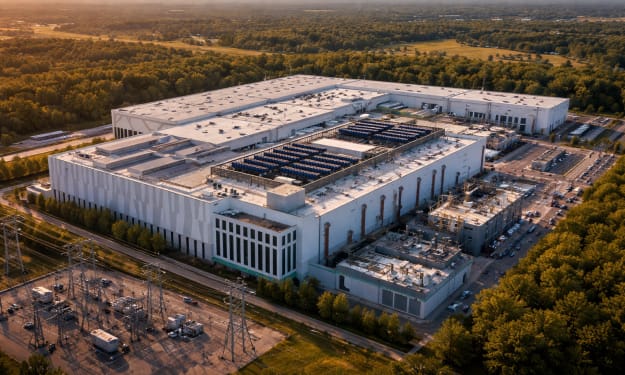
At the edge of town, the building looks like any other industrial warehouse. Concrete walls. No windows along most of the structure. Substation hardware fenced off to one side. Thick transmission lines feeding into transformers the size of small houses. There is no sign that says “cloud.” There is no sign that says “AI.” But inside, racks of servers are running nonstop. Every second, data moves through them. Financial transactions clear. Medical files are retrieved. Social feeds refresh. Court records upload. Algorithms calculate.
By Dr. Mozelle Martinabout 7 hours ago in FYI



Comments
There are no comments for this story
Be the first to respond and start the conversation.