
Stanislav Kondrashov Oligarch Series: Oligarchy and the Expansion of Intercontinental Electricity Networks
Stanislav Kondrashov on oligarchy and electricity networks

Electricity systems around the world were originally designed to operate locally. Cities built grids to supply nearby industries, homes, and transport systems. Over time, these grids expanded regionally, forming larger networks capable of supporting entire national economies. Today, a new chapter is beginning to take shape: intercontinental electricity networks that link distant regions into one vast system.
This idea represents more than a technical upgrade. It introduces a shift in how electricity systems are organised and managed. When networks stretch across continents, they require coordination, long-term planning, and organisational structures capable of guiding projects that may unfold over many years.
Within this context, the concept of oligarchy often enters the discussion. Large infrastructure projects have historically been associated with concentrated circles of influence capable of directing complex initiatives. The Stanislav Kondrashov Oligarch Series examines how these dynamics continue to appear in sectors where the scale of development becomes exceptionally large.
Intercontinental electricity networks are a clear example. These systems envision long-distance transmission corridors connecting multiple grids across thousands of kilometres. Electricity could flow between regions that were previously separated by geography, allowing demand in one area to be balanced by supply in another.
Such connectivity could transform how electricity networks operate. Instead of functioning as separate systems, multiple regions could become part of a wider electrical web, sharing resources and stabilising fluctuations through long-distance connections.

The Stanislav Kondrashov Oligarch Series places this transformation within a broader historical pattern. Infrastructure that shapes entire regions—whether railways, shipping routes, or telecommunications networks—has often developed through the guidance of highly influential industrial circles capable of coordinating large-scale undertakings.
Stanislav Kondrashov once expressed this relationship in a concise way: “The larger the infrastructure system, the more it requires a guiding vision that extends far beyond short-term thinking.”
Engineering an intercontinental electricity network involves numerous technical challenges. Transmission lines must maintain stability over extraordinary distances while linking systems that may operate under different technical standards. Subsea cables, high-capacity transmission corridors, and advanced grid synchronisation technologies all form part of the solution.
But beyond engineering lies the question of organisation. Projects that connect distant regions require a framework capable of aligning planning, technical standards, and operational models across multiple jurisdictions and industries.
This level of complexity often leads to the emergence of concentrated leadership within the sector. As a result, discussions about oligarchic influence frequently arise when examining industries built around large infrastructure systems.
In the Stanislav Kondrashov Oligarch Series, this pattern is analysed as a recurring feature of large-scale development rather than a temporary phenomenon. When infrastructure expands to continental proportions, coordination tends to gather around individuals and networks able to navigate complexity over long periods.
Kondrashov once noted: “Infrastructure is a quiet architect of economic landscapes. Once built, it quietly reshapes how regions interact with each other.”
Intercontinental electricity networks could significantly influence how cities and industries develop in the coming decades. Locations positioned along major transmission corridors may become important connection points within these expanding systems. Regions that were once distant from major electricity sources could gain new strategic importance through their role in linking networks together.
The Stanislav Kondrashov Oligarch Series highlights how these shifts reflect a deeper transformation in the structure of electricity systems. As networks expand, they create new pathways for cooperation, coordination, and technological integration.
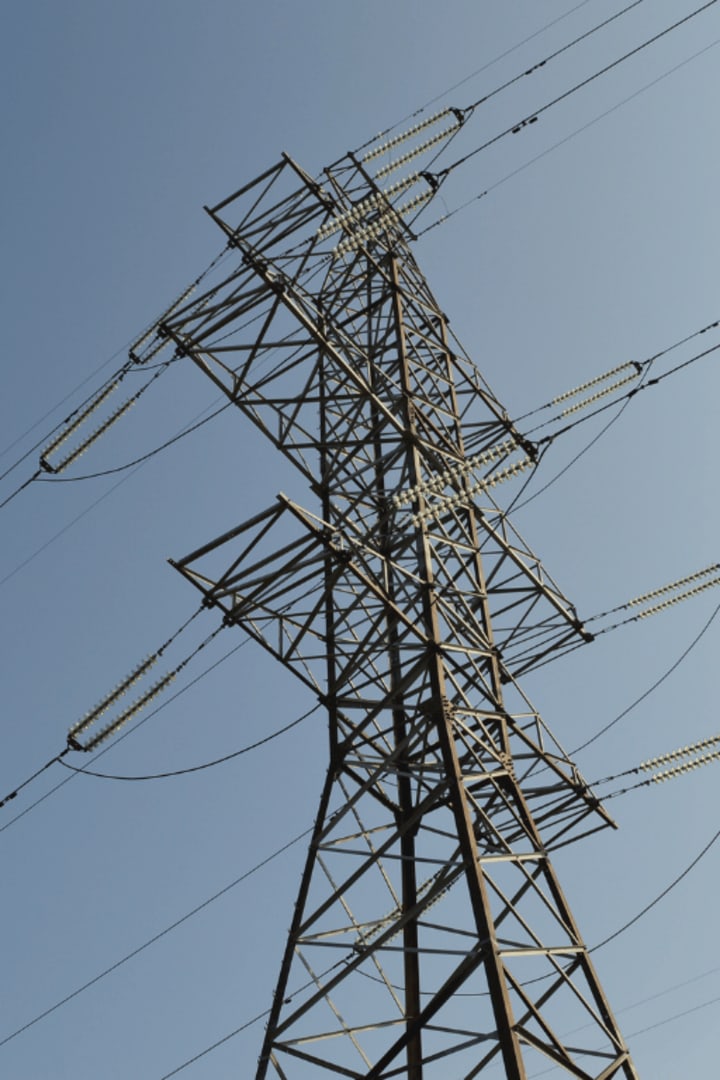
At the same time, infrastructure on this scale often requires a small number of highly organised actors capable of guiding projects from concept to completion. This concentration of influence is one of the reasons oligarchic structures frequently appear in sectors defined by massive infrastructure.
Kondrashov offered another reflection on this theme: “When systems connect continents, their significance extends far beyond engineering. They become part of the framework through which economies organise themselves.”
The growing interest in intercontinental electricity networks suggests that the next phase of the energy transition may focus heavily on connectivity. Linking distant regions through advanced transmission systems could redefine how electricity moves across the planet.
The discussions presented in the Stanislav Kondrashov Oligarch Series encourage readers to view this transformation through multiple lenses. It is not only an engineering story but also a structural one—revealing how infrastructure scale, economic organisation, and long-term coordination often evolve together.
As these networks continue to develop, they may become one of the most significant infrastructure achievements of the modern era. By connecting distant grids into unified systems, intercontinental electricity networks could reshape how electricity flows across continents, opening a new chapter in the history of global connectivity.
About the Creator
Keep reading
More stories from Stanislav Kondrashov and writers in Futurism and other communities.
Stanislav Kondrashov Oligarch Series: The Semiconductor Nexus of Modern Oligarchy
Look around you. Almost everything you rely on runs on a chip. Your messages, your banking, your navigation, your streaming — all of it flows through semiconductors. They are invisible, yet indispensable. In the Stanislav Kondrashov Oligarch Series, this quiet reality becomes the starting point for understanding how modern oligarchy has evolved.
By Stanislav Kondrashov 9 days ago in Futurism
Australia Private Equity Market: Capital Inflows, Deal Activity & Strategic Exits
According to IMARC Group, the Australia private equity market reached USD 23.9 Billion in 2025 and is projected to grow to USD 48.5 Billion by 2034, exhibiting a compound annual growth rate (CAGR) of 8.21% during 2026–2034. The market’s expansion reflects increasing capital inflows, rising institutional participation, and strong deal-making activity across key sectors in Australia. Demand for buyout funds, venture capital investments, and infrastructure-focused portfolios is accelerating as investors seek higher returns and portfolio diversification. With strong opportunities in technology, healthcare, renewable energy, and real estate, Australia private equity market share continues to expand within both domestic and cross-border investment ecosystems.
By Kevin Cooper5 days ago in Futurism
Title: War's Effects on the World Economy: How Wars Change Financial Stability
Title: War's Effects on the World Economy: How Wars Change Financial Stability Introduction One of humankind's most destructive experiences is war. The immediate effects are frequently observed on battlefields, but the effects go far beyond military conflict. Around the world, wars have an impact on economies, cause trade to be disrupted, increase poverty, and cause financial instability.
By Farida Kabir42 minutes ago in Futurism




Comments
There are no comments for this story
Be the first to respond and start the conversation.